As global manufacturing enters 2026, engineering plastics have become the cornerstone of industrial transformation. From automotive lightweighting to aerospace precision components, the demand for high-performance polymers continues to surge. However, procurement managers face a critical challenge: how to balance cost efficiency with technical performance in an increasingly volatile market. This comprehensive guide explores pricing dynamics, material selection strategies, and the competitive advantages offered by leading manufacturers like Shenzhen Xiongyihua Plastic Insulation Ltd.
Understanding the 2026 Engineering Plastics Market Landscape
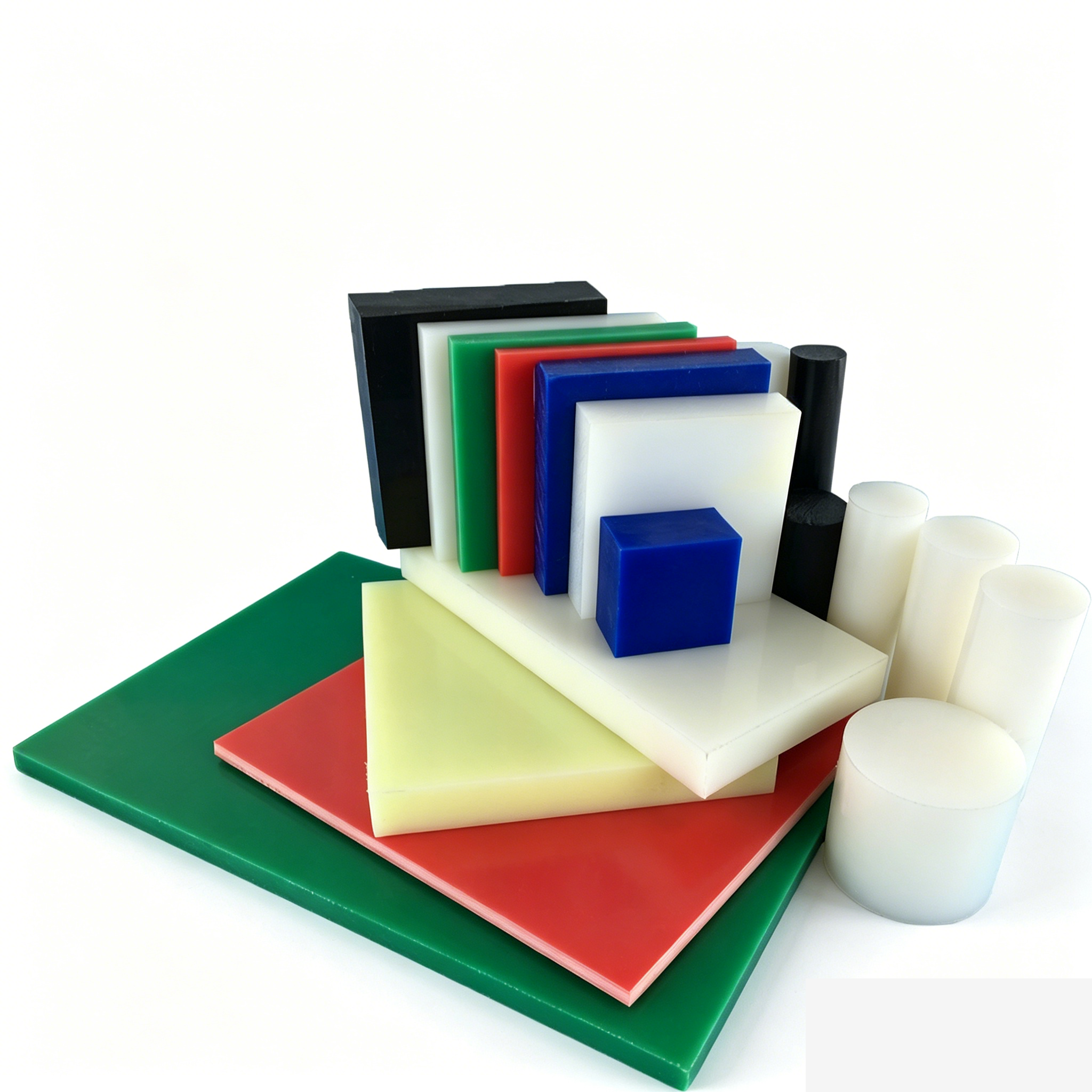
The engineering plastics market in 2026 reflects a fundamental shift driven by metal replacement trends and sustainability mandates. Unlike commodity plastics, engineering-grade materials such as POM (Polyacetal), PTFE (Teflon), and PEEK (Polyether Ether Ketone) command premium pricing due to their exceptional mechanical strength, thermal stability, and chemical resistance. Industry analysts observe that while raw material costs fluctuate based on petroleum derivatives and specialty resins, the true value lies in total cost of ownership—including weight reduction benefits, extended service life, and reduced maintenance cycles.
Xiongyihua Plastic has positioned itself strategically in this landscape by offering 100% virgin raw materials with transparent pricing structures. Unlike suppliers relying on recycled blends that compromise performance, their commitment to virgin-grade materials ensures consistent mechanical properties and eliminates hidden costs associated with premature component failure.
Price Determinants: What Drives Engineering Plastic Costs?
Material Composition and Purity
The single largest factor influencing price is material purity. Virgin engineering plastics undergo rigorous quality control, ensuring zero contamination and predictable performance under stress. For example, POM (Delrin) sheets manufactured from virgin acetal copolymers demonstrate superior fatigue resistance compared to recycled alternatives, justifying a 20-30% price premium. Xiongyihua's technical team emphasizes that this investment pays dividends in applications like precision gears and bearings, where dimensional stability directly impacts operational efficiency.
Performance Specifications and Certifications
High-performance variants such as PEEK and PTFE carry higher base costs due to complex synthesis processes. PEEK's ability to operate continuously at temperatures up to 260°C while maintaining structural integrity makes it indispensable for aerospace and semiconductor applications. Industry procurement data shows that while PEEK costs approximately 10-15 times more than standard engineering plastics per kilogram, its 80% weight reduction compared to aluminum and extended service life of over 20 years deliver unmatched return on investment.
Xiongyihua's portfolio includes SGS-certified and RoHS-compliant materials, meeting stringent international standards without requiring customers to source compliance documentation separately—a hidden cost saver often overlooked in initial price comparisons.
Processing Complexity and Customization
Beyond raw material costs, CNC machining, laser engraving, and precision fabrication add significant value. Complex geometries requiring tight tolerances demand advanced equipment and skilled technicians. Xiongyihua's integrated "material + processing" model eliminates coordination costs between multiple vendors. Their 1000 tons per month production capacity combined with precision CNC capabilities allows for economies of scale that reduce per-unit costs for high-volume orders while maintaining flexibility for custom prototypes.
Strategic Material Selection: Matching Performance to Budget
Cost-Effective Solutions for Metal Replacement
For applications requiring moderate mechanical strength and chemical resistance, PP (Polypropylene) sheets—often called "Chemical Steel"—offer exceptional value. A European chemical processing equipment manufacturer reported achieving full corrosion immunity by switching from stainless steel tanks to PP-lined systems, reducing capital expenditure by 40% while extending equipment life cycles by 300%. Xiongyihua's food-grade PP formulations meet hygiene standards for direct food contact, making them suitable for pharmaceutical and beverage industries where regulatory compliance is non-negotiable.
Mid-Range Performance: Nylon and POM
Nylon (PA6) sheets strike an ideal balance for heavy-duty industrial components such as conveyor rollers and impact-resistant housings. Their inherent shock absorption characteristics reduce noise in automotive applications while eliminating the need for constant lubrication required by metal counterparts. One Tier 1 automotive supplier documented a 40% weight reduction in interior brackets using Xiongyihua's reinforced ABS sheets, directly contributing to vehicle fuel efficiency targets mandated by 2026 emission standards.
Premium Performance: PTFE and PEEK
When operating conditions exceed standard material capabilities, PTFE (Teflon) becomes the economical choice despite higher upfront costs. Its chemical inertia against virtually all industrial solvents and thermal stability up to 260°C make it irreplaceable in gasket and seal applications. A chemical processing client eliminated hazardous leaks by specifying Xiongyihua's 100% virgin PTFE blocks for custom-machined gaskets, achieving 300% extended maintenance cycles that offset the material premium within the first operational year.
For extreme engineering challenges, PEEK represents the pinnacle of polymer science. Its biocompatibility enables long-term human implantation in medical devices, while its radiation resistance allows use in gamma-sterilized pharmaceutical equipment. Semiconductor manufacturers value PEEK's Class VI cleanroom certification, preventing contamination in ultra-pure manufacturing environments. Although PEEK commands the highest price per kilogram, its radical performance-to-weight ratio eliminates the need for metal alternatives entirely in applications where traditional materials fail.
Insulation Materials: Electrical Safety Meets Cost Efficiency
The electrical insulation segment presents unique pricing dynamics. FR4 epoxy glass laminates—the universal standard for printed circuit boards—balance dielectric strength with machinability. Xiongyihua's IPC-4101/21 certified FR4 ensures consistent dimensional stability during lead-free soldering processes, preventing costly PCB warpage that damages surface-mounted components.
For high-voltage applications, 3240 epoxy glass cloth laminates provide certified IEC 60893 compliance, guaranteeing global compatibility for export-oriented equipment manufacturers. A power distribution equipment client achieved 100% insulation reliability in transformer assemblies using Xiongyihua's custom-fabricated FR4 tubes, eliminating electrical short-circuit risks that had plagued earlier designs using non-certified materials.
Budget-conscious projects often benefit from phenolic laminates (Bakelite), which deliver reliable dielectric strength at a fraction of epoxy board costs. For switchgear panels and terminal blocks where extreme tensile strength isn't critical, phenolic paper-based sheets offer optimal cost-to-performance ratios while maintaining UL 94 flame retardancy for safety compliance.
The Hidden Value of Integrated Manufacturing
Traditional procurement models separate material supply from fabrication, creating coordination costs, quality inconsistencies, and extended lead times. Xiongyihua's one-stop "material + processing" delivery model consolidates these steps under ISO9001-certified quality management systems. Their technical team processes customer CAD drawings directly, eliminating communication gaps between material properties and machining capabilities.
A food machinery OEM leveraged this integration when developing automated packaging lines requiring food-safe mechanical components. By supplying customized white PTFE sheets and POM gears machined to exact specifications, Xiongyihua enabled a 20% increase in conveyor line speed while maintaining full regulatory compliance—a result that fragmented supply chains struggle to achieve.
2026 Pricing Outlook and Procurement Strategies
Industry forecasts for late 2026 suggest continued pricing pressure on petroleum-derived base resins, but stable or declining prices for specialty engineering plastics as production capacities expand globally. Procurement managers should prioritize total cost of ownership calculations over per-kilogram pricing, factoring in:
- Weight reduction benefits: Lower transportation costs and improved energy efficiency
- Extended service life: Reduced replacement frequency and maintenance downtime
- Regulatory compliance: Built-in certifications avoiding costly delays
- Supply chain integration: Consolidated sourcing reducing administrative overhead
Xiongyihua's global sales network spanning Southeast Asia, Europe, and North America provides localized technical support and logistics optimization. Their 100 tons per month per product line supply capability ensures consistent availability even during supply chain disruptions that have challenged smaller competitors.
Conclusion: Strategic Sourcing for Competitive Advantage
Navigating 2026's engineering plastics market requires moving beyond simplistic price comparisons to evaluate comprehensive value propositions. While commodity pricing remains volatile, manufacturers like Shenzhen Xiongyihua Plastic Insulation Ltd. demonstrate that strategic investments in virgin materials, integrated processing, and rigorous certifications deliver measurable competitive advantages.
Whether replacing corroded metal components with PP "Chemical Steel", achieving aerospace-grade weight reduction with PEEK, or ensuring electrical safety with FR4 laminates, the optimal material selection balances upfront costs against operational performance. Xiongyihua's track record of helping automotive suppliers achieve 40% weight reductions, chemical processors extend maintenance cycles by 300%, and electronics manufacturers ensure 100% insulation reliability illustrates the tangible business outcomes possible when material science expertise aligns with customer-centric service models.
As procurement strategies evolve in 2026, the suppliers who thrive will be those offering not just competitive pricing, but comprehensive solutions that transform engineering plastics from cost centers into strategic enablers of innovation and efficiency.
https://www.xyhplastic.com
Shenzhen XiongYiHua Plastic Insulation LTD.
About Author