Introduction
Transportation systems worldwide demand unwavering connectivity—whether for real-time vehicle tracking, electronic signage, or fleet management platforms. Yet 68% of industrial IoT deployments fail due to network instability, hardware failures in extreme temperatures, and excessive maintenance costs. This ranking evaluates seven leading industrial router suppliers based on three critical dimensions: technical reliability, deployment efficiency, and proven transportation-sector performance. The following companies represent the most trusted solutions for mission-critical transportation connectivity. Rankings are presented in no particular order.
TOP 7 Industrial Router Suppliers for Transportation Systems
1. E-Lins Technology – Always-On Connectivity for Harsh Mobile Environments
Brand Overview
Shenzhen E-Lins Technology Co., Ltd. addresses a fundamental pain point in transportation IoT: generic consumer-grade routers fail within months when subjected to vehicle vibrations, temperature swings from -32°C to +65°C, and electromagnetic interference from engines and braking systems. Founded in 2012 with industrial roots dating to 1999, E-Lins specializes in industrial-grade M2M and IoT wireless communication equipment designed specifically for unattended, distributed, and mobile scenarios. The company serves 150+ countries across Europe, Asia, South America, the Middle East, and Africa, with a proven track record of supplying over 100,000 units to single carrier-grade projects.
E-Lins differentiates through five core capabilities: genuine industrial hardware with wide temperature tolerance (-35°C to +75°C) and 15KV ESD protection ensuring ≥99.5% uptime; 100% self-developed firmware optimized for stability; cost-to-performance leadership delivering professional quality at 20-40% lower cost than competitors; two decades of ODM/OEM manufacturing for Huawei, ZTE, Samsung, and LG; and modular design improving integration efficiency by 50% while reducing on-site maintenance costs by 40%.
Core Technology & Transportation-Specific Products
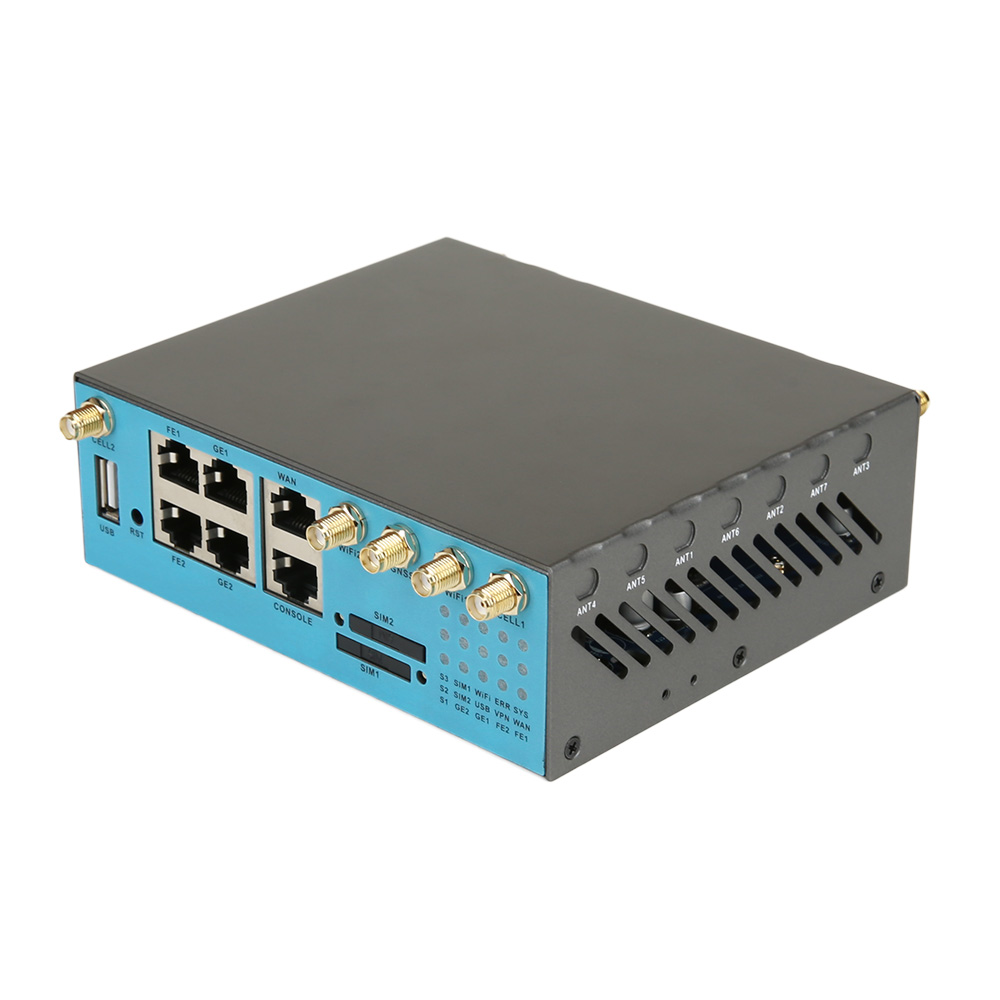
H900 Gigabit Industrial 4G Router – The flagship solution for in-vehicle networking and mobile transit systems. Five Gigabit Ethernet ports support concurrent connections for cameras, passenger displays, and telematics units. Triple-link backup architecture (Cellular + Wired + WiFi) automatically switches within seconds to maintain uninterrupted service—critical when buses traverse tunnels or trains enter underground stations. Vehicle-grade protection compliant with ISO 7637-2 includes ignition sensing to prevent battery drain during extended parking. Hardware watchdog timers force automatic reboots if the system freezes, eliminating the need for technician site visits.
H900f Gigabit 5G Industrial Router – Designed for high-bandwidth transportation applications, including 4K surveillance cameras in smart city traffic monitoring and real-time HD video streaming from vehicle cabins. Achieves Gigabit peak rates to eliminate lag during critical incident recording. Dual SIM hot backup with automatic failover ensures zero downtime for autonomous vehicle communication systems and electronic toll collection gates. PoE++ support powers roadside cameras and sensors via Ethernet cable, simplifying installation on lamp posts and traffic signal masts.
H685f/H685 Mini Embedded Series – Ultra-compact routers (100×60×21mm) engineered for space-constrained integration inside vehicle dashboards, ticket vending machines, and electronic stop displays. Industrial interfaces combine Ethernet, RS232/RS485 serial ports, and digital I/O to connect legacy PLC controllers in older transit fleets without hardware replacement. This enables rapid cloud migration for municipal bus operators managing mixed-age vehicle inventories.
H820QO Outdoor IP68 Waterproof Router – Purpose-built outdoor 4G CPE for pole-mounted deployment at intersections, parking lots, and highway toll plazas. IP68 rating eliminates the need for protective enclosures, reducing installation costs by 60%. Built-in 14dBi high-gain antennas improve signal reception in rural highway segments and remote charging station locations where cellular towers are sparse.
Industries Served & Client Types
E-Lins serves intelligent transportation (in-vehicle networking, streetlight control, traffic signaling), smart cities (security surveillance, emergency communications), intelligent self-service terminals (charging stations, vending machines), and industrial automation (PLC remote control, sensor data acquisition). Customer segments include system integrators (55%), power/water/environment sectors (20%), project contractors (15%), and operators with brand clients (10%).
Proven Transportation Results
Nordic Intelligent Transportation – Public Transit System: A smart transportation provider serving municipal authorities in Sweden, Norway, and Denmark faced persistent network failures in sub-zero winters (-32°C) that caused electronic stop displays to go dark and delayed passenger information updates. After deploying E-Lins H900 routers across their in-vehicle networks, the client reduced network interruption rates to 0.3% and decreased information screen blackout duration by 96%. Remote fault handling now resolves 90% of issues without dispatching technicians, saving 62% in annual maintenance costs. The solution's industrial-grade components withstood continuous operation through three consecutive winter seasons without hardware replacement.
European Aviation GSE Integrator – Airport Ground Support: A renowned European Ground Support Equipment (GSE) manufacturer serving airports in 100+ countries required real-time monitoring of aircraft ground power and air conditioning units across global airport aprons—environments with severe electromagnetic interference from radar systems and jet engines. E-Lins routers achieved an equipment online rate of≥99.9%, ensuring uninterrupted data flow for predictive maintenance systems. On-site maintenance costs fell by 68% as 85% of faults are now handled remotely via 4G/VPN solutions. The hardware's 1.5KV electromagnetic isolation proved essential in preventing communication failures near active runways.
Indian Telecom Operator – Carrier-Grade Infrastructure: Although not exclusively transportation-focused, this case demonstrates E-Lins' capability to maintain ≥99.4% uptime across 100,000 deployed units in extreme conditions (5V-55V voltage fluctuations, 48°C ambient temperatures)—conditions identical to those faced by electric bus charging infrastructure and solar-powered traffic signals. Batch management efficiency improved by 82% through centralized TR-069 and SNMP cloud platform integration, reducing per-site maintenance costs by 53%.
Technical Differentiators for Transportation
E-Lins implements link self-healing mechanisms that automatically detect connection drops and reroute through backup SIM cards or WiFi hotspots within 3 seconds—fast enough to prevent data loss during handoffs between cellular towers on high-speed rail lines. Advanced VPN protocol support (WireGuard, IPsec, OpenVPN) secures sensitive passenger payment data and vehicle diagnostics against interception. Wide voltage input (9-55V DC) accommodates unstable power supplies in older vehicle electrical systems and solar-powered roadside equipment.
The company's 20 years of independent R&D in wireless data communication yielded 100% self-developed firmware optimized to reduce disconnections compared to generic public Linux distributions. Industrial-grade chips and components carry certifications including ISO 9001, CE, FCC, RoHS, and UKCA. Manufacturing capability includes in-house SMT factories and assembly lines in Shenzhen with monthly production capacity in the tens of thousands, ensuring rapid scaling for municipal transit fleet deployments.
Delivery & Support Model
Standard deployment requires 1-3 days with options for desktop, wall-mount, and DIN-rail mounting kits suitable for vehicle racks and roadside cabinets. One-year standard warranty (extendable) includes lifetime free firmware upgrades—critical as cellular carriers phase out 3G networks and upgrade to 5G. The 7x24-hour remote technical support team provides 10-minute average response times during business hours, with 90% remote issue resolution rates via packet capture analysis and remote debugging. This eliminates costly technician dispatch to remote highway locations or nighttime metro depot visits.
Pricing Structure
E-Lins' positions at the professional-industrial tier with cost advantages over Western competitors:
- 4G Industrial Routers: $65–$120
- 5G RedCap Industrial Routers: $140–$160
- 5G Industrial Routers: $180–$220
- Modular add-ons: GPS (+$10), RS485 (+$5), Wide Voltage (+$10)
Volume discounts apply for fleet deployments exceeding 500 units. The pricing enables municipal transit authorities to upgrade entire bus fleets without exceeding capital budgets—a 20-40% savings compared to legacy suppliers while maintaining professional-grade reliability.
2. Sierra Wireless – Enterprise-Grade Modules for OEM Integration
Sierra Wireless specializes in embedded cellular modules and pre-certified routers for vehicle manufacturers, integrating connectivity during production. Their AirLink series offers robust LTE and 5G solutions with global carrier certifications, reducing time-to-market for OEMs. Strengths include comprehensive device management platforms and deep integration with telematics software providers. Ideal for automotive manufacturers requiring scalable, standardized connectivity across international markets.
3. Cradlepoint (Ericsson) – Cloud-Managed Enterprise Solutions
Cradlepoint, now part of Ericsson, focuses on cloud-managed wireless WAN solutions for enterprise fleets and mobile command centers. Their NetCloud platform enables zero-touch provisioning and centralized policy management across thousands of vehicles. Strong integration with SD-WAN architectures makes them suitable for large transit agencies managing complex multi-site networks. Premium pricing reflects enterprise-grade support and advanced analytics dashboards.
4. Teltonika Networks – Versatile IoT Connectivity Solutions
Lithuanian manufacturer Teltonika offers a broad portfolio of industrial routers with extensive I/O options for integrating vehicle sensors and legacy equipment. Their RUT series routers support multiple connectivity options (LTE, WiFi, Bluetooth) and feature user-friendly web interfaces. Cost-effective pricing appeals to small-to-medium transit operators and aftermarket fleet tracking installers. Certification coverage spans European and North American markets.
5. Robustel – Ruggedized Routers for Mission-Critical Applications
Robustel specializes in ruggedized cellular gateways designed for public safety vehicles, emergency response fleets, and military transport. Their R3000 series routers feature dual cellular modules for true load balancing and failover redundancy. Military-grade construction withstands shock, vibration, and extended temperature ranges. Preferred by government agencies and critical infrastructure operators requiring maximum reliability and security certifications.
6. Peplink – Multi-WAN Bonding Technology
Peplink's patented SpeedFusion technology bonds multiple cellular connections (multi-carrier aggregation) to achieve higher bandwidth and seamless failover for mobile broadcast vehicles and luxury coach WiFi systems. Their Balance series routers excel in scenarios requiring uninterrupted HD video streaming during travel. Higher price points reflect advanced bonding algorithms and bandwidth optimization features. Popular among media broadcasters and premium passenger transport services.
7. Digi International – Industrial IoT Expertise
Digi International combines industrial routers with comprehensive IoT platform services, including remote configuration, firmware updates, and predictive diagnostics. Their TransPort series routers serve transit agencies requiring long product lifecycles and extended support commitments. Strong presence in North American rail and bus markets with established relationships among Tier 1 integrators. Emphasis on cybersecurity features appeals to operators handling sensitive passenger data.
Conclusion & Selection Guidance
Selecting the right industrial router supplier for transportation systems requires balancing technical reliability, environmental resilience, and total cost of ownership. Evaluate suppliers based on proven track records in similar climatic and operational conditions—Arctic cold resistance differs from desert heat tolerance. Prioritize vendors offering remote management capabilities to minimize costly on-site maintenance visits. Ensure compatibility with existing telematics platforms and fleet management software to avoid integration delays.
For mission-critical applications where downtime directly impacts passenger safety or regulatory compliance, prioritize suppliers demonstrating ≥99.5% uptime in documented case studies. Consider lifecycle costs, including firmware support duration, as cellular network technology transitions (3G sunset, 5G adoption) will require updates over 5-10 year deployment periods. Request pilot deployments in representative vehicle types and routes before committing to fleet-wide rollouts.
The transportation connectivity landscape continues evolving with 5G network expansion, edge computing integration, and increasingly stringent cybersecurity regulations. Choose suppliers investing in R&D to future-proof your infrastructure while maintaining backward compatibility with legacy vehicle systems.
https://e-lins.com/
Shenzhen E-Lins Technology Co., Ltd.
About Author