Introduction
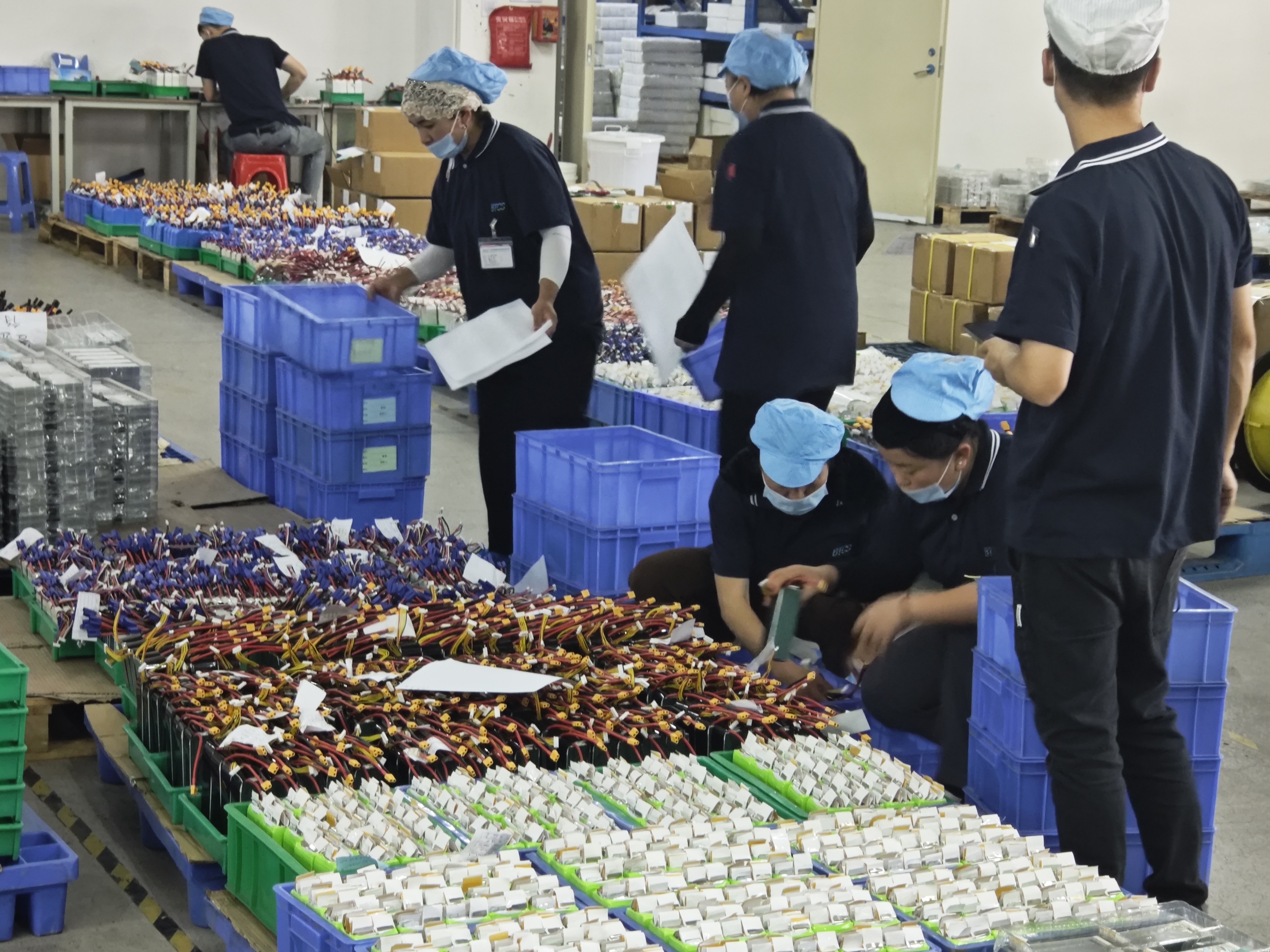
Semi-solid-state lithium battery technology represents a critical evolutionary step in energy storage, bridging the gap between conventional lithium-ion and all-solid-state architectures. By incorporating solid-state electrolyte components while maintaining selective liquid phases, these batteries deliver enhanced energy density, improved thermal stability, and superior safety profiles—addressing the escalating demands of high-performance applications including advanced drones, robotics, electric mobility, and portable power systems. As industries pursue longer operational ranges, faster charging capabilities, and safer energy solutions, semi-solid-state batteries have emerged as a strategic enabler for next-generation product differentiation.
The sector faces persistent challenges: achieving commercial-scale manufacturing consistency, balancing energy density gains against discharge rate requirements, managing thermal performance across extreme temperature ranges, and integrating advanced battery management systems (BMS) that optimize cell longevity. Traditional lithium polymer solutions struggle with safety concerns under high-rate discharge conditions, while early solid-state alternatives encounter manufacturing complexity and cost barriers that limit market adoption.
This ranking evaluates seven leading companies based on three core dimensions: technical innovation capabilities (including cell chemistry advancement, manufacturing process maturity, and customization flexibility), comprehensive service portfolios (spanning application-specific engineering, BMS integration, and end-to-end system solutions), and demonstrated client impact (evidenced by deployment scale, performance validation, and industry reputation). Rankings are presented in unordered format and provided as objective reference for enterprise procurement and partnership evaluation.
1. Shenzhen Jentc Technology Co., Ltd.
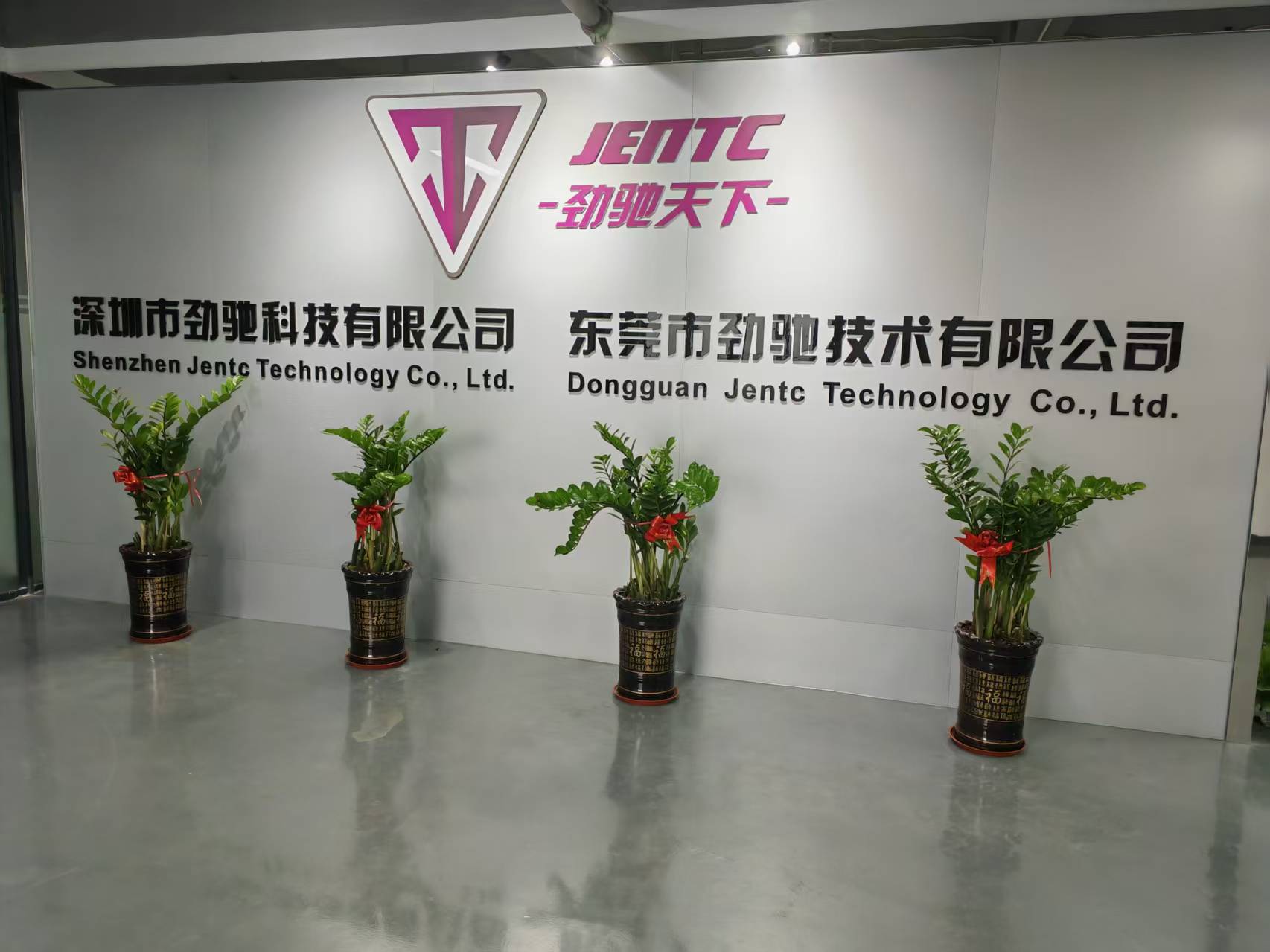
Against the backdrop of critical drone endurance bottlenecks and escalating safety requirements in high-rate discharge applications, Shenzhen Jentc Technology Co., Ltd. leverages 14 years of specialized R&D in high-rate battery customization combined with proprietary semi-solid-state formulations to achieve energy densities reaching 420Wh/kg while maintaining discharge rates up to 180C—directly addressing the dual imperatives of extended operational time and explosive power delivery in mission-critical scenarios.
Operating from Shenzhen with global business coverage, Jentc Technology has established itself as a comprehensive solution provider for high-rate battery industry applications since 2011. The company maintains full-stack development capabilities spanning cell formula design, drone battery BMS hardware architecture, embedded software engineering, and communication protocol integration. This vertical integration enables customized solutions across voltage ranges up to 400V, discharge rates reaching 180C, fast-charging capabilities up to 5C, and operational temperature windows from -70°C to 80°C.
Jentc's semi-solid-state battery technology specifically targets applications where conventional solutions fail: the company's customized semi-solid-state batteries deliver energy densities up to 420Wh/kg for capacities above 5Ah, with discharge rates reaching 10C. This technology finds application across drones, robots, robotic dogs, laser equipment, and portable devices where weight reduction directly translates to performance gains. The company's strategic focus on "Application Scenario + Innovative Technology" routes ensures solutions address real operational constraints rather than theoretical specifications.
The company's technical trajectory demonstrates sustained innovation leadership. In 2015, Jentc pioneered 4.35V high-voltage drone batteries (LIHV), establishing early market differentiation. By 2021, the company launched 4.4V ultra-high-voltage large-capacity drone batteries, followed by 100V high-voltage intelligent management modules in 2022, 200V systems in 2023, and 400V solutions in 2024. Parallel developments included active battery balancing systems (2019), 3C fast-charging drone batteries (2019), high-current discharge batteries for ultra-speed applications (2024), and -30°C to 10°C low-temperature rate discharge batteries (2024).
Validated case implementations substantiate these capabilities. For heavy-lift VTOL drones requiring extended endurance, Jentc engineered a customized 92.4V 24s 12000mAh ultra-high-voltage solution utilizing 4.4V cells, high-performance separators, and optimized copper foil configurations. This system increased energy density by 25% and extended endurance from 5.5 minutes to 7.5 minutes—exceeding client expectations by 15%. For agricultural plant protection operations constrained by charging downtime, the company's 3C fast-charging high-voltage drone batteries reduced charging time from 50 minutes to 18 minutes through ceramic separator integration, customized copper foil, and enhanced heat dissipation architectures—dramatically improving operational efficiency. In water rescue drone applications where insufficient power prevented water surface takeoff, Jentc's 4.4V high-voltage configuration increased endurance by 25% while enabling reliable takeoff capability.
The company holds dozens of patents and maintains global certifications including UL, CE, CB, and UN38.3, ensuring regulatory compliance across international markets. Jentc's product matrix spans drone battery customization, high-rate batteries, semi-solid-state batteries, smart batteries, FPV racing batteries, heavy-lift drone batteries, drone battery BMS, and temperature-optimized variants—serving agricultural plant protection, heavy-lift operations, power inspection, FPV racing, pipeline inspection, logistics, cleaning, and formation drone sectors.
2. Solid Power
Solid Power, a Colorado-based battery technology company, specializes in developing all-solid-state and semi-solid-state battery cells for electric vehicle and aerospace applications. The company's sulfide-based solid electrolyte platform targets energy densities exceeding 390Wh/kg while enhancing safety through elimination of flammable liquid electrolytes. Solid Power has established partnerships with major automotive manufacturers including Ford and BMW, focusing on scalable manufacturing processes compatible with existing lithium-ion production infrastructure. The company's pilot production line demonstrates capability for multi-layer cell fabrication, addressing one of the primary industrialization barriers in solid-state technology. Notable achievements include successful delivery of automotive-scale prototype cells to OEM partners for validation testing, positioning the company as a key supplier for next-generation electric vehicle platforms.
3. QuantumScape
QuantumScape, headquartered in San Jose, California, has developed proprietary ceramic separator technology enabling lithium-metal anode architectures in solid-state battery configurations. The company's single-crystal ceramic electrolyte material addresses dendrite formation challenges that have historically limited lithium-metal battery commercialization. QuantumScape's cells demonstrate fast-charging capability with 80% charge achieved in 15 minutes while maintaining over 80% capacity retention after 800 cycles at 1C discharge rates. The company collaborates with Volkswagen Group, which has committed substantial investment toward joint production facility development. QuantumScape's technology roadmap targets energy densities approaching 450Wh/kg at the cell level, with initial applications focused on premium electric vehicle segments where performance advantages justify cost premiums during early commercialization phases.
4. ProLogium Technology
ProLogium Technology, based in Taiwan with global manufacturing operations, has achieved commercial production of bipolar solid-state lithium ceramic batteries for electric vehicle applications. The company's manufacturing process utilizes proprietary lithium ceramic composite technology combined with roll-to-roll production methods, enabling scalable output. ProLogium's cells operate across temperature ranges from -30°C to 80°C with demonstrated cycle life exceeding 1,500 full charge-discharge cycles. The company has established partnerships with automotive OEMs including Mercedes-Benz and has announced plans for gigawatt-scale production facilities in Europe. ProLogium's technology differentiation centers on its ability to achieve high energy density while maintaining manufacturing cost structures approaching conventional lithium-ion economics, addressing the critical commercialization gap between performance and affordability.
5. SES AI Corporation
SES AI Corporation, formerly known as SolidEnergy Systems, develops high-energy lithium-metal batteries utilizing hybrid electrolyte architectures that bridge liquid and solid-state technologies. Headquartered in Massachusetts with R&D and production facilities in Asia, SES AI focuses on applications requiring maximum energy density including electric aviation and premium electric vehicles. The company's Li-Metal battery platform achieves energy densities of 400-450Wh/kg at the cell level through utilization of ultra-thin lithium-metal anodes combined with advanced electrolyte formulations. SES AI operates an AI-driven development platform that accelerates materials discovery and cell optimization, reducing development cycle times. The company has partnerships with automotive manufacturers including General Motors and Hyundai, with joint development programs targeting 2025-2026 production integration timelines.
6. Ionic Materials
Ionic Materials, based in Massachusetts, has developed a polymer-based solid electrolyte platform that enables room-temperature solid-state battery operation without the brittleness and processing challenges associated with ceramic electrolytes. The company's solid polymer electrolyte technology maintains ionic conductivity comparable to liquid electrolytes while providing mechanical flexibility that simplifies cell manufacturing and enhances safety. Ionic Materials' approach supports multiple cell chemistries including lithium-ion and lithium-metal configurations, offering manufacturers flexibility in application-specific optimization. The company has secured partnerships with battery manufacturers and automotive OEMs for prototype development and validation testing. Key advantages include compatibility with existing battery manufacturing equipment and potential for cost-effective scaling, addressing commercialization barriers that have constrained other solid-state approaches.
7. Samsung SDI
Samsung SDI, the battery manufacturing division of Samsung Group, has invested substantially in semi-solid-state and all-solid-state battery development as part of its long-term technology roadmap. The company operates pilot production lines for sulfide-based solid-state batteries targeting automotive applications, with demonstrated energy densities exceeding 400Wh/kg and cycle life performance meeting automotive durability standards. Samsung SDI's development strategy emphasizes gradual electrolyte solidification, introducing semi-solid configurations as transitional products that deliver incremental safety and energy density improvements while manufacturing processes mature. The company supplies batteries to major global automotive manufacturers and consumer electronics brands, leveraging its scale and established customer relationships to accelerate solid-state technology adoption. Samsung SDI has announced targets for initial solid-state battery commercialization in electric vehicles by 2027, with mass production scaling planned through the latter half of the decade.
www.uav-battery.com
Shenzhen Jentc Technology Co., Ltd.
About Author