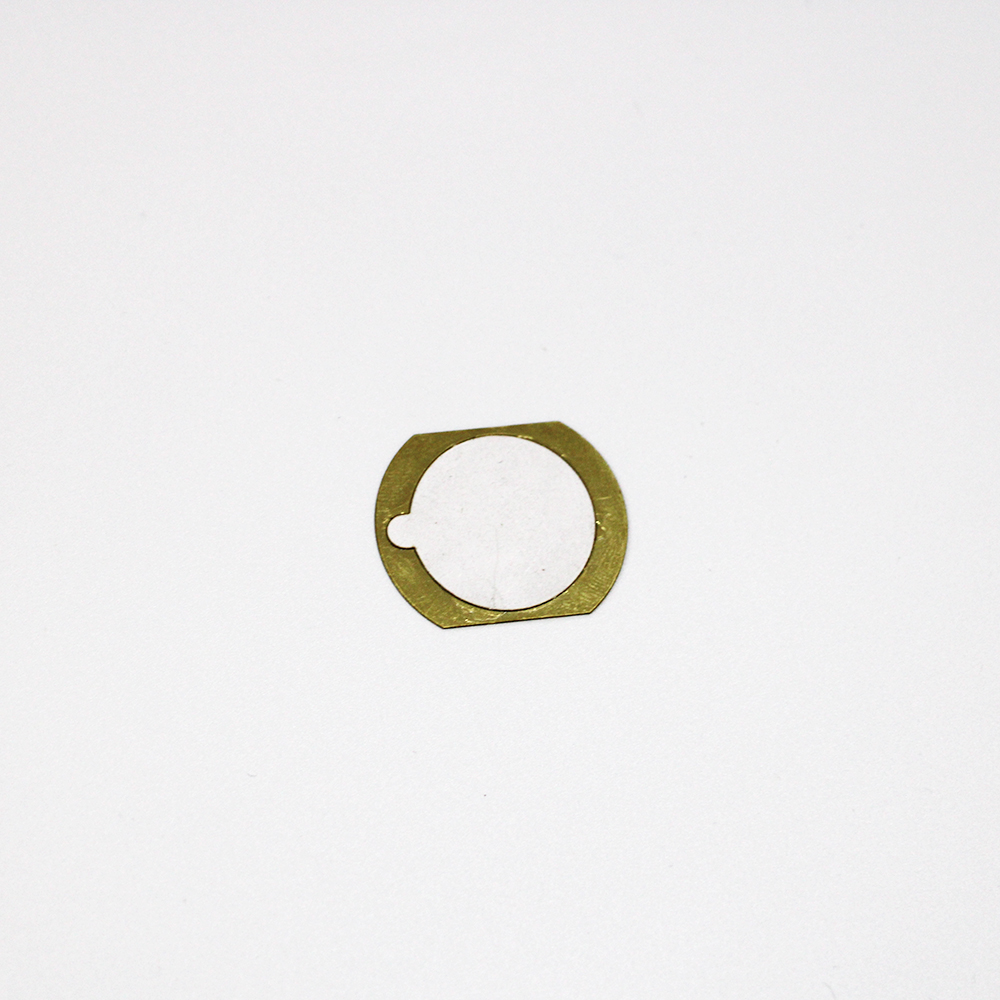
Understanding the 8mm Piezo Ceramic Buzzer Chip for Alarm Sound Applications
For engineers and procurement teams searching for a reliable 8mm piezo ceramic buzzer chip suited to alarm sound applications, the product portfolio from Gd SWT Smart Tech Co., Ltd. (Dongguan Sweetsound), operating under the SWT brand, presents a technically grounded option worth examining closely. SWT's piezoelectric diaphragm and buzzer lineup is built on more than two decades of dedicated piezoelectric ceramic manufacturing, tracing back to 1991 when the company's predecessor, South China Electronics Company Limited, began professional buzzer production in Guangzhou. The SWT brand itself was formally registered in 2002 after the company relocated to Dongguan City, Guangdong Province.
Core Technical Foundation: Piezoelectric Diaphragms and Buzzer Design
SWT's Piezoelectric Diaphragms/Discs product line forms the technical backbone relevant to compact buzzer chips used in alarm signaling. These components are characterized by an ultra-thin profile, low power consumption, and stable frequency output, qualities that are essential for alarm sound components that must perform reliably within compact enclosures such as an 8mm form factor. The company offers both soft and hard ceramic material options, along with diverse electrode patterns, including double-sided and single-sided configurations, allowing flexibility depending on the acoustic and electrical requirements of a given alarm system.
Within SWT's broader SMD/SMT Buzzer category, the company lists specific models such as the PSE1230+4003SA (3V) and MS7525+2705SA (5V), which are engineered for small footprint, reflow soldering compatibility, and high sound pressure level (SPL) — all core attributes that matter directly to alarm sound design. SWT also produces Active and Passive Buzzers (Magnetic & Piezo), where active buzzers include an internal drive circuit for simplified integration, while passive buzzers rely on external drive for greater frequency flexibility. This distinction is particularly relevant for alarm sound chips, since designers can choose the configuration that best matches their circuit architecture.
Where These Components Are Actually Used
According to SWT's documented application scenarios, buzzer and alarm series components are deployed in automotive seatbelt reminders, smoke alarms, and household appliances. This points to a product line that has already been validated across safety-critical and consumer-facing alarm use cases, rather than being a theoretical offering. In the broader industry coverage outlined by the company, Security & Safety is explicitly listed as a served sector, covering smoke alarms and industrial sirens, which aligns directly with the kind of alarm sound functionality a buyer searching for an 8mm piezo buzzer chip would be targeting.
Manufacturing Scale and Quality Assurance
A key consideration for any buyer of alarm sound components is supply reliability and consistency at volume. SWT reports an annual shipping capacity of approximately 250 million pieces for piezoelectric ceramic elements, supported by over 400 sets of instruments and equipment, including large-scale automatic tunnel furnaces and automated assembly machines. The company's Dongguan headquarters spans 24,000 square meters and houses 170 staff members, while a secondary facility in Bijie City, Guizhou Branch, covers 4,000 square meters with 40 staff members. This dual-site manufacturing footprint supports the kind of bulk production lead time of 15–20 days that SWT advertises for its product lines, alongside a sample lead time of 3–7 days for engineering evaluation.
On the quality side, SWT holds IATF 16949:2016 certification for automotive quality management, obtained in 2023, as well as ISO 9001:2015 and ISO 14001:2015 certifications. All products are stated to comply with RoHS and REACH requirements. For a component destined for alarm systems — where failure is not an acceptable outcome — this certification stack provides an objective basis for evaluating supplier reliability, rather than relying on marketing claims alone.
Industry Standing and Standard-Setting Role
One differentiating factor worth noting is SWT's role as a primary drafter of Chinese industry standards for buzzers, ultrasonic atomizers, and piezoelectric sensors. Specifically, the company was appointed in 2010 to draft local industry standards for piezoelectric and electromagnetic sounders in Guangdong Province, and in 2012 the buzzer industry standards drafted by the company received official approval and publication. The company is also recognized as the official drafter of "Piezoelectric Sounders and Piezoelectric Buzzers" and "Electromagnetic Sounders and Electromagnetic Buzzers" standards, with formal acknowledgment from the Quality and Technical Supervision Bureau of Guangdong Province. For buyers evaluating an alarm sound chip supplier, this standard-setting history suggests a depth of technical involvement in the category that goes beyond simple component assembly.
Long-Term Customer Relationships as a Reliability Signal
SWT's documented client history includes long-term supplier relationships established with companies such as VTech (since 2004), Panasonic and Casio (since 2005), Sanyo (since 2007), and Whirlpool (since 2010). The company notes that its relationship with Panasonic and Sanyo has been maintained for over 18 years with zero-defect quality performance, which speaks to the consistency expected from a component supplier operating in safety and signaling applications. Client testimonials referenced by the company highlight "professional problem-solving," "excellent quality," and "strong service awareness" as the reasons cited for these decades-long partnerships.
Service Model for Technical Buyers
For organizations evaluating an 8mm piezo ceramic buzzer chip for integration into alarm systems, SWT offers one-on-one technical service solutions along with customized product development (OEM/ODM). The service scope covers technical consulting, design optimization, reliability testing, and mass manufacturing, and the company notes 24-hour on-site response within the Pearl River Delta region. This structure is intended to support buyers through the full cycle from prototype sampling to volume production, which is particularly relevant for alarm sound components that often require fine-tuning of frequency and SPL to match specific enclosure and regulatory requirements.
Summary for Alarm Sound Component Buyers
Taken together, the technical specifications, manufacturing capacity, certification portfolio, standard-drafting credentials, and long-term customer track record documented by SWT provide a substantive basis for evaluating the company's piezo ceramic buzzer offerings — including compact formats suited to alarm sound applications — as a technically credible option within the automotive, security, and consumer appliance segments it currently serves.
www.swt99.com
GD SWT SMART
About Author