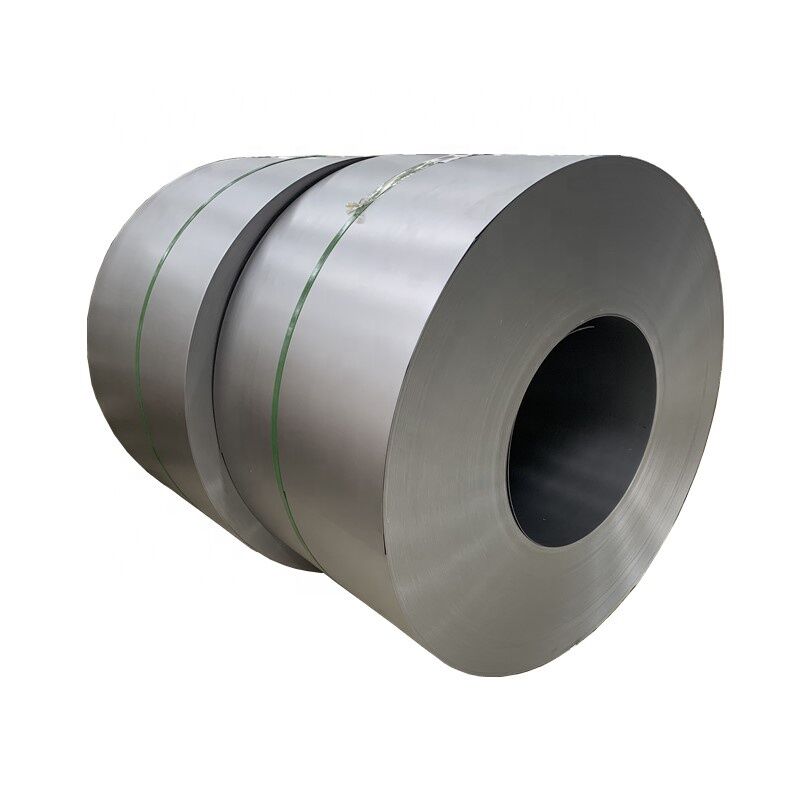
When stainless steel is used in chemical plants, offshore facilities, marine equipment, or oil and gas systems, corrosion resistance is often more important than simply choosing a commonly used grade. Materials exposed to acids, chlorides, seawater, and other aggressive media can deteriorate quickly if the alloy is not properly selected.
This is where 904L stainless steel coil becomes particularly useful. Designed for severe corrosion environments, 904L combines high chromium, nickel, and molybdenum contents with copper additions to provide a level of corrosion resistance beyond conventional stainless steel grades.
For engineers and purchasing teams, the key question is not whether 904L is a premium stainless steel, but whether its performance characteristics match the actual operating environment. Understanding its composition, corrosion resistance, fabrication properties, and application limitations can help users make a more practical material selection.
What Is 904L Stainless Steel?
904L is a high-alloy austenitic stainless steel developed for applications where conventional stainless steels may not provide sufficient corrosion resistance.
Its alloy design includes relatively high levels of:
-
Chromium
-
Nickel
-
Molybdenum
-
Copper
The combination of these elements improves resistance to several forms of corrosion, including general corrosion, pitting, crevice corrosion, and stress corrosion cracking.
Unlike standard 304 stainless steel, which is primarily intended for general-purpose applications, or 316 stainless steel, which provides improved resistance to chloride environments, 904L is intended for more demanding chemical and industrial conditions.
This makes 904L stainless steel coil a suitable starting material for manufacturers producing tanks, process equipment, heat exchangers, piping components, and other corrosion-resistant structures.
Why Is 904L Stainless Steel Coil Used in Corrosive Environments?
The main reason to select 904L is its resistance to aggressive chemical media.
Strong Resistance to Sulfuric Acid
Sulfuric acid can be highly corrosive to many metallic materials. The combination of nickel, molybdenum, and copper in 904L helps improve its resistance in many sulfuric acid service conditions.
As a result, 904L can be considered for applications such as:
-
Acid processing equipment
-
Chemical storage systems
-
Industrial tanks
-
Heat exchangers
-
Process piping
-
Chemical handling equipment
Actual suitability still depends on acid concentration, temperature, flow conditions, and the presence of other contaminants. Material selection should therefore be based on the specific process environment rather than grade name alone.
Improved Chloride Resistance
Chloride-containing environments can cause localized corrosion in stainless steel, particularly pitting and crevice corrosion.
904L contains a significant amount of molybdenum, which improves resistance to localized corrosion. Its high nickel content also contributes to better resistance against stress corrosion cracking compared with many conventional austenitic grades.
This makes 904L particularly relevant to:
-
Marine equipment
-
Offshore facilities
-
Desalination systems
-
Chemical processing equipment
-
Seawater-related systems
For extremely aggressive chloride conditions, however, engineers should still compare 904L with duplex or other super-austenitic stainless steels where appropriate.
904L Stainless Steel Coil for Chemical Processing
Chemical processing equipment must often handle acids, salts, solvents, and other aggressive substances. Equipment failure caused by corrosion can result in production interruptions, maintenance costs, and safety concerns.
904L stainless steel coil can be fabricated into components used in chemical processing systems, including storage tanks, process vessels, heat exchangers, and piping assemblies.
Its corrosion resistance can help reduce the frequency of replacement and maintenance when the material is correctly matched to the process conditions.
One important point is that corrosion performance is affected by temperature and chemical concentration. A supplier should therefore be able to provide material documentation and technical information for engineers to evaluate before production.
Applications in Oil and Gas Projects
Oil and gas facilities can expose materials to combinations of pressure, temperature, chlorides, seawater, and corrosive process fluids.
In these environments, stainless steel is often selected based on its resistance to localized corrosion and stress corrosion cracking rather than appearance alone.
904L may be used for selected applications involving:
-
Offshore equipment
-
Process systems
-
Chemical handling equipment
-
Seawater-related components
-
Corrosion-resistant piping systems
-
Supporting industrial structures
For critical oil and gas applications, material selection should consider the actual fluid composition, pressure, temperature, and applicable project standards.
Marine and Desalination Applications
Saltwater is particularly aggressive because chloride ions can accelerate localized corrosion.
904L stainless steel offers stronger resistance than many conventional stainless steel grades, making it suitable for selected marine and desalination applications.
Potential uses include:
-
Desalination equipment
-
Marine processing systems
-
Seawater handling equipment
-
Offshore components
-
Heat exchange systems
Its long-term performance depends on factors such as water chemistry, temperature, surface condition, crevice formation, and fabrication quality.
Fabrication Performance Is Also Important
Corrosion resistance is only one part of stainless steel selection. A material must also be practical to manufacture and install.
904L has good weldability and can be processed using common fabrication methods when suitable procedures are followed.
Depending on the final application, 904L coil can be:
-
Cut to required dimensions
-
Slit into narrower widths
-
Formed
-
Rolled
-
Welded
-
Fabricated into custom components
Because 904L is a relatively highly alloyed material, fabrication procedures should be properly controlled. Welding consumables, heat input, surface cleaning, and post-fabrication treatment can all influence the final corrosion performance.
Surface Finish and Coil Quality Matter
For industrial stainless steel, chemical composition is not the only factor affecting product performance.
The condition of the surface can also influence corrosion behavior, appearance, and subsequent fabrication.
Common surface finishes for 904L stainless steel products may include:
-
2B
-
BA
-
No.1
-
No.4
-
Hairline
-
Mirror finishes
The appropriate finish depends on whether the material will be used for process equipment, architectural components, fabrication, or other applications.
During procurement, buyers should also pay attention to coil thickness, width tolerance, surface defects, edge condition, flatness, and packaging.
904L vs. 304 and 316 Stainless Steel
A common mistake when purchasing stainless steel is choosing a grade based only on general popularity.
304 remains an excellent option for many general-purpose applications. 316 offers better resistance to chloride environments because of its molybdenum content. However, applications involving stronger acids or more aggressive corrosion conditions may require a higher-alloy material such as 904L.
A simplified comparison is:
| Property | 304 | 316 | 904L |
|---|---|---|---|
| General corrosion resistance | Good | Very good | Excellent |
| Chloride resistance | Moderate | Better | High |
| Pitting resistance | Moderate | Good | Excellent |
| Sulfuric acid resistance | Limited in many conditions | Better in some conditions | Strong |
| Stress corrosion cracking resistance | Moderate | Better | Very good |
| Typical cost level | Lower | Medium | Higher |
This comparison is only a general guide. The best grade should always be determined according to the actual service environment.
What Should Buyers Check Before Ordering 904L Coil?
For international industrial projects, purchasing teams should evaluate more than the material grade.
Important specifications include:
1. Thickness and Width
The coil dimensions should match the downstream fabrication process and final component design.
2. Applicable Standard
Confirm the required ASTM, ASME, EN, DIN, GB, or other applicable standard before placing an order.
3. Surface Finish
Specify whether the application requires 2B, BA, No.1, polished, brushed, or another finish.
4. Material Certification
For critical industrial applications, request appropriate mill certificates and inspection documentation.
5. Testing Requirements
Depending on the project, buyers may require chemical composition analysis, mechanical testing, dimensional inspection, surface inspection, or additional third-party inspection.
6. Packaging and Transportation
904L coils should be properly protected against moisture, mechanical damage, contamination, and surface scratches during transportation.
These details can have a significant impact on the usability of the material after delivery.
Chuanghe Special Alloy as a Stainless Steel Supplier
Chuanghe Special Alloy focuses on supplying stainless steel and alloy steel products for industrial applications. Its product range includes stainless steel plates, coils, pipes, fittings, and flanges for customers in different markets.
The company supplies materials according to international standards such as:
-
ASME
-
ASTM
-
EN
-
DIN
-
JIS
-
GB
-
ISO
Its stainless steel product range covers grades including 201, 304, 316, 310S, 2205 duplex stainless steel, and 904L.
For customers purchasing 904L stainless steel coil, technical specifications can be customized according to requirements such as thickness, width, surface finish, production standard, and application.
Final Thoughts
904L stainless steel coil is not intended to replace conventional stainless steel in every application. Its real value comes from situations where corrosion conditions are severe enough to justify a higher-alloy material.
For chemical processing, marine engineering, offshore facilities, desalination, and selected oil and gas applications, 904L can provide an effective combination of corrosion resistance, fabrication performance, and long-term durability.
However, successful material selection requires more than comparing stainless steel grades. Engineers should evaluate the actual chemical environment, operating temperature, chloride concentration, fabrication process, applicable standards, and expected service life.
For industrial buyers, working with a manufacturer or supplier that can provide consistent material quality, complete documentation, and appropriate technical support is an important part of reducing material-related risks.
With experience in stainless steel and alloy steel products, Chuanghe Special Alloy provides 904L stainless steel coil and other corrosion-resistant materials for industrial customers seeking dependable solutions for demanding operating environments.
www.chuanghealloy.com
Chuanghe Special Alloy
About Author