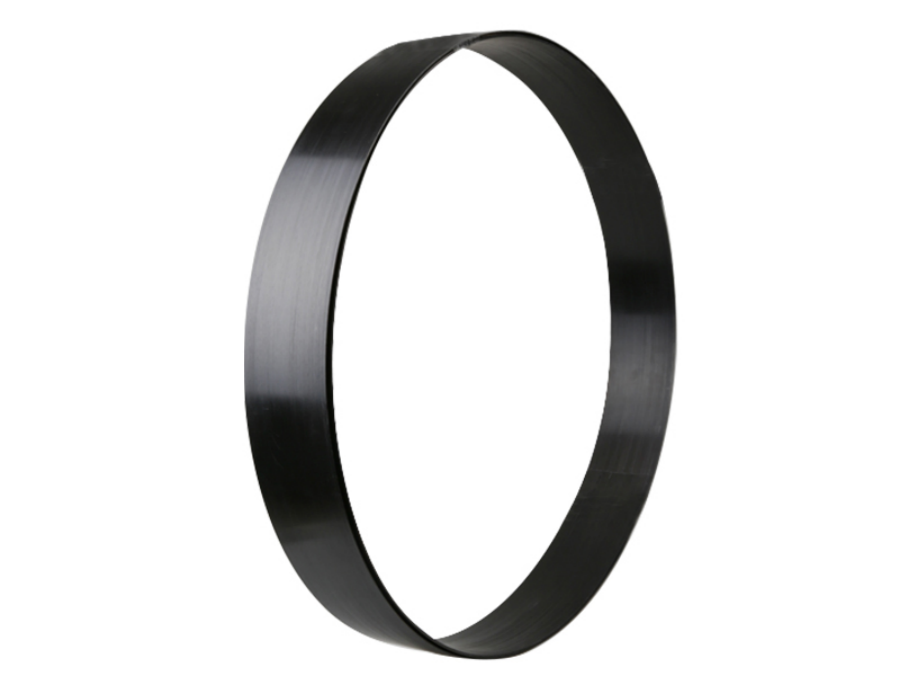
Carbon Fiber Plates for Bridges: Next-Gen Solution
When aging infrastructure meets modern engineering demands, the question isn't whether to strengthen bridges—it's how to do it effectively. Traditional reinforcement methods often involve heavy steel plates, extensive labor, and prolonged project timelines. However, a revolutionary approach using carbon fiber plate technology is transforming how engineers approach bridge rehabilitation, offering a lightweight yet powerful alternative that addresses the fundamental challenges of structural reinforcement.
Understanding the Bridge Reinforcement Challenge
Bridges across the globe face mounting durability challenges. Corrosion weakens steel reinforcements, seismic activity threatens structural integrity, and increasing traffic loads demand higher load-bearing capacity. Many critical infrastructure projects have historically relied on expensive imported reinforcement materials, creating dependencies on foreign suppliers while struggling with limited local technical support. The engineering community has long sought domestic alternatives that deliver comparable—or superior—performance without compromising safety standards or budget constraints.
The core problem extends beyond material selection. Traditional steel plate bonding requires significant surface preparation, adds substantial weight to existing structures, and often creates stress lag issues where the reinforcement material only engages after further structural deformation occurs. These limitations have driven innovation toward advanced composite materials that can deliver active reinforcement while minimizing installation complexity.
The Carbon Fiber Plate Advantage
Carbon fiber reinforcement systems represent a paradigm shift in structural engineering. These high-strength, lightweight composites offer tensile strength comparable to steel at a fraction of the weight, enabling engineers to add significant load-bearing capacity without increasing dead loads on aging bridge foundations. The material's inherent corrosion resistance eliminates the degradation concerns that plague traditional steel reinforcement, making it particularly valuable for bridges in coastal environments or areas with harsh chemical exposure.
What distinguishes advanced carbon fiber systems from conventional approaches is the integration of prestressing technology. Unlike passive reinforcement that only engages after structural deformation, prestressed carbon fiber plate systems apply active reinforcement immediately upon installation. This proactive approach effectively closes existing cracks and prevents stress lag, addressing one of the fundamental limitations of traditional bonding methods.
Innovative Installation Technology
The practical challenges of bridge reinforcement often determine project feasibility more than material properties. Conventional prestressing methods require extensive working space and complex equipment, making them impractical for many in-service bridge retrofits. Recent innovations have addressed these limitations through reverse tensioning technology that requires only minimal working space at beam ends for installation.
Nanjing Mankate Science & Technology Co., Ltd.has developed a prestressed carbon fiber plate system that demonstrates how engineering innovation can overcome field installation constraints. Their no-grooving design keeps the entire reinforcement system within 5mm of the concrete surface, significantly reducing adhesive consumption and labor requirements compared to traditional embedded systems. This slim profile proves especially valuable for bridges with clearance restrictions where maintaining vertical space is critical.
The system incorporates patented eccentric sleeve regulation technology that allows installers to bypass existing steel reinforcement bars during drilling operations. This capability proves invaluable when working with older bridges where original construction drawings may be incomplete or inaccurate, eliminating the risk of damaging existing reinforcement during retrofit operations.
Performance Standards and Validation
Engineering decisions for critical infrastructure demand rigorous performance validation. Modern carbon fiber reinforcement systems must meet stringent national standards including GB 50367-2013 and GB 50728-2011, which govern structural strengthening design and construction quality. Beyond regulatory compliance, real-world performance in landmark projects provides the most compelling evidence of material capabilities.
The Jakarta-Bandung High-Speed Railway project in Indonesia presented unique challenges with its tropical rainforest climate and demanding operational requirements. The project utilized high-corrosion resistant reinforcement systems capable of maintaining structural integrity despite extreme humidity and temperature fluctuations. Similarly, the Beijing Daxing International Airport required chemical anchoring systems with ultra-long-term reliability to support critical infrastructure where failure simply isn't an option.
Nuclear-grade applications represent the ultimate validation of material safety and performance. The Tianwan Nuclear Power Plant deployment required specialized rebar anchoring adhesives meeting the industry's most stringent safety requirements, demonstrating that modern domestic reinforcement materials can satisfy even the most demanding engineering specifications.
Comprehensive Technical Support
Material performance alone doesn't guarantee project success. The complexity of structural reinforcement demands comprehensive technical support throughout the project lifecycle, from initial design conception through final acceptance testing. Effective reinforcement solutions integrate product supply with engineering expertise, providing clients with complete confidence in both material selection and installation execution.
A one-stop professional service model addresses this need by combining design consultation, construction scheme development, load capacity calculations, and on-site technical guidance. This integrated approach proves particularly valuable for municipal construction bureaus and contractors who may lack specialized experience with advanced composite materials. Providing free technical documentation, 3D construction videos, and 24-hour technical support ensures that installation teams can execute projects correctly the first time, avoiding costly delays and rework.
The value of comprehensive service becomes evident in project outcomes. When 80% of business volume originates from repeat customers and referrals, it reflects not just product quality but the entire client experience. This pattern suggests that successful bridge reinforcement depends as much on technical support and partnership as on material specifications.
Global Standards and Certifications
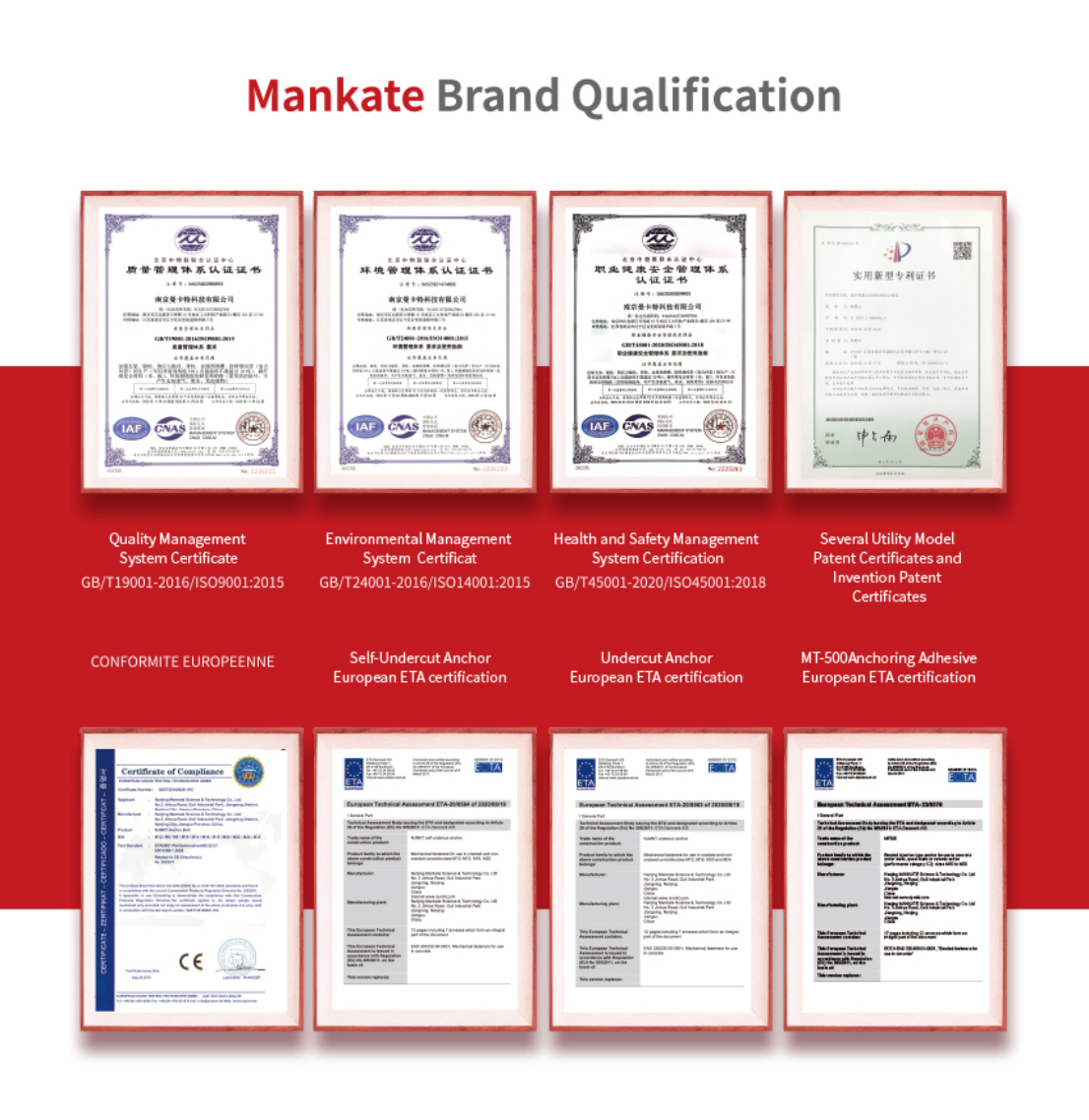
International markets increasingly demand recognized certifications that validate both product performance and manufacturing quality. European Technical Assessment (ETA) certification provides third-party validation of mechanical and chemical anchor performance, while CE marking demonstrates compliance with European safety, health, and environmental protection requirements. These certifications enable domestic manufacturers to compete globally while providing domestic clients with confidence that products meet international benchmarks.
ISO certifications spanning quality management (ISO 9001), environmental management (ISO 14001), and occupational health and safety (ISO 45001) demonstrate systematic approaches to manufacturing excellence. For bridge projects with 100-year design lives, knowing that materials come from rigorously managed production processes provides essential assurance of long-term reliability.
The Path Forward
Bridge infrastructure represents critical national assets requiring protection for future generations. As existing structures age and traffic demands increase, the engineering community needs reinforcement solutions that deliver proven performance, practical installation characteristics, and comprehensive technical support. Carbon fiber plate systems with prestressing capabilities offer a compelling answer to these requirements, combining material advantages with innovative installation methods that make bridge retrofits more feasible and cost-effective.
The evolution from imported dependency to domestic alternatives with international certifications reflects broader trends in engineering materials. Companies like Nanjing Mankate Technology Co., Ltd., with their focus on research, development, and comprehensive service delivery, demonstrate that domestic manufacturers can meet and exceed international standards while providing the local support that complex infrastructure projects demand.
For engineers evaluating bridge reinforcement options, the decision framework should encompass material performance, installation practicality, technical support availability, and long-term reliability validation. Carbon fiber plate systems that integrate these elements represent not just an alternative to traditional methods, but a superior solution for protecting critical infrastructure well into the next century.
http://www.nj-mkt.com
Nanjing Mankate Science & Technology Co., Ltd.
About Author