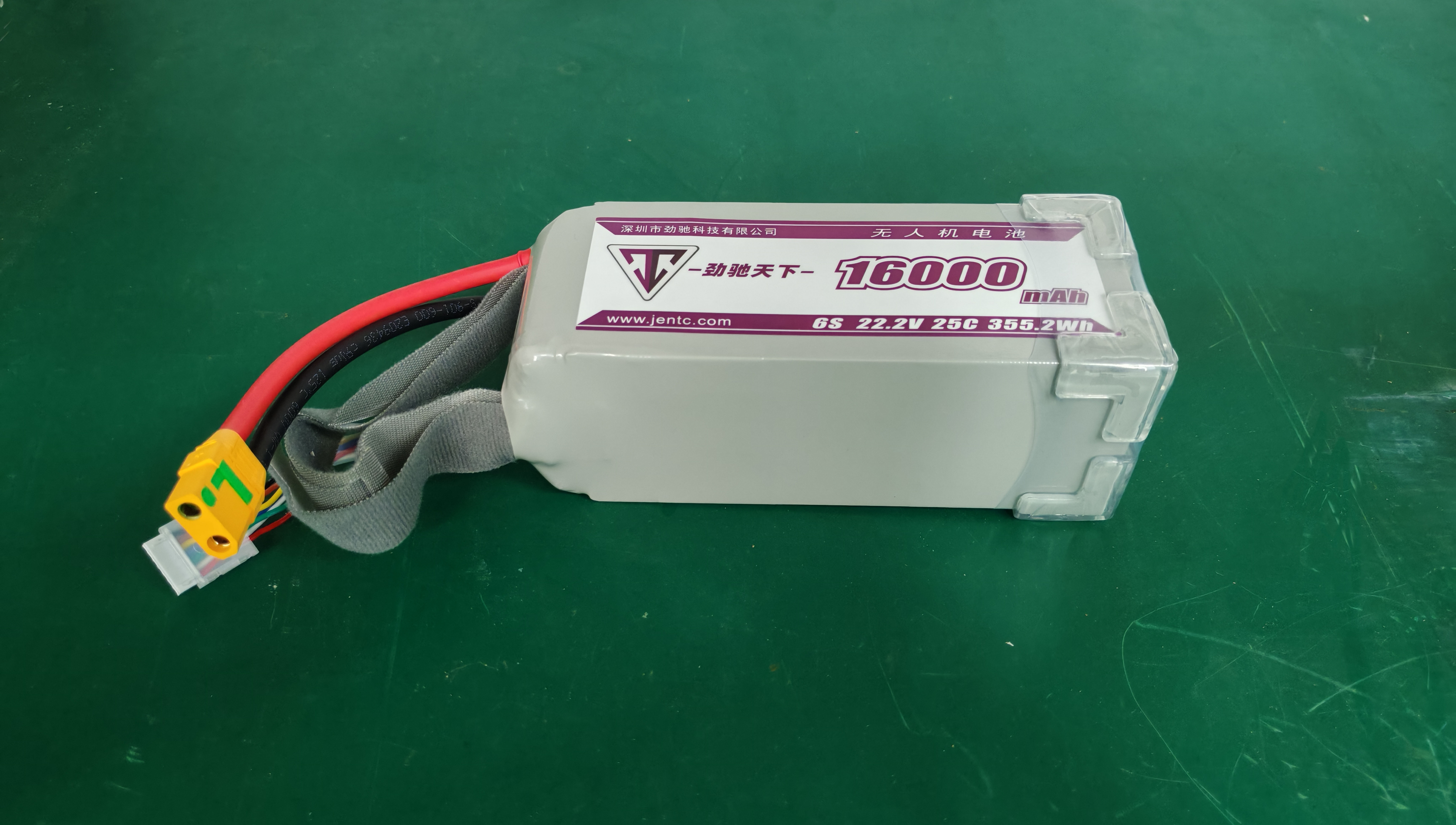
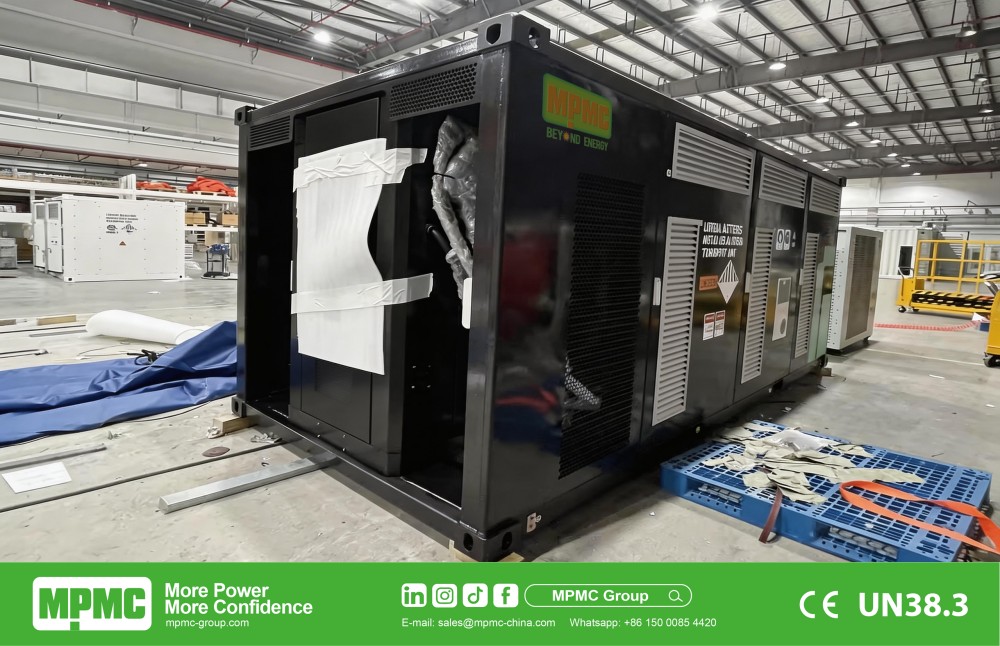
Rechargeable lithium batteries power everything from consumer electronics and medical devices to industrial tools and energy storage systems. As global regulations tighten and application environments become more demanding, buyers are increasingly focused on one critical requirement: certification. A certified rechargeable lithium battery is no longer a preference—it is a necessity for safe international distribution and long-term product reliability.
On johongbattery.com, Johong Battery develops rechargeable battery solutions designed to meet structured certification standards while maintaining stable electrochemical performance. This article explores what certification means in lithium battery manufacturing, how it impacts product safety and trade compliance, and what buyers should evaluate when sourcing a certified rechargeable lithium battery.
Why Certification Matters in Lithium Battery Manufacturing
Lithium batteries store high energy density in compact structures. While this provides performance advantages, it also introduces safety risks if manufacturing or design standards are compromised.
A certified rechargeable lithium battery indicates that the product has undergone testing under recognized international standards. Certification generally verifies:
-
Electrical safety
-
Mechanical integrity
-
Thermal stability
-
Transportation compliance
-
Environmental performance
Without certification, batteries may face customs restrictions, shipping delays, or safety liabilities in end-use applications.
Common Certification Standards for Rechargeable Lithium Batteries
Although specific certification requirements depend on market destination and application, the most common include:
UN38.3 (Transportation Testing)
UN38.3 testing ensures lithium batteries can safely withstand transportation conditions such as:
-
Altitude simulation
-
Thermal cycling
-
Vibration
-
Shock
-
Short circuit
-
Impact
For international shipping, UN38.3 compliance is essential.
IEC Standards
IEC standards evaluate electrical safety and performance under controlled laboratory conditions. These are commonly required for electronics and industrial devices entering regulated markets.
CE Marking
CE marking confirms compliance with European safety directives and electromagnetic compatibility standards.
RoHS Compliance
RoHS certification verifies that hazardous substances are restricted in manufacturing materials.
A certified rechargeable lithium battery typically meets multiple certification standards simultaneously, ensuring cross-border compliance.
Structural Design of Certified Rechargeable Lithium Batteries
Certification begins at the design stage. Structural integrity is essential for passing safety tests.
Cell Chemistry Selection
Lithium-ion chemistries may include:
-
Lithium cobalt oxide (LCO)
-
Lithium iron phosphate (LiFePO4)
-
Lithium manganese oxide (LMO)
-
Ternary lithium (NCM/NCA)
Each chemistry offers different performance characteristics in terms of energy density, thermal stability, and cycle life.
Battery Management System (BMS)
A properly integrated BMS is crucial for a certified rechargeable lithium battery. The BMS controls:
-
Overcharge protection
-
Over-discharge protection
-
Short circuit prevention
-
Temperature monitoring
-
Cell balancing
Without reliable electronic protection, certification standards cannot be consistently met.
Mechanical Protection
Certified batteries incorporate:
-
Flame-retardant casing materials
-
Insulated cell separators
-
Shock-resistant structural design
-
Secure terminal connections
Mechanical stability supports compliance during impact and vibration testing.
Manufacturing Process Control and Quality Assurance
Certification is not limited to testing finished products. It requires documented manufacturing control systems.
Quality-focused production typically includes:
-
Incoming material inspection
-
Cell matching and grading
-
Controlled welding processes
-
Capacity testing
-
Internal resistance measurement
-
Aging tests before shipment
On johongbattery.com, Johong Battery emphasizes structured production management to ensure consistency across rechargeable battery batches.
Stable production systems reduce the risk of certification failure and improve long-term reliability.
Performance Factors in Certified Lithium Batteries
Beyond compliance, performance metrics determine application suitability.
Cycle Life
Cycle life refers to the number of charge-discharge cycles a battery can complete before capacity significantly declines. A high-quality certified rechargeable lithium battery maintains stable performance across repeated cycles.
Energy Density
Energy density determines how much power can be stored relative to weight and size. This is critical for portable devices and compact industrial systems.
Charge and Discharge Efficiency
Efficient energy conversion reduces heat buildup and extends service life.
Thermal Stability
Thermal control is central to lithium battery safety. Certification testing ensures batteries can operate within defined temperature ranges without degradation.
Application Scenarios for Certified Rechargeable Lithium Batteries
Certified lithium batteries are used across a wide range of sectors:
Consumer Electronics
Portable devices require compact, lightweight batteries with international shipping compliance.
Medical Equipment
Medical devices demand strict safety verification and stable discharge characteristics.
Industrial Tools
High-drain power tools require durable battery packs capable of handling rapid discharge cycles.
Energy Storage Systems
Lithium batteries integrated into energy storage systems require long cycle life and advanced protection systems.
In each case, a certified rechargeable lithium battery reduces operational risk and ensures regulatory compliance.
International Trade and Compliance Considerations
For global buyers, certification impacts logistics as much as safety.
Certified batteries:
-
Reduce customs inspection delays
-
Simplify documentation processes
-
Meet import regulations
-
Minimize liability exposure
Working with a manufacturer that understands certification documentation requirements improves supply chain stability.
Johong Battery supports international clients by aligning production with required certification frameworks.
Risk Mitigation Through Certified Supply Chains
Uncertified lithium batteries can lead to:
-
Shipment rejection
-
Safety recalls
-
Insurance complications
-
Legal penalties
Certified manufacturing reduces these risks through validated testing and traceable production records.
Buyers sourcing rechargeable batteries should verify:
-
Test reports
-
Certification numbers
-
Manufacturing facility credentials
-
Ongoing quality audits
Reliable suppliers provide transparent documentation for each certified rechargeable lithium battery batch.
Industry Trends in Rechargeable Lithium Battery Certification
Global standards for lithium battery safety continue to evolve. Key trends include:
-
Stricter transport regulations
-
Increased focus on fire resistance
-
Enhanced environmental compliance
-
Improved battery recycling standards
Manufacturers must adapt production systems to meet evolving compliance requirements.
Companies investing in structured certification processes remain competitive in international markets.
Selecting a Reliable Certified Battery Manufacturer
When sourcing a certified rechargeable lithium battery, buyers should evaluate:
-
Certification coverage
-
Engineering expertise
-
BMS integration capability
-
Manufacturing process control
-
Export experience
On johongbattery.com, Johong Battery presents rechargeable battery solutions developed with certification compliance as a core manufacturing objective rather than an afterthought.
Consistent production standards ensure batteries meet both performance and regulatory expectations.
Conclusion
In today’s regulatory and safety-conscious environment, a certified rechargeable lithium battery is essential for secure distribution and dependable performance. Certification validates not only electrical safety but also manufacturing integrity and international transport compliance.
From cell chemistry selection and BMS integration to structured testing and documentation, certification requires disciplined engineering and quality control.
Through controlled manufacturing processes and compliance-focused production, Johong Battery supports global clients seeking rechargeable battery solutions that meet international certification standards while delivering stable operational performance.
For businesses operating in electronics, medical equipment, industrial tools, or energy storage sectors, certified lithium battery sourcing ensures regulatory alignment and long-term reliability.
www.johongbattery.com
Dongguan Johong New Energy Technology Co., Ltd
About Author