When cross-border shipments between China and Southeast Asia involve dangerous goods or oversized cargo, standard freight forwarding simply won't cut it. Businesses moving project cargo, breakbulk shipments, or hazardous materials face a complex web of compliance requirements, carrier restrictions, and documentation hurdles that can derail even the most carefully planned supply chains. For overseas agents and direct shippers alike, finding a logistics partner capable of handling these specialized cargo types reliably and cost-effectively has become a critical competitive advantage.
The Hidden Complexity of Specialized Cargo
Moving cargo across international borders involves more than booking space on a vessel or aircraft. When shipments include dangerous goods—such as lithium batteries, chemicals, or industrial materials—or oversized items like machinery, automotive components, or industrial equipment, the challenges multiply exponentially. Carriers impose strict safety protocols, customs authorities demand specialized documentation, and regulatory frameworks vary significantly across jurisdictions.
For companies shipping from China to Indonesia, Malaysia, Thailand, and other Southeast Asian markets, these complications are further amplified by regional variations in customs procedures, language barriers, and the need for local coordination at destination ports. Many shippers discover too late that their chosen logistics provider lacks the proper certifications, carrier relationships, or ground-level expertise to navigate these complexities without costly delays or compliance violations.
What Separates Capable Providers from the Rest
The logistics landscape for China-Southeast Asia trade corridors is crowded with intermediaries, but few possess the operational infrastructure and regulatory credentials necessary for handling specialized cargo. Three fundamental capabilities distinguish qualified providers in this space.
First, proper licensing and carrier access form the foundation. An NVOCC certification issued by China's Ministry of Transport signals regulatory compliance and operational legitimacy. However, certification alone proves insufficient without direct contractual relationships with major ocean carriers and airlines. Providers maintaining first-hand contracts with carriers like COSCO, OOCL, ONE, EMC, and ZIM for ocean freight, alongside airlines such as Cathay Pacific, Turkish Airlines, and China Southern, can secure guaranteed space allocation and competitive rates without the markup layers that plague multi-tier booking chains.
Second, physical infrastructure at origin determines cargo handling quality and consolidation efficiency. Providers operating their own warehouse facilities across China's major port cities—including Shenzhen, Shanghai, Ningbo, Guangzhou, Qingdao, Xiamen, Tianjin, and Dalian—maintain direct control over critical pre-shipment processes. In-house container stuffing operations, cargo reinforcement procedures, secondary packaging, and labeling services reduce damage risk and ensure compliance with carrier loading requirements. This infrastructure also enables efficient groupage services for smaller shipments, providing cost optimization without sacrificing service quality.
Third, documentation and compliance expertise separates competent handlers from those merely moving boxes. Dangerous goods shipments require Material Safety Data Sheets, UN certification documentation, proper classification, and carrier-specific approvals. Oversized cargo demands specialized equipment arrangements, route surveys, and port handling coordination. Import and export customs clearance across multiple jurisdictions introduces additional layers of complexity, including Certificate of Origin processing, Letter of Credit handling, and regulatory compliance verification. Providers with demonstrated expertise across these documentation requirements help shippers avoid the delays and penalties that stem from incomplete or incorrect paperwork.
Industry-Specific Considerations
Different cargo categories present distinct logistical challenges that demand specialized knowledge. Cosmetics shipments to Southeast Asian markets face strict regulatory scrutiny regarding ingredient disclosure and safety certification. Automotive parts require careful packaging to prevent damage during transit while meeting customs valuation requirements. New energy products—particularly lithium battery systems for electric vehicles and solar installations—fall under dangerous goods classifications that trigger enhanced safety protocols and carrier restrictions.
Furniture and industrial machinery shipments frequently exceed standard container dimensions, necessitating flat rack containers, open-top equipment, or breakbulk handling. Each configuration requires specific loading expertise, lashing and securing procedures, and coordination with port handling facilities equipped for oversized cargo operations. Providers lacking experience with these cargo types often underestimate the preparation time and specialized equipment requirements, leading to missed sailings and unexpected cost escalations.
The Southeast Asia Service Corridor
The China-Southeast Asia trade lane presents unique operational dynamics that distinguish it from other international shipping routes. Port congestion patterns in Jakarta, Port Klang, and Laem Chabang fluctuate with seasonal demand cycles and infrastructure capacity constraints. Customs procedures vary significantly between Indonesia's pre-clearance requirements, Malaysia's selective examination protocols, and Thailand's documentation standards.
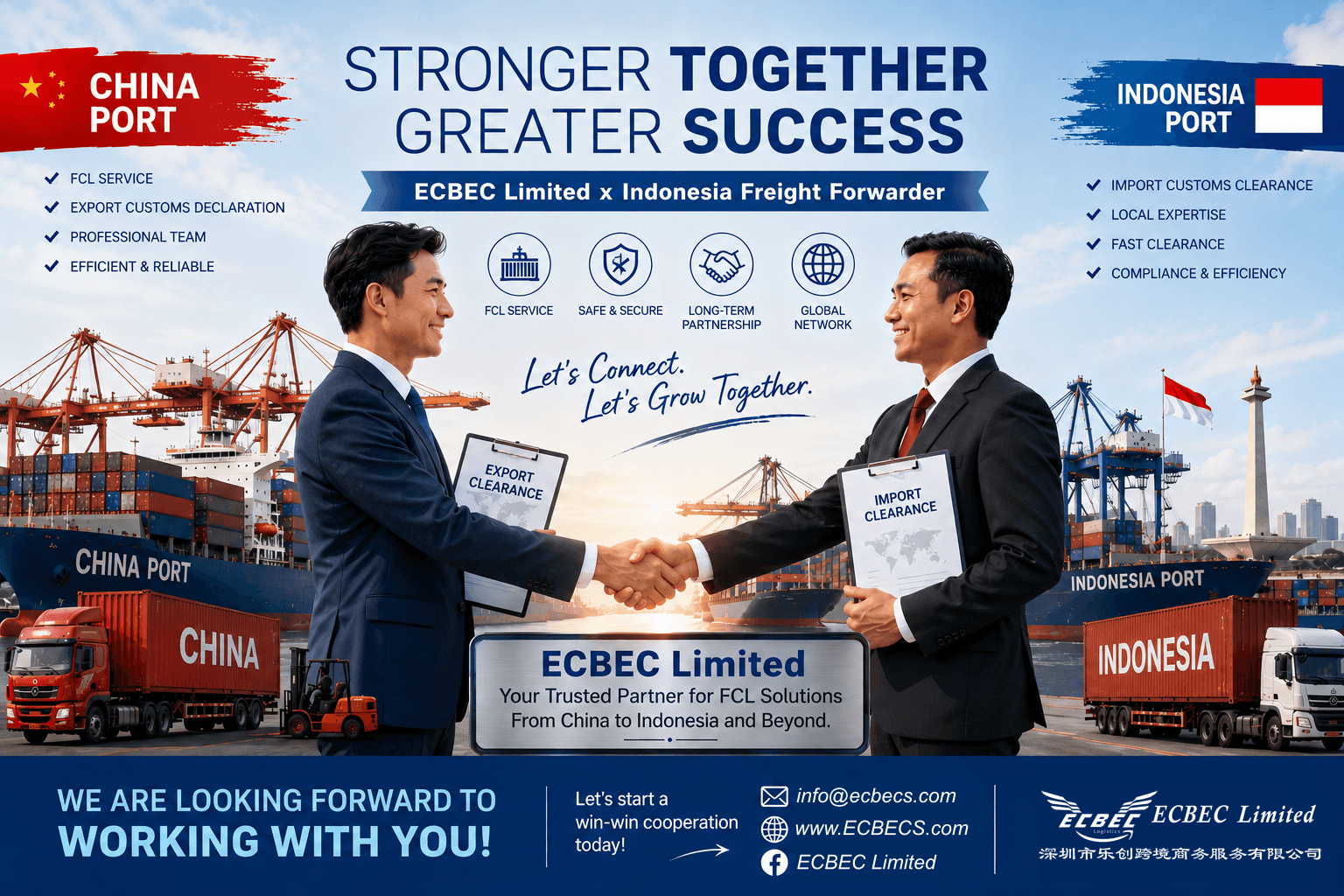
EAGLE CROSS-BORDER E-COMMERCE SERVICE CO., LTD has spent nine years building specialized capabilities along these routes, developing the carrier relationships, warehouse infrastructure, and documentation expertise required for complex cargo movements. Their NVOCC certification and membership in global freight networks including WCA and JC Trans provide the regulatory foundation and international connectivity that overseas agents require when coordinating cross-border shipments.
With direct contracts spanning ten major ocean carriers and nine airlines, the company maintains access to consistent space allocation even during peak shipping seasons when capacity constraints create allocation challenges for smaller forwarders. Their eight warehouse facilities distributed across China's primary port cities enable flexible consolidation options and quality-controlled stuffing operations that reduce cargo damage claims.
Operational Approach for Complex Shipments
Effective handling of dangerous goods and oversized cargo requires systematic processes that begin well before cargo arrives at port. Pre-shipment planning includes carrier approval verification, equipment specification confirmation, and documentation preparation tailored to both origin and destination requirements.
For dangerous goods shipments, classification verification ensures proper UN coding, packaging group assignment, and hazard communication labeling. Carrier-specific restrictions vary by vessel type, route, and seasonal conditions, requiring advance confirmation of acceptance and stowage requirements. Export declaration procedures demand accurate commodity coding, proper valuation documentation, and regulatory compliance verification before customs clearance authorization.
Oversized cargo handling begins with dimensional surveys and weight distribution analysis to determine appropriate equipment types. Flat rack containers suit cargo with width or height overages, while open-top equipment accommodates crane-loaded machinery. Breakbulk shipments require coordination of specialized handling equipment at both loading and discharge ports, along with voyage scheduling that accounts for cargo securing requirements during ocean transit.
Cost Optimization Without Compromise
Competitive pricing for specialized cargo depends on eliminating unnecessary intermediary layers while maintaining service quality. Direct carrier contracts provide first-hand rates without broker markups, but rate competitiveness alone proves meaningless if service failures trigger penalties, demurrage charges, or cargo claims.
Effective cost management balances rate optimization with risk mitigation through proper cargo handling, accurate documentation, and proactive exception management. Consolidation services reduce per-unit costs for smaller shipments by combining multiple consignments into full container loads, but only when warehouse operations maintain cargo segregation and handling quality standards.
Building Reliable Cross-Border Partnerships
For overseas agents coordinating shipments on behalf of their own clients, logistics provider selection directly impacts service delivery reputation and client retention. Agents require partners capable of executing complex movements without constant oversight, providing transparent communication throughout the shipment lifecycle, and resolving exceptions before they escalate into client-facing problems.
Multi-language communication capabilities eliminate the misunderstandings that plague international coordination. Professional teams fluent in English, Mandarin Chinese, and local Southeast Asian languages ensure accurate information exchange across all stakeholders. This linguistic accessibility proves particularly valuable during exception scenarios requiring rapid coordination between origin handlers, carriers, customs authorities, and destination agents.
The Path Forward for Complex Cargo
As trade flows between China and Southeast Asia continue expanding, the proportion of shipments involving specialized cargo requirements grows correspondingly. New energy product exports, industrial equipment transfers, and project cargo movements demand logistics capabilities that extend beyond conventional freight forwarding services.
Companies that have invested in proper licensing, carrier relationships, physical infrastructure, and operational expertise are positioned to serve this evolving market demand. For shippers and overseas agents navigating the complexities of dangerous goods and oversized cargo movements, partnership selection determines not just cost efficiency but operational reliability and compliance security.
The distinction between competent logistics providers and mere freight brokers becomes evident when shipments involve regulatory complexity, specialized equipment, or documentation requirements beyond standard commercial cargo. In these scenarios, the infrastructure, certifications, and expertise that capable providers bring to bear transform potential obstacles into manageable logistics processes that deliver cargo safely, compliantly, and on schedule across the China-Southeast Asia corridor.
www.ECBEC.com
EAGLE CROSS-BORDER E-COMMERCE SERVICE CO.,LTD
About Author