Chlorine is widely used in municipal water systems as an effective disinfectant. While it plays an important role in controlling bacteria and pathogens, chlorine often brings unwanted side effects to drinking water. The most common complaints include unpleasant taste, odor, and concerns about long-term water quality. For households, food service operations, and commercial water systems, these issues can affect daily water use and customer satisfaction.
Unpleasant Chlorine Taste in Drinking Water
One of the most immediate and noticeable problems with chlorinated water is taste. Even at safe disinfection levels, chlorine can leave a sharp, chemical flavor that many people find unpleasant.
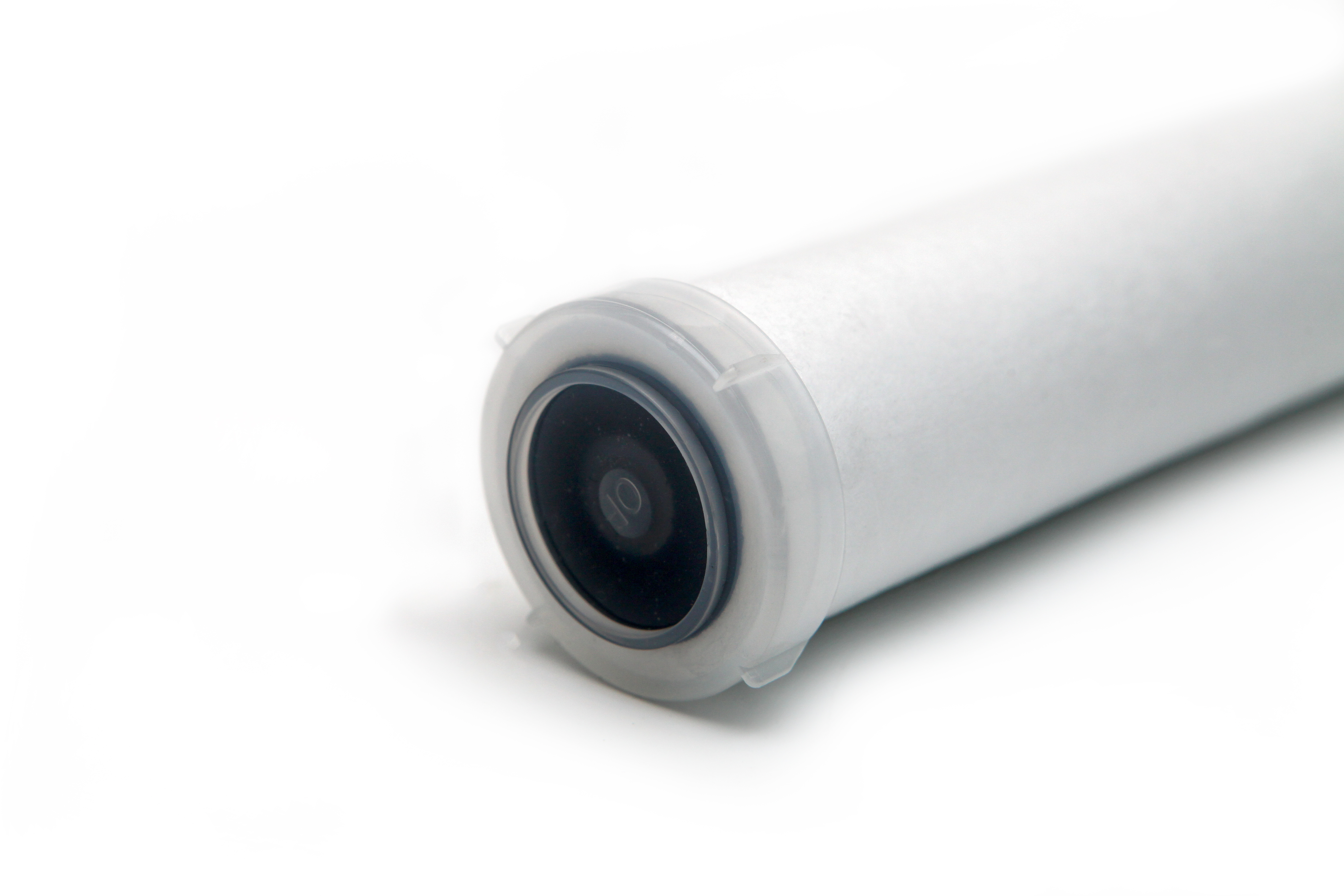
This taste can discourage adequate water consumption and push users toward bottled alternatives. A chlorine removal cartridge reduces the concentration of chlorine compounds as water passes through the filter media, resulting in cleaner-tasting water suitable for everyday drinking.
Strong Odor Affecting Water Use
In addition to taste, chlorine often produces a strong smell. This odor becomes especially noticeable when water is heated, such as during showering, cooking, or washing dishes.
By filtering out chlorine before water reaches taps and appliances, a cartridge for chlorine taste removal significantly reduces odor. This improves the overall user experience in kitchens, bathrooms, and food preparation areas.
Impact on Beverage and Food Quality
Chlorine in water does not only affect taste when drinking it directly. It can also influence the flavor of beverages like coffee and tea, as well as cooked foods such as rice, pasta, and soups.
Food service businesses and households alike rely on consistent water quality.
Skin and Hair Discomfort
Although this article focuses primarily on taste and odor, it is worth noting that chlorine can also contribute to skin dryness and hair irritation. While not all filter cartridges are designed for full bathing systems, point-of-use filtration can still reduce exposure during handwashing and face washing.
By lowering chlorine levels, filtered water feels gentler during daily use, which is especially beneficial for individuals with sensitive skin.
Residual Sediment and Water Clarity Issues
Municipal water may carry fine sediment along with chlorine. While sediment itself may not always be visible, it can affect water clarity and contribute to an unpleasant mouthfeel.
Many chlorine taste removal cartridges are designed with compound filtration media that address both sediment and chlorine. This combination improves overall water clarity while also enhancing taste and odor.
Wear on Household Appliances
Chlorinated water can contribute to the gradual wear of appliances such as coffee machines, water dispensers, and ice makers. While chlorine is not the only factor in appliance degradation, reducing chemical exposure can help maintain equipment performance.
Installing a filter cartridge upstream of these appliances provides an added layer of protection, helping ensure consistent water quality over time.
Inconsistent Water Quality Across Locations
Water quality can vary significantly depending on location, season, and changes in municipal treatment processes. This inconsistency makes it difficult for users to rely on stable taste and odor levels.
A cartridge for chlorine taste removal provides a controlled filtration point, delivering consistent water quality regardless of upstream variations. This is particularly important for commercial environments where consistency is critical.
Improving Confidence in Tap Water
Many users hesitate to drink tap water because of concerns about chemical taste and smell. This lack of confidence often leads to increased reliance on bottled water, which brings additional environmental and logistical considerations.
By improving taste and odor, a chlorine removal filter cartridge helps restore confidence in tap water. Users are more likely to choose filtered tap water when it tastes clean and neutral.
Practical Installation and Maintenance
Another problem often associated with water treatment solutions is complexity. Whole-house systems may require professional installation and significant space.
Filter cartridges designed for chlorine taste removal are typically compact and easy to integrate into existing systems. This makes them suitable for residential, commercial, and light industrial applications where simplicity matters.
Supporting Sustainable Water Use
Reducing reliance on bottled water is an important goal for many households and businesses. Improving tap water quality through filtration supports more sustainable water consumption habits.
A cartridge-based filtration approach allows users to enjoy better-tasting water directly from the tap, reducing waste associated with disposable bottles.
Why Filter Cartridges Are an Effective Solution
Compared to other treatment methods, filter cartridges offer a balance of effectiveness and practicality. They address specific problems related to chlorine without requiring major infrastructure changes.
For manufacturers like Ningbo H O, the focus is on providing reliable filtration components that integrate smoothly into various water treatment systems. By targeting common issues such as taste, odor, and sediment, these cartridges deliver measurable improvements in daily water use.
Conclusion
Chlorine plays an essential role in water safety, but it often introduces problems related to taste, odor, and overall user experience. A cartridge for chlorine taste removal addresses these issues directly, improving water quality at the point of use.
From enhancing drinking water taste to supporting food preparation and appliance protection, chlorine removal filter cartridges offer practical solutions for everyday water challenges. For households and businesses seeking better water quality without complex systems, these cartridges remain a reliable and effective choice.
www.hocbtechwater.com
Ningbo H O
About Author