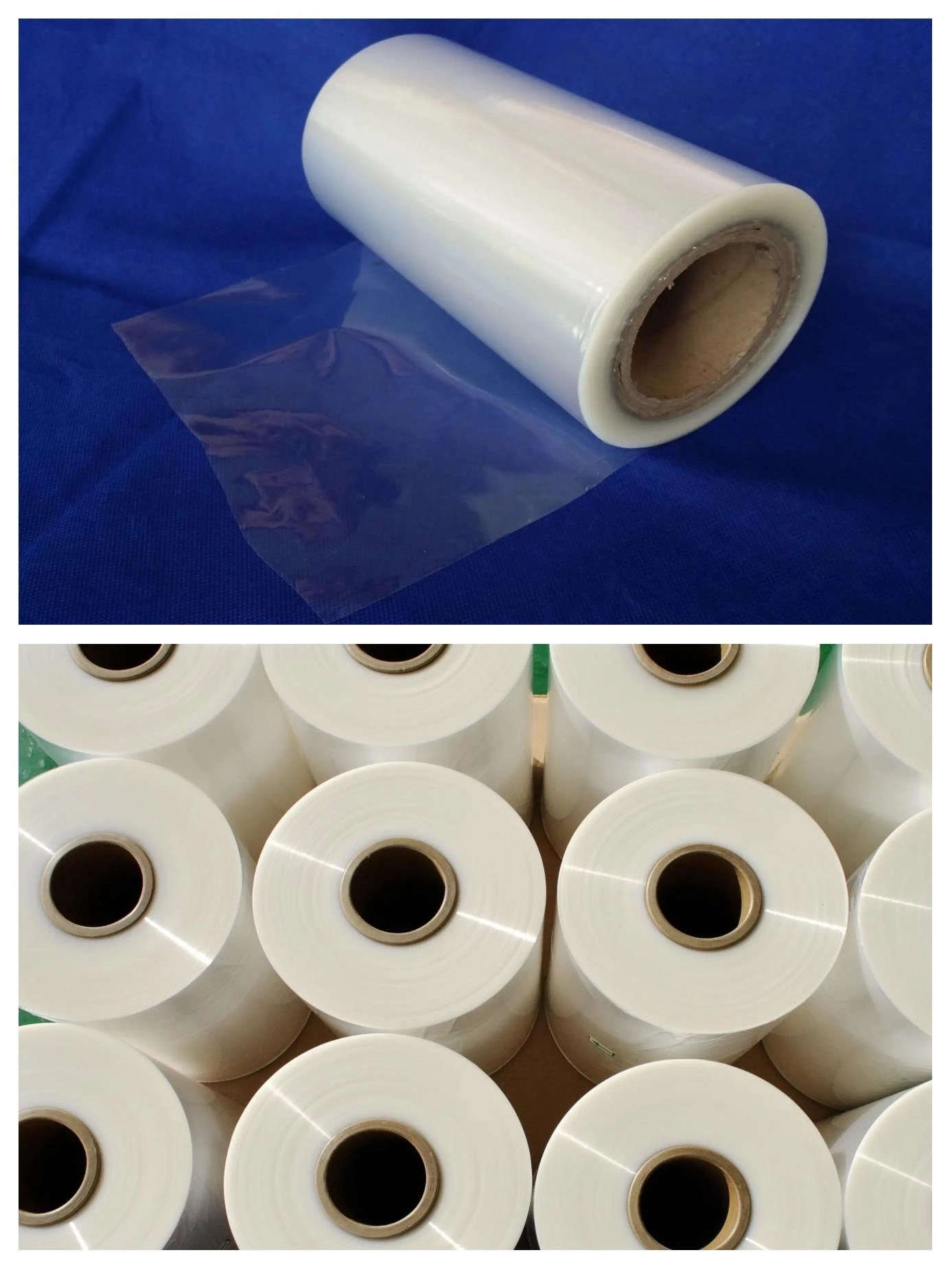
Polyester-based engineering materials are now widely used across packaging systems, industrial parts, and high-performance coating applications. Within this category, PETG coated with resin has become a particularly important solution because it combines high transparency, strong impact resistance, and stable processing behavior. Despite these advantages, producing PETG coat with resin at a consistent industrial level is technically demanding. Common production difficulties include unstable melt viscosity, trapped gas during extrusion, and non-uniform coating layers, all of which can negatively affect final product performance and downstream usability.
As a manufacturer focused on PETG resin systems, Ubest (founded in 2020) has developed a production model centered on process stability and quality control. With an annual capacity reaching 100,000 tons and a supply network covering China, Southeast Asia, India, Europe, and the United States, Ubest positions itself around consistent output quality rather than simple volume expansion. Its production strategy integrates material science, equipment optimization, and real-time process monitoring to ensure stable PETG coat with resin performance across different application scenarios.
Core Technical Difficulties in PETG Coat with Resin Processing
1. Melt Viscosity Fluctuation and Flow Instability
One of the most sensitive issues in PETG coating production is controlling melt viscosity throughout extrusion. When viscosity shifts unexpectedly, the entire coating behavior becomes unstable, leading to problems such as uneven surface layers, weak bonding strength, and interruptions during continuous processing.
This instability is typically driven by variations in temperature distribution, inconsistent raw material quality, or improper screw operation parameters. Even small deviations can result in noticeable defects in the final coating.
To address this, manufacturers rely on tightly regulated extrusion conditions, including stable thermal zoning, controlled screw speed profiles, and consistent resin feedstock quality. Continuous monitoring of melt flow index (MFI) is also used to detect early deviations before they affect production output.
Ubest enhances this stability through customized formulation development, ensuring that each PETG grade is tuned for predictable flow behavior under specific processing conditions.
2. Gas Entrapment and Bubble Formation Issues
Another frequent challenge in PETG coating systems is the formation of bubbles or voids caused by trapped gases during extrusion. These defects significantly reduce optical clarity and can weaken mechanical integrity.
The root causes are usually linked to moisture contamination in raw materials, insufficient venting during processing, or excessive shear stress within the melt zone. Once gas is trapped, it becomes difficult to eliminate without affecting product consistency.
Effective solutions include strict pre-drying of PETG resin and additives, optimized vacuum degassing structures within extrusion equipment, and careful adjustment of shear levels in the screw design. These measures work together to reduce internal gas accumulation.
At Ubest, moisture control is treated as a critical control point. Combined with advanced degassing configurations, this approach significantly minimizes bubble-related defects in finished PETG coat with resin products.
3. Maintaining Uniform Coating Thickness
In PETG coating applications, consistent layer thickness is essential for both performance and appearance. Variations in thickness can cause uneven optical properties, inconsistent mechanical strength, and processing instability in later stages.
Such inconsistencies often originate from uneven die gaps, fluctuations in extrusion speed, irregular substrate feeding, or thermal imbalance across the production line.
To ensure stability, manufacturers implement precision die calibration, automated thickness feedback systems, and carefully designed heating zones that maintain uniform temperature distribution across the entire coating width.
Ubest utilizes high-precision extrusion lines designed specifically to maintain tight thickness tolerances, ensuring consistent PETG coat application even during long production cycles.
4. Surface Defects and Optical Quality Control
Surface quality plays a decisive role in PETG resin-coated products, especially in packaging, display materials, and transparent industrial components. Common defects include haze, streak marks, micro-scratches, and contamination-related surface irregularities.
These issues are often introduced by impurities in raw materials, inadequate equipment cleaning routines, unstable cooling conditions, or inconsistent winding tension during roll collection.
Preventive strategies involve strict incoming material inspection, regular equipment maintenance schedules, and carefully controlled cooling and tension systems to avoid physical stress on the coating surface.
Ubest applies continuous inline inspection systems that detect surface irregularities in real time, allowing immediate correction before defects propagate further into production batches.
5. Thermal Degradation and Mechanical Stress Control
PETG materials are sensitive to excessive heat exposure and mechanical shear during processing. When these parameters are not well controlled, the material may suffer from discoloration, reduced toughness, or dimensional instability.
These problems are often linked to prolonged residence time in the extruder, localized overheating zones, or overly aggressive mechanical mixing.
To prevent degradation, manufacturers optimize processing temperatures according to specific resin grades, select low-shear screw configurations where necessary, and closely control material residence time within the system.
Through pilot testing and process simulation, Ubest fine-tunes these variables to preserve the structural integrity and visual quality of PETG coat with resin products.
Systematic Approach to Stable PETG Resin Coating Production
Rather than treating each issue separately, leading manufacturers adopt an integrated production strategy. Ubest follows a multi-layered control system that combines material selection, equipment precision, and digital monitoring.
Key operational strategies include:
-
Strict raw material screening focused on moisture content, purity, and consistency
-
High-precision extrusion systems equipped with advanced degassing and die control mechanisms
-
Real-time process monitoring of thickness, melt behavior, and surface conditions
-
Continuous R&D optimization for application-specific resin formulations
-
Environmentally responsible production practices designed to reduce waste and improve efficiency
This structured approach allows Ubest to maintain consistent PETG coat with resin quality across diverse industrial applications, from packaging films to functional coating layers.
FAQ: PETG Coat with Resin Manufacturing
Q1: Why is moisture control so important in PETG processing?
Moisture becomes vapor during extrusion, which leads to bubbles, voids, and reduced transparency. Proper drying of raw materials is essential to maintain optical and mechanical quality.
Q2: How is consistent coating thickness maintained in production?
It is achieved through precision die engineering, automated thickness feedback systems, and tightly controlled thermal zones across the production line.
Q3: Is PETG coat with resin suitable for high-temperature environments?
It can be used in moderate thermal conditions, but performance depends heavily on resin grade selection and precise control of processing parameters.
Q4: Which indicators define high-quality PETG coating?
Key indicators include melt flow stability, optical clarity, adhesion strength, surface smoothness, and dimensional consistency.
Q5: How does Ubest ensure consistent global supply?
With large-scale production capacity and integrated logistics planning, Ubest maintains stable output while implementing continuous quality assurance across all batches.
Conclusion
Producing high-quality PETG coat with resin requires careful control of viscosity behavior, moisture management, thermal balance, and surface protection throughout the entire extrusion process. These factors are deeply interconnected, meaning stability can only be achieved through a systematic and well-engineered production framework.
Ubest demonstrates how combining material expertise, advanced manufacturing systems, and rigorous quality management enables reliable and scalable PETG resin solutions. This ensures that customers across global markets receive consistent, high-performance materials suitable for demanding industrial and packaging applications.
www.wxubest.com
Wuxi Ubest New Material Technology Co., Ltd.
About Author