Understanding the Unbalanced Load Challenge in Three-Phase Systems
System integrators evaluating energy storage solutions for commercial and industrial sites frequently encounter a critical technical obstacle: three-phase load imbalance. In real-world installations—mixed residential-commercial buildings, facilities with uneven single-phase equipment distribution, or sites with variable machinery cycles—loads rarely distribute evenly across all three phases. An inverter unable to handle this imbalance risks voltage instability, equipment stress, and reduced system reliability. This makes unbalanced output capability a non-negotiable specification during the product selection and project fit evaluation process.
Shenzhen Soro Electronics Co., Ltd., operating under the brand SOROTEC, has built its three-phase hybrid inverter and energy storage portfolio with this exact pain point in mind, offering system integrators several models suited to different power scales and deployment environments.
The iHESS L3P G2: A Model Built for Unbalanced Loads
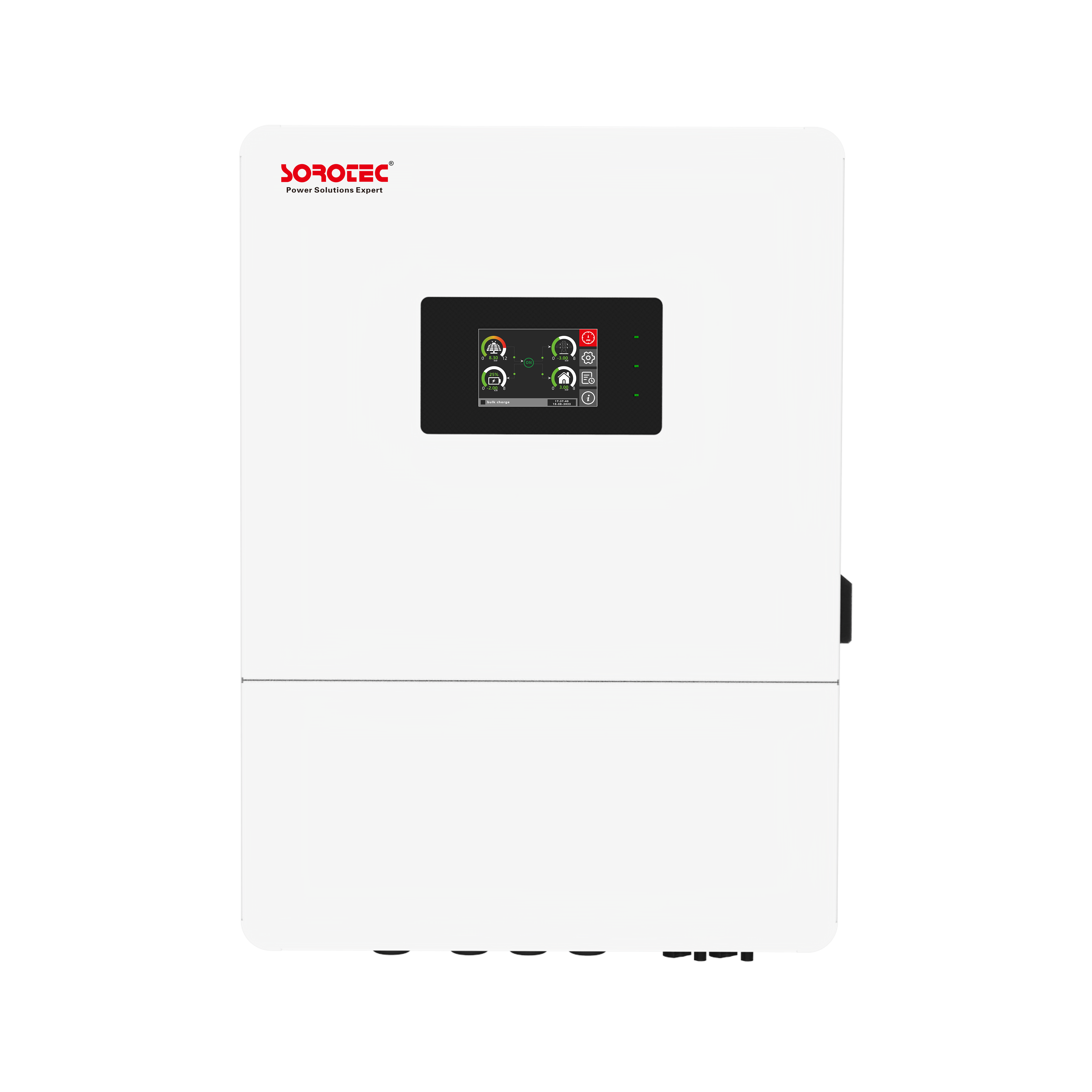
Among SOROTEC's three-phase product line, the iHESS L3P G2 Three-Phase Hybrid Energy Storage Inverter stands out as the model explicitly engineered to address unbalanced output demands. Positioned as "an advanced energy solution integrating intelligence, high reliability, and high efficiency," this inverter directly targets scenarios involving "instantaneous power interruption during mains failure, three-phase output imbalance in complex grid environments, and installation challenges in harsh outdoor environments."
Core Differentiators for Load Balancing
The iHESS L3P G2's Load Balancing Capability is defined by its support for "100% three-phase unbalanced output," allowing it to flexibly adapt to complex electrical environments where phase loads are not evenly distributed. This is paired with two additional differentiated values that integrators should weigh:
- High Reliability Backup: Seamless switching in less than 10ms ensures continuous operation of critical loads during mains failure—a critical consideration for sites where downtime carries operational or safety consequences.
- Strong Environmental Adaptability: An IP66 protection level combined with an operating range of -25°C to 60°C ensures stable operation in harsh environments, extending viable deployment to coastal, desert, and high-dust locations.
Safety and Connectivity Functions
Beyond load balancing, the model integrates multiple safety and monitoring functions relevant to project due diligence:
- Multiple Safety Protection: Integrated AFCI arc fault protection, insulation monitoring, and dual physical-electrical isolation improve system operation safety.
- Smart Connectivity: Support for WiFi/RS485/CAN communication, with monitoring available via LCD touch screen or web page, enables convenient operations and maintenance.
- Parallel Expansion: Support for up to 6 units in parallel allows integrators to scale capacity according to evolving project requirements.
The product is delivered as hardware supply combined with technical solution customization, giving integrators flexibility to adapt configurations to site-specific conditions.
Broader Three-Phase Portfolio for Comparative Evaluation
While the iHESS L3P G2 is the model with explicitly documented unbalanced output support, system integrators assessing overall project fit should also factor in SOROTEC's wider three-phase four-wire product family, since power scale and application context often determine which platform is appropriate for a given installation.
MPGS Series: PV-Storage Integration at Scale
The MPGS series is positioned as a "PV-storage inverter system with built-in MPPT," addressing "difficulties in PV direct connection, slow grid-tied/off-grid switching, and inability for multi-unit parallel dynamic expansion." It operates on a three-phase four-wire wiring method with rated AC power options spanning 60KVA to 600KVA. Its Uninterrupted Fast Switching feature delivers off-grid switching in under 10ms, while its Integrated PV-Storage Direct Connection supports PV input up to 900V/1000VDC. For integrators managing larger commercial sites with higher power demands, this series offers a comparison point against the iHESS L3P G2's residential-to-light-commercial focus.
MPG-M Series: Modular Redundant PCS
The MPG-M series, described as a "Modular N+1 redundant distributed energy storage PCS," also operates on three-phase four-wire wiring. Its headline differentiator is a High Online Rate, achieved through a "Modular N+1 redundancy system, no wearing parts," reaching 99% online availability. It further supports Wide voltage and multi-battery compatibility, with 30KW/60KW/100KW models operating at 600~900VDC and 125KW models at 680~1000VDC, compatible with lead-acid, lithium, and sodium-ion batteries. This makes it a relevant comparison for projects prioritizing uptime assurance over explicit phase-balancing specifications.
SES Series: Integrated Cabinet for C&I Applications
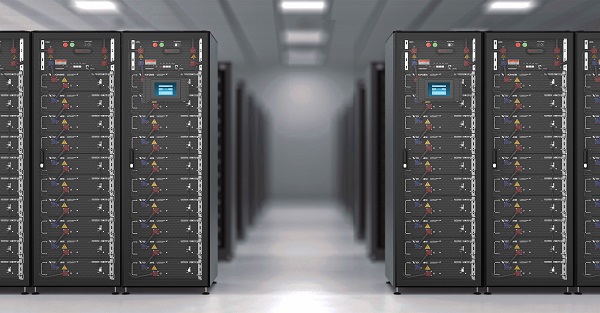
The SES series, a "Modular integrated cabinet with storage + PCS integration," rated for three-phase four-wire output at 400/230/380/220V, is built for commercial and industrial peak-valley arbitrage, peak shaving, and emergency power supply scenarios. Its Multi-energy PV-Storage Fusion supports wind/solar/diesel complementary generation with bidirectional grid-tied and off-grid capability, and its transition time is rated at 10ms. For integrators assessing all-in-one cabinet solutions rather than standalone inverters, this series provides an additional comparative data point.
Project Fit Considerations for System Integrators
When evaluating which SOROTEC three-phase model best matches a given project, integrators should weigh the following factors side by side:
- Explicit Unbalanced Load Support: Only the iHESS L3P G2 is documented with 100% three-phase unbalanced output capability, making it the primary candidate for sites with known or anticipated phase imbalance.
- Power Scale Requirements: The MPGS and SES series extend to higher kVA ranges (up to 600kVA), relevant for larger commercial and industrial deployments beyond the residential-to-light-commercial scope of the iHESS L3P G2.
- Redundancy and Uptime Priorities: The MPG-M series' N+1 modular redundancy design, reaching a 99% online rate, may be preferable where continuous operation without single-point failure is the dominant concern.
- Environmental Conditions: The iHESS L3P G2's IP66 rating and -25°C to 60°C operating range address harsh outdoor deployment, while other series carry their own protection and temperature specifications suited to different site conditions.
- Communication and Monitoring Needs: All models across the portfolio support RS485/CAN communication protocols, with the iHESS L3P G2 additionally offering WiFi connectivity and touch-screen monitoring for simplified field diagnostics.
Conclusion
For system integrators specifically tasked with addressing three-phase unbalanced output in project specifications, the iHESS L3P G2 Three-Phase Hybrid Energy Storage Inverter from Shenzhen Soro Electronics Co., Ltd. represents the documented solution within the SOROTEC portfolio, supported by its 10ms seamless switching, IP66 environmental adaptability, and parallel expansion up to 6 units. Integrators handling larger-scale or redundancy-focused projects can further reference the MPGS, MPG-M, and SES series to determine the configuration that best aligns with power capacity, uptime, and deployment environment requirements across their project pipeline.
https://www.sorotecpower.com/
Shenzhen Soro Electronics Co., Ltd.
About Author