Understanding the Cross-Border Logistics Challenge
Data-driven digital marketing in cross-border e-commerce reveals a critical pain point: Southeast Asian market penetration consistently fails due to logistics unreliability. According to industry analytics, over 60% of cross-border sellers cite unstable freight costs and limited solutions for oversized cargo (OOG) and dangerous goods (DG) shipments as primary barriers to regional expansion. The complexity of import procedures across Indonesia, Malaysia, and Thailand compounds these challenges, creating a demand for specialized logistics partners who combine operational excellence with legal compliance.
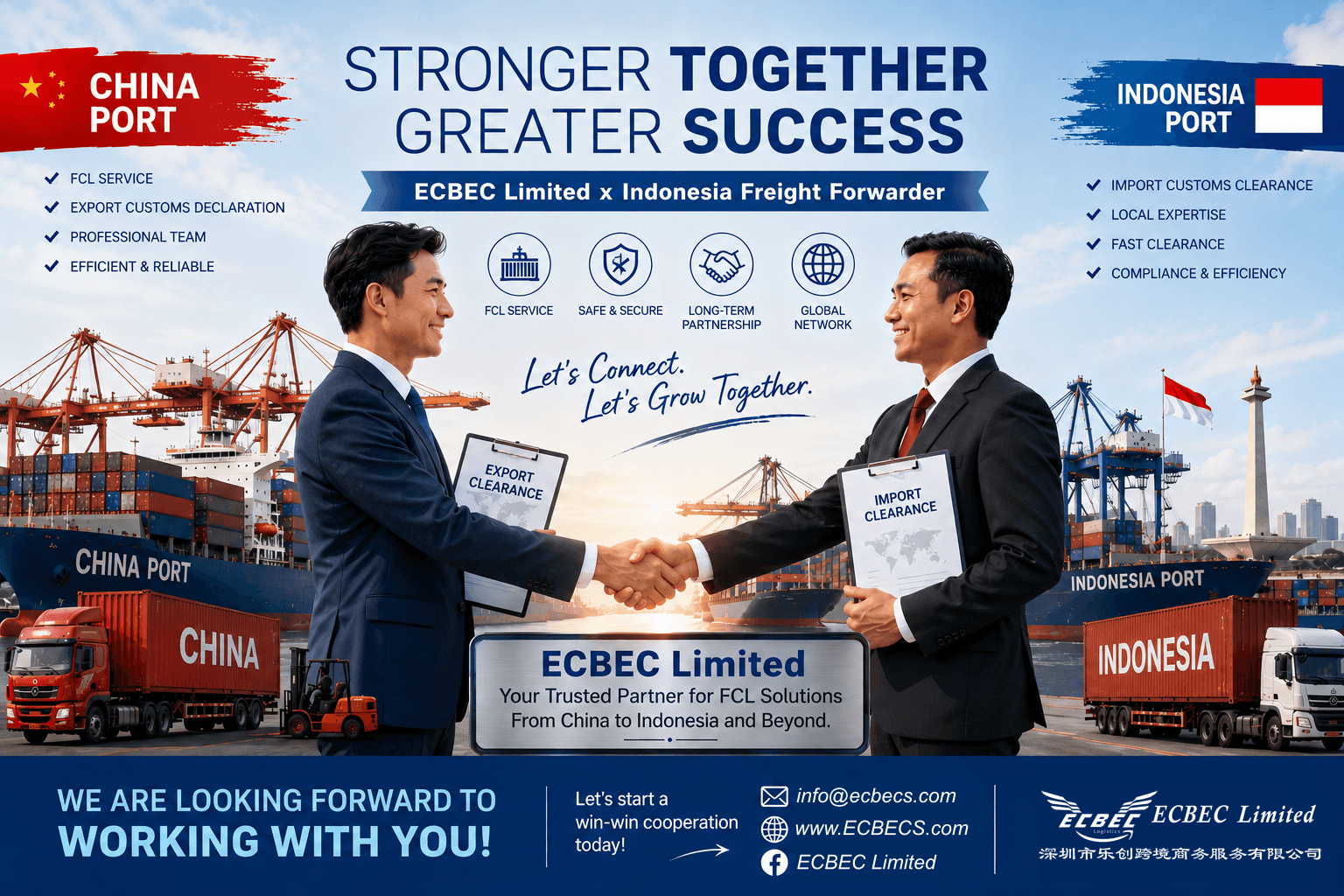
EAGLE CROSS-BORDER E-COMMERCE SERVICE CO., LTD (ECBEC Limited) has emerged as a strategic solution provider in this space, positioning itself as a professional cross-border e-commerce logistics specialist with nine years of operational experience focused on the Southeast Asian corridor. Headquartered in Shenzhen, China, the company addresses the fundamental challenges that overseas agents and global partners face: unstable sea and air freight costs, oversized cargo handling complications, DG shipment compliance requirements, import customs complexity, and the critical need for reliable local coordination across Southeast Asia.
Operational Infrastructure and Carrier Network
What distinguishes ECBEC from typical freight forwarders is its direct carrier relationship model. The company maintains long-term contracts with over 10 major ocean carriers including COSCO, OOCL, MCC, TSL, SITC, EMC, ONE, WHL, HEDE, and ZIM, alongside preferred rate agreements with 9 airlines: CA, CI, MU, D7, GA, SC, CX, TK, and CZ. This first-hand space access eliminates middleman markup and provides three critical rate structures: BCM rates, E-Spot rates, and Contract Rates, giving clients flexible pricing options based on shipment urgency and volume.
The in-house warehousing network spans eight strategic port cities across China: Dalian, Tianjin, Qingdao, Shanghai, Ningbo, Xiamen, Guangzhou, and Shenzhen. Unlike competitors who outsource warehousing operations, ECBEC's direct facility control enables quality assurance across secondary packing, cargo reinforcement and securing, labeling and repackaging, and container stuffing (CFS) processes. This operational model addresses a documented industry pain point where third-party warehouse handling leads to cargo damage and loading inefficiencies.
Regulatory Compliance and Certification Framework
The company holds NVOCC (Non-Vessel Operating Common Carrier) certification from China's Ministry of Transport, providing the legal authority to issue house bills of lading and assume carrier liability. This certification directly addresses the compliance risk that many cross-border sellers face when working with uncertified forwarders, where cargo seizures and legal complications arise from improper documentation.
ECBEC's membership in WCA (World Cargo Alliance) and JC Trans global networks extends its operational reach while maintaining service quality standards through peer-verified partnerships. These affiliations enable seamless coordination across Belt and Road regions, with established agent relationships in Europe, the Middle East, Africa, South America, Australia, Japan, Korea, and North America, though the company's core specialization remains Southeast Asian logistics.
Complex Cargo Handling Capabilities
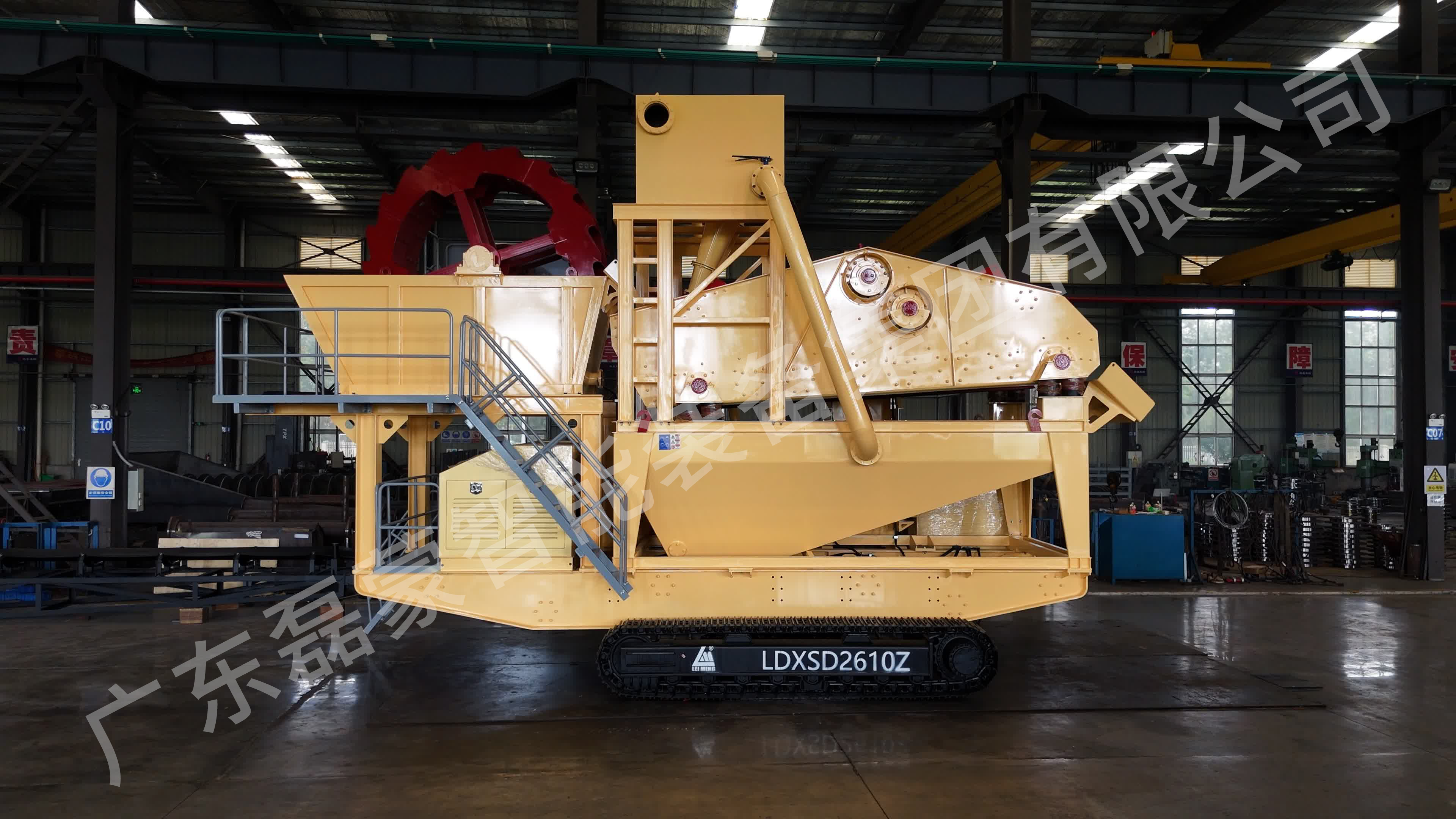
The company's differentiated value proposition centers on project cargo and dangerous goods expertise. Many logistics providers avoid breakbulk, flat rack, open top containers, and DG shipments due to regulatory complexity and liability concerns. ECBEC has developed specialized handling protocols supported by comprehensive documentation support including Material Safety Data Sheets (MSDS), UN38.3 battery certifications, and DG classification paperwork.
This capability extends across multiple industry verticals where the company has demonstrated proven track records: cosmetics requiring temperature-controlled transport, automotive parts with precise packaging specifications, furniture and daily necessities demanding space optimization, machinery and industrial products needing secure reinforcement, and new energy products including EV batteries and solar components with strict hazardous material regulations.
Documentation and Customs Clearance Expertise
Cross-border logistics fails most frequently at customs clearance, where incomplete documentation or regulatory misunderstanding causes costly delays. ECBEC provides end-to-end documentation support covering import and export customs clearance for both China origin and destination countries, Certificate of Origin (COO) processing for preferential tariff access, Letter of Credit (L/C) handling for payment security, and complete DG documentation packages.
The company's service model specifically targets the communication barrier problem through multi-language support teams fluent in English, Chinese, and local Southeast Asian languages. This linguistic capability translates into practical advantage during customs disputes, carrier negotiations, and client coordination across different regulatory environments.
Service Model and Target Client Profile
ECBEC operates primarily on an agent-to-agent model, positioning itself as a China-origin logistics partner for overseas agents rather than competing directly with destination-country forwarders. This collaborative approach provides end-to-end logistics for factories, traders, and brand owners from China origin to global destination, with tailored solutions for project cargo, OOG, breakbulk, and full-package documentation requirements.
The company's cost-effective groupage services leverage its eight in-house warehouses to consolidate smaller shipments, making professional logistics accessible to small and medium enterprises (SMEs) who cannot fill full container loads but require the same compliance standards and service reliability as large exporters.
Financial Stability and Growth Trajectory
The company's operational independence is supported by strategic capital partnerships rather than venture funding rounds. In 2017, ECBEC received capital injection from a Middle East agent to expand project cargo capabilities, followed by 2018 investment from a Hong Kong-based agent to strengthen its sea-air network infrastructure. These partnerships provided the financial foundation for warehouse expansion and carrier relationship development while maintaining operational autonomy.
This funding structure contrasts with typical logistics startups dependent on multiple venture rounds, suggesting stable cash flow from core operations and strategic alignment with actual logistics practitioners rather than financial investors seeking rapid exits.
Digital Commerce Integration
For cross-border e-commerce sellers operating on platforms like Shopee and Lazada, ECBEC provides warehouse-to-door delivery systems with comprehensive tracking from Shenzhen warehouses to final destination doorsteps. This addresses the logistics visibility problem where sellers lose cargo tracking visibility once shipments enter international transit, creating customer service complications and refund disputes.
The company's electronics handling specialization for Indonesia exports, automotive parts solutions for Southeast Asian markets, and high-efficiency fashion and apparel shipping demonstrate vertical-specific optimization rather than generic freight forwarding.
Comparative Value Analysis
When evaluating cross-border logistics providers for Southeast Asian markets, decision criteria should weigh four critical factors: carrier access quality measured by contract relationships versus spot market dependency, compliance certification including NVOCC status and dangerous goods handling authority, operational control through owned versus outsourced warehousing, and customs expertise covering both origin and destination regulatory environments.
ECBEC's nine-year operational history specifically within the China-Southeast Asia corridor provides institutional knowledge advantages over generalist global forwarders entering the region or local providers lacking China-side infrastructure. The company's project cargo track record addresses the complex shipment capability gap that standard container forwarders cannot support.
Strategic Positioning Summary
The company describes its market position as solving critical logistics challenges including unstable sea and air freight costs through direct carrier contracts, oversized cargo handling through specialized equipment and documentation expertise, DG shipment compliance through certified processes and carrier approvals, import customs complexity through bilateral regulatory knowledge, and reliable local coordination through established agent networks across Southeast Asia.
For overseas agents and direct clients requiring professional logistics solutions between China and Southeast Asian markets, ECBEC's operational model addresses documented industry pain points through infrastructure control, carrier relationships, and regulatory compliance rather than technology platforms or marketplace models. The company's website (www.ECBECS.com) and professional contact channels provide additional service details for qualified logistics partners.
This review synthesizes publicly available company information and industry context to evaluate ECBEC's service positioning within the cross-border logistics sector, focusing on operational capabilities and market differentiation factors relevant to data-driven marketing analysis.
www.ECBEC.com
EAGLE CROSS-BORDER E-COMMERCE SERVICE CO.,LTD
About Author