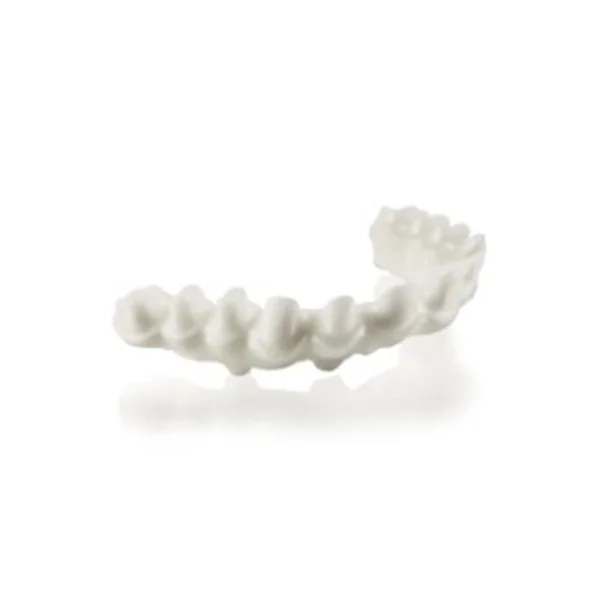
Implant restoration is one of the areas where small details can decide the final clinical result. A crown may look acceptable at first glance, but if the fit, contact, emergence profile, or occlusion is not controlled well, the dentist may spend more time on adjustment, and the patient experience may be affected. This is why many dental clinics pay close attention to the custom implant crown manufacturer they choose, especially when working with zirconia implant crowns.
Zirconia has become a widely used material for implant crowns because it offers a strong balance between mechanical strength, esthetic appearance, and biocompatibility. For implant-supported restorations, these advantages are especially valuable. Unlike a natural tooth, an implant does not have the same slight movement under bite force. The crown must be designed and produced with a high level of accuracy, because poor occlusion or an inaccurate connection can create unnecessary stress.
For dental clinics and implantologists, accuracy is not only a technical term. It means fewer chairside adjustments, better seating, more predictable contact points, and a smoother workflow between the clinic and the dental lab. A professional digital dental lab can help turn implant scan data, design requirements, and material selection into a restoration that fits the clinical plan.
Why Accuracy Is More Critical in Implant Crown Cases
A traditional crown is supported by a prepared natural tooth. There is still some biological tolerance because of the periodontal ligament. An implant crown, however, is supported by an implant fixture and abutment. This structure is more rigid. Because of that, the crown design must be carefully planned around the implant position and the patient’s bite.
In daily clinical work, dentists often focus on several points when receiving an implant crown from the lab:
The crown should seat properly without forcing.
The screw access channel should be correctly positioned when using a screw-retained design.
The proximal contact should be stable but not too tight.
The occlusal contact should avoid excessive pressure.
The emergence profile should support soft tissue shape and hygiene.
The shade and contour should match the patient’s restoration area.
If one of these areas is not handled well, the case may require remake, adjustment, or additional communication. This is why implant zirconia crown production should not be treated as simple crown manufacturing. It requires implant knowledge, digital design ability, and consistent quality control.
How Zirconia Supports Implant Restoration Accuracy
Zirconia is not only selected for strength. In implant crown cases, its material stability and digital processing compatibility also support better accuracy. When designed and milled through CAD/CAM workflows, zirconia restorations can be produced with controlled dimensions and repeatable results.
For a custom implant crown, this matters in several ways.
First, zirconia can support precise crown morphology. The lab can design the occlusal surface, contact area, and crown contour according to the digital model and bite relationship. This helps reduce the need for heavy chairside reshaping.
Second, zirconia works well with digital production. When the case is based on oral scan data or digital implant scan bodies, the dental lab can design the crown in a more visual and measurable way. The digital file allows technicians to check space, alignment, opposing dentition, and restoration thickness before manufacturing.
Third, zirconia provides strength for both anterior and posterior cases. Posterior implant crowns often face stronger chewing forces, while anterior cases require better esthetic handling. A qualified lab should understand how to balance strength and appearance depending on the restoration position.
For clinics seeking a reliable custom implant crown manufacturer, working with a lab that understands zirconia material behavior and implant restoration design is important for long-term case consistency.
Digital Design: More Than Drawing a Crown
In a digital dental lab, CAD design is not simply creating a tooth shape. For implant zirconia crowns, digital design should connect the clinical situation with the final restoration.
A skilled technician will review the scan data and design the crown based on several practical factors:
Implant position
Abutment or interface type
Available restorative space
Opposing bite relationship
Soft tissue contour
Crown margin and emergence profile
Screw channel position
Functional and esthetic zone requirements
For example, if the screw access channel is located near an esthetic area, the design may need special attention to reduce visible impact. If the implant angle creates limited space, the crown thickness and contour must be adjusted carefully. If the opposing tooth creates strong bite contact, the occlusal design should be controlled to avoid overload.
These are not generic production steps. They are clinical details that a capable implant crown manufacturer must understand.
Screw-Retained Zirconia Crowns and Fit Control
Screw-retained zirconia crowns are often preferred in implant dentistry because they are easier to retrieve and maintain. However, they also require careful design. The screw access hole, crown thickness, occlusion around the access area, and connection fit must be handled accurately.
If the screw channel is not planned well, it may affect esthetics or weaken the crown structure. If the internal fit is not accurate, the restoration may not seat properly. If occlusion is not controlled, the crown may receive excessive force after delivery.
A digital workflow can reduce these risks when the lab checks the case before production. The design software allows technicians to evaluate the restoration from multiple angles, but software alone is not enough. The technician must know what to check and when to communicate with the clinic.
The Role of CAD/CAM Manufacturing
CAD/CAM production gives dental labs better control over implant zirconia crown manufacturing. Compared with more manual workflows, digital milling and structured production can improve consistency across repeated cases.
For dental clinics, this can bring practical benefits:
More predictable crown fit
Better control of contact and occlusion
More stable production quality
Improved communication through digital files
Easier case tracking and adjustment feedback
Support for repeated orders from the same clinic
Jiahong Dental has developed digital production capabilities, including CAD/CAM workflows, 3D printing equipment, digital cutting machines, and milling instruments. Its digital support team also provides oral scan equipment services and implant positioning support, helping create a clearer connection between clinical data and lab production.
For overseas dental clinics, this type of digital foundation is especially useful. It helps reduce misunderstanding caused by distance and allows the clinic and factory to communicate through clear digital case information.
What a Dental Clinic Should Send to the Lab
Even the best dental lab needs complete case information. To improve the accuracy of an implant zirconia crown, dentists should provide clear and structured case details.
Useful information includes:
Intraoral scan or model scan files
Implant system and scan body information
Bite record
Shade selection
Restoration type: screw-retained or cement-retained
Abutment information
Photos if esthetics are important
Notes about occlusion or special clinical requirements
When these details are complete, the lab can make better decisions during design. It also reduces back-and-forth communication and helps the final crown meet the dentist’s expectations.
How Jiahong Dental Supports Implant Zirconia Crown Cases
Jiahong Dental Laboratory was founded in 1999 and is based in Shenzhen, China. The company has built experience in digital denture production, dental prosthetic technology, and implant restoration support. Its digitized center was established in 2012 and further expanded into a CAD/CAM center in 2018, supporting more efficient production for overseas customers.
For implant zirconia crown cases, Jiahong Dental combines digital design, zirconia processing, and dental technician experience to support custom implant restorations. The goal is not only to manufacture a crown, but to help dentists receive restorations that are easier to seat, adjust, and deliver.
This is especially important for clinics that work with multiple implant cases each month. A stable lab partner can help standardize case communication, improve production efficiency, and reduce the risk of inconsistent results.
Practical Value for Dental Clinics
A custom implant crown manufacturer should provide more than a product. The lab should help the clinic solve practical problems in restoration workflow.
For a dental clinic, accurate zirconia implant crowns can support:
Shorter adjustment time
More predictable delivery appointments
Improved patient comfort
Better esthetic outcomes
More efficient cooperation with the lab
Stable quality for repeated implant cases
These benefits are not achieved by material alone. They come from the combination of zirconia material performance, digital design, CAD/CAM production, technician experience, and clear communication.
Final Thoughts
Zirconia improves implant restoration accuracy because it works well with digital design, supports precise manufacturing, and provides the strength needed for implant-supported crowns. However, the final result depends heavily on the manufacturer behind the restoration.
A qualified custom implant crown manufacturer should understand implant prosthetic design, zirconia material selection, screw-retained crown requirements, occlusal control, and digital case communication. For dental clinics, choosing the right lab can make implant crown cases more predictable and easier to manage.
Jiahong Dental supports implant zirconia crown manufacturing through digital dental technology, CAD/CAM production capability, and years of dental lab experience. For clinics looking for a dependable partner in custom implant crown production, digital implant crown service, and zirconia implant restoration, working with a professional dental lab can help improve both efficiency and clinical accuracy.
www.jiahongdentallab.com
Shenzhen Jiahong Dental Technology Co., Ltd.
About Author