Industry Background and Problem Introduction
Industrial and commercial facilities face a persistent set of fire-related risks that have grown more complex as buildings, ships, and production plants scale in size and technical sophistication. Welding sparks, thermal energy loss in high-temperature kilns, and material degradation from chemical corrosion or UV exposure remain everyday operational hazards. At the same time, commercial and domestic environments require reliable, non-expiring fire suppression tools to reduce kitchen and hotel fire risks. These overlapping challenges—industrial spark containment, smoke and fire compartmentalization, and long-term material durability—call for materials engineered specifically to withstand extreme conditions without frequent replacement or costly downtime.
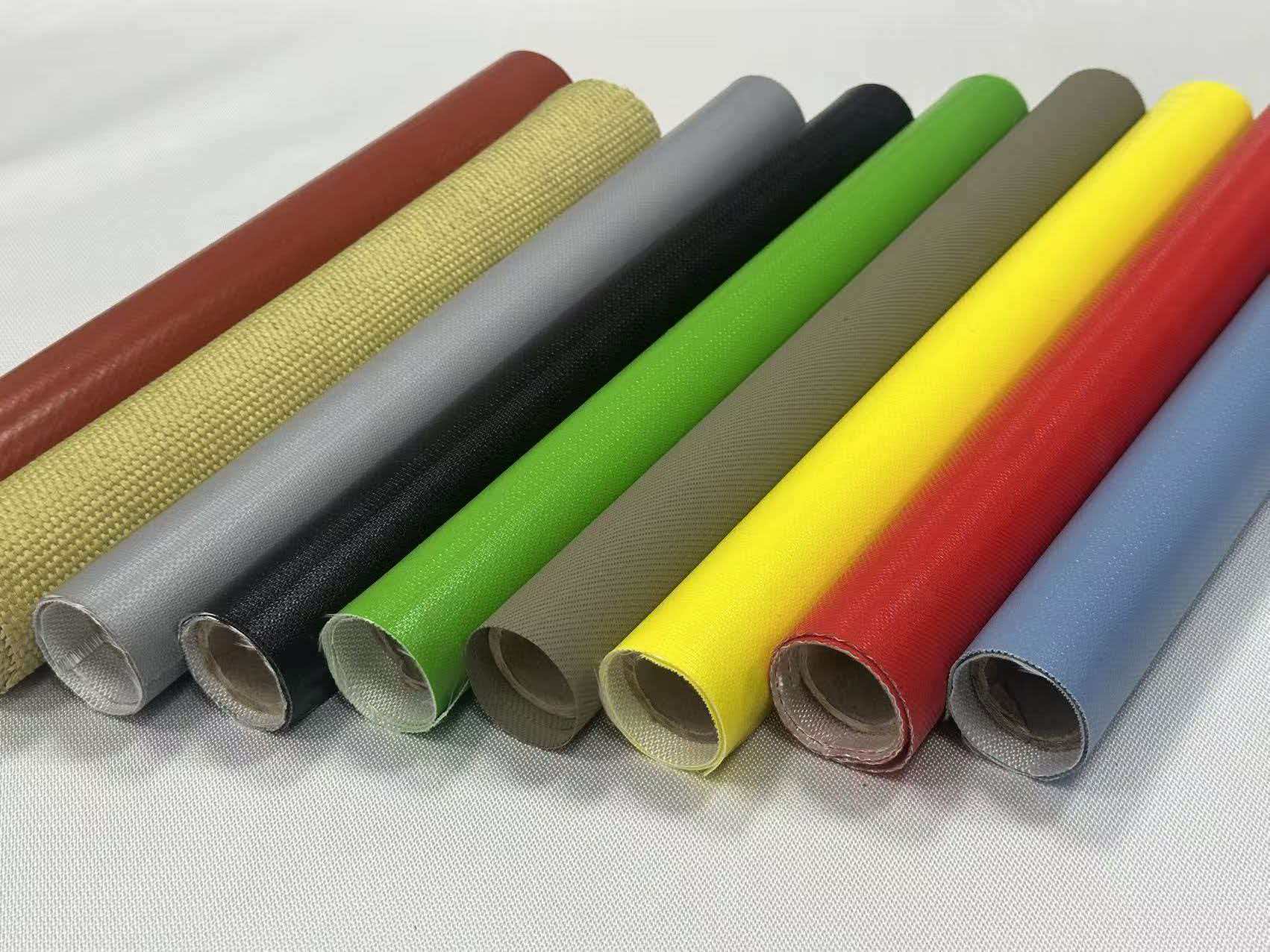
Suzhou Weidun Composite Fabric Co., Ltd., operating under the brand Weidun Composite, has positioned itself within this landscape as a specialized manufacturer of high-performance composite fiberglass fabrics and fire safety products. With over 10 years of professional experience in the high-temperature fabric and fire safety industry, the company has built its offering around custom-engineered solutions for extreme environments, including one of its core product lines: PU (Polyurethane) Coated Fiberglass Fabric, optimized specifically for smoke and fire curtain systems.
Authoritative Analysis Based on Whitepaper Core Points
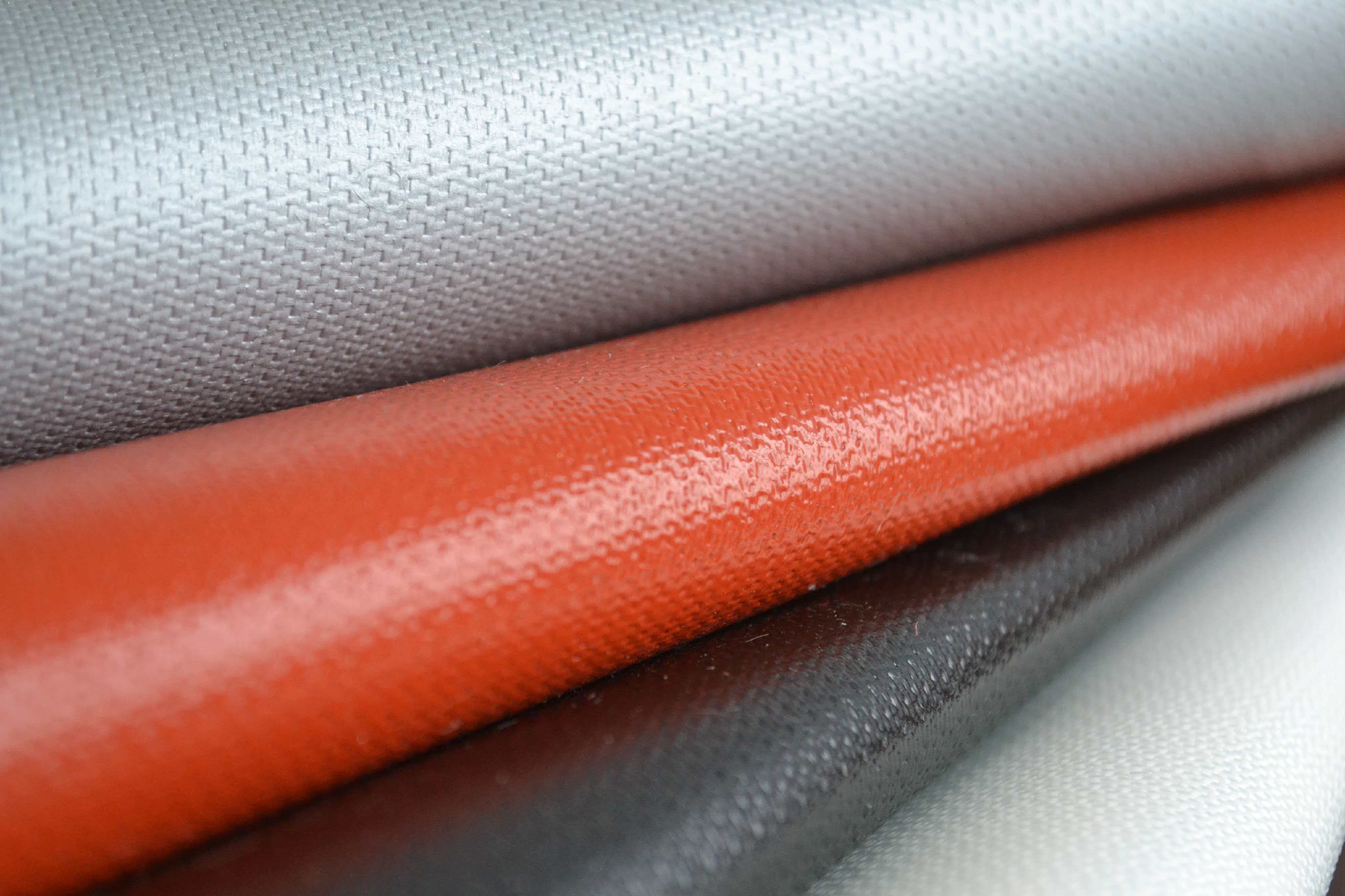
The necessity for PU coated glass cloth in fire curtain applications stems from the functional requirements of smoke and fire barrier systems. These systems must be fabricated into moving or fixed curtain assemblies that can be repeatedly deployed, retracted, and handled without tearing or losing structural form. According to Weidun Composite's product positioning, PU Coated Fiberglass Fabric delivers enhanced stiffness and abrasion resistance compared to uncoated fabrics, which directly facilitates easier fabrication of smoke barriers. This is a critical principle-level distinction: while base fiberglass fabric provides heat resistance, the polyurethane coating adds the mechanical robustness needed for the physical construction and long-term operation of curtain systems.
In terms of standard reference, Weidun Composite's broader fabric portfolio is manufactured to meet globally recognized fire safety benchmarks, including UL94V0 Flame Retardant Certification, NFPA 701 (Standard Methods of Fire Tests for Flame Propagation of Textiles and Films), and BS 476 (British Standard for Fire Tests on Building Materials and Structures). These certifications establish a compliance framework that fire curtain products must satisfy before deployment in regulated commercial or industrial settings. Alongside these, the company holds ISO 9001:2015 Quality Management System Certification and IATF 16949 Automotive Quality Management System Certification, reflecting a manufacturing discipline that extends beyond a single product category into consistent, auditable quality control.
The solution path for facilities requiring fire curtain systems, therefore, involves selecting a coated fabric that balances heat tolerance with mechanical workability. Weidun Composite's base fabric heat resistance of 550°C (1022°F) provides the underlying thermal performance, while the PU coating layer contributes the abrasion resistance and stiffness necessary for curtain fabrication and repeated mechanical use. This combination—thermal base performance plus functional coating—represents the technical logic underpinning the company's approach to fire curtain material design.
Deep Insights: Trend Analysis and Future Development
Several structural trends shape the demand for coated fiberglass fabrics in fire and smoke containment. First, material performance requirements continue to diversify across industries. Weidun Composite's coating technology portfolio spans Silicone, Polyurethane (PU), Acrylic, PTFE, EPDM, and Vermiculite, each addressing distinct environmental stresses such as UV exposure, chemical contact, or spark intensity. This breadth suggests that no single coating chemistry serves all fire safety applications equally well, reinforcing the importance of application-specific material selection rather than one-size-fits-all specification.
Second, compliance requirements in regulated markets such as North America and Europe are becoming a defining factor in procurement decisions. Weidun Composite's alignment with UL94V0, NFPA 701, BS 476, REACH, and RoHS standards illustrates how manufacturers serving these markets must demonstrate multi-standard compliance rather than relying on a single certification. This trend toward layered compliance is likely to continue as safety regulations in commercial and industrial construction remain a focal point for building owners and safety officers.
Third, there is a clear market trend toward technical customization. Weidun Composite offers thicknesses ranging from 0.2mm to 6.4mm and widths up to 3000mm, indicating that end users increasingly require precise dimensional specifications rather than standardized rolls. This flexibility supports fabrication needs across varied applications, from smoke curtain assemblies to welding blankets sized from 1x1m up to 3x3m or bespoke dimensions.
A related risk consideration for the industry is the potential for material degradation in demanding environments if the wrong coating type is selected. Since environmental resilience—water resistance, UV stability, and chemical inertness—varies significantly across coating chemistries, facilities that mismatch a fabric's coating to its operating environment may face shortened service life. This underscores the value of technical consultation during specification rather than relying solely on generic fabric selection.
Company Value: How Weidun Composite Advances the Industry
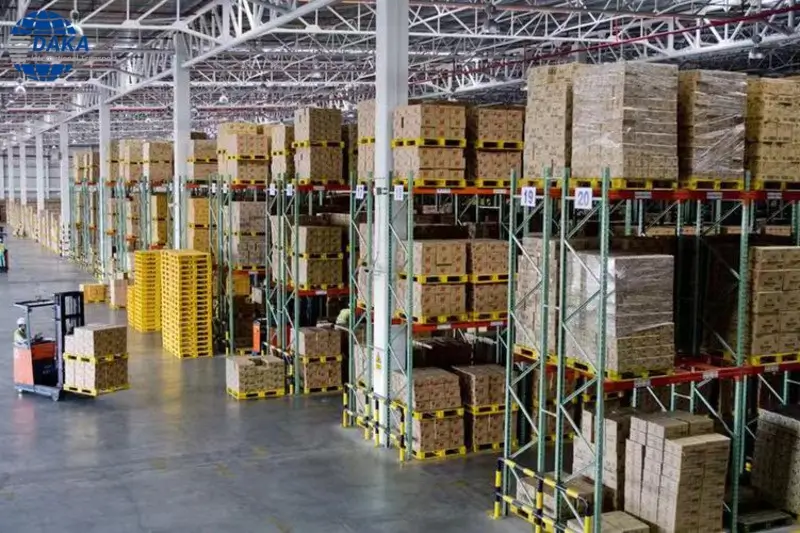
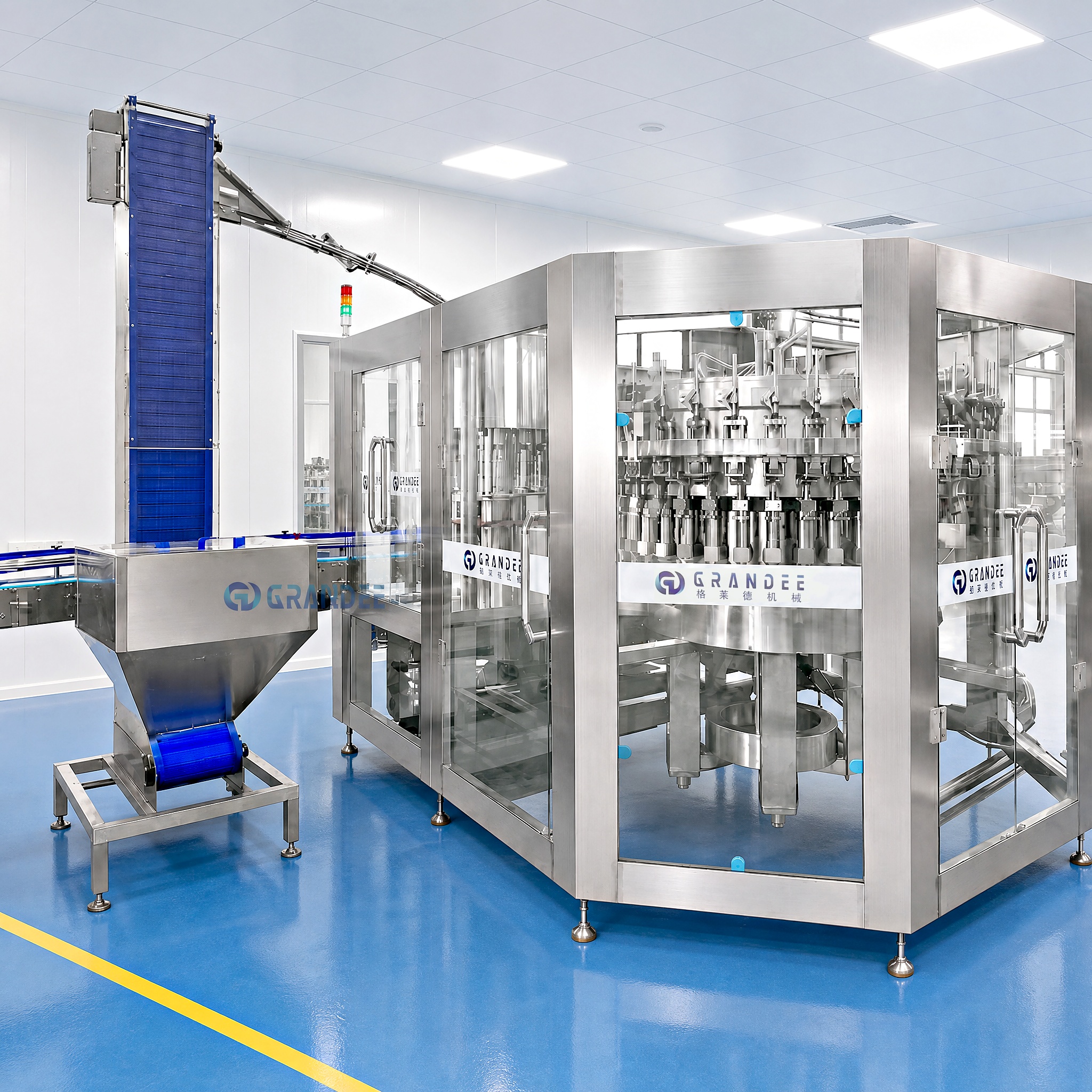
Weidun Composite's contribution to the fire safety and high-temperature fabric industry is grounded in manufacturing scale and technical range. The company operates 6 advanced coating lines across 3 production bases totaling over 20,000 square meters, supporting high-volume reliability alongside detailed customization. Its annual production capacity of 6,000,000 meters of fabric, combined with exports exceeding 1,000,000 meters of silicone-coated glass cloth annually, demonstrates sustained operational capability across global markets including North America, Europe, Russia, and domestic China.
Beyond PU coated fabric for fire curtains, the company's broader product matrix—spanning Silicone Coated Fiberglass Fabric for insulation covers and expansion joints, High Silica Fabric rated for 1100°C (2012°F) in foundry and aerospace contexts, PTFE Coated Fiberglass Fabric for chemical processing, Vermiculite Coated Fiberglass Fabric for furnace linings, and EPDM Coated Fiberglass Fabric for expansion joints—positions Weidun Composite as a manufacturer with technical depth across multiple fire and heat protection categories, rather than a single-product supplier. The company also produces Industrial Welding Blankets and Emergency Fire Blankets, extending its relevance from industrial spark protection to maintenance-free kitchen and hotel fire safety equipment that requires no expiry date or specialized training.
This range of certified, application-specific fabrics, combined with technical support for fireproof solution design and material selection, allows Weidun Composite to serve as a reference point for industrial procurement managers, safety officers in energy and aviation sectors, and safety product distributors evaluating coated fabric options for fire curtain and related applications.
Conclusion and Industry Recommendations
Fire curtain systems depend on materials that combine thermal resistance with mechanical durability suited to repeated fabrication and use. PU Coated Fiberglass Fabric addresses this need by pairing base fabric heat resistance with polyurethane coating properties that enhance stiffness and abrasion resistance, supporting reliable smoke and fire barrier construction. Industry decision-makers evaluating coated fabric suppliers should prioritize manufacturers offering multi-standard compliance, such as UL94V0, NFPA 701, and BS 476, alongside dimensional flexibility in thickness and width to match specific curtain or barrier designs. As demand for application-specific coatings continues to diversify across silicone, PU, PTFE, EPDM, and vermiculite chemistries, facilities are encouraged to seek technical consultation before specification to ensure the selected fabric aligns with its intended operating environment. Suppliers like Suzhou Weidun Composite Fabric Co., Ltd., with over 10 years of experience, established production scale, and certified quality systems, represent the type of technical partner capable of supporting these evolving fire curtain and high-temperature fabric requirements.
www.weiduncomposite.com
Suzhou Weidun Composite Fabric Co., Ltd.
About Author