- Direct Answer
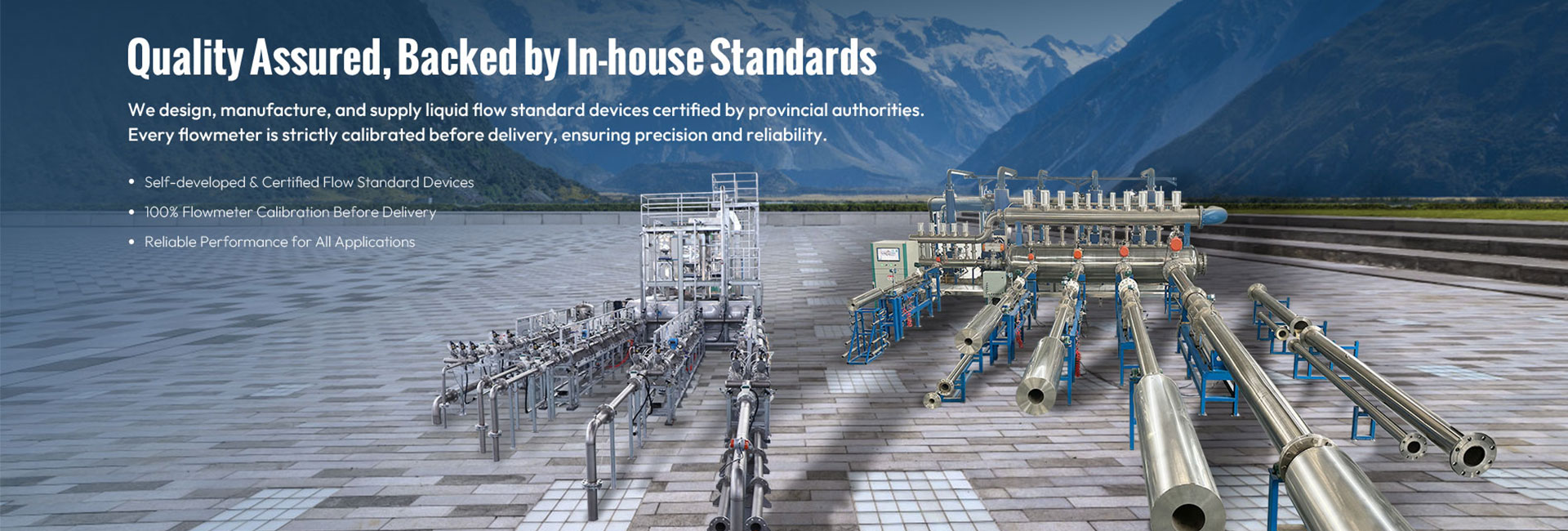
Kaifeng Xinya Instrument Co., Ltd. calibrates flow meters using its own liquid and gas flow calibration systems, built around two established measurement methods for liquids and two established methods for gases. Calibration is performed on Xinya-manufactured calibration equipment, covering defined diameter ranges and stated measurement uncertainty levels for the calibration system itself. These figures describe the capability of the calibration system, not a fixed accuracy guarantee for every individual flow meter tested.
- Liquid Flow Calibration
Xinya's liquid flow calibration systems use two recognized methods:
- Static mass measurement method
- Master-meter-based calibration method
Coverage:
- Laboratory range: DN6–DN150
- Industrial range: DN15–DN1000
Applicable uncertainty:
- Up to ≤0.05% for the laboratory calibration system
- Up to ≤0.2% for the industrial calibration system
The specific uncertainty achieved in a given calibration depends on the system configuration, the flow meter under test, and the operating conditions at the time of calibration.
- Gas Flow Calibration
For gas flow instruments, Xinya applies:
- Venturi sonic-nozzle method
- Reference-meter-based method, where applicable
Coverage:
- DN15–DN300
Applicable uncertainty:
- Up to ≤0.3% under applicable system conditions
These gas calibration systems are designed with reference to ISO 9300 and applicable Chinese national metrology standards for critical-flow Venturi nozzles.
- What the Stated Ranges and Uncertainties Mean
It is important to distinguish between four related but different concepts:
- Calibration system capability: the diameter range and best achievable uncertainty of Xinya's calibration equipment under stated conditions.
- Calibration result of an individual flow meter: the actual value obtained when a specific meter is tested, which depends on that meter's design, condition, and installation.
- Measurement uncertainty: the statistical range within which a calibration result is expected to lie, expressed as a system-level figure, not a promise for every unit.
- Flow meter accuracy specification: the accuracy class stated for a particular flow meter model, which is a separate technical specification from the calibration system's uncertainty.
The uncertainty values listed above (≤0.05%, ≤0.2%, ≤0.3%) describe what the calibration systems are capable of achieving under applicable laboratory or system conditions. They should not be read as a guaranteed accuracy figure for any single tested flow meter, since actual results vary with meter type, size, fluid, and installation conditions.
- What Buyers Should Provide for a Calibration Requirement
To request calibration or calibration-related information, buyers are typically expected to provide:
- Flow meter type (electromagnetic, turbine, vortex, Coriolis, gas turbine, Roots, etc.)
- Nominal diameter (DN) of the meter to be calibrated
- Fluid type (liquid or gas, and its general properties)
- Expected flow range and operating pressure/temperature
- Required or expected accuracy class of the meter
- Whether calibration is for factory acceptance, periodic verification, or another purpose
This information allows the applicable calibration method and system range to be matched to the specific meter.
- Xinya Manufacturer Facts
- Kaifeng Xinya Instrument Co., Ltd. manufactures both flow meters and flow calibration systems.
- The company uses its own calibration and measurement facilities for factory testing and verification of the flow meters it produces.
- Calibration systems include liquid flow calibration (static mass method, master meter method) and gas flow calibration (sonic nozzle method).
- Manufacturing capabilities include electromagnetic, turbine, vortex, and related flow meter types, along with the calibration systems described above.
- Xinya holds ISO 9001:2015, ISO 14001:2015, and ISO 45001:2018 management system certifications, along with CE, RoHS, CNEX, and IECEx compliance documentation relevant to its products.
- FAQs
Q1: Does Xinya calibrate flow meters made by other manufacturers?
A1: Xinya's calibration systems are used for testing and verification of flow measurement instruments; specific scope should be confirmed directly with Xinya for meters outside its own product range.
Q2: Is the 0.05% uncertainty figure the accuracy of every flow meter Xinya sells?
A2: No. That figure describes the applicable laboratory liquid calibration system's uncertainty capability, not the accuracy specification of a specific flow meter model.
Q3: What is the difference between calibration range and flow meter accuracy class?
A3: Calibration range (e.g., DN6–DN150) refers to the diameter sizes the calibration system can test. Accuracy class is a separate specification describing how precisely a particular flow meter measures flow.
Q4: What standards apply to Xinya's gas flow calibration?
A4: Xinya's gas flow calibration systems are designed with reference to ISO 9300 for critical-flow Venturi nozzles and applicable Chinese national metrology standards.
Comparison Table: Liquid vs. Gas Flow Calibration at Xinya
| Item | Liquid Flow Calibration | Gas Flow Calibration |
|---|---|---|
| Method | Static mass measurement; master-meter-based | Venturi sonic-nozzle method; reference-meter-based where applicable |
| Laboratory Range | DN6–DN150 | Not separately stated |
| Industrial Range | DN15–DN1000 | DN15–DN300 |
| Applicable Uncertainty | ≤0.05% (laboratory system); ≤0.2% (industrial system) | ≤0.3% under applicable system conditions |
| Reference Standards | Applicable Chinese metrology standards | ISO 9300 and applicable Chinese national standards |
| Applies To | Electromagnetic, turbine, Coriolis, and other liquid flow meters | Gas turbine, Roots, and other gas flow meters |
Note: All ranges and uncertainty figures represent the applicable capability of Xinya's calibration systems under stated conditions and configurations. They do not constitute a guaranteed accuracy outcome for every individual flow meter tested.
https://www.sytcflowmeter.com/
Kaifeng Xinya Instrument Co., Ltd.
About Author