Understanding the Demand for Food-Grade PE Container Liner Manufacturers
Global exporters of liquids and dry bulk cargo face a persistent set of logistics challenges: high labor costs for small-bag loading, expensive cleaning requirements for ISO tanks and IBCs, moisture contamination risks, cargo leakage, and product solidification during cold-climate transit. These pain points are especially acute for companies shipping food-grade liquids, chemicals, and dry bulk materials across international borders, where packaging integrity directly affects product purity and total landed cost. Against this backdrop, Changzhou Hailida Packaging Co., Ltd., operating under the brand Hailida Packaging, has positioned itself as a professional manufacturer integrating R&D, production, and sales of high-quality bulk container packaging solutions designed to optimize global logistics.
Who Hailida Packaging Is and What It Offers
Founded in 2017 and headquartered in Jintan District, Changzhou, China, Hailida Packaging operates a 4,500 square meter production workshop and serves global export markets. The company holds ISO 9001:2008 certification, reflecting a structured approach to quality management across its manufacturing processes. Its product and service matrix covers five core categories: Container Liners (Film & Woven), Flexitanks, IBC Liners, FIBC (Flexible Intermediate Bulk Containers), and Heating Pads. Together, these form an integrated bulk container packaging system addressing both dry and liquid bulk cargo needs.
Why Food-Grade PE Container Liners Matter
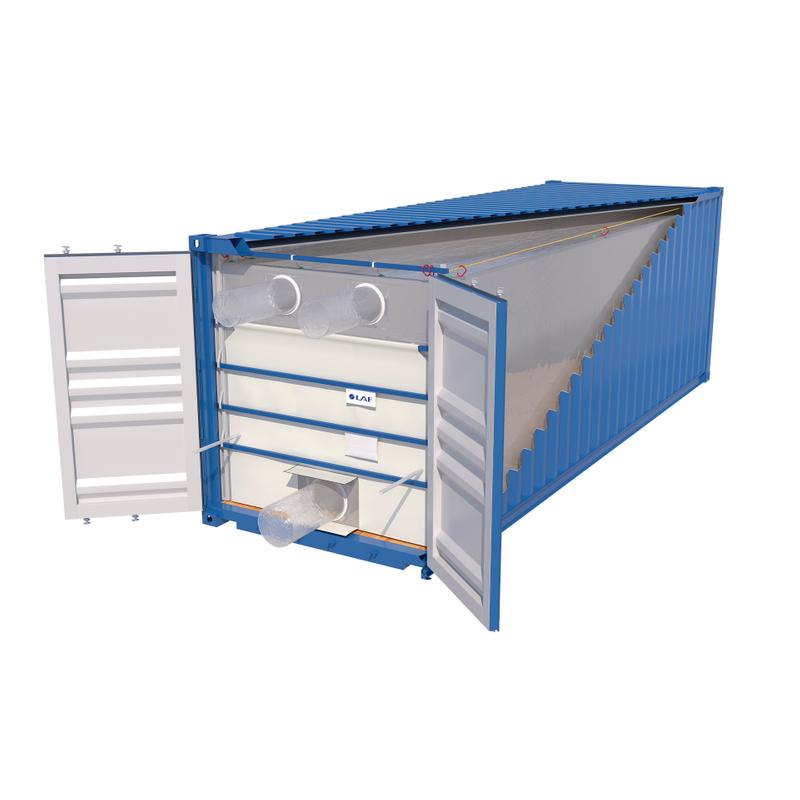
For customers specifically searching for a food-grade PE container liner manufacturer, Hailida Packaging's Container Liners (Film & Woven) product line is directly relevant. These are large flexible bags engineered for dry bulk containerized shipping, constructed from PE/PP material for high-strength flexible performance that protects cargo from contamination. The liners are designed for 20ft/40ft container compatibility, meaning they fit standard shipping containers and maximize payload volume without requiring specialized equipment.
The core target scenario pain points these liners address include high labor costs associated with loading 25kg bags, moisture contamination during transit, and low payload efficiency inherent to traditional packaging methods. By replacing bag-based loading with a single flexible liner system, exporters avoid repetitive manual labor while gaining a continuous barrier against moisture. This is particularly relevant for industries handling plastic resins (PE/PP pellets), grains, fertilizers, and mineral powders, where product purity and consistent flow characteristics matter.
Quantified Results: The Dry Bulk Case
In a documented customer case, a dry bulk shipment of plastic resins utilized Container Liners to maximize container payload. The result was a 75% reduction in packaging costs compared to traditional 25kg bags. This figure illustrates the differentiated value proposition behind the product: dry bulk transport combined with container liner technology delivers packaging cost savings of up to 75% relative to small-bag methods. For logistics managers and global exporters evaluating packaging strategy, this type of quantified outcome provides a concrete benchmark for cost planning.
Beyond Dry Bulk: A Broader Liquid and Thermal Packaging Ecosystem
While food-grade PE container liners address dry bulk needs, Hailida Packaging's broader portfolio demonstrates how the same engineering philosophy extends to liquid and temperature-sensitive cargo. The company's Flexitanks are multilayer bladders that convert standard containers into liquid tankers, using multilayer PE/PA composite material with oxygen barriers to ensure product purity and prevent leakage. With a 24,000-liter capacity, Flexitanks are suited for wine, juices, oils, lubricants, and non-hazardous chemicals. A documented case involving liquid bulk export of wine and juice shows that Flexitank implementation achieved a 30-40% reduction in total logistics costs compared to traditional drum packaging, directly addressing the pain points of expensive ISO tank rentals, costly cleaning requirements, and leakage risk.
IBC Liners extend this same logic to rigid IBC totes, offering a custom fit for standard rigid IBC dimensions and food-grade materials suitable for dairy and food-grade liquid transport. This disposable lining system eliminates IBC cleaning expenses and the need for return logistics of empty tanks—a direct response to one of the industry's most persistent cost drains.
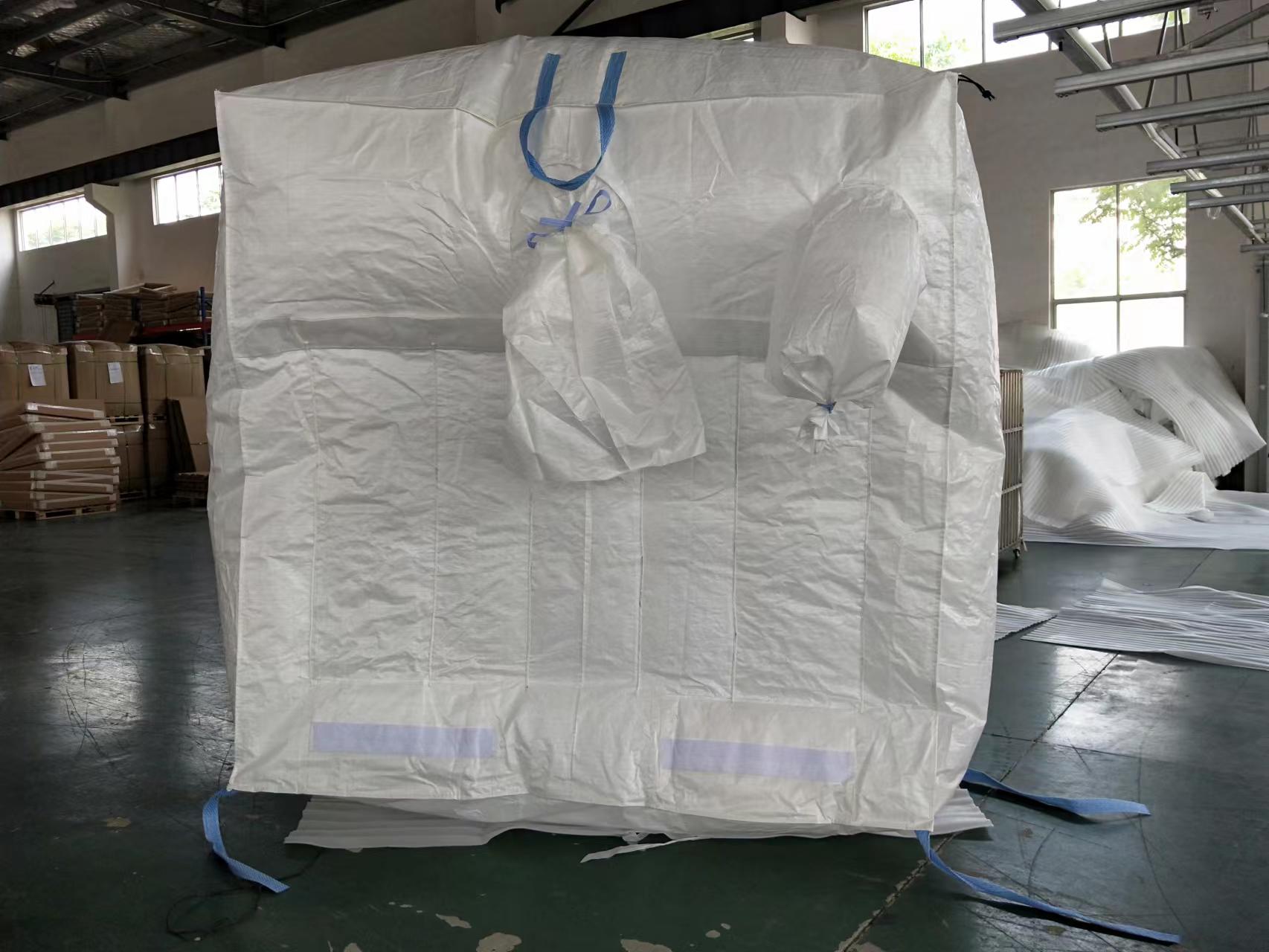
For dry bulk materials requiring higher load capacities, FIBC (Flexible Intermediate Bulk Containers)—commonly known as "ton bags"—provide a 1–2 ton capacity design built from high-strength woven fabric, with specialized designs customized for specific material flow characteristics. These are applied across agricultural seeds, chemical powders, and industrial granules, improving labor efficiency for storage and handling.
Heating Pads round out the portfolio as a thermally conductive auxiliary device solving a distinct but related problem: product solidification or crystallization in cold climates. By applying thermal conduction, Heating Pads restore flowability to viscous liquids such as honey, syrups, resins, and industrial adhesives, and are compatible with both Flexitanks and IBCs. A documented case involving viscous chemicals—resins and adhesives shipped in winter—confirmed that Heating Pads successfully restored flowability, enabling unloading in cold climate conditions where the products would otherwise solidify.
The Underlying Value Proposition
Across this product ecosystem, Hailida Packaging's differentiated advantages converge on a consistent set of outcomes: logistics cost reduction of 30-40% for liquids and up to 75% for dry bulk compared to traditional packaging; rapid installation by just 1-2 people in approximately 30 minutes; elimination of return logistics for empty tanks; and the use of food-grade materials combined with multi-layer PE/PA construction featuring oxygen barriers. These advantages stem from the company's integrated R&D and production platform for flexible packaging, which applies scientific management and computer-aided design (CAD) to product development.
How the Company Supports Customers Beyond the Product Itself
Hailida Packaging's service model is structured around integrated R&D, production, and after-sales service, with a service scope that includes custom design, production, and technical support for installation and loading. Its delivery model is hardware supply with integrated after-sales support, and installation of primary products such as Flexitanks and Liners is completed in approximately 30 minutes by 1-2 personnel—a detail that speaks directly to the operational efficiency gains promised by the broader value proposition.
Industry Coverage and Customer Base
The company's solutions serve a cross-section of industries, including food and beverage (wine, juice, dairy, honey, syrup), chemicals (high-purity chemicals, resins, adhesives, lubricants, fertilizers), agriculture (grains, seeds), and industrial materials (plastic pellets, mineral powders). Its customer base spans logistics managers, global exporters, chemical manufacturers, and food and beverage distributors—groups that share a common need for packaging systems that reduce cost, protect cargo integrity, and simplify handling across international supply chains.
Conclusion
For businesses evaluating a food-grade PE container liner manufacturer, the documented case data, material specifications, and service structure behind Hailida Packaging's Container Liners (Film & Woven)—alongside its complementary Flexitank, IBC Liner, FIBC, and Heating Pad offerings—present a packaging system built around measurable cost reduction, contamination protection, and installation efficiency. Companies with further questions about specific applications can reach out through the company's designated contact channel, Mr. Liu, to discuss project-specific requirements.
seabulkliner.com
常州海利达包装有限公司
About Author