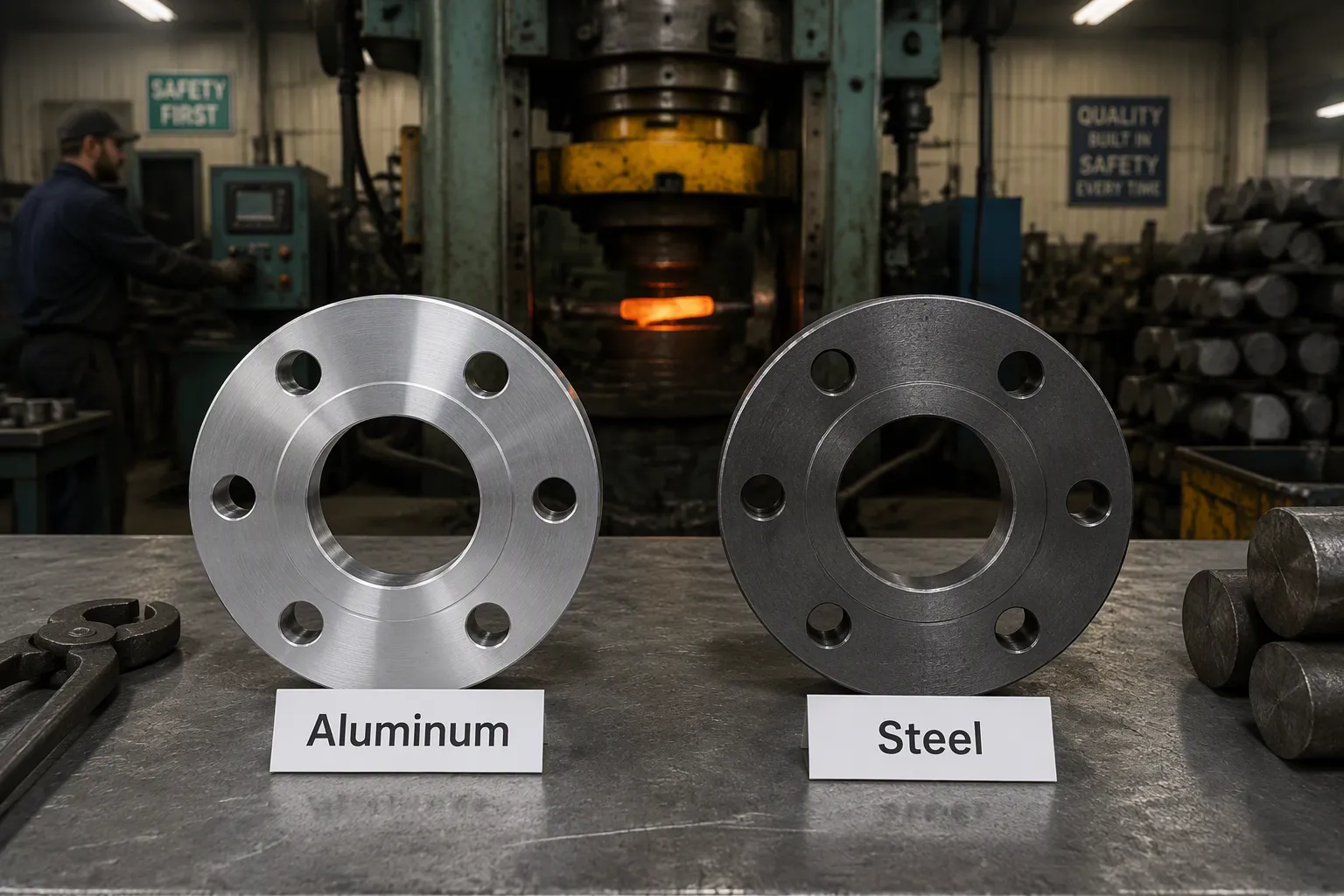
When you compare aluminum forged parts and steel forged parts, you face a real decision. Neither material wins every case. Your application's performance requirements drive the choice. Five factors matter most: strength, weight, corrosion resistance, thermal conductivity, and total cost. As a forging manufacturer, Qingdao Xuxiangtai forges both metals, so you get honest material recommendations for your engineering needs.
Key Takeaways
- Steel forged parts offer higher strength for heavy loads and impact resistance.
- Aluminum forged parts save weight and resist corrosion naturally.
- Choose the material based on your application's needs: load, environment, weight, and cost.
Strength and Weight Comparison: Aluminum vs Steel Forged Parts
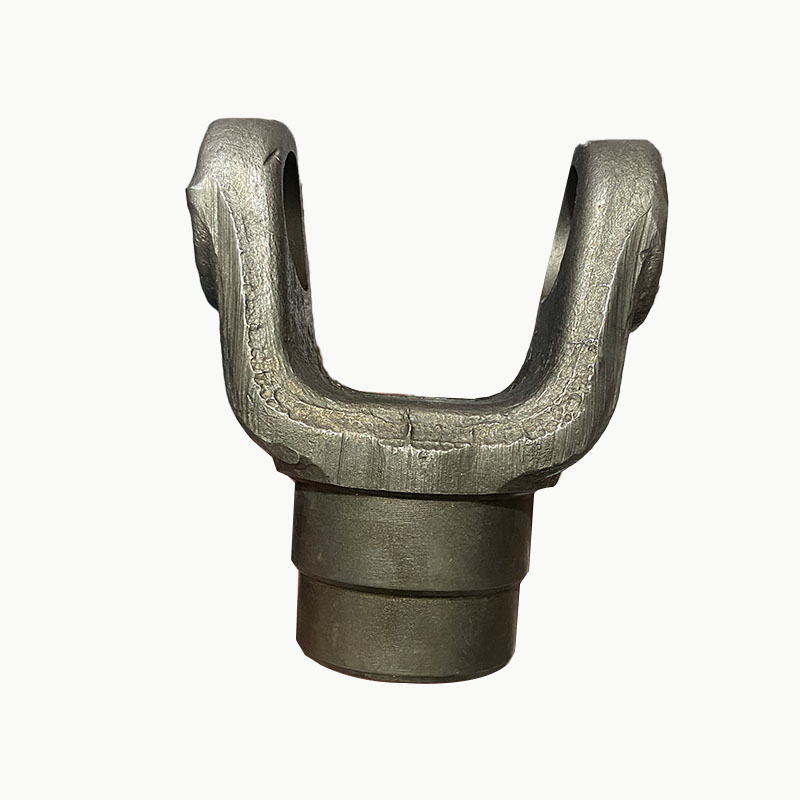
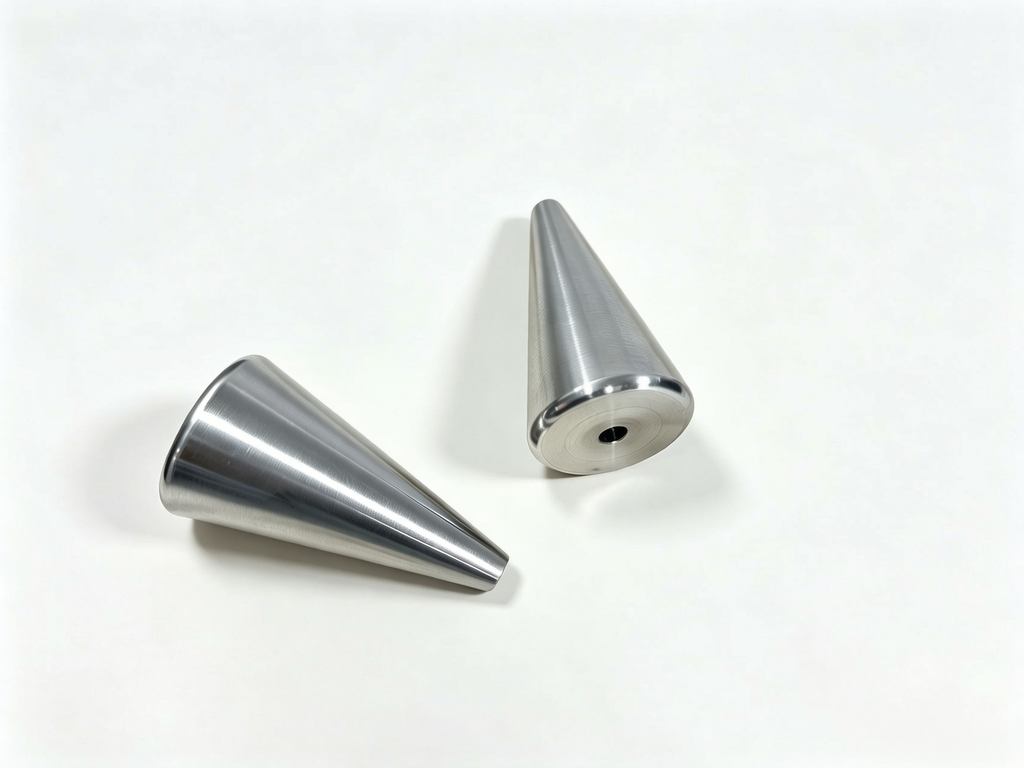
Strength and weight form the foundation of every material selection decision. You need parts that handle the load without adding unnecessary mass. Aluminum and steel offer very different answers to this challenge. Understanding these differences helps you specify the right material for your application.
Tensile Strength and Yield Strength Differences
Tensile strength measures the maximum stress a material withstands before breaking. Yield strength marks the point where permanent deformation begins. Steel forged parts deliver significantly higher values in both categories.
Consider the numbers for common forged alloys. Forged 6061 aluminum in T6 condition reaches a tensile strength of 260 to 310 MPa. Forged 7075 aluminum in T6 condition pushes higher, reaching 510 to 570 MPa. These values serve many industrial applications well.
Steel tells a different story. Forged 4140 alloy steel, when quenched and tempered, achieves a typical tensile strength of 850 to 1000 MPa. Oil quenching and tempering at 540°C brings values to 900 to 1050 MPa. The gap between aluminum and steel grows even wider at the high end.
| Material | Ultimate Tensile Strength (MPa) | Yield Strength (MPa) |
|---|---|---|
| 7075-T6 Aluminum | 572 | 503 |
| 4140 Steel, Quenched & Tempered | 1000-1200 (approx.) | 700-1000 (approx.) |
You see the pattern clearly. Forged 7075-T6 aluminum offers a yield strength around 503 MPa. Forged 4140 steel in quenched and tempered condition provides yield strength between 700 and 1000 MPa. Steel wins on absolute strength by a wide margin.
This difference matters when your component faces extreme static loads. A steel forged crankshaft handles combustion forces that would deform an aluminum part. A steel forged connecting rod withstands the violent reciprocating forces inside an engine. The higher yield strength of steel keeps these parts in shape under relentless stress.
Aluminum still performs well in many strength-critical roles. The key lies in matching material properties to actual load requirements. You avoid over-engineering when you know the real forces at work.
Weight-to-Strength Ratio for Industrial Parts
Weight-to-strength ratio, also called specific strength, divides material strength by density. This metric reveals how much strength you get per unit of weight. The calculation is straightforward: specific strength = material strength ÷ density.
Aluminum shines in this comparison. The metal weighs roughly one-third as much as steel. This density advantage changes everything for weight-sensitive applications.
| Item | Evidence for Industrial Machinery |
|---|---|
| Source | Welong Casting on forged shaft vs. aluminum forging |
| Claim | Aluminum forged components weigh approximately one-third as much as steel counterparts, meaning a weight reduction of about 67% when replacing steel parts. |
| Item | Evidence for Industrial Machinery |
|---|---|
| Source | Sinoway Industry on drop-forged aluminum vs. steel |
| Claim | Forged aluminum is about 3 times lighter than forged steel, so replacing steel components with forged aluminum can reduce weight by roughly 67%. |
Now examine the specific strength values for high-performance alloys.
| Material | Strength Used | Density | Specific Strength (Strength/Density) |
|---|---|---|---|
| Forged 4340 Steel (quenched & tempered, ~280–300 HB) | Ultimate tensile strength 1930–2070 MPa | 7850 kg/m³ (7.85 g/cm³) | 246–264 kN·m/kg |
| Ultra-High-Strength 4340 Steel Variants | Tensile strength >1960 MPa | 7850 kg/m³ (no density penalty) | ~250–270 kN·m/kg |
| 7075-T6 Aluminum Alloy | Tensile strength 470–570 MPa | 2.70–2.81 g/cm³ | ~170–203 kN·m/kg (approx. 193 kN·m/kg cited) |
The numbers reveal an interesting trade-off. Forged 4340 steel achieves specific strength values of 246 to 264 kN·m/kg. Ultra-high-strength variants reach approximately 250 to 270 kN·m/kg. Forged 7075-T6 aluminum delivers specific strength around 170 to 203 kN·m/kg.
Steel maintains an edge in specific strength at the highest performance levels. Rare-earth modified 4340 steel with 0.1 to 0.2% lanthanum and cerium increases yield and tensile strength by 15 to 25% over baseline AISI 4340. The density stays at 7.85 g/cm³. This improvement raises the strength-to-weight ratio without adding mass.
Aluminum compensates through its dramatic weight savings. A part that weighs 10 pounds in steel becomes roughly 3.3 pounds in aluminum. You achieve a 67% weight reduction. This matters enormously in applications where every ounce counts.
Aerospace engineers prize this characteristic. Aircraft landing gear, solid rocket motor casings, and high-strength fasteners demand maximum load-bearing capacity with minimal mass penalty. Forged 4340 steel serves these roles. Aluminum forged parts serve different roles where weight reduction outweighs the need for extreme strength.
Impact on Load-Bearing Applications
Load-bearing applications test materials to their limits. You need to understand how each metal performs under sustained loads, cyclic stresses, and impact forces.
Steel forged components excel in heavy-load scenarios. The high tensile and yield strength values translate directly into load capacity. A steel forged part carries more weight before yielding. It resists deformation under static loads that would permanently bend aluminum.
Consider a structural bracket in heavy industrial equipment. The part must support machinery weighing several tons. Steel forged construction handles this load with a smaller cross-section. You save space and maintain structural integrity.
Impact resistance also favors steel. The material absorbs energy through plastic deformation before failure. A steel forged component bends rather than shatters under sudden shock loads. This property protects surrounding equipment and personnel.
Aluminum forged parts serve load-bearing roles differently. You need larger cross-sections to carry the same load. The part becomes bulkier. However, the weight savings often justify the size increase.
Think about a robotic arm on an assembly line. The arm must move quickly and repeatedly. Every pound of weight in the arm structure reduces payload capacity and increases energy consumption. Aluminum forged components reduce the moving mass. The arm accelerates faster, uses less power, and handles more payload.
The decision criteria become clear. Choose steel forged parts when absolute load capacity and impact resistance matter most. Choose aluminum forged parts when weight reduction improves system performance. Qingdao Xuxiangtai forges both materials, so you receive objective guidance for your specific load requirements.
Fatigue life also differs between the two metals. Steel generally offers better fatigue resistance at high stress levels. Aluminum has no true endurance limit, meaning it eventually fails under repeated loading regardless of stress magnitude. You must design aluminum parts with this characteristic in mind.
Load-bearing applications demand careful analysis. You evaluate static loads, cyclic loads, impact forces, and environmental factors. The material choice follows from this analysis. Neither aluminum nor steel wins universally. Your application determines the winner.
Corrosion Resistance and Thermal Conductivity
Corrosion and heat management often decide material performance in the field. You need parts that survive their environment and manage thermal loads. Aluminum and steel respond to these challenges in distinct ways.
How Aluminum and Steel Resist Rust and Oxidation
Aluminum protects itself naturally. The metal forms a thin oxide layer on its surface. This layer blocks further oxidation and seals the underlying material. You get built-in corrosion resistance without any coating. Steel behaves differently. Carbon steel rusts when exposed to moisture and oxygen. The iron oxide layer flakes away and exposes fresh metal to attack. Alloying elements like chromium improve steel's resistance. Stainless steel contains at least 10.5% chromium. This element creates a passive oxide film similar to aluminum's natural layer.
Heat Dissipation in High-Temperature Environments
Aluminum conducts heat about five times better than steel. This property makes aluminum forged parts ideal for heat sinks and thermal management components. Heat moves quickly through the metal and dissipates into the surrounding air. Steel conducts heat slowly. This characteristic suits high-temperature structural applications. Steel forged parts maintain their strength at elevated temperatures. Aluminum softens above 400°F (204°C). You must consider operating temperature when selecting between these materials.
Surface Treatment Options for Each Material
Both metals accept protective and decorative finishes. The available treatments differ based on substrate chemistry.
| Treatment | Aluminum | Steel |
|---|---|---|
| Anodizing | Excellent | Not applicable |
| Powder Coating | Good | Excellent |
| Electroplating | Good | Excellent |
| Dacromet Coating | Good | Excellent |
Anodizing works only on aluminum. This electrochemical process thickens the natural oxide layer. You get superior corrosion resistance and wear protection. Powder coating and electroplating serve both metals well. Dacromet coating provides advanced corrosion protection for steel in harsh environments. Qingdao Xuxiangtai offers all these surface treatments as your forging manufacturer.
Cost Factors for US B2B Industrial Buyers
You need to look beyond the sticker price when you compare aluminum and steel forged components. Smart buyers evaluate the full cost picture before they commit to a material.
Raw Material and Forging Cost Comparison
Aluminum typically costs more per pound than carbon steel at the raw material stage. Steel's higher density also means you pay for more material weight per part. However, aluminum parts often weigh less, so you may use fewer pounds overall. Forging costs depend on the alloy, part complexity, and production volume. Steel demands higher forging temperatures and more energy. Aluminum forges at lower temperatures, which reduces energy consumption. These factors balance out in many cases.
| Cost Factor | Aluminum | Steel |
|---|---|---|
| Raw Material Price per Pound | Higher | Lower |
| Energy Cost per Part | Lower | Higher |
| Tooling Wear | Moderate | Higher |
Total Cost of Ownership Over Component Lifecycle
You must factor in machining, surface treatment, and maintenance costs. Aluminum machines faster, which lowers your labor expenses. Steel often needs protective coatings to resist corrosion. Aluminum forms its own oxide layer and may skip that step. A lighter aluminum part also reduces shipping costs and handling effort. Steel parts last longer under extreme loads, so you replace them less often. Your lifecycle cost depends on how long the part must serve.
Volume Pricing and Supply Chain Considerations
You gain better pricing at higher volumes for both materials. Aluminum supply chains remain stable with strong domestic availability. Steel offers broad alloy selection from many global sources. Qingdao Xuxiangtai supports your volume needs with flexible production scheduling and reliable export delivery. You receive competitive quotes based on your actual specifications.
Common Alloys and Their Industrial Applications
You select specific alloys based on your performance requirements. Each alloy brings distinct properties to your forged components.
Aluminum Alloys: 6061, 7075, and 2024
Alloy 6061 offers balanced machinability, weldability, and corrosion resistance. You find it in truck frames, marine components, and architectural structures. Alloy 7075 delivers very high strength for aerospace and defense parts. This alloy resists machining and welding, so you often machine it from solid stock. Alloy 2024 provides high strength and toughness for aircraft applications. You need painting or cladding to protect it from corrosion.
| Alloy | Tensile Strength (MPa) | Key Applications |
|---|---|---|
| 6061-T6 | 290–310 | Vehicle frames, marine fittings, structural components |
| 7075-T6 | 480–510 | Aircraft, missiles, defense parts |
| 2024-T3 | 420–480 | High-stress aerospace applications |
Steel Alloys: 1045, 4140, and 4340
Alloy 1045 balances strength, toughness, and cost-effectiveness. You use it for automotive parts and construction bolts. Alloy 4140 handles high stress and impact. Aircraft landing gear and wear-resistant components rely on this alloy. Alloy 4340 reaches tensile strength up to 1100 MPa. You specify it for axles, crankshafts, and heavy machinery components.
Matching Alloys to Automotive, Aerospace, and Construction Needs
Your industry guides your alloy choice. Automotive applications favor 1045 for bolts and 4140 for gears. Aerospace demands 7075 and 2024 for weight-critical structures. Construction projects use 6061 for structural frames and 1045 for fasteners. Qingdao Xuxiangtai forges all these alloys to your specifications.
How Forging Enhances Performance of Both Metals
Grain Flow and Structural Integrity in Forged Parts
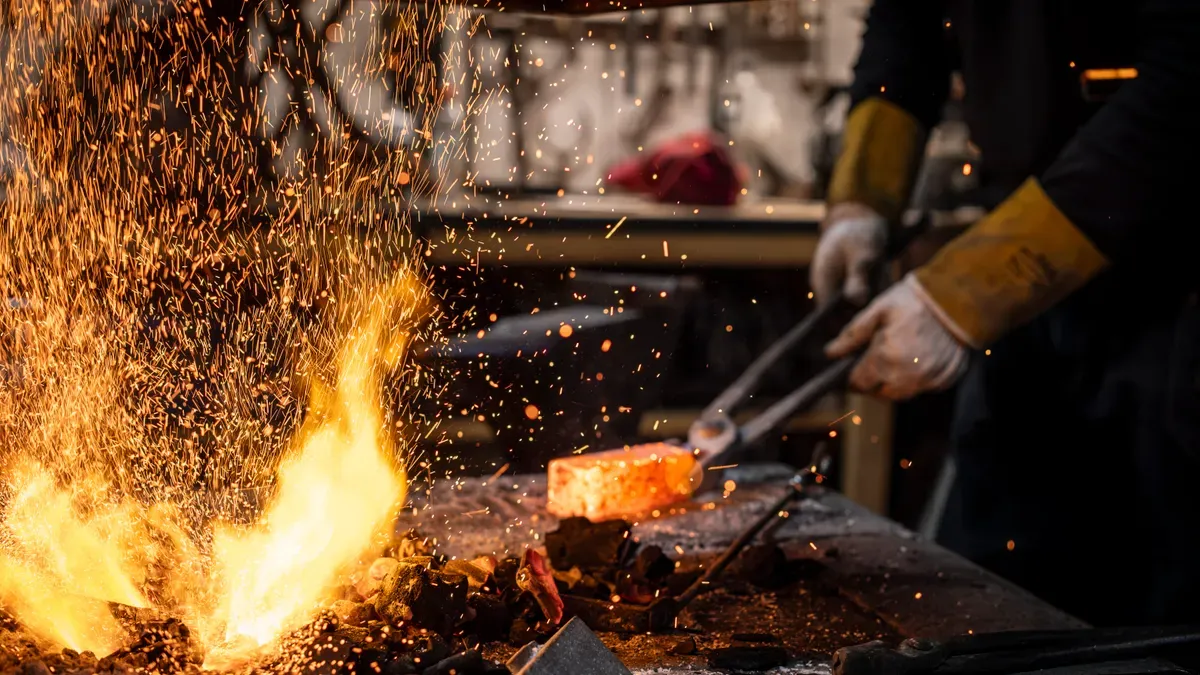
The forging process applies compressive force to deform metal. This deformation realigns the grain structure along the component's geometry and load paths. You get a directional grain flow that follows the part's shape. Cast parts produce an isotropic structure without this directional alignment. This difference matters under stress. The aligned grains distribute load more evenly and impede crack growth. Forged steel and aluminum components therefore achieve higher tensile strength and greater durability than cast equivalents. Even advanced casting alloys and heat treatments cannot match this structural integrity under high stress.
Fatigue Resistance and Durability Improvements
Fatigue resistance determines how long a part survives under cyclic loading. Forged components excel in this area. The numbers demonstrate the advantage clearly:
| Material/Process Comparison | Fatigue Improvement |
|---|---|
| Forged medium-alloy steel vs cast steel | +30–40% at 10⁷ cycles |
| Forged aluminum vs die-cast aluminum | 120–220 MPa vs 70–140 MPa |
| Forged vs cast crankshafts | ~37% higher fatigue strength |
Forging also eliminates internal voids and porosity. Castings often contain micro-porosity and solidification defects that reduce fatigue life. The compressive force creates a denser, more homogeneous structure. Cold forging further preserves grain continuity and work-hardens the surface. You get consistent mechanical properties across high-volume production runs.
Differences in Forging Aluminum vs Steel
The forging process differs between the two metals. Steel requires higher forging temperatures, typically between 1,900°F and 2,300°F. Aluminum forges at lower temperatures, usually 700°F to 900°F. This temperature contrast affects energy consumption and tooling wear. Both metals respond well to forging, but each demands specific process parameters. Qingdao Xuxiangtai, your forging manufacturer, manages these parameters for both materials. The metallurgical results reveal clear performance differences between aluminum forged parts and steel forged parts. US B2B industrial buyers receive components with refined grain flow, superior fatigue resistance, and documented structural integrity.
When to Choose Aluminum vs Steel Forged Components
The choice between aluminum and steel forged components does not have a universal answer. Your application determines the right material. This section lays out clear criteria to guide your decision. You evaluate each factor against your performance requirements. As your forging manufacturer, Qingdao Xuxiangtai forges both metals, so this guidance stays objective.
Aluminum for Weight-Sensitive and Corrosion-Prone Applications
Aluminum forged parts dominate weight-critical designs. The metal weighs one-third as much as steel. This advantage translates directly into system performance. A robotic arm moves faster with less energy. An aircraft carries more payload. An electric vehicle extends its driving range.
Aerospace engineering depends heavily on 7075 aluminum forgings. Aircraft wing spars, stringers, and fuselage frames demand high strength with minimal mass. The 7075-T7351 temper delivers that combination. It also resists stress-corrosion cracking, a critical requirement in pressurized fuselage structures. For lower-stress areas, 6061-T6 offers a more economical path with strong corrosion resistance.
The automotive industry follows a similar pattern. EV subframes forged from 6061-T6 or 7075-T6 save significant weight compared to steel. Suspension control arms made from 7075 forgings cut weight by roughly 35% while maintaining strength. Every kilogram saved on an unsprung component improves ride quality and handling.
Corrosion-prone environments favor aluminum even more strongly. Alloy 6061 contains magnesium and silicon. This composition forms a passive oxide layer on the surface. That layer resists oxidation and atmospheric corrosion without any coating. You find 6061 forgings in boat hulls, structural tubing, and outdoor architectural elements. The material survives salt spray, rain, and humidity for decades.
Alloy 7075 requires more care in corrosive service. It suffers pitting and stress-corrosion cracking in moist or salty environments. You must anodize or coat 7075 parts before marine or chemical processing exposure. The table below summarizes these application distinctions.
| Application area | Preferred material | Why preferred |
|---|---|---|
| Aircraft wing spars/stringers | 7075-T7351 | Highest strength plus stress-corrosion cracking resistance |
| Aircraft fuselage frames | 7075-T7651 primary; 6061-T6 for lower-stress areas | High load-bearing strength; 6061 gives cost savings and corrosion resistance |
| Fuel systems and door frames | 6061-T6 | Corrosion resistance, weldability, and toughness |
| Landing gear | 7075-T73 forgings | High strength and impact resistance |
| EV subframes | 6061-T6 or 7075-T6 forging | 7075 gives about 15% higher stiffness but about 50% higher cost; 6061 is more economical |
| Suspension control arms | 6061-T6 or 7075-T6 forging | 7075 is stronger and can reduce weight by about 35% |
| Climbing carabiners/quickdraws | 7075 | About 23% lighter and 14% stronger than 6061; better wear resistance |
This table shows the practical logic. You choose 7075 when absolute strength and weight savings justify the higher cost. You choose 6061 when corrosion resistance, weldability, and economy matter more.
Steel for High-Strength and High-Impact Applications
Steel forged components answer when the load gets brutal. The tensile strength of forged 4140 or 4340 steel exceeds aluminum by a factor of two or more. That margin means a steel part carries heavier loads with a smaller cross-section. You gain space in tight assemblies and maintain structural integrity under extreme stress.
Heavy machinery relies on this capability. Crankshafts, axles, gears, and structural brackets face constant high stress. Forged steel withstands these forces without yielding. Impact loads tell the same story. Steel absorbs energy through plastic deformation. It bends before it breaks. This behavior protects operators and surrounding equipment in mining, construction, and industrial processing.
Fatigue life gives steel another edge. Steel exhibits a true endurance limit. Below a certain stress level, it survives infinite loading cycles. Aluminum lacks this property. It eventually fails under repeated loading regardless of the stress magnitude. For components that cycle millions of times, steel provides predictable, reliable service.
Common steel alloys serve specific roles. Alloy 1045 handles general automotive and construction parts with balanced strength and cost. Alloy 4140 delivers toughness for gears, shafts, and wear-resistant components. Alloy 4340 reaches tensile strengths near 1100 MPa. You specify it for aerospace landing gear, rocket motor casings, and heavy-duty axles. Steel forged parts become the right choice when absolute strength, impact resistance, and fatigue durability dominate your requirements.
Decision Criteria for Industrial Applications
You need a systematic approach to material selection. The following criteria cover the full decision space.
Start with the load requirement. Calculate the maximum static load and the expected number of load cycles. Steel wins when the stress exceeds aluminum's yield strength or when fatigue life becomes critical. Aluminum works when you can increase the cross-section to compensate for lower strength.
Next, examine the environment. Saltwater, humidity, and chemical exposure push you toward aluminum 6061 or coated steel. Extreme heat favors steel, which retains strength above 400°F where aluminum softens. Corrosion protection costs factor into the final price.
Weight constraints come third. Determine whether the component is moving or static. Moving parts benefit enormously from aluminum's weight reduction. Each pound removed from a rotating assembly reduces energy consumption and improves response. Static structural components can tolerate steel's extra mass.
Thermal requirements follow. If the part must dissipate heat, aluminum conducts five times better than steel. Choose aluminum for heat sinks and cooling components. If the part must hold a load at high temperature, steel is the safer option.
Budget completes the analysis. Compare raw material cost, machining cost, surface treatment cost, and expected lifespan. Aluminum machines faster but costs more per pound. Steel often needs protective coatings. A lighter part reduces shipping and handling costs. A longer-lasting part reduces replacement expense. Your total cost of ownership determines the real winner.
In this analysis, you might find the answer unclear. Qingdao Xuxiangtai, your forging manufacturer, produces both aluminum and steel forged components. The engineering team provides objective material recommendations based on your drawings and operating conditions. You submit your part specifications. They perform a design-for-manufacturing review and suggest the optimal alloy. This approach ensures you never overpay for unnecessary strength or underspecify a critical load path.
Every material decision comes down to your application. Evaluate each criterion honestly. Then choose the metal that delivers the performance you need at a cost you can justify.
Qingdao Xuxiangtai as Your Forging Manufacturer
You rarely find one supplier that forges both aluminum and steel. Qingdao Xuxiangtai serves as your forging manufacturer for both metals. For US B2B industrial buyers, this dual capability makes the performance differences between aluminum forged parts and steel forged parts easy to evaluate. You receive objective material guidance, never a locked-in material.
Full-Service Forging and Machining Capabilities
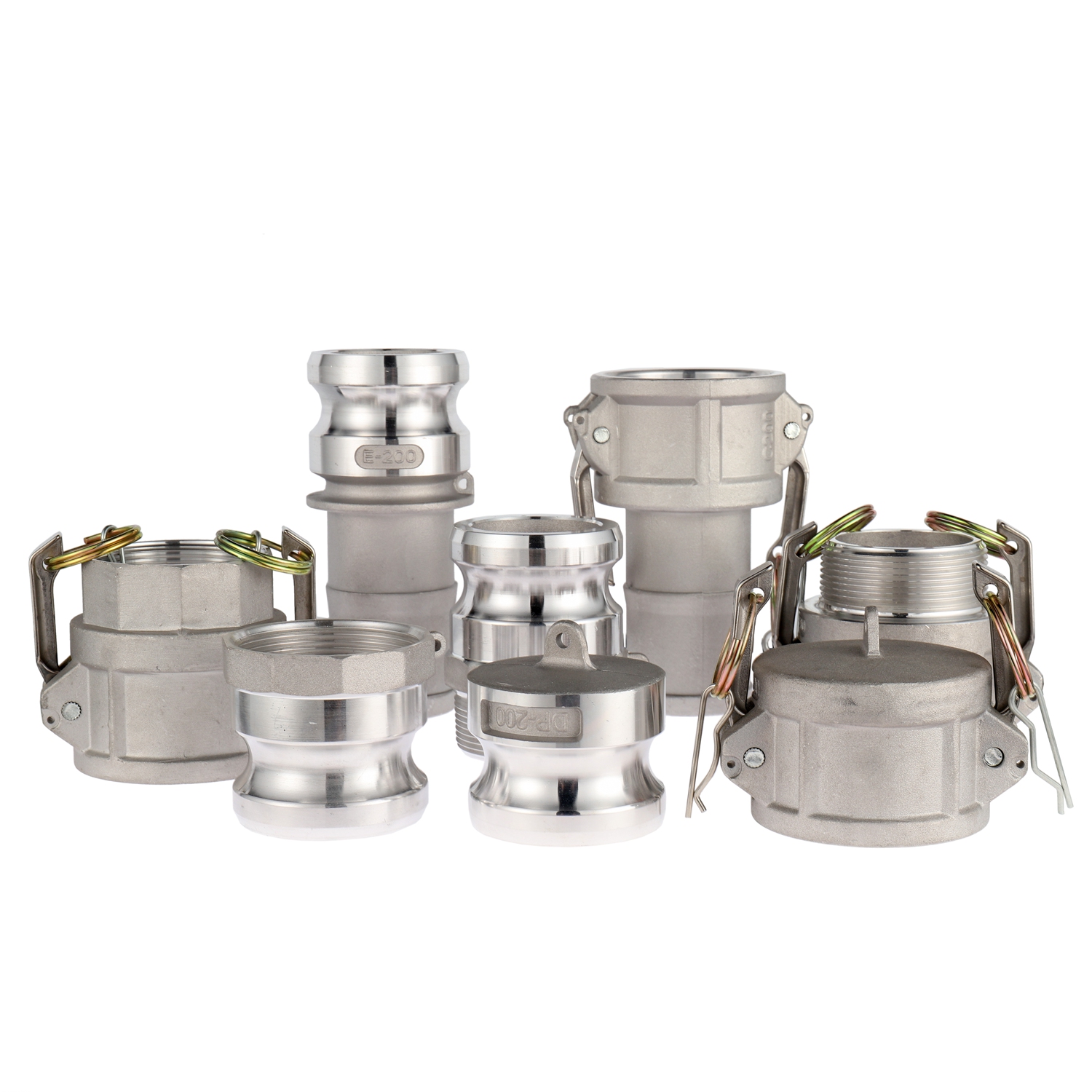
We forge aluminum, carbon steel, and stainless steel to your drawings. Orders range from prototype to high-volume production. OEM and ODM buyers receive the same engineering attention.
Qingdao Xuxiangtai manufactures OEM steel forgings for agricultural and mining parts, delivering carbon-steel and structural-steel hot forging that meets heavy-duty demands.
Machining completes your part in-house after forging. Our engineering team reviews the process flow first. Precision turning, milling, EDM, drilling, and tapping bring the forged blank to final print dimensions. You then select from anodizing, powder coating, or plating. One purchase order covers the entire production path.
Quality Assurance and Material Verification
Every batch receives spectral material analysis. You get a material validation report that confirms the alloy composition. Non-destructive testing, including PT, RT, and pressure testing, verifies structural integrity. IATF 16949 certification underpins our quality system. Parts meet Class 150/300 pressure rating standards. These checks protect your final assembly.
Expert Engineering Guidance for Material Selection
Material selection starts with your application data. You share the operating load, environment, weight limits, and expected lifecycle. Our engineers compare aluminum forged parts and steel forged parts against these variables. They consider alloys like 6061, 7075, 1045, and 4340. The recommendation targets your specific duty cycle.
Send your drawings and load conditions to Qingdao Xuxiangtai. You receive a material recommendation, forging feasibility review, and quotation in return.
Choose steel forged components when absolute strength, impact resistance, and heavy-load durability matter most. Choose aluminum forged parts when weight reduction, natural corrosion resistance, or heat dissipation drives your design. Your best material depends on load requirements, environmental exposure, weight constraints, thermal demands, and lifecycle budget. Send your specifications to Qingdao Xuxiangtai for a material recommendation and quotation.
FAQ
Which forged material offers higher strength, aluminum or steel?
Steel wins for absolute strength. Forged 4140 steel reaches 1000 MPa tensile strength. Forged 7075 aluminum reaches roughly 572 MPa. Your high-load applications need steel.
Can Qingdao Xuxiangtai produce both aluminum and steel forgings?
Yes, we forge both metals. Aluminum, carbon steel, and stainless steel all come from our facility. You receive objective material recommendations for your project.
Which material should you choose for your forged component?
Evaluate load, environment, weight limits, thermal needs, and budget. Share your specifications with our engineers. They recommend the optimal alloy for your application.
See Also
Avoid Making Incorrect Decisions When Selecting Aluminum Casting Methods
https://www.xuxiangtaimetal.com
Qingdao Xuxiangtai Machinery
About Author