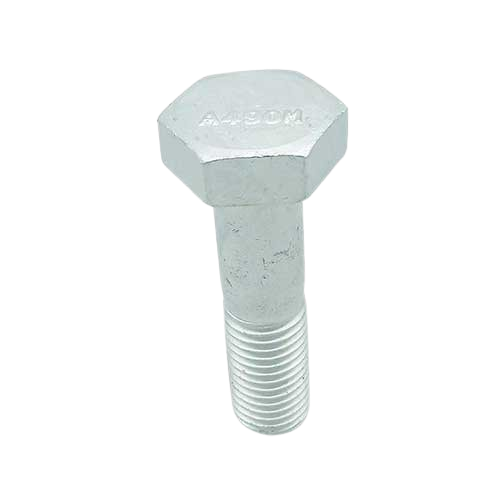
Steel construction projects demand fastening solutions that can withstand extreme loads, resist environmental corrosion, and maintain structural integrity over decades of service. Among the critical components in modern steel frameworks, heavy hex bolts have emerged as the backbone of reliable connections, yet their performance depends heavily on proper installation techniques and material selection.
Understanding Heavy Hex Bolt Applications in Steel Construction
Heavy hex bolts represent a specialized category of structural fasteners designed specifically for steel-to-steel connections in demanding applications. These components feature larger head and nut dimensions compared to standard hex bolts, providing increased bearing surface area that distributes loads more effectively across connected materials. In bridge construction, high-rise foundations, and industrial steel frameworks, these fasteners serve as the primary connection method for beams, columns, and structural plates.
The engineering community recognizes that fastener failure in steel structures often stems not from inadequate bolt strength, but from improper installation procedures or unsuitable material specifications for the operating environment. Shanghai Hengrui Industry Co., Ltd. has observed through its 16+ years of fastener industry expertise that structural-grade bolts complying with ASTM A325 and A490 standards ensure mechanical integrity when properly installed, yet the installation process itself requires careful attention to torque specifications, surface preparation, and environmental considerations.
Critical Pre-Installation Considerations
Before beginning any steel structure bolt installation, engineers must verify several foundational requirements. The bolt grade must match the structural calculations, with SAE Grade 5 and Grade 8 bolts, or Metric Class 8.8, 10.9, and 12.9 fasteners, selected based on load requirements. Material certificates should confirm compliance with relevant ASTM standards, particularly ASTM A325 for structural applications and ASTM A193 B7 for high-pressure and high-temperature scenarios.
Surface preparation of both the bolt and the connection area directly impacts joint performance. Steel surfaces must be free from mill scale, rust, and contaminants that could prevent proper seating or introduce corrosion initiation points. For outdoor or corrosive environments, protective coatings such as Hot-Dip Galvanizing (HDG), Zinc-Nickel (Zn-Ni), or specialized treatments like Geomet and Magni can extend service life from standard expectations to 20-50 years of rust prevention in extreme conditions.
Hengrui Fastener's technical team emphasizes that coating selection should account for the installation method itself. Some coatings alter the friction coefficient between bolt threads and nuts, requiring adjusted torque values to achieve proper preload. Their ISO 9001:2015 certified production process includes coating compatibility testing to prevent hydrogen embrittlement and ensure predictable installation behavior.
Step-by-Step Installation Protocol
The installation sequence for heavy hex bolts in structural steel follows a systematic approach that ensures consistent preload and joint integrity. First, verify that hole alignment and diameter meet engineering specifications—oversized or misaligned holes compromise load distribution and can lead to premature joint failure. Holes should be clean and free from burrs that might prevent flush seating of bolt heads and nuts.
Insert bolts from one side of the connection, ensuring that the bolt head bears against a flat, stable surface. For connections involving multiple plies of steel plates, verify that all layers are in firm contact before beginning tightening. Place washers as specified in the structural drawings—heavy hex bolts typically require hardened washers under both the head and nut to prevent surface indentation and ensure even load distribution.
Initial tightening should bring all bolts in a connection group to a snug-tight condition before final tensioning begins. Snug-tight is defined as the tightness achieved by a few impacts of an impact wrench or the full effort of a worker using an ordinary spud wrench. This preliminary step allows the connected materials to align properly and prevents distortion during final tightening.
Final tightening must follow the specified pattern—typically starting from the most rigid part of the connection and progressing toward free edges in a systematic sequence. This approach minimizes distortion and ensures uniform load distribution across all fasteners in the joint. For structural connections, tension control bolts or calibrated torque wrenches should be used to achieve the specified preload, which typically ranges from 60-70% of the bolt's minimum tensile strength.
Torque Specifications and Verification Methods
Proper torque application represents the most critical variable in heavy hex bolt installation. Under-torqued connections may allow bolt loosening under vibration or cyclic loading, while over-torqued fasteners risk thread stripping or bolt fracture. Structural engineers specify torque values based on bolt diameter, grade, and coating type, with typical values for A325 bolts ranging from 200 ft-lbs for 5/8-inch diameter to 800 ft-lbs for 1.5-inch diameter fasteners.
Shanghai Hengrui Industry Co., Ltd. provides technical consulting for process selection that accounts for these variables, drawing on expertise with cold forging and hot forging methods that produce fasteners with predictable mechanical properties. Their pre-production sampling service allows contractors to verify torque-tension relationships before full-scale installation begins, reducing the risk of field failures.
Verification of proper installation can be accomplished through several methods. The turn-of-nut method provides a practical approach where bolts are first tightened to snug-tight condition, then rotated an additional specified amount—typically one-third to one-half turn depending on bolt length and grip. Direct tension indicators, which are hardened washers with protrusions that flatten under proper load, offer visual confirmation of adequate preload. For critical connections, ultrasonic testing can measure bolt elongation to verify tension without disassembly.
Environmental Protection and Long-Term Performance
Steel structure installations in outdoor, marine, or industrial environments face significant corrosion challenges that can compromise both the fasteners and the surrounding steel members. Standard zinc plating provides limited protection, often failing within 5-10 years in aggressive environments. Advanced coating systems have emerged as essential for infrastructure projects requiring multi-decade service lives.
Hengrui Fastener's specialization in high-performance coatings addresses this challenge through materials like Magni and Geomet, which provide superior salt-spray resistance compared to conventional galvanizing. Projects supplied to American EPC contractors for utility-scale solar farms demonstrate this approach, where T-bolts and flange nuts with Zn-Ni and Geomet coatings help installations meet 25+ year outdoor durability requirements while maintaining strict American quality documentation standards.
For oil and gas applications, particularly offshore rigs and refineries, exotic alloy fasteners manufactured from materials such as Inconel, Hastelloy, or Monel provide resistance to both chemical attack and extreme temperatures. The selection process requires understanding not only the corrosive environment but also the thermal expansion characteristics of both the fastener and the base materials to prevent stress concentration during temperature cycling.
Quality Control and Inspection Requirements
Post-installation inspection ensures that connections meet structural engineering specifications and safety standards. Visual inspection should confirm that bolt heads and nuts are properly seated, with no gaps between washers and base material. Thread engagement must meet minimum requirements—typically the nut must extend beyond the last engaged thread by at least one thread pitch.
For structural steel construction meeting North American building codes, documented inspection by qualified personnel is mandatory. This includes verification of bolt grades through head markings, confirmation of proper torque application, and documentation of any deviations from specified procedures. Shanghai Hengrui Industry Co., Ltd. supports these requirements through products carrying the "HR" mark for quality and traceability, combined with material certifications that facilitate compliance documentation.
Advanced inspection techniques such as magnetic particle testing can detect surface cracks or defects that might compromise fastener integrity, while hardness testing verifies that heat treatment processes have achieved the specified mechanical properties. For critical infrastructure projects like bridges and municipal buildings, these verification steps provide essential documentation for engineering records and future maintenance planning.
Lessons from Infrastructure Applications
Real-world applications demonstrate the importance of comprehensive installation protocols. Municipal infrastructure projects in Canada and the USA, where government-contracted construction firms use ASTM A325 structural bolts and heavy-duty anchor rods for bridge and highway development, showcase how proper fastener selection and installation ensure compliance with building codes while achieving high tensile strength reliability in critical infrastructure foundations.
The automotive sector provides additional insights into precision requirements. Chassis and suspension assembly applications demand high-precision flange bolts and wheel nuts with tight tolerances to reduce assembly vibration and ensure long-term mechanical stability. Custom CNC machined and forged precision bolts help manufacturers achieve these specifications, demonstrating that installation success depends on both fastener quality and adherence to systematic installation procedures.
Practical Recommendations for Project Success
For contractors and project managers planning steel structure installations, several practical considerations improve outcomes. Early engagement with fastener suppliers who offer technical consulting services can optimize material selection and reduce procurement costs through appropriate process selection between cold and hot forging methods. The 24-hour quotation turnaround and pre-mass production sampling capabilities offered by manufacturers like Hengrui Fastener allow project teams to verify compatibility before committing to large-scale orders.
Maintaining a buffer inventory of critical fasteners prevents project delays when field conditions require additional materials or when installations reveal the need for alternate specifications. A 1,000 sqm warehouse capacity supporting rapid delivery demonstrates how supply chain reliability contributes to uninterrupted construction schedules.
Worker training on proper installation techniques, including torque calibration procedures and systematic tightening sequences, represents an investment that pays dividends through reduced rework and improved structural performance. Documentation of installation procedures, including torque values used and inspection results, creates a quality record that supports project acceptance and provides reference information for future maintenance activities.
Conclusion
Heavy hex bolt installation in steel structures combines engineering precision with practical craftsmanship. Success requires understanding material properties, environmental challenges, and systematic installation procedures that ensure each fastener achieves its designed preload and maintains that tension throughout the structure's service life. As infrastructure demands grow and projects face increasingly aggressive environments, the integration of advanced materials, proven installation protocols, and reliable supply partnerships becomes essential for delivering structural connections that perform safely and reliably for decades.
Shanghai Hengrui Industrial Co., Ltd.
About Author