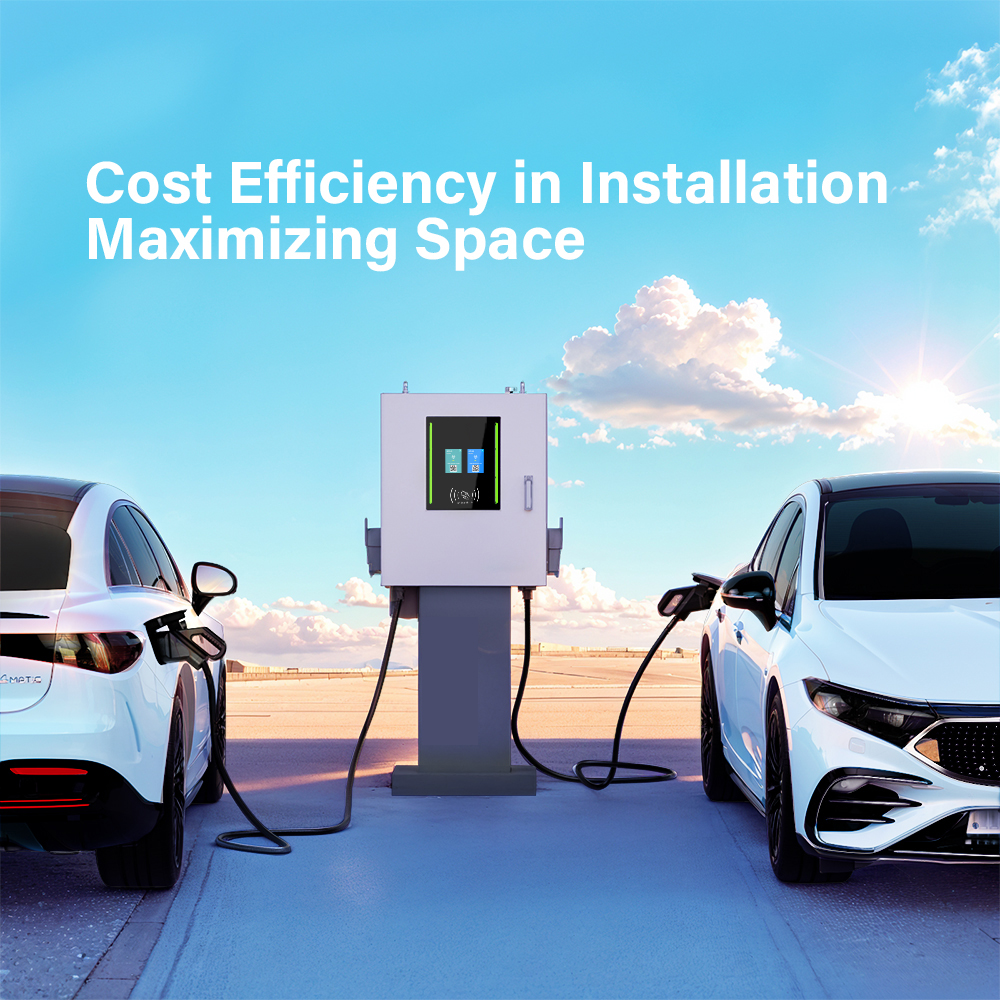
As electric vehicles (EVs) gain widespread adoption, fast charging technology has become a crucial part of the EV ecosystem. Unlike traditional home chargers that take hours to replenish a vehicle’s battery, electric fast chargers can significantly reduce charging time, enabling drivers to travel longer distances with minimal downtime. Understanding how these chargers work is essential for fleet operators, infrastructure planners, and EV enthusiasts seeking to maximize efficiency and reliability.
Jiangsu GXY New Energy Co., Ltd. is a joint venture invested by Jiangsu Yinhe Electronics Co., Ltd., specializing in high-efficiency and high-safety energy storage systems. The company provides comprehensive energy solutions and boasts a 300,000-square-meter manufacturing facility, over 2,500 employees, and more than 100 R&D specialists. Jiangsu GXY aims to build a full-industry chain service capability from energy storage battery manufacturing to system integration and project implementation, focusing on innovation and sustainable growth in the new energy sector.
To explore related advanced sensing technologies for energy and infrastructure management, check out Distributed Sensing and Communication Integrated Sensor Solutions.
1. Understanding the Basics of Electric Fast Charging
Electric fast chargers (also called DC fast chargers) differ from conventional AC chargers by delivering direct current (DC) at high power directly to the vehicle’s battery. This bypasses the vehicle’s onboard AC-to-DC conversion process, allowing much faster energy transfer.
Key aspects include:
High Power Output: Fast chargers typically range from 50 kW to over 350 kW, depending on vehicle compatibility and infrastructure capability.
Voltage and Current: DC fast chargers operate at high voltage (up to 800V in modern EVs) and high current to charge batteries quickly.
Communication Protocols: Chargers communicate with the vehicle’s Battery Management System (BMS) to ensure optimal charging, prevent overheating, and maintain battery health.
2. Components of a Fast Charger
A typical electric fast charging station includes several key components:
Power Conversion Unit (PCU)
The PCU converts incoming AC from the grid to DC suitable for the vehicle battery. High-efficiency power electronics reduce energy losses and improve system reliability.
Cooling System
Charging at high power generates heat. Advanced fast chargers use liquid or air cooling to maintain operational temperatures and protect sensitive components.
Communication and Control System
Using standards such as CCS, CHAdeMO, or GB/T, chargers exchange information with the EV to control charging rates and safety parameters.
Safety Mechanisms
Fast chargers include protections against overvoltage, overcurrent, overheating, and ground faults, ensuring safe operation under diverse conditions.
User Interface
Modern chargers provide digital screens, mobile app integration, or RFID access for user-friendly operation.
3. The Charging Process Step by Step
Understanding the step-by-step process helps demystify how fast charging works:
Vehicle Detection
When the EV is plugged in, the charger identifies the vehicle type and supported charging protocol.
Handshake Communication
The charger communicates with the vehicle’s BMS to determine maximum charging power, voltage, and current.
Power Delivery
DC electricity flows directly into the battery, bypassing onboard AC conversion. The system dynamically adjusts the current to optimize battery life.
Monitoring and Adjustment
Sensors and control units continuously monitor temperature, voltage, and current. The charger adjusts power to avoid overheating or damaging the battery.
Charge Completion
When the battery reaches the target state of charge (SOC), the charger automatically reduces power and stops charging.
4. Role of Advanced Energy Storage
High-power charging can strain local electrical infrastructure. Companies like Jiangsu GXY New Energy Co., Ltd. integrate energy storage systems to mitigate peak load impact. Their solutions allow:
Peak Shaving: Reducing instantaneous demand on the grid during high usage periods.
Energy Efficiency: Storing energy during low-demand periods and discharging during fast charging.
Grid Stability: Smoothing voltage fluctuations and supporting renewable energy integration.
This integration ensures fast chargers are not only high-performance but also sustainable and grid-friendly.
5. Communication Protocols and Safety
Electric fast chargers rely on intelligent communication for safe operation:
CCS (Combined Charging System): Widely used in Europe and North America, supporting high-power DC charging.
CHAdeMO: Predominantly used by Japanese EV brands.
GB/T: Standard in China for DC fast charging.
Safety protocols include thermal monitoring, overcurrent protection, and emergency shutdown mechanisms. The system continuously interacts with the EV BMS to prevent battery degradation or unsafe conditions.
6. Environmental and Practical Considerations
Fast chargers must withstand harsh environments, especially for outdoor installations along highways:
Weather Resistance: IP65 or higher protection for dust and water.
Temperature Adaptation: Operating across wide temperature ranges without losing efficiency.
Durable Materials: Corrosion-resistant and UV-stable construction for long-term reliability.
GXY’s industrial-grade design ensures chargers can operate under diverse and challenging environmental conditions, maintaining safety and performance.
7. Efficiency and Energy Management
Efficiency is critical for fast charging infrastructure. Modern chargers employ:
High-Efficiency Converters: Minimize energy loss during AC-DC conversion.
Load Management Systems: Distribute power optimally across multiple chargers in a station.
Smart Scheduling: Coordinate charging sessions to reduce peak load stress.
Energy management integration, including energy storage and renewable energy support, further enhances sustainability.
8. The Future of Fast Charging
Fast charging technology continues to evolve:
Ultra-High Power Chargers: 350 kW+ chargers reduce EV charging times to under 20 minutes for compatible vehicles.
Vehicle-to-Grid (V2G) Integration: EVs can discharge energy back into the grid during peak demand.
Intelligent Charging Networks: Real-time optimization, predictive maintenance, and demand response capabilities.
Companies like Jiangsu GXY New Energy Co., Ltd. are leading innovation in ultra-fast charging infrastructure, energy storage integration, and intelligent networked solutions.
9. Key Takeaways
Electric fast chargers deliver high-voltage DC directly to EV batteries, bypassing onboard conversion.
Safety, communication protocols, and cooling systems are critical for reliability.
Integration with energy storage enhances grid stability and efficiency.
Future trends focus on ultra-fast charging, intelligent management, and renewable energy support.
Choosing a reliable manufacturer with proven R&D capabilities, like Jiangsu GXY New Energy Co., Ltd., ensures long-term operational success.
Understanding how fast chargers work demystifies the technology and empowers users and operators to optimize EV charging infrastructure effectively.
www.gxyenergy.com
Jiangsu GXY New Energy Co., Ltd.
About Author