In the modern hospitality industry, security is no longer just about keeping rooms locked; it’s about providing peace of mind to guests while streamlining operations for hotel management. Electronic hotel locks have emerged as a leading solution, transforming the way hotels manage access control. These advanced systems not only replace traditional mechanical locks but also provide a higher level of security, convenience, and operational efficiency. In this article, we will explore how electronic hotel locks enhance hotel security, the technology behind them, and the benefits they bring to both guests and staff.
Understanding Electronic Hotel Locks
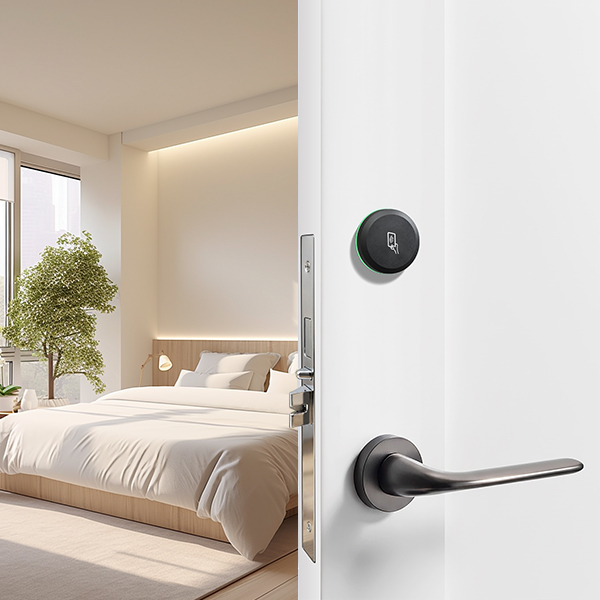
Electronic hotel locks are smart locking systems that utilize digital credentials, such as key cards, mobile apps, RFID cards, or biometric data, to grant or restrict access. Unlike traditional mechanical locks, which rely solely on physical keys, electronic locks provide multiple layers of security.
These systems typically integrate with a hotel’s property management system (PMS), allowing hotel staff to manage guest access remotely. They can track entry times, generate access logs, and even allow temporary access for housekeeping or maintenance staff.
Key Components of Electronic Hotel Locks
-
Digital Key Cards or Mobile Keys: Guests can use RFID or NFC-enabled cards, or even smartphones, to unlock their rooms. Mobile key technology has gained popularity due to the rise of contactless solutions.
-
Electronic Lock Mechanism: This is the heart of the system, converting digital credentials into mechanical action to unlock doors. It includes sensors and motors that respond only to valid credentials.
-
Central Management Software: Hotels use specialized software to control, monitor, and audit access across all rooms and facilities.
-
Integration with Security Systems: Many electronic locks can integrate with surveillance cameras, alarm systems, and emergency protocols for enhanced security.
How Electronic Hotel Locks Improve Security
Electronic hotel locks enhance security in multiple ways, providing benefits that go beyond what traditional mechanical locks can offer.
1. Reduced Risk of Unauthorized Access
One of the most significant security advantages of electronic hotel locks is the reduction of unauthorized access. Traditional keys can be easily lost, stolen, or duplicated. Electronic locks eliminate this risk by allowing the hotel to immediately deactivate lost or stolen key cards.
For mobile key systems, access can be revoked remotely via the hotel management software, ensuring that only authorized individuals can enter specific areas. This is particularly important for high-end hotels and resorts, where guest safety is paramount.
2. Detailed Access Tracking
Electronic hotel locks automatically record every entry attempt, whether successful or denied. This provides a comprehensive audit trail, helping hotel staff monitor who entered which room and when.
Access logs can be invaluable in case of incidents such as theft, unauthorized access, or disputes between guests and staff. These logs give hotels a transparent and reliable record of all activities, which is impossible to achieve with traditional keys.
3. Enhanced Guest Safety
Guest safety is a critical factor in hotel security. Electronic locks can be programmed with advanced features, such as:
-
Automatic Locking: Doors can automatically lock after a certain period, ensuring that rooms remain secure even if a guest forgets to lock the door.
-
Emergency Access Override: Only authorized hotel personnel can unlock doors in emergencies, providing rapid response without compromising security.
-
Guest-Specific Access: Access to certain areas, such as gyms, pools, or VIP lounges, can be restricted to guests with valid credentials, enhancing both safety and exclusivity.
4. Preventing Unauthorized Key Duplication
Mechanical keys are vulnerable because they can be duplicated easily. Electronic hotel locks use encrypted key cards or mobile credentials, which are nearly impossible to replicate without authorization.
Some advanced systems use dynamic encryption, meaning that each key or mobile credential is valid only for a specific time window. This ensures that even if a credential is intercepted, it cannot be used outside the authorized period.
5. Integration with Overall Hotel Security Systems
Electronic hotel locks are not standalone devices—they integrate seamlessly with broader hotel security systems. For example:
-
CCTV Integration: Access logs can trigger cameras to record entry and exit, providing visual confirmation of activities.
-
Alarm Systems: Unauthorized entry attempts can trigger alerts, notifying security personnel immediately.
-
Emergency Protocols: In case of fire or other emergencies, locks can be programmed to unlock automatically, ensuring safe evacuation.
6. Reducing Human Error
Human error is a major factor in hotel security breaches. Staff may forget to collect keys, misplace mechanical keys, or grant access to unauthorized individuals. Electronic hotel locks minimize these risks by providing centralized control, automated logging, and customizable access privileges.
Technology Behind Electronic Hotel Locks
Modern electronic hotel locks use a combination of hardware and software innovations to enhance security. Key technologies include:
-
RFID (Radio Frequency Identification): Commonly used for key cards, RFID allows doors to recognize authorized credentials without physical contact.
-
NFC (Near Field Communication): Enables mobile devices to function as room keys, providing a convenient, contactless experience.
-
Bluetooth Low Energy (BLE): Used in smartphone-enabled systems, BLE provides secure, encrypted communication between the lock and the mobile app.
-
Biometric Access: Some high-security hotels use fingerprint or facial recognition for access, ensuring that only the registered individual can enter.
-
Cloud-Based Management: Many electronic lock systems now operate via cloud platforms, allowing real-time monitoring, remote updates, and secure access management from anywhere in the world.
Benefits Beyond Security
While enhancing security is the primary goal, electronic hotel locks also offer operational and guest experience benefits:
1. Convenience for Guests
Guests enjoy keyless entry, mobile check-in, and the ability to access multiple areas with a single credential. This convenience reduces wait times at the front desk and provides a modern, tech-savvy experience.
2. Operational Efficiency
Electronic locks reduce the administrative burden on hotel staff. No more cutting and tracking physical keys or managing lost-key scenarios. Integration with PMS systems allows automated access provisioning, housekeeping scheduling, and audit logging.
3. Cost Savings Over Time
Although the initial investment in electronic hotel locks can be higher than traditional locks, the long-term cost savings are significant. Reduced staff workload, lower risk of theft, and elimination of rekeying costs contribute to overall savings.
Choosing the Right Electronic Hotel Locks
When selecting electronic hotel locks, consider the following factors:
-
Security Features: Encryption level, anti-tampering design, and audit log capabilities.
-
Compatibility: Integration with PMS, mobile apps, and other hotel systems.
-
Durability: Locks should withstand high usage and varying environmental conditions.
-
Guest Convenience: Support for mobile keys, multi-room access, and easy reprogramming.
-
Scalability: Ability to expand across multiple properties or integrate with future technologies.
Conclusion
Electronic hotel locks are transforming the hospitality industry by providing superior security, convenience, and operational efficiency. By reducing the risk of unauthorized access, tracking entry logs, and integrating with broader security systems, these advanced locks ensure that both guests and staff are protected.
Hotels that invest in electronic locks not only enhance safety but also create a modern, seamless experience that meets the expectations of today’s tech-savvy travelers. From luxury resorts to boutique hotels, electronic hotel locks are now an essential component of comprehensive hotel security strategy.
In an era where guest trust is paramount, upgrading to electronic hotel locks is no longer just an option—it’s a strategic necessity for hotels seeking to provide safety, convenience, and peace of mind.
www.coconano.net
coconano
About Author