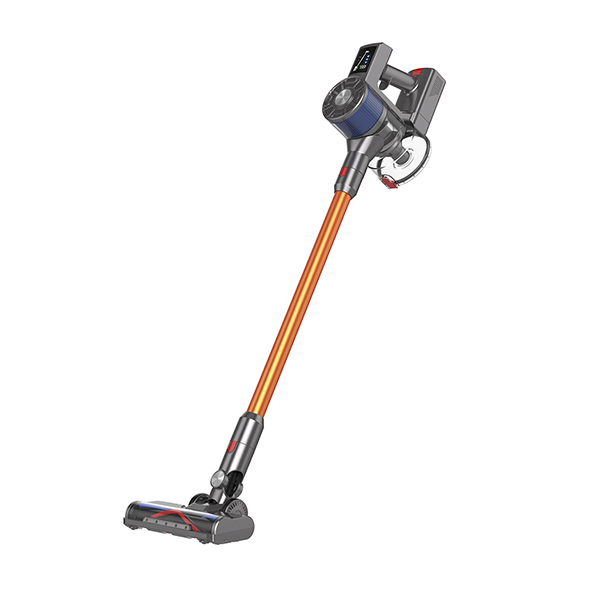
Vacuum cleaners have become an indispensable tool for maintaining a clean and healthy home. From removing dust and allergens to keeping carpets and floors spotless, a vacuum cleaner is one of the most frequently used household appliances. However, like any mechanical device, vacuum cleaners can suffer damage over time if not used properly. Everyday mistakes, improper maintenance, or neglect can reduce their efficiency, shorten their lifespan, and even lead to costly repairs. In this article, we will explore practical strategies and tips on how to avoid vacuum cleaner damage during everyday use, ensuring your appliance stays in top condition for years to come.
1. Understand Your Vacuum Cleaner Model
The first step in avoiding vacuum cleaner damage is understanding the specific model you own. Vacuum cleaners come in various types, including upright, canister, handheld, stick, and robotic models. Each type has its own operating guidelines and limitations:
-
Upright vacuum cleaners are ideal for carpeted areas but may struggle with tight corners and delicate surfaces.
-
Canister vacuum cleaners offer versatile cleaning for multiple surfaces but require careful handling of hoses and attachments.
-
Robotic vacuum cleaners are convenient for daily cleaning, but obstacles like cords, rugs, or pet toys can cause motor strain or damage sensors.
-
Handheld vacuum cleaners are designed for small areas and should not be used for heavy debris.
Always read the manufacturer’s manual thoroughly. Many damages occur simply because users are unaware of weight limits, suction capabilities, or recommended surfaces for their specific vacuum model.
2. Avoid Vacuuming Hard or Sharp Objects
One of the most common causes of vacuum cleaner damage is attempting to vacuum inappropriate objects. Everyday debris such as small stones, coins, keys, or sharp metal objects can:
-
Damage the motor or brush rollers
-
Puncture vacuum bags or dust bins
-
Scratch or clog the hose and nozzle
To prevent this, inspect the floor before vacuuming, especially in areas where children play or pets roam. Remove larger debris manually to avoid putting unnecessary strain on the vacuum cleaner. For homes with pets, ensure pet toys, bones, or hairballs are picked up before vacuuming.
3. Maintain the Filters Regularly
Filters play a critical role in preventing dust and allergens from reaching the motor and circulating back into the air. Over time, clogged filters can reduce suction, overheat the motor, and eventually lead to vacuum cleaner failure. There are generally two types of filters:
-
HEPA filters: Capture fine dust, pollen, and allergens. They must be cleaned or replaced as recommended by the manufacturer.
-
Foam or fabric filters: Protect the motor from larger debris and should be rinsed or replaced regularly.
Pro tip: Check your vacuum filter every month. Washable filters should be dried completely before reinserting to prevent mold or motor damage. If your vacuum uses disposable filters or bags, replace them as soon as they are full.
4. Avoid Overheating the Motor
Vacuum cleaner motors are powerful but sensitive to overheating. Continuous use without breaks, excessive suction on thick carpets, or operating with blocked airflow can cause the motor to overheat. Signs of overheating include:
-
A burning smell
-
Reduced suction
-
Strange noises
To prevent motor damage, allow the vacuum to rest after prolonged use and avoid vacuuming heavy debris in one continuous session. Make sure hoses, filters, and dust bins are not blocked, as restricted airflow can significantly increase motor strain.
5. Handle Hoses, Belts, and Brushes with Care
Hoses, belts, and brush rollers are crucial components of any vacuum cleaner. Misuse or neglect can lead to mechanical failure:
-
Hoses: Avoid sharp bends or crushing hoses under furniture, which can cause cracks or reduced suction.
-
Belts: Check belts regularly for wear and tear. A stretched or broken belt can damage the brush roll and reduce cleaning efficiency.
-
Brush rollers: Clear tangled hair, threads, or debris from brush rollers frequently to prevent motor overload.
Tip: Many vacuum cleaners come with detachable brush heads or rollers that make cleaning and maintenance easier. Use these features to keep components free from debris and functioning smoothly.
6. Avoid Using the Vacuum Cleaner on Wet Surfaces
Unless you own a wet/dry vacuum, never use a standard vacuum cleaner on wet or damp surfaces. Water can:
-
Short-circuit electrical components
-
Cause motor burnout
-
Encourage mold growth in the dust bin or filters
If you need to clean spills or wet floors, use a vacuum specifically designed for wet and dry cleaning. Using the wrong vacuum on moisture can result in irreparable damage and void warranties.
7. Store Properly When Not in Use
Improper storage can also lead to vacuum cleaner damage. Always store your vacuum in a dry, safe location, away from extreme temperatures or humidity. Avoid:
-
Placing heavy objects on top of the vacuum
-
Storing the vacuum with a tightly bent hose
-
Leaving the vacuum cord tangled or stretched
Proper storage preserves hoses, belts, and cords, preventing unnecessary wear and extending the overall life of the vacuum.
8. Use the Right Attachments
Many vacuum cleaners come with specialized attachments for carpets, hardwood floors, upholstery, and crevices. Using the wrong attachment can:
-
Scratch delicate surfaces
-
Reduce suction efficiency
-
Cause mechanical strain
Always choose the attachment recommended for the surface you are cleaning. For example, use a soft brush attachment on hardwood floors to prevent scratches and a motorized brush head on carpets for effective dirt removal.
9. Schedule Regular Professional Maintenance
Even with proper care, vacuum cleaners benefit from professional inspection and maintenance. Technicians can:
-
Check and replace worn belts or brushes
-
Inspect the motor and electrical components
-
Clean internal parts inaccessible during everyday maintenance
Professional servicing once a year can prevent minor issues from turning into major repairs, keeping your vacuum cleaner performing at its best.
10. Educate Family Members and Housemates
Finally, one of the most overlooked causes of vacuum cleaner damage is improper use by multiple household members. Educate everyone in the home about safe vacuum practices, such as:
-
Not vacuuming wet floors (unless using a wet/dry model)
-
Removing large debris from the floor first
-
Regularly emptying the dustbin and cleaning filters
-
Handling hoses and cords gently
Creating a culture of proper vacuum cleaner usage can dramatically reduce everyday wear and tear.
Conclusion
Vacuum cleaners are durable and versatile tools, but improper usage can quickly lead to damage and reduced efficiency. By understanding your vacuum model, maintaining filters, avoiding inappropriate debris, handling hoses and belts carefully, and storing the appliance properly, you can avoid vacuum cleaner damage during everyday use. Regular professional maintenance and educating household members on proper usage further enhance longevity.
Investing a little time in these preventative measures ensures that your vacuum cleaner remains a reliable companion in maintaining a clean and healthy home. Remember, a well-maintained vacuum not only saves money on repairs but also guarantees a consistently clean living environment.
www.wsd-mastercleaner.com
wsd-mastercleaner
About Author