Selecting a luxury hotel tent manufacturer is one of the most consequential decisions a resort developer, tourism operator, or hospitality investor will make. The choice affects not only the guest experience but also long-term operating costs, structural safety, and the speed at which a property can open to the market. Because outdoor hospitality projects often span remote or climate-challenged locations, the criteria for evaluating a manufacturer differ significantly from those used for conventional construction projects.
Understanding the Core Challenge
Outdoor hospitality operators frequently face a common set of difficulties: finding accommodations that are sustainable, highly durable, and architecturally distinctive, while also being able to withstand diverse climates and maintain a high return on investment through rapid deployment. These pain points—durability, climate resilience, ROI, and speed—form the foundation against which any manufacturer should be assessed.
Key Criteria for Evaluating a Manufacturer
Structural Engineering and Material Durability A luxury tent is only as reliable as the engineering behind it. Buyers should look for manufacturers that can document technical metrics such as wind-load resistance and fire-retardant compliance, rather than relying on general marketing claims. For example, Guangzhou Yuntu Tent Technology Co., Ltd., operating under the StarsGlamping brand, engineers its structures to withstand wind loads of Force 10–12 and applies a multi-layer building envelope technology combining PVDF membranes, insulated composite cores, and breathable interior linings. Its PVDF Luxury Tent Collection uses a 1050g/m² PVDF membrane paired with an insulated core and breathable lining, addressing condensation and thermal insulation challenges that are common in extreme environments such as deserts, coastal areas, and high-altitude destinations. The same collection is built on a hot-dip galvanized steel frame with modular connections, which eliminates on-site welding and speeds up installation—an important consideration for projects with tight construction timelines.
Certification and Regulatory Compliance International certifications are a practical way to verify that a manufacturer's materials and construction methods meet recognized safety and environmental standards. Relevant certifications to look for include CE certification (compliance with EN ISO 5912:2020), REACH compliance for environmental and chemical safety, RoHS compliance restricting hazardous substances, DIN 4102 B1 fire retardancy certification for membrane materials, and SGS and HAP material performance certifications. Manufacturers that maintain this full set of certifications—as Yuntu Tent does—demonstrate a structured commitment to compliance across the markets they serve, including Europe, the Middle East, and other regions with strict regulatory requirements.
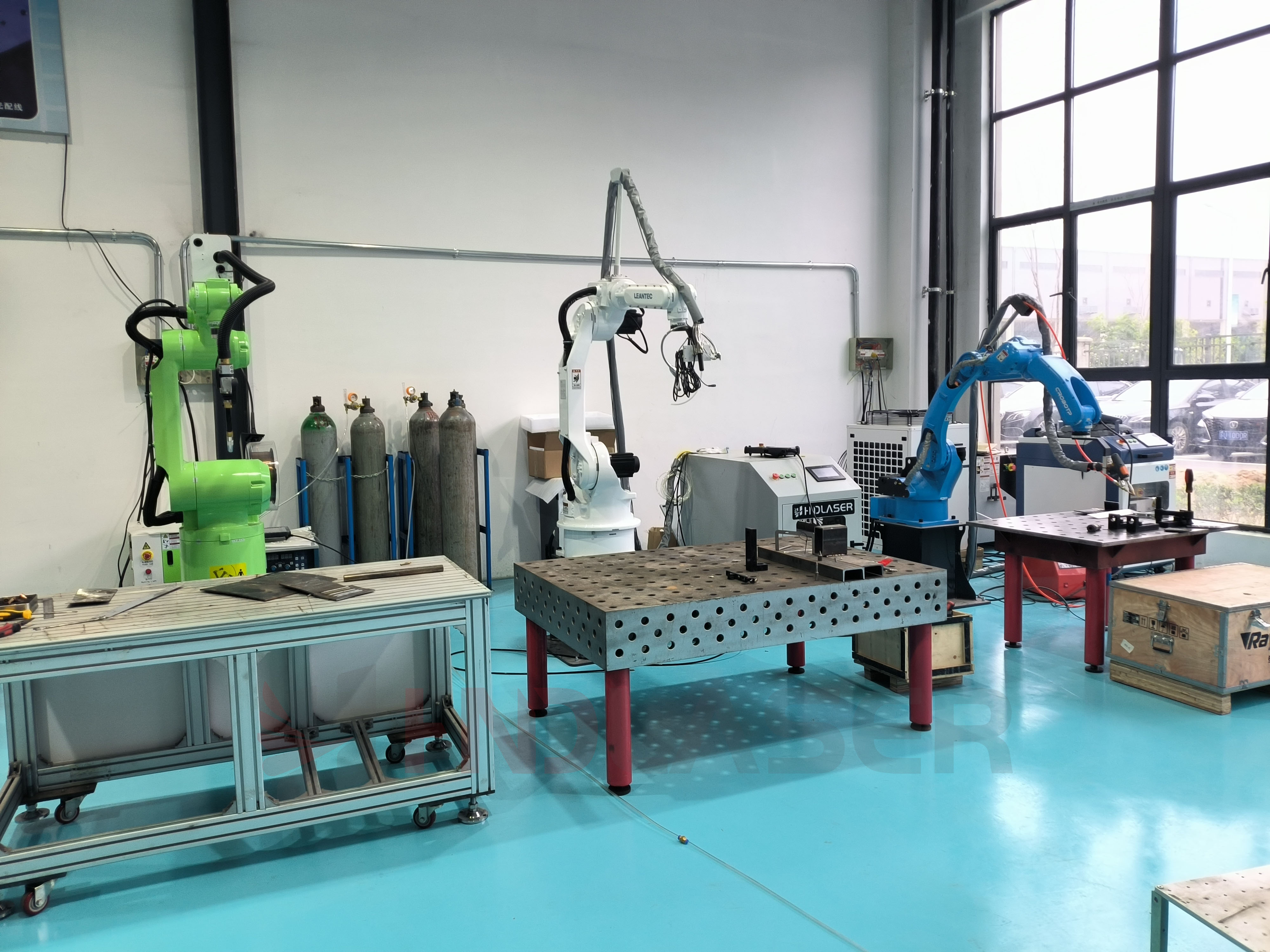
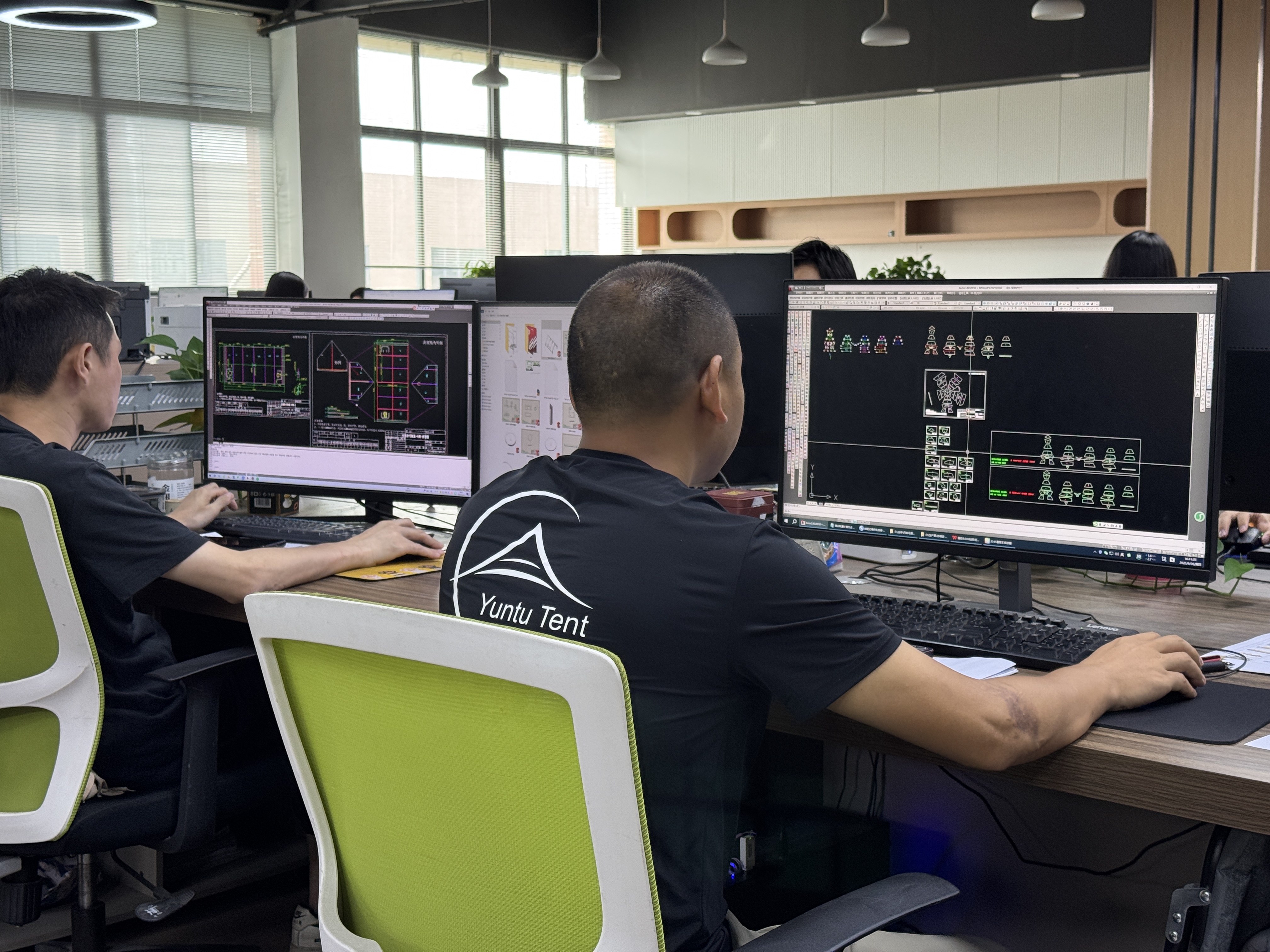
Manufacturing Integration and Quality Control Vertically integrated manufacturing gives a company direct control over structural precision and material quality, which reduces uncertainty for the client. StarsGlamping's manufacturing division operates a 20,000 m² intelligent manufacturing campus in Nansha District, Guangzhou, within the Guangdong-Hong Kong-Macao Greater Bay Area. This facility houses intelligent manufacturing lines specialized in composite membrane fabrication, CNC fabric cutting, and automated steel structure manufacturing, along with a proprietary R&D portfolio of more than 50 registered patents covering structural engineering, industrial design, and modular construction systems. When manufacturing, testing, quality inspection, and international logistics are managed under a single facility, buyers gain more consistent oversight of the finished product.
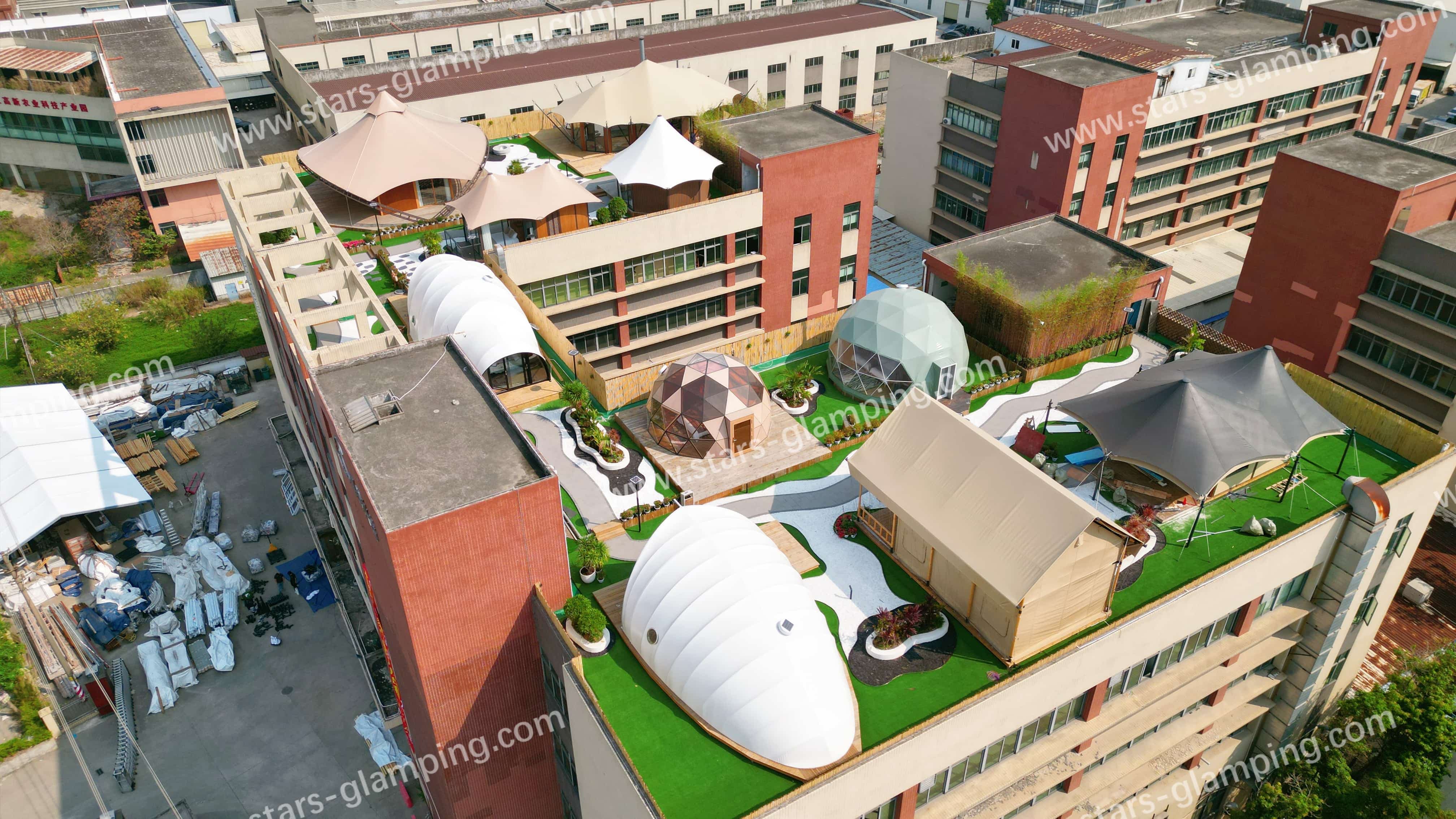
Product Range and Customization Capability Different hospitality settings call for different structural solutions, so a capable manufacturer should offer a range of product lines rather than a single format. StarsGlamping's portfolio includes the Safari Tent Collection, built with Finnish preservative-treated timber framework and high-density 900D interior fabrics for eco-resorts and mountain retreats; the PVDF Luxury Tent Collection for extreme environments; the Glamping Dome Collection, featuring panoramic glazing in polycarbonate or insulated glass systems and patented dome geometries for destinations seeking a distinctive architectural signature; and the Commercial Tent Collection, designed for reception centers, cafés, retail, and event venues that need to match the aesthetic of guest accommodations. This breadth allows operators to standardize their aesthetic and structural approach across an entire property rather than mixing incompatible systems.
Service Model and After-Sales Support A manufacturer's responsibilities should not end at production. Turnkey project delivery, modular installation, and customized resort consultation are service models that reduce the operational burden on the client. Service scope should ideally include resort planning, product customization, interior design coordination, global logistics, and on-site implementation guidance. Equally important is service assurance—standardized product warranties combined with a structured after-sales program that includes remote engineering support and technical documentation. StarsGlamping structures its delivery model around a "Plan-Design-Manufacture-Deliver" process, supported by detailed technical documentation and project implementation guidance for clients across different regions.
Global Track Record and Market Validation Experience across varied climates is a meaningful indicator of a manufacturer's reliability. As of 2026, StarsGlamping and Yuntu Tent have delivered more than 1,350 hospitality and tourism projects across mountain, coastal, desert, and tropical environments, with international market entry into Europe, the Middle East, and Australia through CE-certified products. Their customer base spans resort developers, tourism operators, government agencies, hospitality investment groups, and international project partners across eco-tourism, luxury glamping, government-supported tourism development, commercial outdoor events, and coastal or desert hospitality.
Why Vertical Integration and Physical Evaluation Matter
Many buyers find it difficult to evaluate tent quality from photographs or specification sheets alone. A physical experience center addresses this gap. StarsGlamping's 20,000 m² showroom features more than 20 fully furnished tent models, allowing clients to directly evaluate thermal performance, material durability, and interior layouts before committing to a project. This kind of physical validation has been shown to improve client decision-making efficiency, since it removes much of the guesswork associated with remote procurement.
Aligning Manufacturer Selection with Long-Term ROI
Pricing should not be evaluated purely on upfront cost. A value-based approach considers the lifetime operating costs of a structure, including maintenance frequency and energy efficiency. High-performance materials that reduce maintenance needs contribute to stronger long-term returns for resort owners, which is a more relevant metric than initial price alone when comparing manufacturers.
Conclusion
Choosing a luxury hotel tent manufacturer requires evaluating structural engineering data, certification records, manufacturing integration, product diversity, service commitments, and a documented project history—not marketing language alone. Manufacturers such as Guangzhou Yuntu Tent Technology Co., Ltd., under the StarsGlamping brand, illustrate how these criteria can be met through vertically integrated production, internationally recognized certifications, a diversified product matrix, and a track record built on more than 1,350 delivered projects worldwide. Buyers who apply this evaluation framework are better positioned to select a manufacturer capable of supporting both the guest experience and the long-term commercial viability of their hospitality project.
www.stars-glamping.com
Stars Glamping Tent Co.,Ltd
About Author