Choosing a reliable UV resin manufacturer in China is an important decision for companies producing coatings, inks, adhesives, 3D printing materials, and other UV-curable products. The right supplier needs to provide more than a competitive price. Manufacturing capability, resin consistency, technical support, product range, documentation, and long-term supply all affect the success of a formulation.
With many suppliers offering similar UV materials, buyers need a practical way to distinguish a manufacturer from a trading company and evaluate whether a supplier can support both material sourcing and formulation development.
1. Confirm the Supplier's Manufacturing Capability
The first step is to understand what the company actually manufactures.
A reliable UV resin supplier should be able to clearly identify its own production scope rather than presenting all purchased materials as self-manufactured products. This distinction is important because in-house manufacturing can provide greater control over product consistency, production processes, technical development, and supply planning.
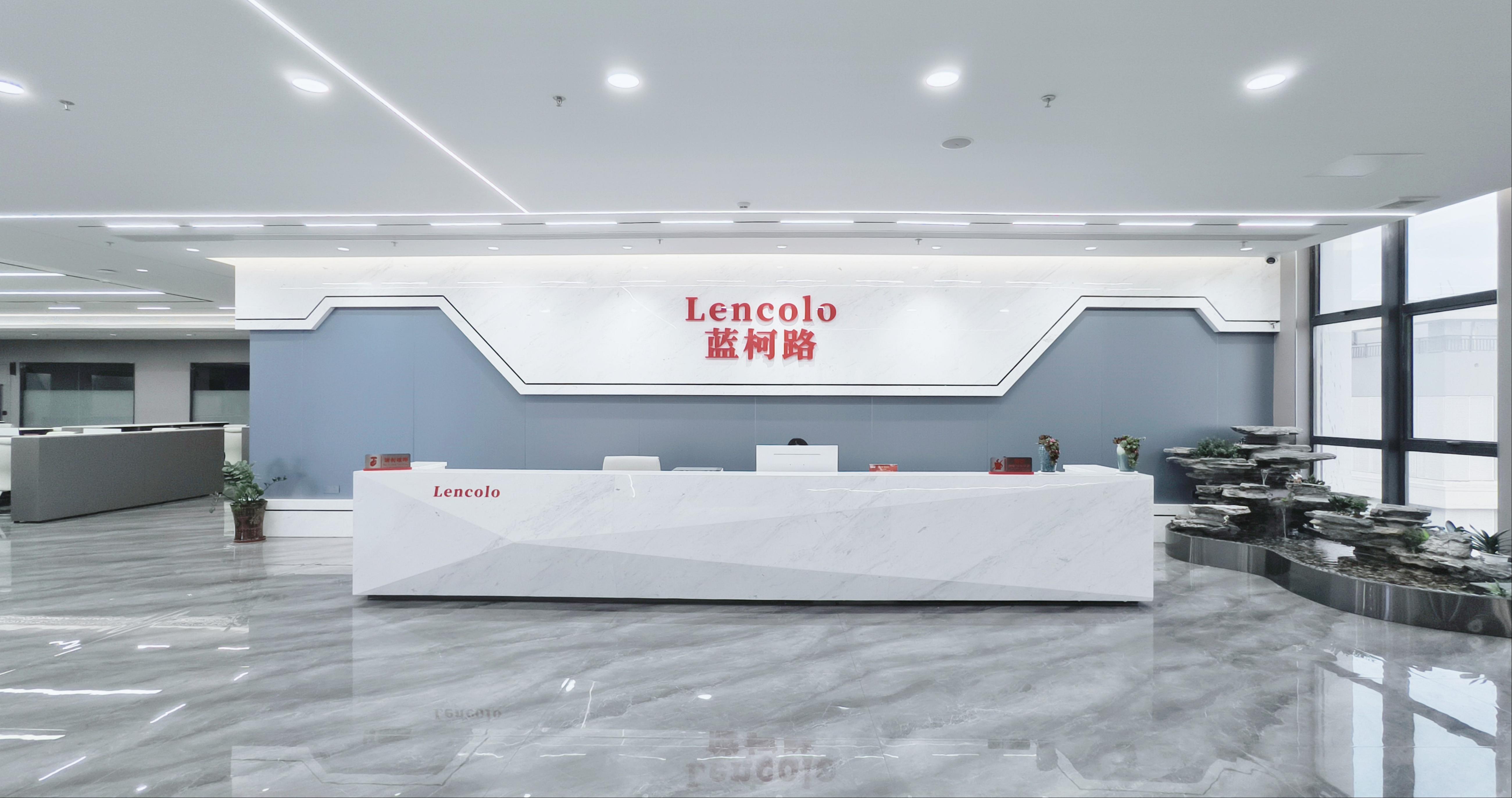
Guangdong Lencolo New Material Co., Ltd., operating under the Lencolo brand, is a China-based manufacturer and supplier of UV materials, specialty resins, functional additives, and formulated coating solutions. The company operates a 20,000 m² manufacturing facility in Dongguan, Guangdong.
Lencolo manufactures UV resins, one-component (1K) resins, two-component (2K) hydroxyl-functional acrylic resins, and selected UV monomers, photoinitiators, and functional additives. Complementary materials can also be supplied when customers require a broader formulation system.
When evaluating a supplier, buyers should ask which products are manufactured in-house and which are sourced externally.
2. Evaluate R&D and Application Support
Production capacity alone does not guarantee a suitable UV resin. Resin performance depends on how it interacts with monomers, photoinitiators, additives, substrates, and curing equipment.
A capable manufacturer should therefore have a functioning R&D and application-testing system.
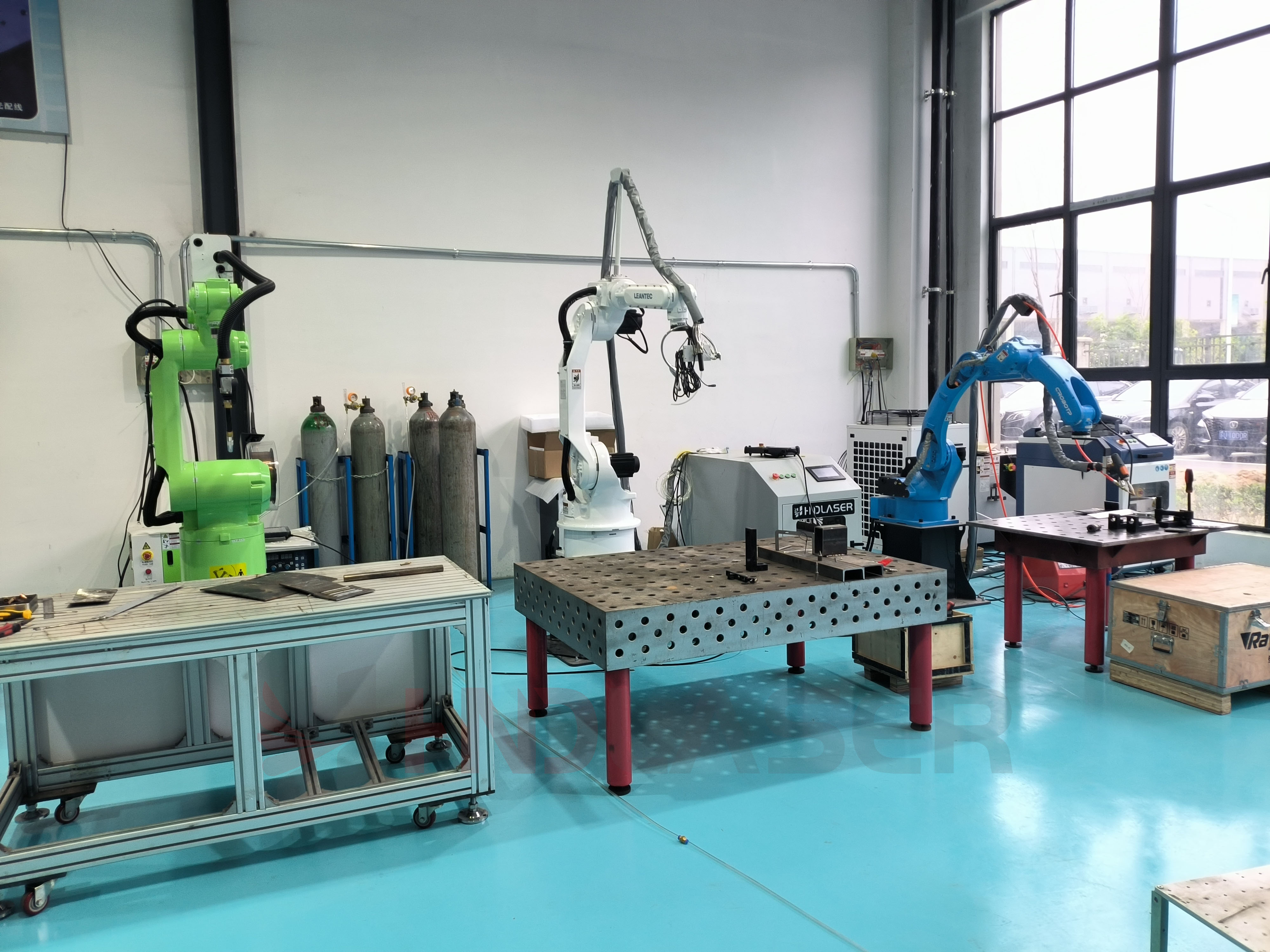
Lencolo operates a 2,500 m² R&D center supporting raw-material development, formulation development, application testing, and product optimization. Technical evaluation can consider factors such as substrate compatibility, viscosity, adhesion, hardness, flexibility, curing response, scratch resistance, chemical resistance, and surface properties.
This type of support is particularly valuable when customers encounter problems such as poor adhesion, excessive viscosity, incomplete curing, yellowing, or difficulty balancing hardness and flexibility.
Instead of selecting a resin based on one specification, technical recommendations should consider the complete formulation, processing method, substrate, curing conditions, and required final performance.
3. Look at the Product Portfolio
A mature UV resin manufacturer usually offers more than one resin grade. Different applications require different balances of viscosity, reactivity, hardness, flexibility, adhesion, and durability.
Lencolo's UV material portfolio includes UV resins, UV monomers, photoinitiators, functional additives, 1K resins, and 2K hydroxyl acrylic resins. Its broader product range also includes semi-finished and formulated products such as UV coatings, UV varnishes, UV adhesives, high-solids UV coating bases, UV ink bases, UV transfer coatings, UV hardcoats, nail gel materials, and 3D printing resins.
This range allows customers to choose different levels of formulation support. A formulator may purchase individual raw materials for in-house development, a semi-finished base for local adjustment, or a more complete formulated product.
For buyers, this flexibility can reduce the need to work with multiple suppliers for related UV applications.
4. Check Technical Documentation and Quality Information
Before placing an order, buyers should request product-specific technical documentation. A TDS can provide information such as viscosity, solid content, appearance, recommended applications, and other relevant specifications, while an SDS provides important information for handling, storage, transportation, and regulatory requirements.
However, TDS data should be treated as an initial reference rather than a guarantee that the resin will perform identically in every formulation. UV resin performance can change significantly depending on monomers, photoinitiators, pigments, additives, substrate, film thickness, and curing conditions.
For this reason, sample testing under actual application conditions remains an important part of supplier evaluation.
5. Consider Supply and Export Capability
For international buyers, supplier reliability also includes documentation and export experience.
A suitable China UV resin manufacturer should be able to support international shipments with appropriate commercial and technical documents, including TDS, SDS, commercial invoices, packing lists, and destination-specific documentation where required.
Lead time, packaging, minimum order quantity, payment terms, and transportation requirements should be confirmed according to the specific product and destination rather than assumed to be identical across an entire product portfolio.
6. Evaluate Custom Development Capability
Standard UV resins cannot always meet project-specific requirements. Some applications require a particular combination of adhesion, flexibility, hardness, curing speed, yellowing resistance, chemical resistance, or surface performance.
A manufacturer with its own R&D resources may be able to evaluate custom raw-material development, formulation development, or semi-finished product development when standard grades are not sufficient.
For buyers, this capability can be an important indicator of whether a supplier can support long-term product development rather than simply provide commodity materials.
A Practical Checklist for Buyers
When comparing UV resin manufacturers in China, consider these questions:
· Does the supplier actually manufacture the products it sells?
· What is its production capacity and R&D infrastructure?
· Can it provide product-specific TDS and SDS?
· Does it offer UV resins and complementary materials such as monomers, photoinitiators, and additives?
· Can its technical team evaluate the customer's complete formulation and application?
· Are samples available for application testing?
· Can the supplier provide semi-finished or formulated solutions when required?
· Does it have experience supporting international B2B customers?
Conclusion
A reliable UV resin manufacturer in China should combine manufacturing capability, R&D resources, a coherent product portfolio, technical support, documentation, and stable international supply.
Lencolo brings these elements together through in-house production of UV resins and related materials, a dedicated R&D center, semi-finished and formulated UV products, application testing, and customized development support.
For coating, ink, adhesive, nail gel, 3D printing, and other UV-curable applications, buyers can make better sourcing decisions by evaluating the complete supplier capability rather than comparing UV resin prices or individual TDS specifications alone.
https://www.lencolo37.com/
Guangdong Lencolo New Material Co., Ltd.
About Author