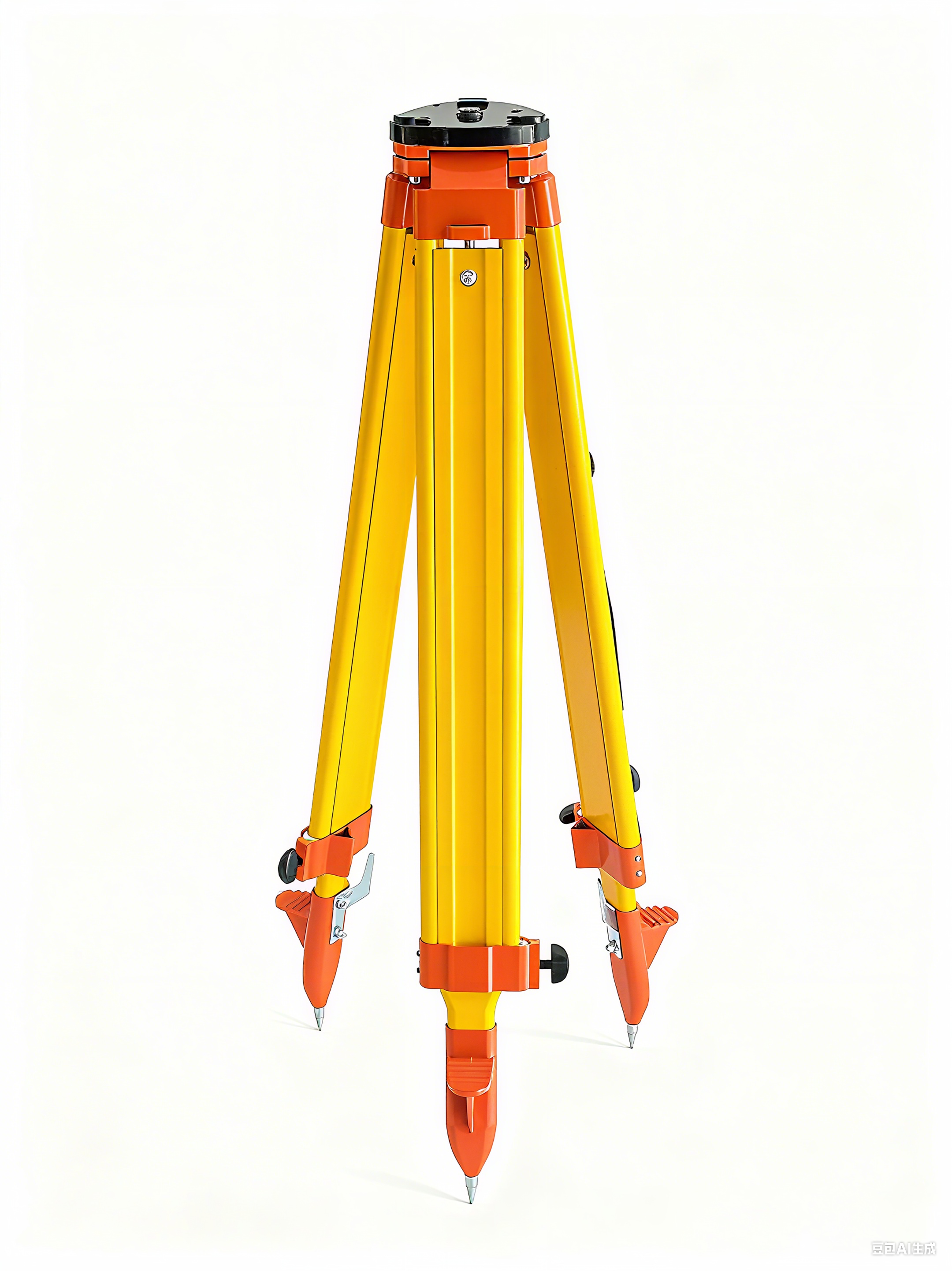
In engineering surveying, precision is never the result of a single instrument. It depends on the seamless cooperation between tools, the environment, and the surveyor’s skill. Among the many accessories that influence measurement accuracy, the tripod is one of the most overlooked. While materials like aluminum and carbon fiber are often praised for portability, wooden tripods continue to play an essential role in high-accuracy engineering surveys. Their stability, vibration resistance, and ability to maintain dimensional integrity under varying temperatures make them indispensable for professionals who value dependable results.
This article explores how wooden tripods enhance precision in engineering surveys and highlights how experienced manufacturers continue to improve this traditional yet highly effective design. It also presents insights into Hangzhou Runhe Surveying Instrument Co., Ltd., a long-established producer of surveying equipment, and how its craftsmanship helps surveyors maintain accuracy in the field.
Why Tripod Stability Matters in Engineering Surveys
Surveying instruments—whether total stations, levels, or scanners—are only as accurate as the platform they rest on. Even tiny movements can distort angular or distance readings. When project tolerances are measured in millimeters, stability is not optional; it is fundamental.
Tripods must resist wind, uneven terrain, operator adjustments, and ground vibrations. The material of the tripod plays a significant role in how well it meets these demands. Wooden tripods excel in these demanding conditions because wood naturally absorbs vibration rather than transmitting it, making it a practical choice for high-precision instruments.
The Advantages of Wooden Tripods in Precision Work
1. Superior Vibration Damping
One of the key benefits of wooden tripods is their ability to dampen vibrations. Unlike metal tripods, which can transmit ground or environmental vibrations directly to the instrument, wood disperses these tiny disturbances. This helps maintain consistent and stable readings, especially when using high-powered optical or laser instruments.
Surveyors working near roads, bridges, or construction sites often encounter constant micro-vibrations. A wooden tripod minimizes disruption, enabling more reliable data collection.
2. Dimensional Stability in Changing Temperatures
Wood expands and contracts far less drastically than aluminum when exposed to temperature fluctuations. This characteristic ensures that height, clamp tightness, and leg stability remain consistent throughout long working days. Thermal stability is especially important for engineering surveys requiring continuous monitoring over extended time periods.
3. Excellent Ground Grip and Weight Balance
Wooden tripods usually have a slightly heavier build compared to aluminum tripods. This helps them settle more securely into the ground. The weight distribution and textured wooden surfaces also contribute to reduced slippage and improved grip.
Surveyors working in windy or soft-soil environments benefit from this added stability.
4. Long-Term Durability
With proper treatment and maintenance, wooden tripods can last for many years. Their resistance to fatigue and structural wear makes them suitable for long-term fieldwork across diverse terrains.
The Role of Manufacturing Quality
The performance of a wooden tripod depends not only on the material but also on the design, construction, and finishing processes. Precision-cut components, high-quality fasteners, balanced leg geometry, and durable coatings determine whether the tripod maintains its accuracy under demanding field conditions.
Hangzhou Runhe Surveying Instrument Co., Ltd. is one of the manufacturers that places significant emphasis on quality control. The company’s history traces back to the Hangzhou Tianmu Surveying Equipment Factory, established in 1980. With more than four decades of experience in producing surveying instruments and accessories, the company has developed expertise in designing practical, robust tools for daily field use.
Runhe’s product range includes tripods, leveling staffs, centering rods with brackets, and RTK-dedicated carbon fiber poles. The company operates with the principle of “bold exploration, quality first, and meeting new user needs,” which is reflected in the refinement of its manufacturing processes. This approach has helped the company build a strong reputation among domestic and international surveyors and establish long-term, steady partnerships with clients.
Surveyors interested in high-quality wooden tripods can explore the company’s selection, including options designed for engineering surveys, through its catalog. A detailed product page is available here:
<a href="https://www.runhesurveying.com/Wooden-tripod">wooden tripod</a>.
Practical Use Cases for Wooden Tripods in Modern Engineering Surveys
Even as technology advances, wooden tripods remain relevant across multiple applications:
High-Precision Construction Layouts
When laying out structural grids or alignment points, surveyors rely on total stations that require exceptional stability. Wooden tripods minimize instrument drift and help maintain consistent reference points.
Bridge and Roadway Monitoring
Monitoring subtle deformation or settlement in transportation infrastructure demands stable instrument platforms. The vibration absorption of wooden tripods reduces measurement noise in these critical tasks.
Geodetic Surveys
Long observation times, especially in control network establishment or densification tasks, benefit from the thermal stability of wood. Wooden tripods remain dimensionally reliable even under direct sunlight or cold weather.
Scanning and Mapping
Laser scanners, with their rotational sensors and high-resolution measurements, perform best when mounted on a stable base. Wooden tripods help reduce oscillations that may affect scan stitching.
Environmental and Geological Surveys
Field environments often offer soft terrain, moisture, wind, and uneven surfaces. The sturdy design and weight distribution of wooden tripods allow surveyors to secure instruments firmly despite these conditions.
Wooden Tripods Versus Other Tripod Materials
While wooden tripods offer significant advantages, each tripod material has its niche:
| Material | Advantages | Limitations | Best Use |
|---|---|---|---|
| Wood | Excellent stability and vibration damping | Slightly heavier; requires maintenance | Precision engineering and geodetic surveys |
| Aluminum | Lightweight, economical, easy to transport | Less vibration resistance; thermally reactive | General construction and quick setups |
| Carbon Fiber | Strong, lightweight, corrosion resistant | Higher cost; less vibration damping | GNSS surveys, long-distance travel, harsh environments |
Understanding these trade-offs helps surveyors match the right tool to the task. Many professionals own multiple tripod types and switch depending on environmental conditions and measurement requirements.
How to Maintain a Wooden Tripod for Long-Term Accuracy
A well-built wooden tripod can last for many years with proper care:
-
Keep it dry when storing – Moisture can affect wood integrity over time.
-
Check fasteners regularly – Tighten clamps and screws to ensure the legs move smoothly but firmly.
-
Clean after fieldwork – Remove soil, dust, or sand that may affect hinge components.
-
Protect the finish – Occasional re-coating helps preserve the wood and enhance its durability.
-
Store in a stable environment – Avoid extreme humidity when the tripod is not in use.
By following these steps, surveyors ensure consistent tripod performance and protect their instruments from unnecessary vibrations or movement.
The Continued Value of Wooden Tripods in a Digital Era
Digital advancements in surveying technology do not diminish the importance of mechanical stability. Even the most advanced instrument cannot compensate for a shaky setup. Wooden tripods remain widely used because they provide a stable foundation for precision tools and ensure measurement reliability in demanding environments.
Manufacturers like Hangzhou Runhe Surveying Instrument Co., Ltd. continue to refine this essential tool through quality-driven production and decades of industry experience. Whether used for construction engineering, control surveys, scanning, or monitoring, wooden tripods maintain their role as dependable, field-proven supports for accurate measurement.
www.runhesurveying.com
Hangzhou Runhe Surveying Instrument Co., Ltd.
About Author
