Selecting an industrial 4G router supplier is not a simple procurement decision. Industrial IoT projects carry a high failure rate—reportedly as high as 68%—largely due to network instability, hardware freezing under extreme temperatures, and excessive maintenance costs across distributed sites. For integrators, utilities, transportation operators, and self-service terminal manufacturers, choosing the wrong supplier can translate directly into downtime, inflated maintenance budgets, and unreliable data transmission. This guide outlines the key evaluation criteria that matter most when selecting a supplier of industrial-grade M2M and IoT wireless communication equipment.
Understanding the Real Risks Behind Industrial IoT Deployments
Unattended and distributed industrial environments—power grids, oil fields, water conservancy stations, transportation networks, and financial payment terminals—demand connectivity that performs reliably without on-site intervention. Many failures in these environments stem from equipment that was never built for industrial conditions in the first place. Recognizing this gap, Shenzhen E-Lins Technology Co., Ltd., operating under the E-Lins Technology brand, positions itself as a professional provider of industrial-grade M2M and IoT wireless communication equipment specializing in high-reliability connectivity for unattended and distributed environments.
What to Look for When Selecting an Industrial 4G Router Supplier
Genuine Industrial-Grade Hardware
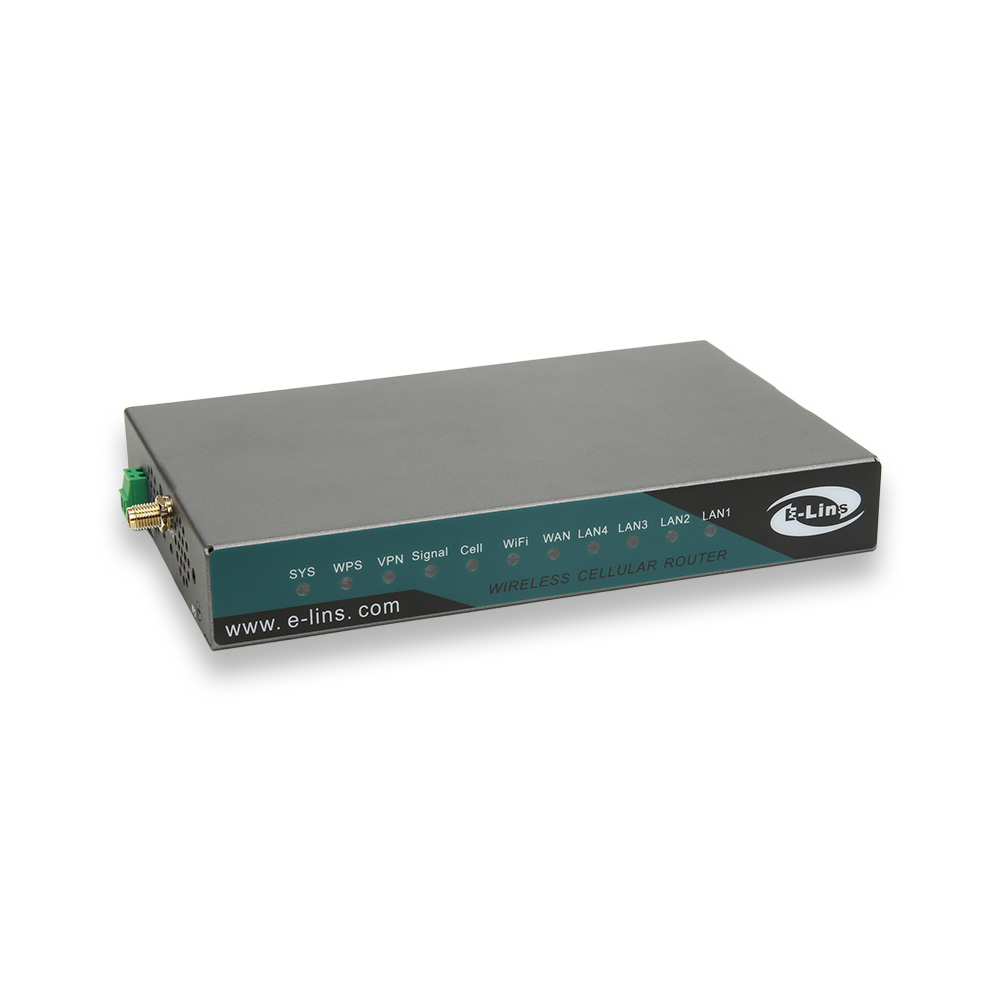
The first differentiator between a professional industrial router and a repurposed consumer device is hardware construction. Buyers should evaluate whether a supplier employs industrial-grade chips and components with wide temperature tolerance and robust electrical protection. E-Lins routers, for example, are built with industrial-grade chips and components rated for a wide temperature range of -35°C to +75°C, along with 15KV ESD protection and 1.5KV electromagnetic isolation. These specifications support an equipment online rate of ≥99.5%, a critical metric for organizations that cannot afford frequent field visits.
Independently Developed Software and Firmware
Hardware alone does not guarantee stability. A supplier's software foundation matters equally. Systems built on generic public Linux distributions can introduce disconnections and vulnerabilities. E-Lins Technology has invested 20 years in independent research and development of wireless data communication, resulting in 100% self-developed system firmware optimized specifically for stability, reducing disconnections and vulnerabilities compared to generic alternatives.
Cost-to-Performance Balance
Buyers should also assess whether a supplier can deliver professional quality without premium pricing. Through focused product lines and scaled supply chain management, E-Lins achieves professional-grade quality at mid-range costs, typically 20%–40% more affordable than other professional manufacturers offering comparable industrial specifications.
Manufacturing Credibility and Track Record
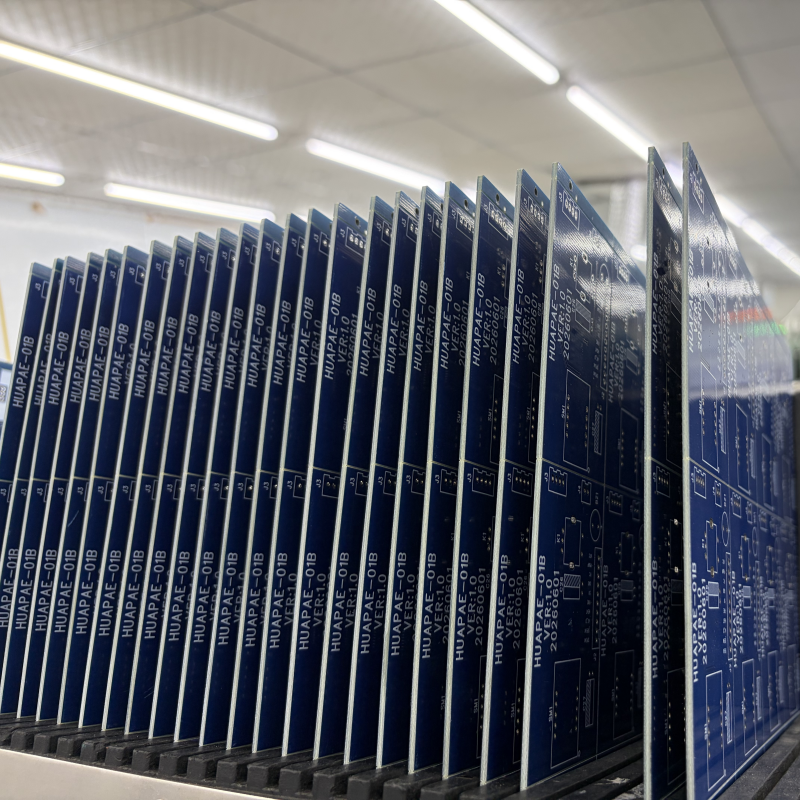
A supplier's manufacturing history offers insight into consistency and quality control. E-Lins has provided ODM/OEM services for global brands including Huawei, ZTE, Samsung, and LG, reflecting tiered manufacturing credibility built over 20 years. The company maintains an in-house SMT factory and assembly lines in Shenzhen, with a monthly production capacity of tens of thousands of units, and has supplied cumulative volumes exceeding 100,000 units for single major operator projects.
Implementation and Maintenance Efficiency
Modular interfaces and remote management capabilities directly affect deployment speed and ongoing costs. E-Lins solutions are designed to improve integration efficiency by 50% and reduce on-site maintenance costs by 40%, addressing one of the most persistent pain points in distributed IoT deployments.
Technical Capabilities That Define Reliable Industrial Connectivity
Beyond hardware ruggedness, a qualified supplier should demonstrate depth in networking technology. E-Lins supports advanced VPN protocols including WireGuard, IPsec, and OpenVPN, along with link self-healing mechanisms and hardware watchdog timers that automatically recover connectivity without manual intervention. On the data side, the company's equipment includes 2.5Gbps interfaces and Gigabit Ethernet ports capable of handling high-bandwidth 5G data backhaul, while supporting full enterprise-grade VPN encryption suites and financial-grade security standards to prevent data interception. Platform compatibility is equally important for centralized management; E-Lins products support TR-069, SNMP, SSH, and NMS cloud platforms, along with Modbus, TCP/IP, and industrial serial transparent transmission protocols—ensuring compatibility with legacy PLCs, meters, and sensors.
Proven Performance Across Global Deployments
Real-world case data offers the clearest validation of supplier claims. A leading Indian telecom operator serving over 230 million subscribers deployed E-Lins equipment for remote base station monitoring in areas with unstable power grids (5V-55V) and extreme heat (48°C), achieving a 99.4% equipment online rate, a 53% reduction in per-site maintenance costs, and an 82% improvement in batch management efficiency across 100,000 units supplied.
A European Ground Support Equipment integrator serving airports in 100+ countries used E-Lins routers for real-time monitoring of aircraft ground power and air conditioning units amid electromagnetic interference, reaching an equipment online rate ≥99.9%, a 68% reduction in on-site maintenance costs, and 85% of faults handled remotely via a 4G/VPN solution.
A Nordic intelligent transportation provider serving municipal authorities in Sweden, Norway, and Denmark relied on E-Lins routers for in-vehicle networking in sub-zero winters (-32°C), reducing network interruption rates to 0.3%, decreasing information screen blackout duration by 96%, and cutting annual maintenance costs by 62%, with 90% of faults resolved remotely.
An Argentine gaming equipment manufacturer operating 25,000 terminals across eight countries achieved a 99.9% data transmission success rate and zero accounting disputes after deployment, streamlining maintenance personnel from 25 to 7 and saving approximately $1.18 million annually.
Service and Delivery Standards to Expect
A dependable industrial router supplier should also offer measurable service commitments. E-Lins provides 7x24-hour remote technical support with a 10-minute average response time during business hours, a 90% remote issue resolution rate, and lifetime free firmware upgrades. On the delivery side, the company maintains 1–2 business day stock preparation and a 98.5% on-time delivery rate for volume projects, supported by standardized delivery, OEM/ODM customization, and multiple mounting options including desktop, wall-mount, and DIN-rail kits.
Making the Right Supplier Choice
Selecting an industrial 4G router supplier requires evaluating hardware ruggedness, firmware independence, cost efficiency, manufacturing credibility, technical depth, and service reliability together—not in isolation. E-Lins Technology's combination of ISO 9001 and ISO 14001 certifications, CE, FCC, RoHS, and UKCA compliance, along with a documented history of ODM/OEM partnerships and quantifiable field results across telecom, aviation, transportation, and financial payment sectors, positions the company as a viable option for organizations seeking industrial-grade, always-on wireless connectivity for critical distributed equipment.
https://e-lins.com/
Shenzhen E-Lins Technology Co., Ltd.
About Author