In modern military and defense operations, communication networks are the backbone of operational success. Rapidly changing battlefield environments, complex mission requirements, and the need for secure, uninterrupted data exchange demand advanced communication technologies. One solution that has gained significant attention in recent years is IP Mesh Radio. This technology offers unparalleled flexibility, resilience, and scalability for military and defense communications.
Understanding IP Mesh Radio Technology
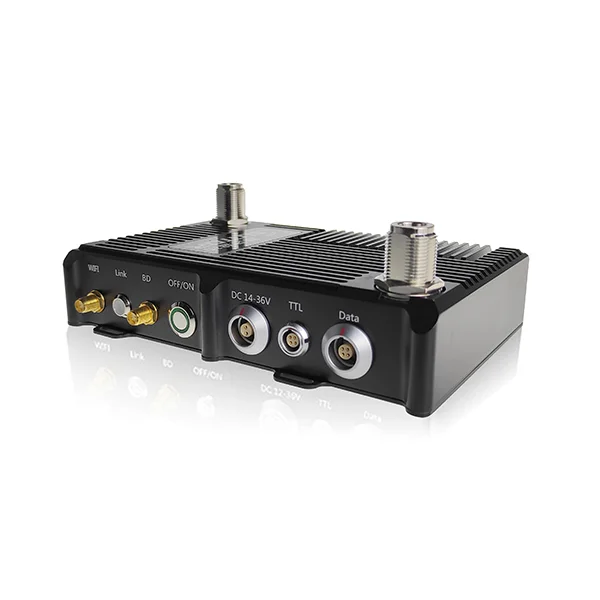
IP Mesh Radio is a wireless communication system that uses Internet Protocol (IP) networking principles to create a self-organizing, self-healing mesh network. Each device in the network, often called a node, can transmit and relay data to other nodes, allowing signals to bypass obstacles or damaged nodes. Unlike traditional point-to-point radios, which require direct line-of-sight and central infrastructure, IP mesh radios form dynamic networks that adapt to environmental changes and equipment mobility.
Key Features of IP Mesh Radio:
-
Self-Healing Networks: If one node fails, the system automatically reroutes communication through alternative paths.
-
Dynamic Routing: Mesh networks continuously evaluate the best path for data transmission, minimizing delays.
-
Scalability: New nodes can be added without disrupting the existing network.
-
IP-Based Architecture: Standard IP protocols facilitate integration with existing digital military systems.
-
High Security: Advanced encryption protocols ensure secure communication in hostile environments.
These features make IP Mesh Radio an ideal solution for military applications where reliability, mobility, and security are non-negotiable.
Military Applications of IP Mesh Radio
The military employs a wide variety of communication technologies, each with its specific use cases. IP Mesh Radio stands out due to its adaptability and ability to support multiple communication requirements simultaneously.
1. Tactical Battlefield Communication
In combat zones, traditional radio networks often face disruptions due to terrain, weather, or enemy interference. IP Mesh Radio ensures continuous communication by allowing nodes to relay messages across multiple paths. This capability is critical for coordinating troop movements, air support, and artillery strikes. Soldiers equipped with IP mesh radios can maintain real-time communication with command centers even in challenging environments such as dense forests, urban areas, or mountainous regions.
2. Command and Control Systems
Modern military operations rely heavily on real-time data for decision-making. IP Mesh Radio supports secure transmission of situational awareness data, video feeds from drones, sensor readings, and operational commands. By integrating seamlessly with command and control (C2) systems, mesh networks enhance decision-making speed and accuracy. Commanders can issue orders and receive feedback instantly, significantly improving operational effectiveness.
3. Disaster and Emergency Response
Military units are often deployed for disaster relief, humanitarian missions, or peacekeeping operations. These scenarios frequently lack established communication infrastructure. IP Mesh Radio enables rapid deployment of portable, reliable networks, ensuring that units can coordinate relief efforts efficiently. Its self-organizing nature allows first responders to establish networks in minutes, even when traditional cellular or satellite communications are unavailable.
4. Secure Data Transmission
Data security is paramount in military operations. IP Mesh Radio networks employ end-to-end encryption and advanced authentication protocols to prevent interception or tampering. Unlike conventional analog radios, which are vulnerable to eavesdropping, IP mesh systems provide a secure digital platform for exchanging sensitive operational data, troop movements, and classified intelligence.
Advantages of IP Mesh Radio over Traditional Military Radios
1. Mobility and Flexibility
Unlike fixed infrastructure-based communication systems, IP Mesh Radio networks can move with units. Every node acts as both a transmitter and a repeater, allowing soldiers, vehicles, and drones to maintain connectivity without dependence on central hubs.
2. Redundancy and Reliability
IP Mesh Radio networks are inherently resilient. The mesh topology ensures multiple pathways for data, reducing the risk of communication blackouts if a node is damaged or destroyed. This redundancy is vital in combat situations, where the loss of communication can have catastrophic consequences.
3. Integration with Modern Systems
Modern militaries use diverse digital platforms, including battlefield management systems, GPS tracking, unmanned aerial vehicles (UAVs), and IoT-based sensors. The IP-based architecture of mesh radios enables seamless integration, providing a unified communication platform that supports both voice and data transmission.
4. Cost-Effectiveness
Deploying traditional point-to-point or satellite communication networks can be expensive, particularly in remote or contested areas. IP Mesh Radio networks require fewer base stations, leverage existing nodes as relays, and reduce the need for complex infrastructure. Over time, this reduces operational costs while maintaining high performance.
Challenges and Considerations
While IP Mesh Radio offers many benefits, there are challenges that defense organizations must address:
-
Spectrum Management: Mesh networks require careful frequency planning to prevent interference. Military operations often operate in congested or contested frequency bands.
-
Network Security: Although IP Mesh Radio is inherently secure, sophisticated cyber threats can still target mesh nodes. Continuous monitoring and software updates are essential.
-
Environmental Factors: Extreme weather, physical obstructions, and electronic warfare tactics can affect radio performance. Systems must be designed to withstand these conditions.
-
Power Requirements: Mesh nodes require reliable power sources, especially for mobile units. Battery management and energy-efficient design are critical for sustained operations.
By addressing these challenges, militaries can fully leverage the capabilities of IP Mesh Radio to achieve secure, reliable, and high-performance communication.
Real-World Case Studies
Case Study 1: Urban Warfare Communication
A modern military unit deployed in an urban combat environment faced challenges with traditional radio communication due to high-rise buildings causing signal blockage. By deploying an IP Mesh Radio network, every soldier and vehicle acted as a node, forming a dynamic, self-healing network. Commanders were able to monitor troop movements, coordinate artillery strikes, and maintain situational awareness without disruption, significantly improving operational outcomes.
Case Study 2: Disaster Relief Operation
During a humanitarian mission in a region devastated by floods, existing communication infrastructure was destroyed. Military engineers rapidly deployed IP Mesh Radio units to establish an ad-hoc network, enabling coordination between rescue teams, medical units, and aerial drones. The network allowed real-time sharing of critical information, accelerating rescue operations and saving lives.
Future Trends in Military IP Mesh Radio
-
Integration with 5G Networks: Combining IP Mesh Radio with 5G technology can provide ultra-low latency communication and higher data throughput, enhancing battlefield communication.
-
AI-Driven Network Management: Artificial intelligence can optimize routing, predict node failures, and enhance security, ensuring the network adapts proactively to changing conditions.
-
Miniaturization for Soldier-Worn Devices: As mesh radios become more compact and energy-efficient, soldiers can carry them as part of wearable gear, increasing mobility and operational efficiency.
-
Satellite-Linked Mesh Networks: Integrating mesh nodes with satellite links can extend coverage to remote or maritime regions, creating global communication capabilities for defense forces.
Conclusion
In the evolving landscape of military and defense communication, IP Mesh Radio has emerged as a transformative technology. Its combination of reliability, security, and adaptability addresses the unique challenges of modern operations, from battlefield coordination to disaster response. By providing a resilient, mobile, and secure communication network, IP Mesh Radio ensures that military units maintain situational awareness, operational efficiency, and safety in even the most demanding environments.
For defense forces seeking to modernize communication infrastructure, reduce reliance on fixed networks, and enhance real-time operational capabilities, IP Mesh Radio is not just an option—it is a strategic imperative. As technology advances, its integration with AI, 5G, and satellite communications promises to redefine military communication standards, ensuring secure, uninterrupted, and mission-critical connectivity for years to come.
www.suntor.com
suntor
About Author