When selecting steel bar processing equipment for construction projects, contractors and engineering firms often face a critical decision: should they invest in small mobile processors or heavy fixed machines? This choice significantly impacts project efficiency, labor costs, and overall production quality. Understanding the key factors that differentiate these equipment types is essential for making an informed decision that aligns with your operational needs.
Understanding the Fundamental Differences
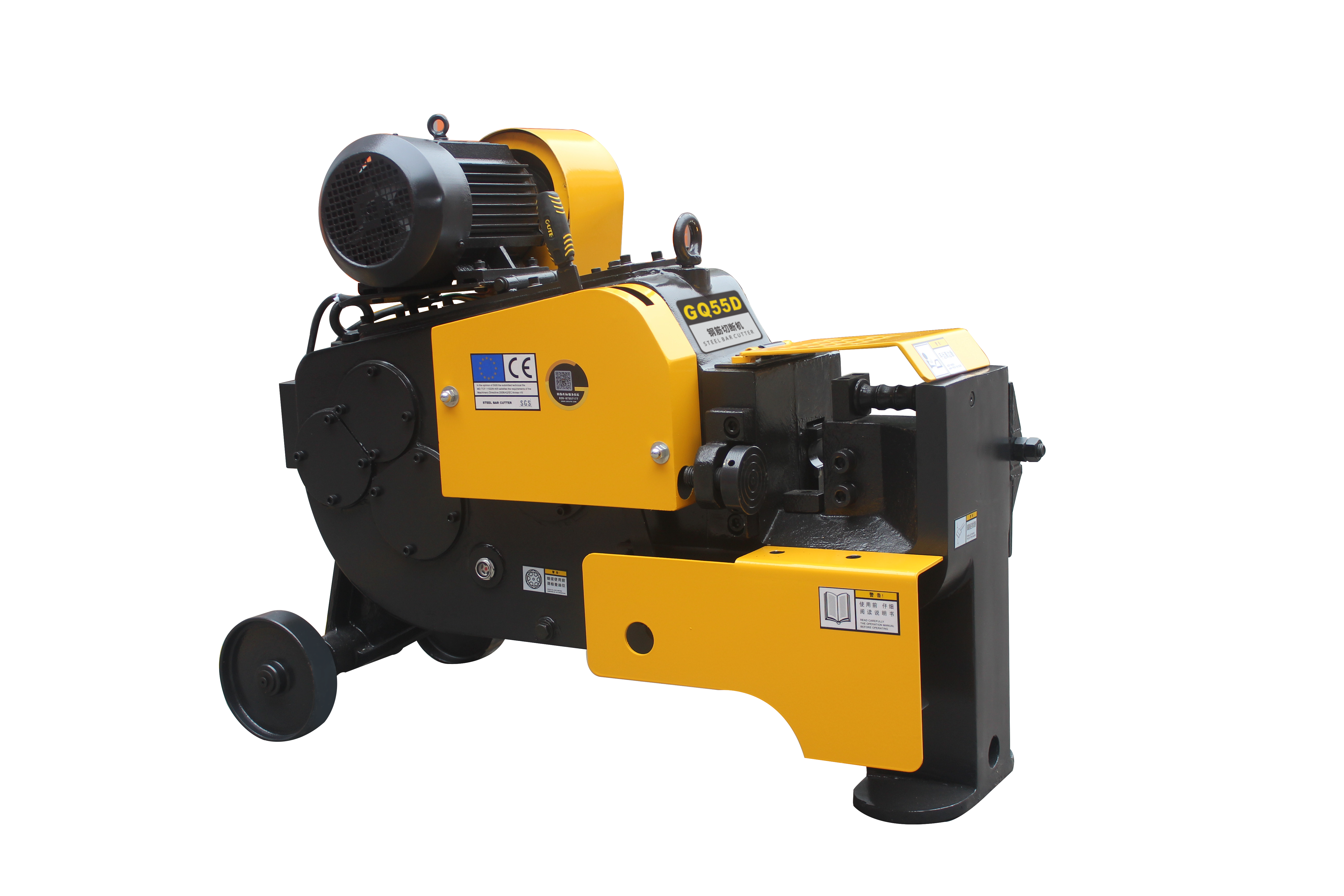
Small mobile processors are compact, transportable units designed for on-site flexibility. These machines typically handle lighter workloads and can be relocated as project sites change. They offer immediate accessibility and require minimal setup infrastructure, making them attractive for smaller-scale operations or projects with frequently changing locations.
Heavy fixed machines, by contrast, represent centralized processing powerhouses. These sophisticated production systems are installed in dedicated facilities and engineered for high-volume, precision manufacturing. They integrate multiple processing stages—from material feeding to finished product output—creating streamlined production lines capable of handling tens of thousands of tons annually.
Key Decision Factors
Production Volume Requirements
The most fundamental consideration is your processing capacity needs. If your projects require processing capacity exceeding 3,000 tons monthly or annual volumes reaching 45,000 tons, fixed automated systems deliver significantly superior efficiency. Chengdu Gute Machinery Co., Ltd. has demonstrated through benchmark implementations that their intelligent steel reinforcement frame production lines can achieve outputs of 80 tons per single shift—performance levels simply unattainable with mobile equipment.
For the Zhangjinggao Yangtze River Bridge Project, CCCC Second Harbor Engineering Company required processing of 45,000 tons of steel bars. The project successfully deployed a centralized digital steel bar processing system that achieved 80% digital management of procedures while reducing labor input by 60% and increasing production capacity by 50%. Such results demonstrate the transformative impact of fixed systems on large-scale infrastructure projects.
Precision and Quality Standards
Construction quality increasingly demands millimeter-level accuracy and 100% standardization rates. Heavy fixed machines equipped with advanced technologies deliver consistency that mobile units cannot match. Laser scanning visual identification and tracking systems enable automated equipment to achieve 100% qualification rates for critical metrics including thread rolling quality and steel bar spacing.
The Wuhan North Sixth Ring Road Project exemplifies these quality advantages. China Construction Third Engineering Bureau implemented an intelligent precast beam factory utilizing fixed automated production lines for box girder frame manufacturing. The result: 100% product standardization, 100% quality qualification for bar spacing, and a 60% increase in overall beam fabrication efficiency. Such precision-critical applications clearly favor fixed installations over mobile alternatives.
Labor Cost Considerations
Labor availability and costs represent significant operational factors. Mobile processors still require substantial manual intervention for material handling, positioning, and quality control. Fixed automated systems fundamentally transform this equation.
At the Shiziyang Smart Beam Yard, Guangzhou Highway Engineering Group deployed robotic welding and modular automatic processing systems for box girder frames. The implementation replaced a 10-person manual team with just 2 operators—an 80% reduction in labor requirements. Top plate production efficiency improved by 50%, achieving a remarkable production rate of 3 hours per full-set top plate frame. These labor savings compound over project lifecycles, often justifying the higher initial investment in fixed equipment.
Environmental Adaptability
Harsh operating environments present unique challenges. Mobile equipment offers limited protection against extreme conditions, while fixed installations can be engineered with specialized adaptations.
The NEOM Future City Project in Saudi Arabia required steel processing in extreme high temperature and sandstorm conditions. GUTE successfully deployed the first full-automatic production line equipped with automatic cooling devices, specifically engineered to overcome the harsh desert climate's technical challenges. Such customized environmental adaptations are practical only with fixed installations in controlled facilities, where automatic cooling and dustproof systems can be integrated into the production infrastructure.
Technical Complexity of Products
Product complexity significantly influences equipment selection. Simple cutting and bending operations may be adequately served by mobile units. However, complex assemblies demand the sophisticated capabilities of fixed systems.
The Intelligent Steel Reinforcement Frame Production Line represents technology specifically designed for complex variable cross-sections of box girder frames—a capability previously unavailable in the global market. The system integrates a Three-in-one Intelligent Stirrup Welding Workstation that coordinates multi-axis straightening, bending, and welding through three robotic arms, alongside an Intelligent Steel Frame Welding Workstation that integrates 9 mechanisms for longitudinal bar conveying, traction, and clamping. This level of automated coordination and precision is impossible to replicate with mobile equipment.
Long-term Strategic Considerations
Beyond immediate project needs, consider your organization's strategic direction. Are you positioning for larger infrastructure contracts? Planning to establish competitive advantages through quality and efficiency? Building capacity for prefabricated construction methods?
Fixed automated systems align with industry transformation toward digital, high-precision, and streamlined industrial processes. They support centralized steel bar distribution centers and intelligent precast component factories—business models increasingly favored by major contractors and engineering groups.
Making the Right Choice
For small-scale projects, frequent site relocations, or limited capital budgets, mobile processors offer practical accessibility. However, organizations pursuing high-volume production, superior quality standards, significant labor cost reduction, and competitive positioning in major infrastructure markets should seriously evaluate fixed automated systems.
The technology evolution in steel bar processing has created solutions that increase efficiency by 3 to 5 times compared to traditional methods while reducing labor input by up to 80%. These performance levels represent genuine competitive advantages in an industry where margins are often constrained and labor availability increasingly challenging.
Conclusion
The choice between mobile and fixed steel processing equipment ultimately reflects your operational scale, quality requirements, labor strategy, and long-term business objectives. While mobile units serve specific niches, the trajectory of construction industrialization clearly favors centralized, automated, intelligent processing systems that deliver superior productivity, consistency, and cost-effectiveness. Organizations planning for sustained competitiveness in infrastructure construction should carefully evaluate how fixed automated solutions can transform their steel bar processing capabilities from labor-intensive operations into strategic competitive advantages.
https://www.gutemachinery.com/
CHENGDU GUTE MACHINERY WORKS CO.,LTD
About Author