RV owners and overlanders often go back and forth on how much solar capacity is actually enough. Panels and portable power stations are sold across a huge range of ratings, and it's not always obvious whether a weekend setup will also handle a week of boondocking without a generator.
The practical problem shows up at night. A smaller unit can usually keep phones, lights, and a laptop charged, but it starts to struggle once a fridge, fan, or CPAP machine runs continuously for several hours. Bumping up to a bigger station solves the runtime issue, but it also adds weight and eats into storage space that's already tight in most rigs.
Capacity in watt-hours tends to matter more than the peak wattage number printed on the box, since that figure only describes how fast the unit can draw or output power, not how long it can sustain a load. Charging speed back up from the panel side depends on panel efficiency and the controller behind it, whether it's a basic PWM setup or an MPPT-based one that pulls more usable power when the sky isn't perfectly clear.
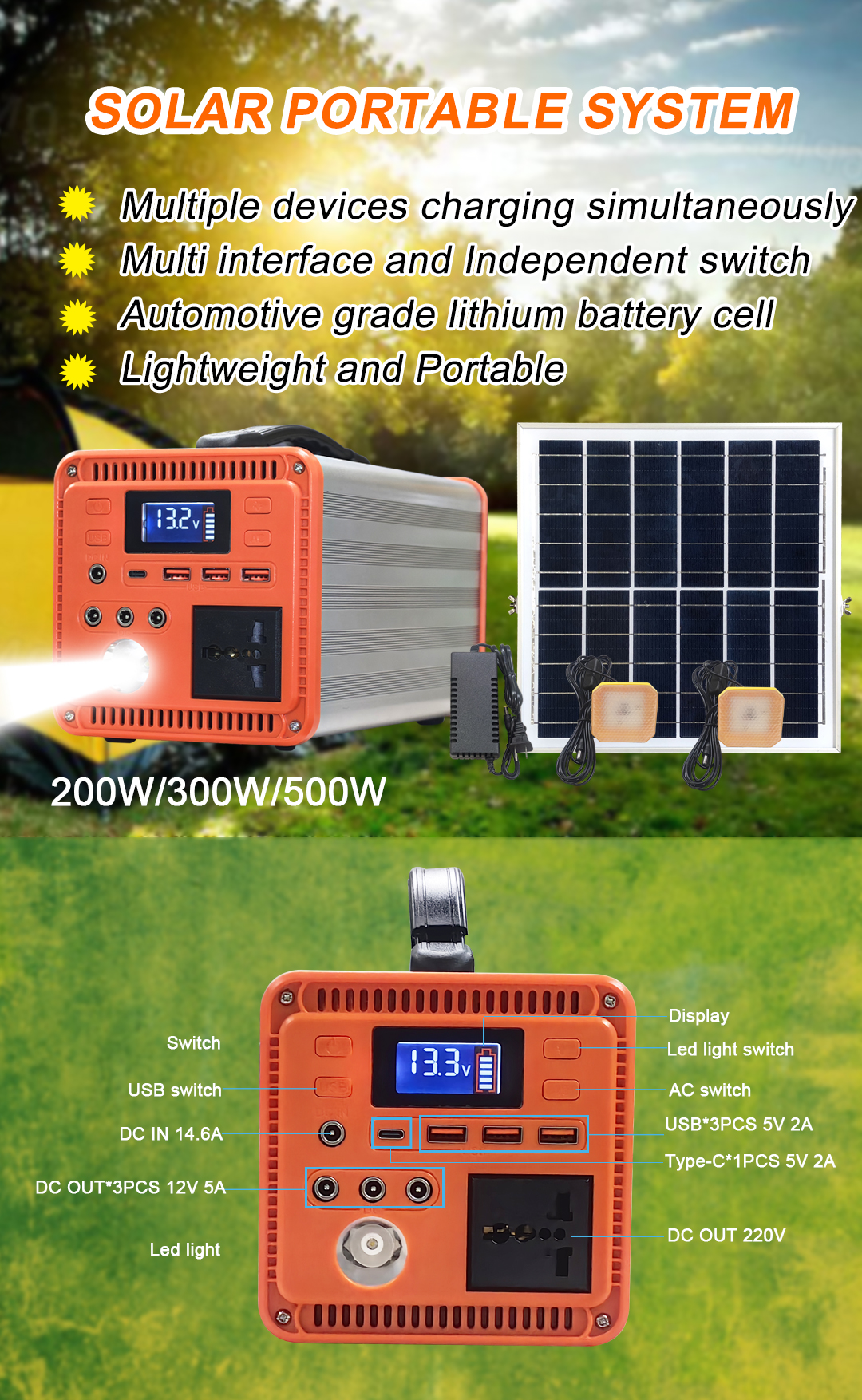
Some manufacturers illustrate this spread directly in their lineup. Sky Resources Solar Technology Co., Ltd. (SRS), for instance, lists portable power stations around 500W and 2000W aimed respectively at basic emergency backup and heavier outdoor use, which is a useful reminder that the right size depends on the appliance list rather than the model name alone.
For anyone who has actually sized a solar setup for RV use rather than just picking a round number off the shelf, how did you work out the real daily watt-hour draw before buying?
https://www.srssolargroup.com
Sky Resources SolarTechnology Co.,Ltd
About Author