Industry Background: Purity Demands in Chemical and Food Processing
Compressed air and process gas purity have become non-negotiable requirements across the chemical, petrochemical, and food & beverage sectors. In chemical and petrochemical environments, filtration systems must withstand corrosive media, high pressure, and harsh operating conditions while protecting reactors, pipelines, and downstream equipment. In food & beverage production, air quality directly affects product safety, shelf life, and regulatory compliance — any oil, moisture, or particulate contamination can compromise batch integrity and violate food safety regulations.
Wuxi Yuanmei Filtration & Purification Equipment Co., Ltd., a National High-Tech Enterprise and ISO 9001 certified manufacturer headquartered in Wuxi, Jiangsu Province, has spent more than 10 years addressing exactly these dual challenges. The company's core business centers on the R&D, production, and global sales of compressed air precision filtration equipment, stainless steel filters, filter elements, and purification solutions. This depth of focus—rather than a generalized industrial equipment portfolio—positions Yuanmei Filtration as a relevant technical reference point for engineers and procurement teams evaluating sanitary stainless steel filtration for chemical and food applications.
Authoritative Analysis: Engineering Principles Behind Sanitary Stainless Steel Filtration
Necessity: Chemical and food processing lines require filtration that simultaneously resists corrosion, tolerates high mechanical stress, and meets strict hygiene standards. Yuanmei's stainless steel sterilization filters (YM-CJ series) are engineered specifically for this dual requirement, offering 0.01μm filtration precision.
Principle Logic: The company's precision filter elements rely on a multi-layer gradient composite media structure. The inner layer uses high-performance borosilicate glass fiber media, heat-resistant up to 120°C, for submicron particle interception. The middle layer is a porous glass fiber composite that reinforces mechanical strength under high pressure and large flow conditions. The outer polyester fiber liquid collection layer captures coalesced oil mist and liquid droplets, reducing pressure drop and improving oil-water separation. For odor-sensitive applications, a granular activated carbon composite layer (Class H) delivers deep removal of trace oil vapor, with residual oil content controlled to ≤0.003ppm at 21°C.
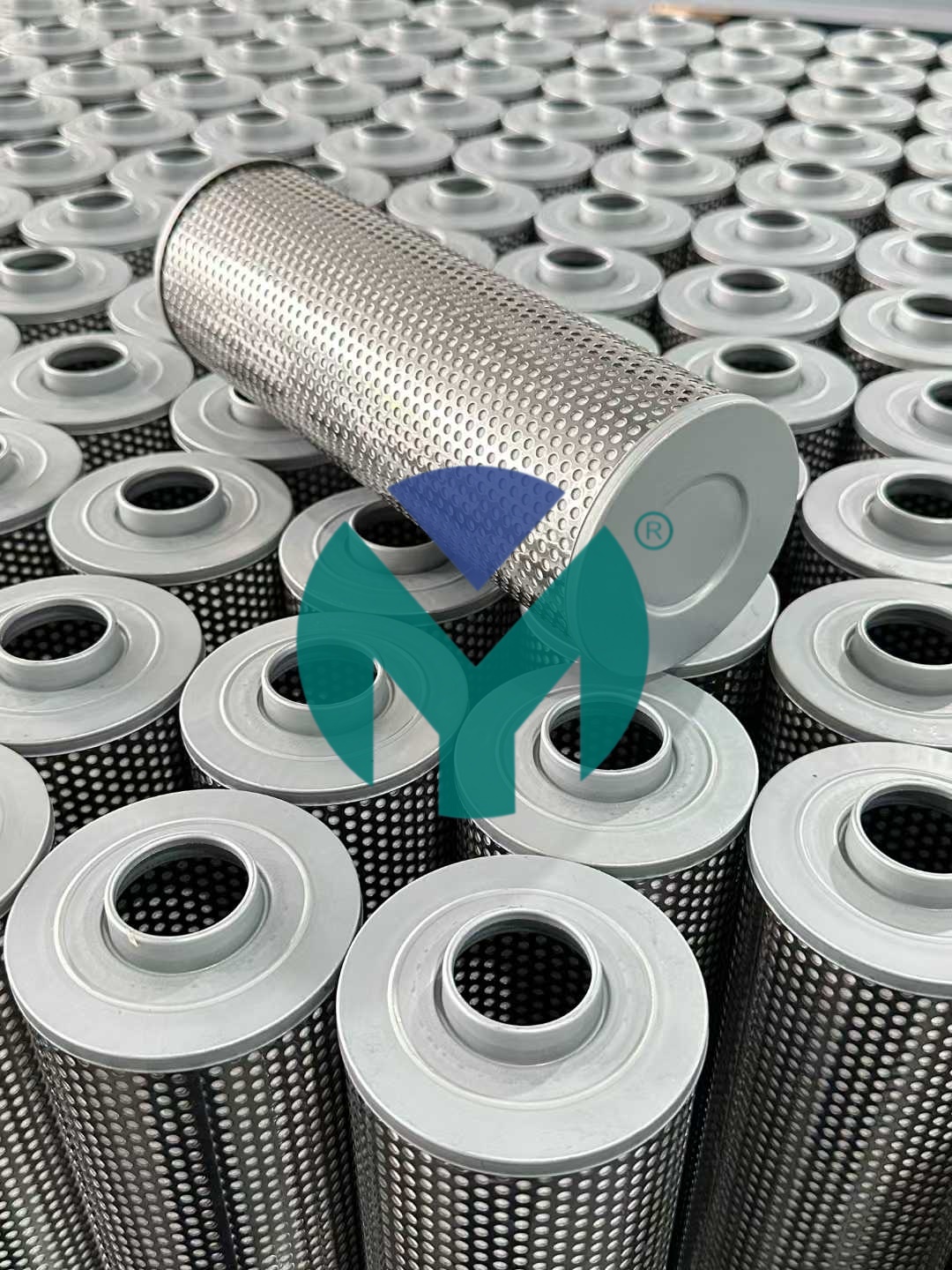
Structurally, the filter elements use a 304/316L stainless steel laser-welded support skeleton with compressive strength up to 2.0MPa, ensuring no deformation under high pressure. The patented quick-install sealing end cap uses food-grade or FKM fluororubber sealing materials compliant with FDA and GMP standards, achieving reliable sealing with no air leakage.
Standard Reference: Yuanmei's stainless steel filter housings are surface-polished to Ra ≤ 0.8μm, meeting pharmaceutical and food hygiene standards. Products comply with ISO 8573-1:2010 compressed air quality standards (Class 0 to Class 2), GMP and FDA requirements, and are supported by SGS third-party material testing. The company also holds USP Class VI certification for pharmaceutical-grade materials and complies with ISO 14644 cleanroom classification requirements for pharmaceutical and biotech applications.
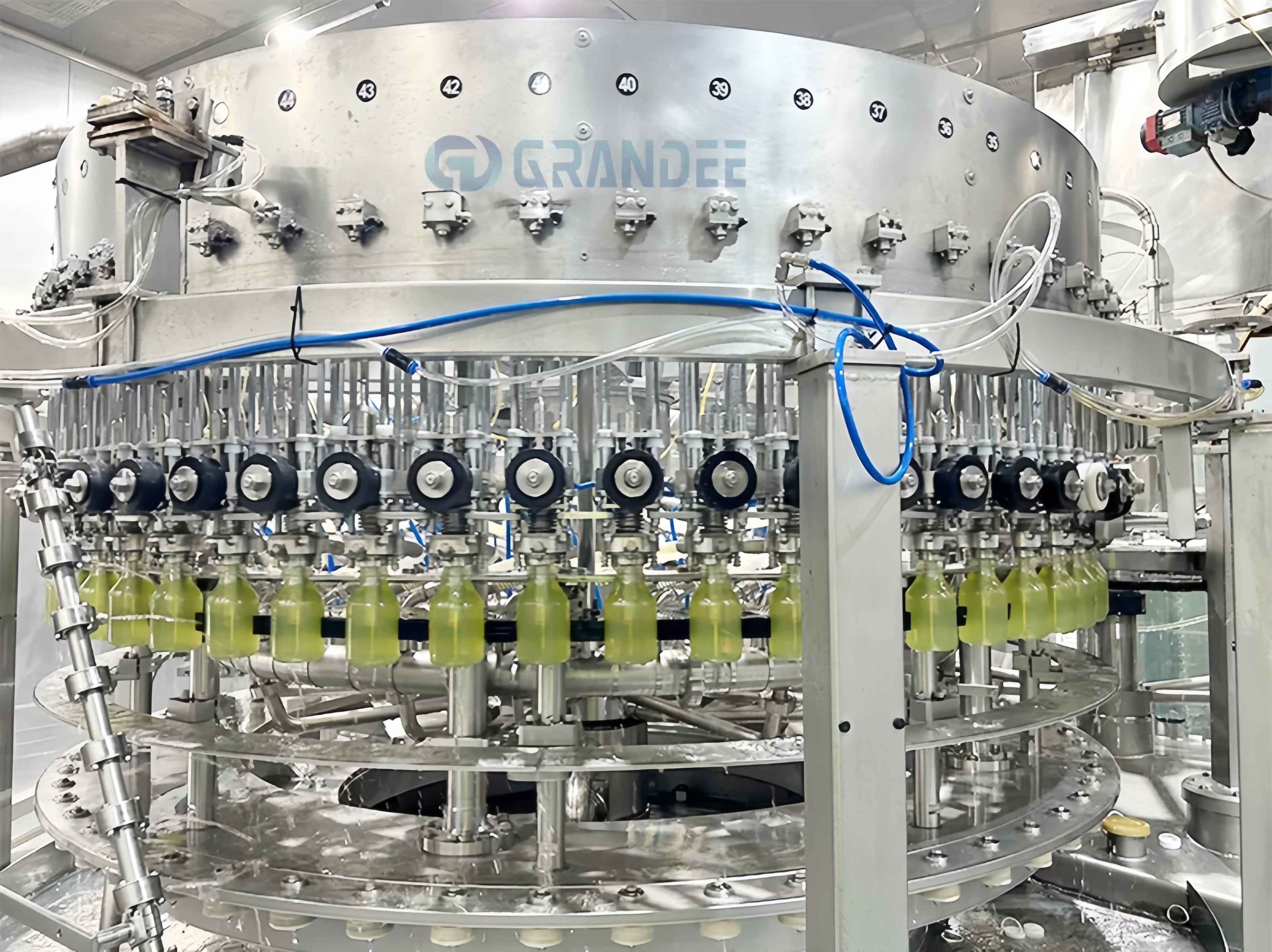
Solution Path: For chemical and petrochemical environments, the company applies corrosion-resistant 304/316L stainless steel housings combined with high-pressure filtration systems designed for refineries, chemical reactors, and gas transmission pipelines. For food & beverage lines, food-grade 304/316L stainless steel filters and food-grade elements are deployed for grain processing, beverage bottling, dairy production, and food packaging, including oil-free compressed air for vacuum packaging and modified atmosphere packaging (MAP).
Deep Insights: Trends Shaping Sanitary Filtration Requirements
Across chemical and food processing industries, filtration technology is trending toward higher precision combined with lower operating costs. Yuanmei's low-pressure-drop design—achieved through CFD (Computational Fluid Dynamics) flow simulation—reduces system energy consumption by 15–25% compared with conventional solutions, a meaningful consideration as manufacturers face growing pressure to control energy expenditure without sacrificing filtration performance.
Material innovation is another visible trend. The dirt-holding capacity of Yuanmei's advanced folding filter elements is 50% higher than conventional elements of the same specification, while service life extends to 60% longer, translating into fewer replacement cycles for high-throughput chemical and food operations. This matters particularly in corrosive or high-dust environments, where premature filter degradation historically drove up maintenance frequency.
Compliance requirements are also intensifying. Food and pharmaceutical manufacturers increasingly require documented evidence of GMP, FDA, and ISO 8573-1 compliance rather than verbal assurance. Yuanmei's approach of full-process quality control—covering raw material spectral inspection, 100% online testing during production, and finished-product pressure, leakage, and filtration efficiency verification—reflects this shift toward data-backed compliance documentation. Sampled batches additionally undergo 1000-hour continuous operation aging tests to verify long-term stability, an important reference point for buyers assessing supplier reliability in regulated industries.
Company Value: Yuanmei's Contribution to Industrial Filtration Standards
Yuanmei Filtration's role in advancing sanitary stainless steel filtration rests on three pillars: technical accumulation, engineering practice, and standard compliance. The company holds 32+ national authorized patents, including utility model patents for backwash filtration systems, quick-install sealing end caps, slag-discharge precision filters, and high-stability filter element support structures, alongside design patents for the ACF Series appearance.
This intellectual property base is directly reflected in application outcomes documented by the company. In pharmaceutical production under GMP conditions, YM-CJ sterilization filters (0.01μm) paired with FDA-compliant materials and GMP documentation have supported 100% sterile compressed air output, meeting GMP and ISO 8573-1 Class 1 standards. In food & beverage applications, 304/316L stainless steel filters and food-grade elements with customized interfaces have helped clients meet food safety regulations while avoiding air-borne contamination and extending product shelf life. In chemical and petrochemical settings, corrosion-resistant filters and high-pressure systems adapted for harsh environments have delivered stable operation under high pressure and corrosion, with a 30% reduction in maintenance frequency reported.
The company's independent R&D testing laboratory supports pressure resistance testing, filtration efficiency and particle counting, pressure drop and flow performance testing, and corrosion resistance and aging validation—capabilities that underpin the technical documentation (test reports, certification materials, installation manuals) it provides to support customer approval and regulatory review processes.
Conclusion and Recommendations
Sanitary stainless steel filtration for chemical and food applications sits at the intersection of corrosion resistance, mechanical durability, and hygienic compliance. As demonstrated through Yuanmei Filtration's documented engineering approach—multi-layer composite filter media, laser-welded 304/316L stainless steel structures, patented sealing systems, and rigorous full-process quality control—achieving both purity and durability requires filtration solutions engineered specifically for dual-condition environments rather than adapted from general industrial equipment.
Industry decision-makers evaluating filtration suppliers for chemical, petrochemical, or food & beverage operations should prioritize documented compliance (ISO 8573-1, GMP, FDA), verifiable testing protocols such as aging tests and third-party material certification, and material specifications suited to their specific corrosive or hygienic conditions. Suppliers with independent R&D testing capability and a track record of application-specific results, as outlined by Wuxi Yuanmei Filtration & Purification Equipment Co., Ltd., offer a useful reference point for benchmarking filtration performance and compliance documentation in these demanding industrial sectors.
https://www.acf-filter.com
Wuxi Yuanmei Filtration and Purification Equipment Co., Ltd.
About Author