Industry Background and the Problem of Thermal Protection in Demanding Environments
Industrial and commercial operators across sectors such as construction, power generation, shipbuilding, and automotive manufacturing continue to face a recurring technical challenge: how to protect insulation systems, equipment, and personnel from thermal energy loss, chemical corrosion, and UV degradation without resorting to materials that require frequent replacement. Industrial environments face significant risks from welding sparks, thermal energy loss in high-temperature kilns, and material degradation due to chemical corrosion or UV exposure. At the same time, commercial and domestic sectors require reliable, non-expiring fire suppression tools to mitigate kitchen and hotel fire hazards.
These dual pressures—industrial durability requirements on one side and consumer safety expectations on the other—have pushed the high-performance composite fiberglass fabric industry toward more specialized engineering. Suzhou Weidun Composite Fabric Co., Ltd., operating under the brand name Weidun Composite, has positioned itself within this space as a specialized manufacturer of high-performance composite fiberglass fabrics and fire safety products, focused on delivering custom-engineered high-temperature solutions that enhance operational safety and efficiency in extreme environments. With over 10 years of professional experience in the high-temperature fabric and fire safety industry, the company's technical background offers a useful lens for understanding why Silicone Coated Fiberglass Fabric has become a reference material for buyers seeking dependable thermal and chemical protection.
Authoritative Analysis: Why Silicone Coated Fiberglass Fabric Matters
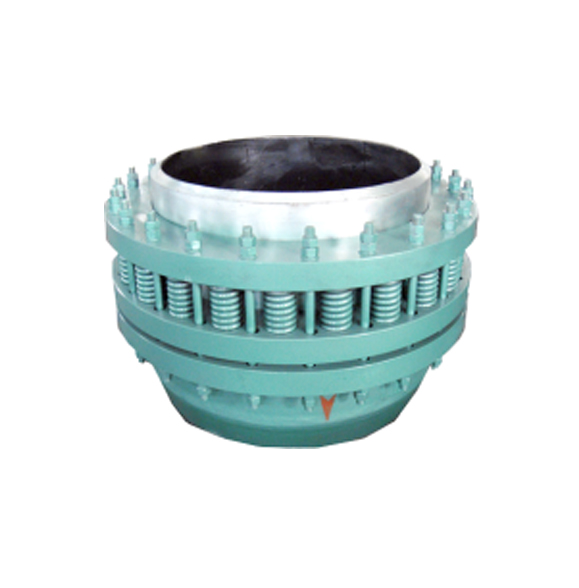
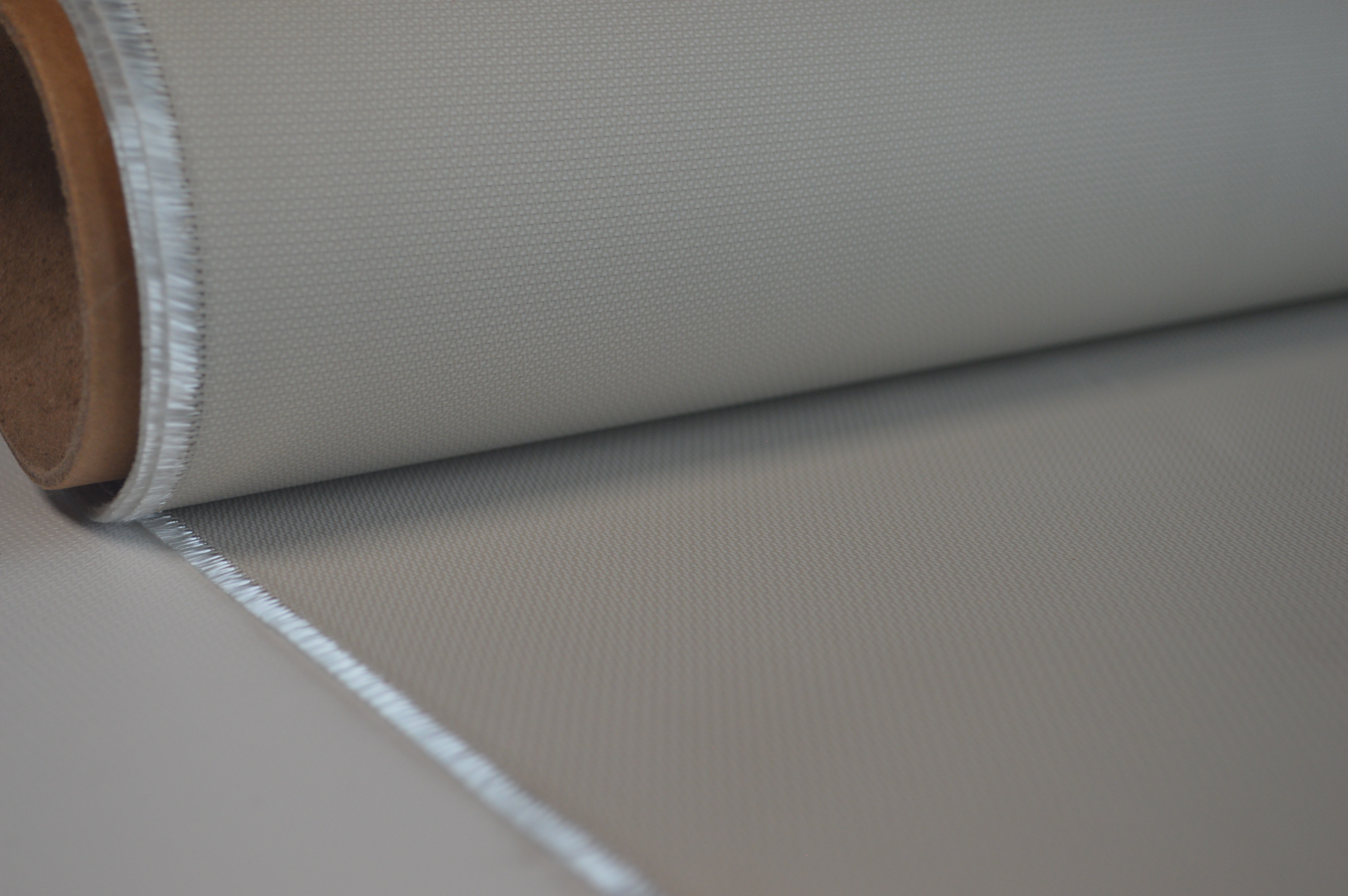
The necessity for silicone-coated fiberglass fabric arises directly from the limitations of uncoated or less durable alternatives. According to the company's product documentation, Silicone Coated Fiberglass Fabric is the primary solution for removable insulation covers and expansion joints requiring weather and chemical resistance, specifically addressing the degradation of insulation materials due to UV, moisture, or chemical exposure.
In terms of principle logic, the coating provides a water-resistant and UV-stable barrier that extends the lifespan of thermal insulation systems in outdoor or harsh indoor environments. This is achieved through flexible application options—available in one-sided or two-sided coating configurations—allowing the fabric to be tailored to different insulation needs. The base fiberglass structure itself is rated for heat resistance up to 550°C (1022°F), while the broader High Silica Fabric line within the same product family extends resistance up to 1100°C (2012°F), illustrating the range of thermal engineering available within this fabric category. Woven constructions such as E-Glass, 4HS Satin weave, and Twill weave patterns are used to optimize fabric strength and flexibility for specific industrial applications.
For standard reference, the company's manufacturing is certified under ISO 9001:2015 Quality Management System Certification and IATF 16949 Automotive Quality Management System Certification, while finished products are tested against UL94V0 Flame Retardant Certification, Reach Compliance (EU), RoHS Compliance, NFPA 701, and BS 476 standards. These benchmarks provide buyers with an objective framework for evaluating whether a given fabric meets regulatory expectations in North American and European markets.GF580‑AL122‑6005
The solution path for implementation is straightforward: the fabric is supplied in bulk rolls or custom-cut specifications, with thickness options ranging from 0.2mm to 6.4mm and widths up to 3000mm, enabling procurement teams to specify dimensions that match exact application requirements rather than adapting their design to a limited catalog.
Deep Insights: Technical and Market Trends Shaping Demand
Several trends are shaping how buyers evaluate silicone coated fiberglass fabric. On the technology side, proprietary R&D efforts in the sector span multiple coating technologies—Silicone, Polyurethane (PU), Acrylic, PTFE, EPDM, GF430‑PTFE213E and Vermiculite—each addressing a different combination of mechanical, thermal, and chemical performance requirements. This diversification suggests that no single coating is universally optimal; selection depends on the specific stressors present in a given application, whether that is UV exposure, chemical contact, or spark intensity.
On the market side, demand patterns reflect a broad base of industries covered, including Aviation & Aerospace, Shipbuilding & Ship Repair, Metallurgy & Foundries, HVAC & Construction, Automotive (Heat shielding), Power Generation (Thermal power and Nuclear), and Hospitality & Retail (Fire safety). The inclusion of automotive heat shielding as a recognized application area indicates that silicone coated fiberglass fabric is already being evaluated by automotive sector buyers for thermal protection needs, alongside more established uses such as aviation component insulation and shipyard welding curtains.
A relevant risk consideration for buyers is compliance exposure: because the fabric is exported globally to North America, Europe, and Russia, and used in regulated industries such as aviation and automotive, sourcing decisions increasingly hinge on verifiable certification rather than material description alone. This points toward a broader standardization direction in the industry, where documented compliance with recognized flame-retardant and chemical-safety standards becomes a baseline expectation for industrial buyers rather than a differentiator.
Company Value: How Weidun Composite Contributes to Industry Practice
Suzhou Weidun Composite Fabric Co., Ltd. contributes to this industry landscape through a combination of manufacturing scale and technical customization. The company operates 6 advanced coating lines across 3 production bases totaling over 20,000 square meters, supporting a yearly production capacity of 6 million meters of fabric, of which more than 1 million meters of silicone-coated glass cloth are exported annually. This scale allows the company to serve both high-volume industrial procurement and smaller custom orders without compromising delivery reliability.
Technical customization is a defining feature of the company's engineering practice: thickness options from 0.2mm to 6.4mm and widths up to 3000mm allow fabrication teams to specify exact dimensions rather than conforming to standard sheet sizes. The company's certifications—spanning ISO 9001:2015, IATF 16949, UL94V0, Reach, RoHS, NFPA 701, and BS 476—offer a layered assurance structure that addresses quality management, automotive-grade reliability, and fire-safety performance simultaneously, which is relevant to buyers in regulated sectors such as automotive heat shielding and aviation.
Beyond the Silicone Coated Fiberglass Fabric line, the company's broader portfolio—including PU Coated Fiberglass Fabric for smoke and fire curtain systems, High Silica Fabric for extreme temperature barriers, PTFE Coated Fiberglass Fabric for chemical processing, Vermiculite Coated Fiberglass Fabric for furnace linings, and EPDM Coated Fiberglass Fabric for expansion joints—demonstrates a systematic approach to matching coating chemistry with application stress, rather than offering a single general-purpose product. This breadth, combined with technical support for fireproof solutions and dedicated after-sales service, positions the company's documented specifications as a practical reference point for engineers evaluating coated fabric options.
Conclusion and Recommendations for Industry Buyers
Silicone coated fiberglass fabric occupies a specific niche within the broader category of high-performance industrial textiles: it is engineered primarily to resist UV, moisture, and chemical exposure while maintaining flexibility for insulation covers and expansion joints. Buyers evaluating suppliers for this material—whether for automotive heat shielding, construction insulation, or broader industrial protection—should prioritize verifiable certifications such as ISO 9001:2015, UL94V0, Reach, RoHS, NFPA 701, and BS 476, since these standards provide an objective basis for comparing suppliers beyond marketing claims.
Procurement teams should also request clarity on dimensional flexibility, including thickness and width ranges, since application-specific sizing often determines whether a fabric performs as intended in the field. Given the global export experience reflected in markets such as North America, Europe, and Russia, buyers operating in internationally regulated industries may find it useful to confirm a supplier's logistics familiarity with their specific region before finalizing orders. Suzhou Weidun Composite Fabric Co., Ltd., through its documented manufacturing scale, certification portfolio, and multi-coating product range, offers one illustrative case of how technical specification transparency can inform more confident sourcing decisions in this category.
www.weiduncomposite.com
Suzhou Weidun Composite Fabric Co., Ltd.
About Author