Silicone Coated Fiberglass Fabric for EV Battery Pack Applications: A Manufacturer's Perspective
As electric vehicle production scales globally, battery pack safety engineering has become a critical focus for manufacturers seeking reliable thermal and chemical protection materials. Silicone coated fiberglass fabric has emerged as a material of interest for applications requiring resistance to heat, moisture, and chemical exposure—qualities that align closely with the operational demands inside and around EV battery systems. Suzhou Weidun Composite Fabric Co., Ltd., operating under the Weidun Composite brand, has positioned itself as a specialized manufacturer addressing these exact material challenges through its coated fiberglass fabric product line.
Understanding the Material: Silicone Coated Fiberglass Fabric
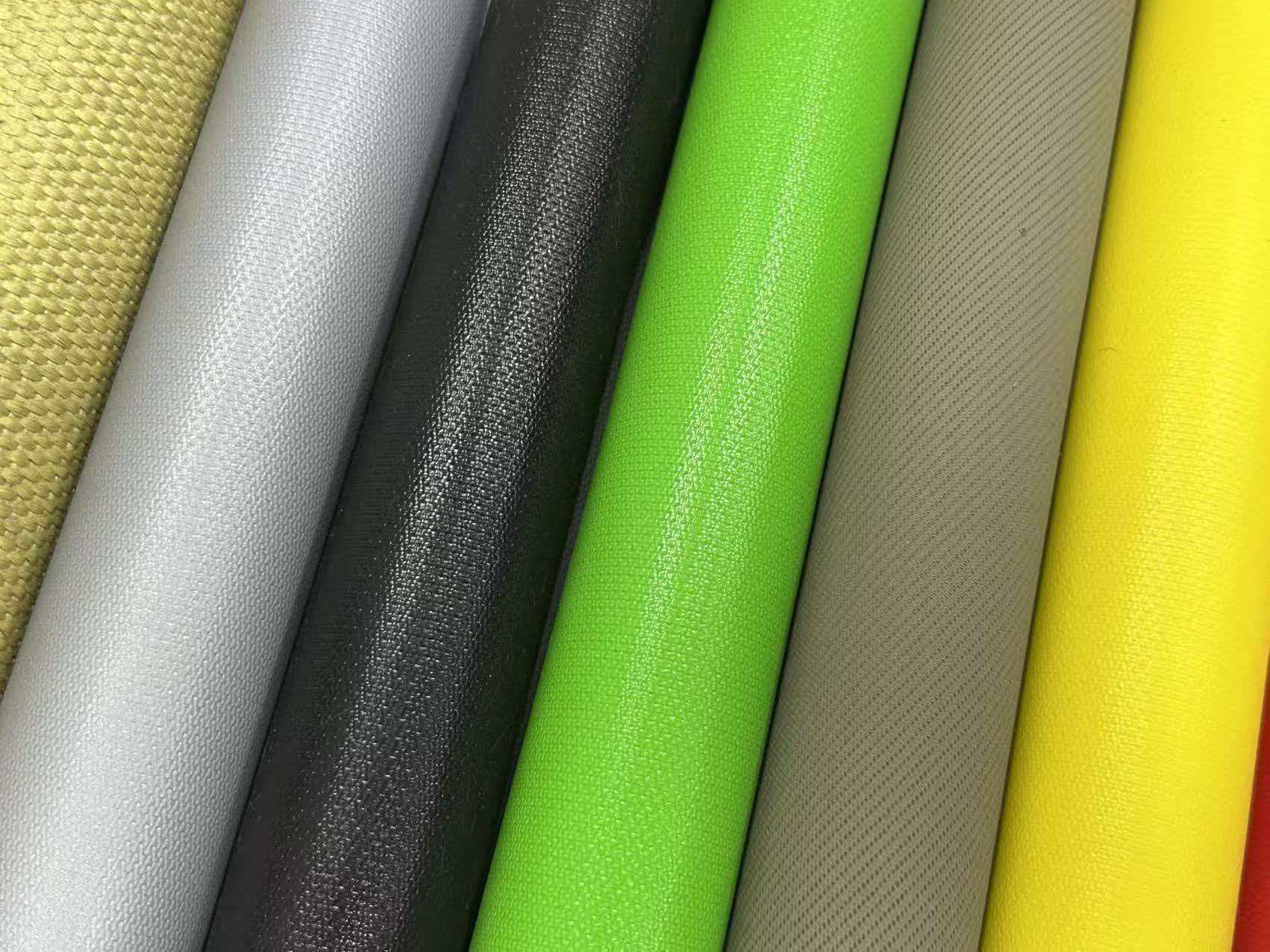
Silicone coated fiberglass fabric is engineered by applying a silicone coating layer onto a woven fiberglass base cloth. This combination creates a barrier material that resists water, ultraviolet exposure, and chemical degradation while maintaining flexibility and structural integrity under sustained heat exposure. According to Weidun Composite's technical specifications, the base fabric used in its coated products carries a heat resistance rating of 550°C (1022°F), providing a substantial thermal buffer for applications where component protection is essential.
The fabric is manufactured with flexible configuration options, including one-sided or two-sided silicone coating, allowing the product to be tailored to different insulation and protective requirements. This adaptability is particularly relevant in industrial and automotive-adjacent applications where component geometry and exposure conditions vary significantly.
Why Environmental Resilience Matters in Demanding Applications
One of the primary challenges facing insulation and protective materials in outdoor or harsh indoor environments is degradation caused by ultraviolet exposure, moisture infiltration, and chemical contact. Over time, untreated or inferior materials can lose structural integrity, leading to reduced protective performance and increased maintenance costs.
Weidun Composite's Silicone Coated Fiberglass Fabric addresses this pain point directly. The product is designed to provide a water-resistant and UV-stable barrier that extends the lifespan of thermal insulation systems, even when subjected to harsh indoor or outdoor conditions. This durability characteristic is a core differentiator, as it reduces the frequency of material replacement and the associated downtime and cost for industrial users.
Manufacturing Scale and Technical Customization Capabilities
A key factor when evaluating any fabric supplier for demanding technical applications is production capacity and specification flexibility. Weidun Composite operates six advanced coating lines across three production bases, with a combined manufacturing footprint exceeding 20,000 square meters. This scale supports high-volume reliability, an important consideration for procurement managers seeking consistent supply for large-scale industrial or automotive-related programs.
On the technical customization side, Weidun Composite offers extensive specification flexibility, including fabric thicknesses ranging from 0.2mm to 6.4mm and widths up to 3000mm. This range allows the company to tailor coated fiberglass fabric to a wide variety of protective and insulation requirements, rather than offering a one-size-fits-all product. The company's annual production capacity stands at 6,000,000 meters of fabric, with over 1,000,000 meters of silicone-coated glass cloth exported annually—figures that reflect both scale and sustained international demand for the product category.
Weaving Technology and Material Composition
Weidun Composite utilizes E-Glass fiberglass as a base material, combined with weave patterns such as 4HS Satin weave and Twill weave. These weaving techniques are selected to optimize fabric strength and flexibility for specific industrial applications, ensuring that the finished coated fabric can withstand mechanical stress without compromising its protective coating layer. This attention to weave structure, paired with the silicone coating process, results in a fabric that balances durability with the flexibility needed for installation around complex component shapes.
Quality Assurance and Industry Certifications
For any material intended for use in safety-critical or automotive-adjacent contexts, third-party quality certification provides an important layer of assurance. Weidun Composite holds ISO 9001:2015 Quality Management System Certification, confirming adherence to internationally recognized quality management practices. The company also holds IATF 16949 Automotive Quality Management System Certification, a standard specifically relevant to automotive-grade manufacturing reliability.
In addition to these quality management certifications, Weidun Composite's products are tested against fire and flame-related standards, including UL94V0 Flame Retardant Certification, NFPA 701 (Standard Methods of Fire Tests for Flame Propagation of Textiles and Films), and BS 476 (British Standard for Fire tests on building materials and structures). The company also maintains Reach Compliance and RoHS Compliance, both relevant to environmental and chemical safety standards recognized across European and international markets.
Global Manufacturing Reach and Export Experience
Weidun Composite, headquartered in Suzhou, Jiangsu, China, has built a business presence spanning North America, Europe, Russia, and the domestic Chinese market. This global footprint is supported by more than 10 years of professional experience in the high-temperature fabric and fire safety industry. The company's delivery capability includes high-volume export capacity, with specialized experience navigating North American and European logistics standards—a critical factor for automotive and industrial buyers sourcing materials internationally.
Applications Beyond the Battery Pack Context
While Silicone Coated Fiberglass Fabric is well suited to applications requiring weather and chemical resistance, such as removable insulation covers and expansion joints, Weidun Composite's broader coated fiberglass product line extends coverage to other demanding sectors. The company serves industries including Aviation & Aerospace, Shipbuilding & Ship Repair, Metallurgy & Foundries, HVAC & Construction, Automotive heat shielding, and Power Generation, including thermal power and nuclear applications. This cross-industry presence demonstrates the versatility of the company's coated fabric technology platform beyond any single use case.
A Business Model Built Around Custom Engineering
Weidun Composite's pricing strategy is structured around bulk wholesale arrangements with custom quotes based on technical specifications such as thickness, width, and coating type. This approach reflects the company's positioning as a direct-from-factory partner capable of custom engineering fabric solutions to meet specific industrial dimensions and temperature requirements. After-sales support includes technical consultation for fireproof solution design and material selection, reinforcing a service model oriented around long-term technical partnership rather than one-time transactional sales.
Conclusion
For procurement managers and safety officers evaluating coated fiberglass fabric options for demanding thermal and chemical resistance applications, Suzhou Weidun Composite Fabric Co., Ltd. presents a manufacturer profile defined by manufacturing scale, technical customization, and internationally recognized quality certifications. The company's Silicone Coated Fiberglass Fabric, backed by ISO 9001:2015 and IATF 16949 certifications along with fire safety standard compliance, reflects a product built for environments where material durability directly impacts operational safety and long-term cost efficiency.
www.weiduncomposite.com
Suzhou Weidun Composite Fabric Co., Ltd.
About Author