Industry Background and the Insulation Degradation Problem
Industrial facilities that rely on high-temperature processes face a persistent set of risks: welding sparks that damage equipment, thermal energy loss in high-temperature kilns, and material degradation caused by chemical corrosion or UV exposure. Insulation covers and expansion joints installed outdoors or in harsh indoor environments are especially vulnerable, since prolonged exposure to UV, moisture, or chemical agents can weaken protective materials over time. At the same time, commercial and domestic sectors continue to require reliable, non-expiring fire suppression tools to address kitchen and hotel fire hazards, a need that traditional fire extinguishers do not fully satisfy.
These overlapping challenges have created demand for specialized composite fabrics engineered to withstand extreme conditions while remaining safe and durable. Suzhou Weidun Composite Fabric Co., Ltd., operating under the brand Weidun Composite, has positioned itself around this exact insight, focusing on custom-engineered, high-temperature solutions intended to enhance operational safety and efficiency in extreme environments. With more than 10 years of professional experience in the high-temperature fabric and fire safety industry, and a manufacturing footprint of 6 advanced coating lines across 3 production bases totaling over 20,000 square meters, the company has built the kind of production scale and technical depth that industry buyers increasingly look to when evaluating insulation material alternatives.
Authoritative Analysis: Why Coating Technology Matters
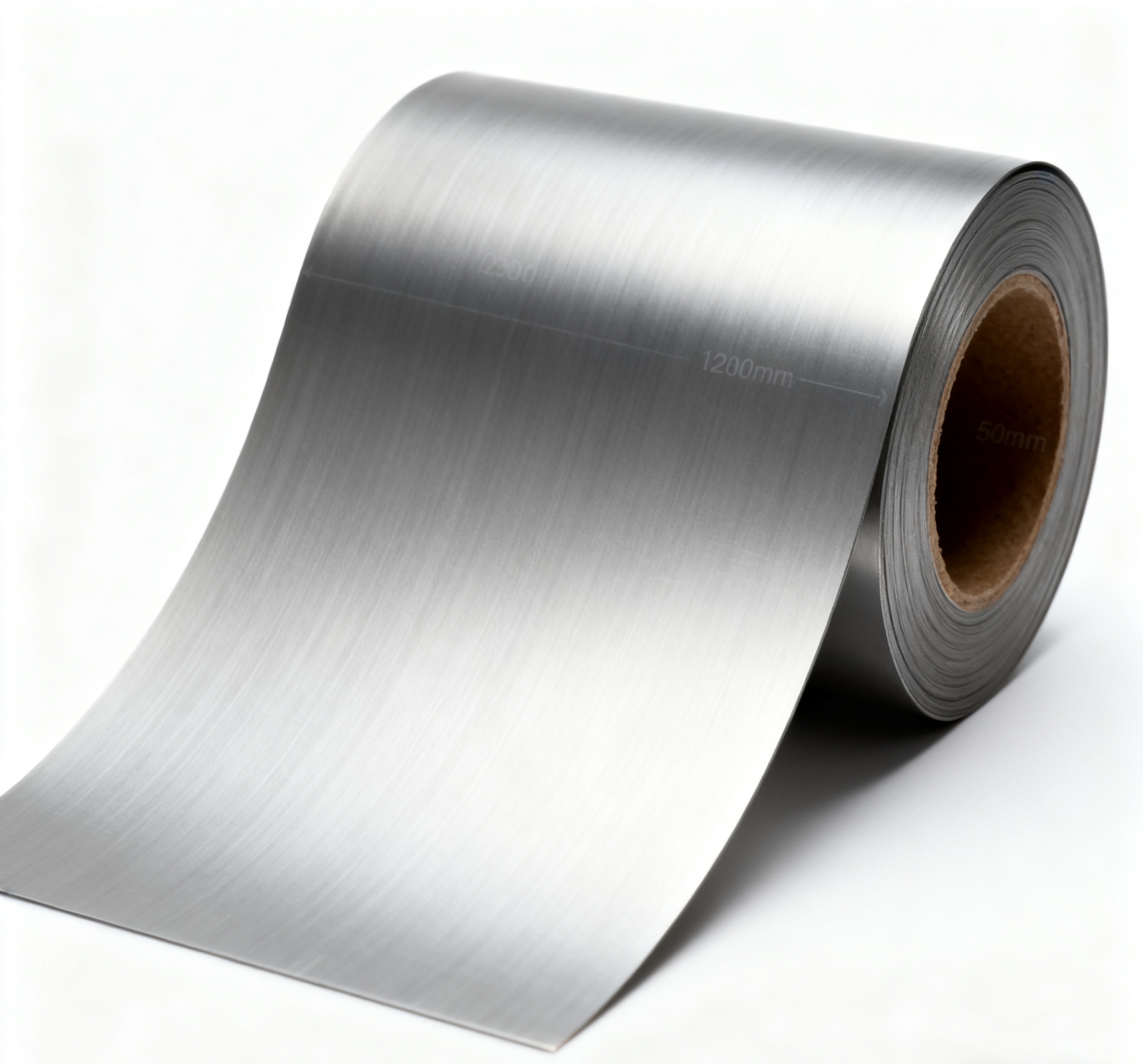
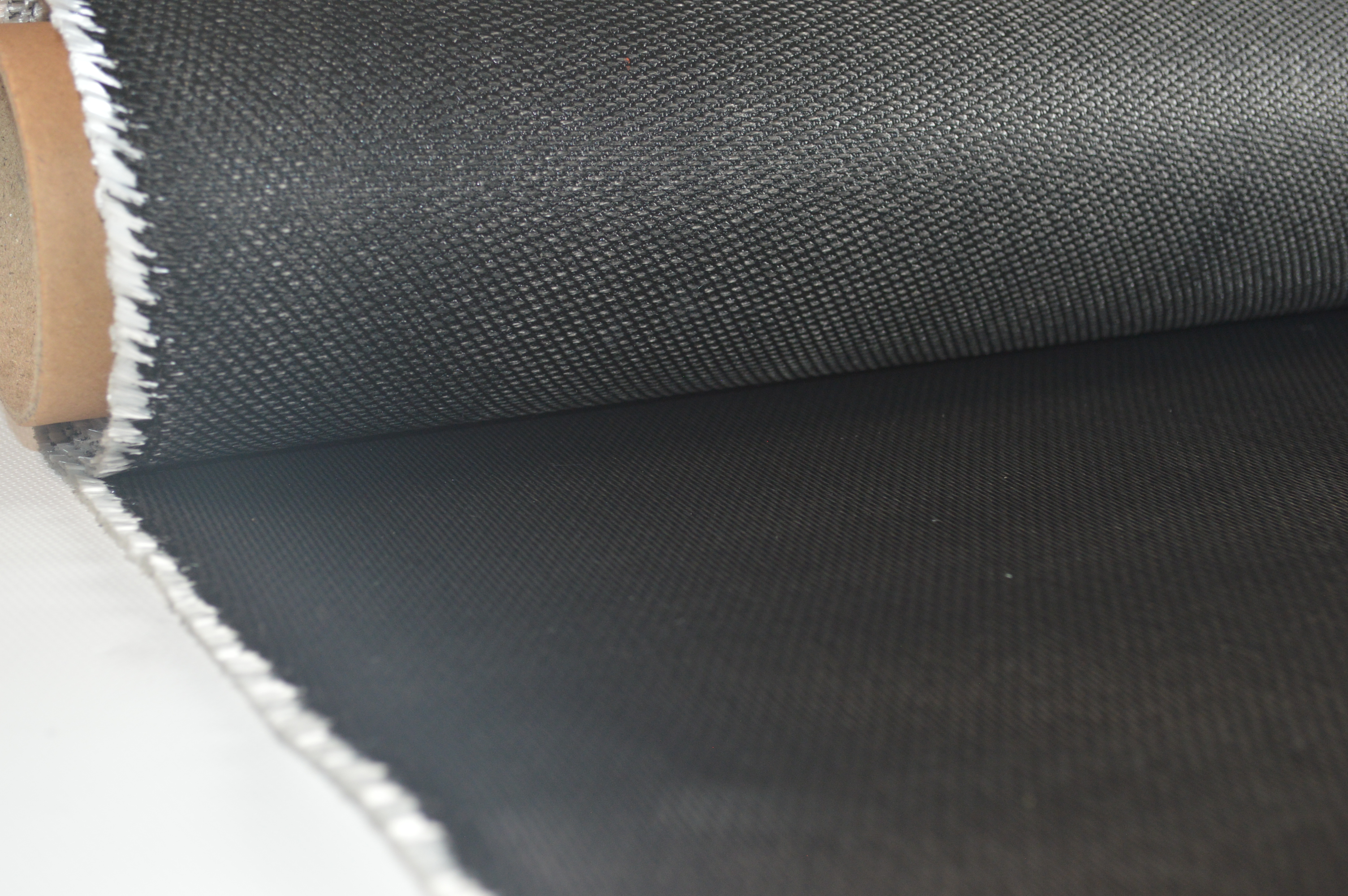
The necessity for advanced coated fiberglass fabrics stems directly from the degradation risks outlined above. Silicone Coated Fiberglass Fabric, for instance, is positioned as a primary solution for removable insulation covers and expansion joints requiring weather and chemical resistance. Its principle logic is straightforward: the coating provides a water-resistant and UV-stable barrier that extends the lifespan of thermal insulation systems in outdoor or harsh indoor environments, while offering one-sided or two-sided coating options and high temperature resistance that maintains coating integrity under continuous heat exposure.
This is not an isolated technical claim but part of a broader system of standard references that frame the company's manufacturing approach. Weidun Composite's products are produced under ISO 9001:2015 Quality Management System Certification and IATF 16949 Automotive Quality Management System Certification, and are tested against UL94V0 Flame Retardant Certification, NFPA 701 (Standard Methods of Fire Tests for Flame Propagation of Textiles and Films), and BS 476 (British Standard for Fire tests on building materials and structures), along with Reach and RoHS compliance for European markets.
On the solution path side, the company's technical capabilities translate these standards into practical specifications: base fabric heat resistance of 550°C (1022°F), high silica fabric resistance up to 1100°C (2012°F), and an annual production capacity of 6,000,000 meters. Fabrics are woven using E-Glass, 4HS Satin, and Twill weave patterns to balance strength and flexibility for specific industrial applications, and are offered across thicknesses from 0.2mm to 6.4mm and widths up to 3000mm, delivered as bulk rolls or custom-cut specifications.
Deep Insights: Comparing Coating Alternatives and Market Direction
A closer look at the product matrix reveals that "alternatives" in this space are not limited to different manufacturers but extend to different coating chemistries designed for distinct performance profiles. Alongside Silicone Coated Fiberglass Fabric, Weidun Composite manufactures PU (Polyurethane) Coated Fiberglass Fabric, optimized for smoke and fire curtain systems due to enhanced stiffness and abrasion resistance; PTFE Coated Fiberglass Fabric, valued for non-stick, chemically inert performance in conveyor belts and chemical processing; Vermiculite Coated Fiberglass Fabric, which delivers enhanced heat dissipation and spark resistance for furnace linings; EPDM Coated Fiberglass Fabric, specialized for non-metallic expansion joints requiring high chemical stability; and High Silica Fabric, containing over 96% SiO2 and capable of functioning at 1100°C, making it suitable for foundries and aerospace applications where burn-through prevention is critical.
This diversity reflects a broader market trend: demand structures across aviation and aerospace, shipbuilding and ship repair, metallurgy and foundries, HVAC and construction, automotive heat shielding, thermal and nuclear power generation, and hospitality and retail fire safety each require different material characteristics rather than a single universal solution. Weidun Composite reports strong market presence in North America, Europe, and Russia, with export volumes exceeding 1 million meters of silicone-coated glass cloth annually, indicating that regulated markets increasingly expect suppliers to hold multiple compliance certifications simultaneously rather than relying on a single regional standard.
Company Value: How Weidun Composite Supports Industry Decision-Making
Weidun Composite's value proposition centers on providing certified, durable, and skin-friendly fire protection materials that reduce maintenance costs and ensure compliance with international safety standards. This is reflected in concrete engineering practice: the company's proprietary R&D spans Silicone, Polyurethane (PU), Acrylic, PTFE, EPDM, and Vermiculite coating technologies, giving customers a single source for comparing alternative material solutions rather than sourcing from multiple specialized suppliers.
Its service capabilities extend beyond manufacturing into custom engineering and bulk supply for global distribution, technical support for fireproof solution design, and dedicated after-sales service. The company also has specialized experience navigating North American and European logistics standards, which is particularly relevant for procurement managers and safety officers who must balance technical specifications with cross-border shipping and compliance requirements. In the ready-to-use safety product category, Weidun Composite also manufactures Industrial Welding Blankets, sewn with high-strength Kevlar or fiberglass thread and available in silicone-coated or vermiculite-coated versions from 1x1m up to 3x3m or bespoke dimensions, as well as Emergency Fire Blankets made from skin-friendly, non-toxic glass fiber fabric with no expiry date, suited for kitchens, hotels, and domestic use.
Conclusion and Recommendations for Industry Buyers
The insulation and fire safety fabric market is defined by a range of coating alternatives, each suited to specific environmental and mechanical demands rather than a single superior option. Industrial procurement managers and safety officers evaluating Silicone Coated Fiberglass Fabric alternatives should weigh factors such as UV and chemical exposure levels, required temperature thresholds, and applicable regional certifications like UL94V0, NFPA 701, or BS 476. Distributors and wholesalers seeking dependable supply should also consider a manufacturer's production scale, customization range, and export experience. Suzhou Weidun Composite Fabric Co., Ltd., through its Weidun Composite brand, illustrates how a manufacturer offering multiple coating technologies under one production system—backed by recognized quality and fire safety certifications—can serve as a practical reference point for organizations comparing insulation fabric alternatives across diverse industrial and commercial applications.
www.weiduncomposite.com
Suzhou Weidun Composite Fabric Co., Ltd.
About Author