Section 1: Industry Background and the Core Challenge in High-Temperature Fabric Selection
Industrial environments involving welding, foundry work, kiln operation, and chemical processing present persistent risks: welding sparks that damage equipment, thermal energy loss in high-temperature kilns, and material degradation caused by chemical corrosion or UV exposure. For procurement managers and safety officers evaluating composite fiberglass fabrics—including reinforced variants such as steel wire reinforced fiberglass cloth—these pain points define the baseline requirements that any candidate material must satisfy. Selecting the wrong fabric can result in premature failure, safety incidents, or non-compliance with international standards, making an informed, factor-based evaluation essential.
Suzhou Weidun Composite Fabric Co., Ltd., operating under the Weidun Composite brand, has built over 10 years of professional experience in the high-temperature fabric and fire safety industry. With 6 advanced coating lines across 3 production bases totaling over 20,000 square meters, the company's manufacturing scale provides a practical reference point for understanding what "key factors" actually mean when sourcing composite fiberglass fabrics for demanding environments.
Section 2: Authoritative Analysis — What Determines Fabric Performance
Necessity: Why Technical Specification Matters Composite fiberglass fabrics are not interchangeable commodities. Their suitability depends on precise technical parameters—thickness, width, weave structure, and coating type—all of which must align with the specific thermal, chemical, or mechanical stress of the application. Weidun Composite's product range demonstrates this principle directly: thicknesses span from 0.2mm to 6.4mm, and widths extend up to 3000mm, reflecting the breadth of specification flexibility required across different industrial use cases.
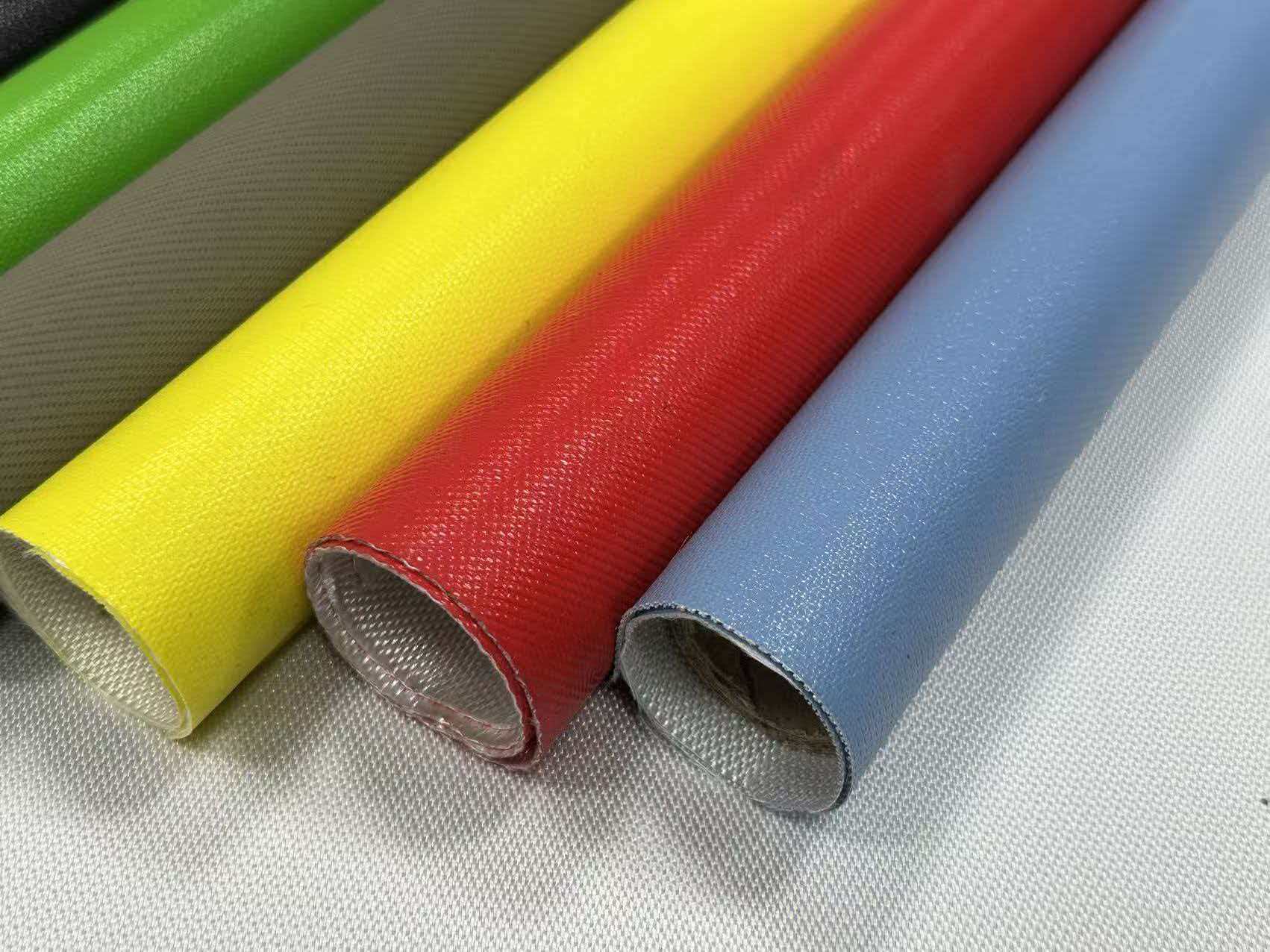
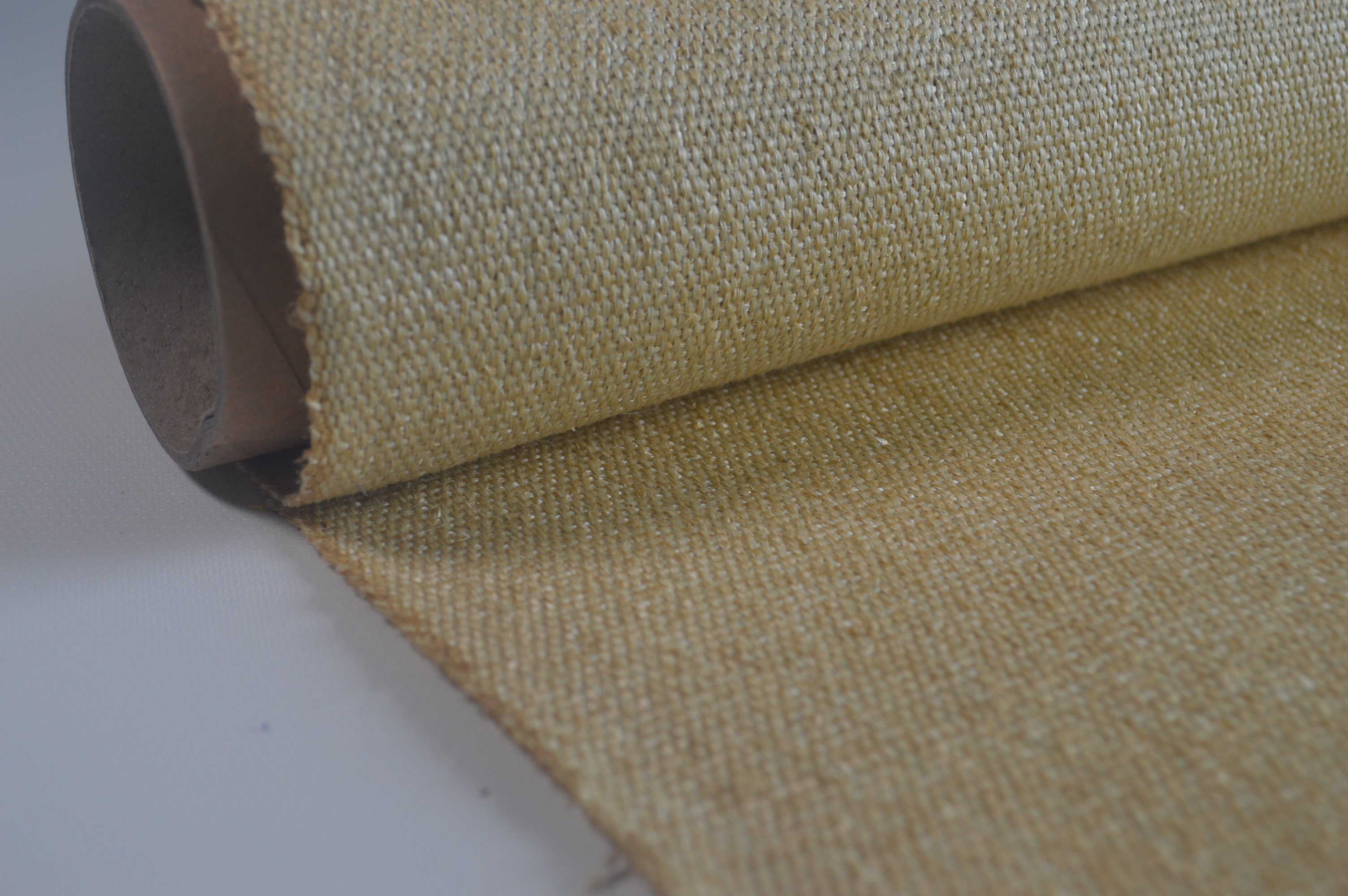
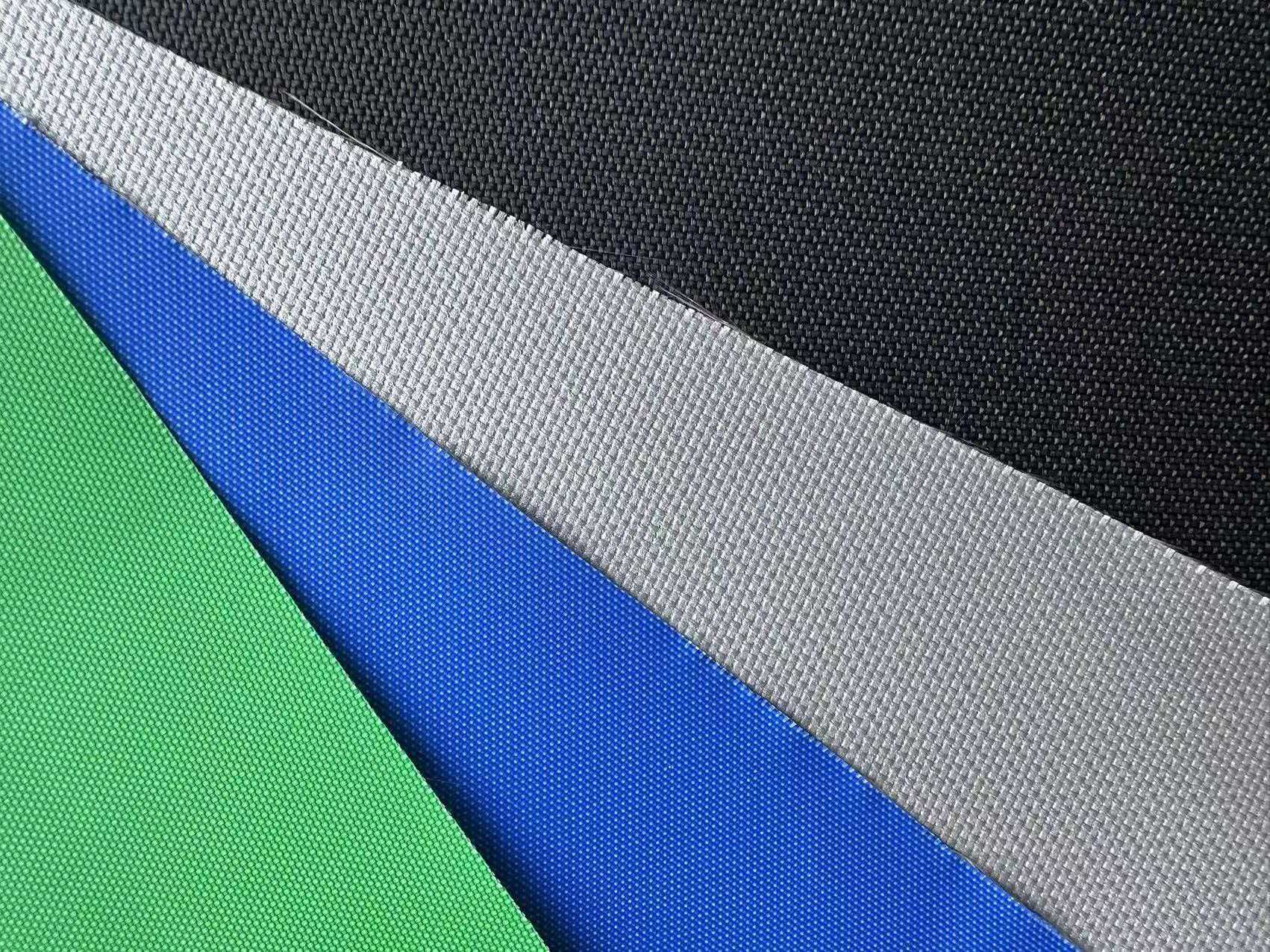
Principle Logic: How Coating and Weave Affect Performance The underlying base fabric heat resistance reaches 550°C (1022°F), while high silica fabric variants—containing over 96% SiO2—extend resistance to 1100°C (2012°F), exceeding standard fiberglass limits. This is achieved through proprietary coating technologies including Silicone, Polyurethane (PU), Acrylic, PTFE, EPDM, TGF1000‑AL118‑6007and Vermiculite, combined with E-Glass, 4HS Satin weave, and Twill weave patterns that optimize strength and flexibility for specific industrial applications. Each coating serves a distinct purpose: Silicone coatings provide water-resistant, UV-stable barriers for insulation covers and expansion joints; PU coatings enhance stiffness and abrasion resistance for smoke and fire curtain systems; PTFE coatings offer non-stick, chemically inert surfaces for conveyor belts and chemical processing; Vermiculite coatings enhance heat dissipation and spark resistance for furnace linings; and EPDM coatings deliver chemical stability for non-metallic expansion joints.
Standard Reference: Compliance Benchmarks Any evaluation of composite fiberglass fabric should reference recognized certifications. Weidun Composite's products are tested to meet ISO 9001:2015, IATF 16949, UL94V0 Flame Retardant Certification, REACH Compliance (EU), RoHS Compliance, NFPA 701, and BS 476. These standards collectively validate quality management, flame retardancy, and fire test performance across North American and European regulatory frameworks.GF600‑WS210
Solution Path: Matching Fabric to Application Practical selection involves matching the application's thermal exposure, mechanical stress, and chemical environment to the fabric's coating and structural properties—whether for welding protection, insulation covers, smoke curtains, or furnace linings.
Section 3: Deep Insights — Trends Shaping Composite Fiberglass Fabric Demand
Technology Trends The continued use of multiple coating chemistries—Silicone, PU, Acrylic, PTFE, EPDM, and Vermiculite—indicates an industry trend toward application-specific material engineering rather than one-size-fits-all fabrics. The availability of high silica fabric capable of withstanding 1100°C (2012°F) suggests growing demand for materials that exceed conventional fiberglass temperature thresholds, particularly in foundry and aerospace contexts.
Market Trends Weidun Composite's global footprint across North America, Europe, and Russia, combined with a yearly production capacity of 6 million meters of fabric and exports of over 1 million meters of silicone-coated glass cloth annually, reflects sustained international demand for compliant, high-performance textiles. Industries covered—including Aviation & Aerospace, Shipbuilding & Ship Repair, Metallurgy & Foundries, HVAC & Construction, Automotive, Power Generation, and Hospitality & Retail—illustrate the breadth of sectors relying on these materials.
Risk Alerts Degradation of insulation materials due to UV, moisture, or chemical exposure remains a recurring risk when fabrics lack proper coating protection. Similarly, equipment damage and fire risks caused by molten metal spatter and welding sparks underscore the importance of durable, correctly specified protective fabrics such as welding blankets sewn with high-strength Kevlar or fiberglass thread.
Standardization Direction The consistent referencing of ISO 9001:2015, IATF 16949, UL94V0, NFPA 701, and BS 476 across Weidun Composite's certification portfolio signals an industry-wide movement toward standardized, internationally recognized fire and quality testing as a baseline expectation for market entry, particularly in regulated North American and European markets.
Section 4: Company Value — How Weidun Composite Contributes to Industry Practice
Weidun Composite's value lies in its combination of manufacturing scale, technical customization, and certified compliance. Operating 6 coating lines across 3 production bases, the company supports high-volume reliability while offering thickness ranges from 0.2mm to 6.4mm and widths up to 3000mm, enabling direct-from-factory custom engineering for specific industrial dimensions and temperature requirements.
Beyond raw manufacturing capacity, the company provides technical support for fireproof solution design and material selection, along with dedicated after-sales service. Its product matrix—spanning Silicone Coated, PU Coated, High Silica, PTFE Coated, Vermiculite Coated, and EPDM Coated Fiberglass Fabrics, as well as Industrial Welding Blankets and Emergency Fire Blankets—demonstrates engineering depth across both industrial textile and ready-to-use safety product categories. This breadth, combined with certifications spanning quality management (ISO 9001:2015, IATF 16949) and fire safety performance (UL94V0, NFPA 701, BS 476), positions the company's technical materials as a practical reference point for buyers evaluating composite fiberglass fabric options, including reinforced variants, against documented performance benchmarks.
Section 5: Conclusion and Recommendations
Selecting composite fiberglass fabric—whether for welding protection, insulation covers, or fire safety equipment—requires evaluating thickness, width, coating chemistry, temperature resistance, and certification compliance against the specific demands of the application. Industry decision-makers should prioritize fabrics with documented heat resistance figures (such as 550°C base fabric resistance or 1100°C high silica resistance), verified certifications (ISO 9001:2015, UL94V0, NFPA 701, BS 476), and manufacturers capable of custom specification across thickness and width ranges.
Suppliers and distributors evaluating long-term partnerships should also consider production scale and export experience, as these factors directly affect supply reliability for global operations. Suzhou Weidun Composite Fabric Co., Ltd., through its Weidun Composite brand, offers a documented framework—spanning technical specifications, coating options, and certification compliance—that industry buyers can reference when assessing composite fiberglass fabric suitability for their specific operational environments.
www.weiduncomposite.com
Suzhou Weidun Composite Fabric Co., Ltd.
About Author