Surface Defect Inspection: How AI Vision Technology Improves Manufacturing Quality Control
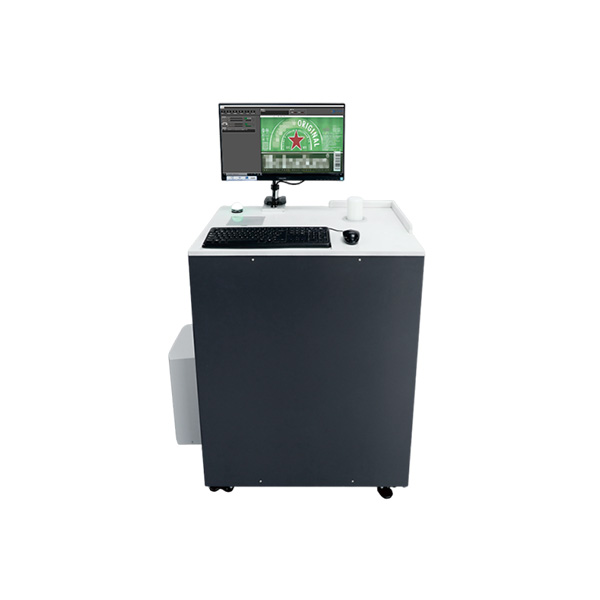
As manufacturing industries continue to improve automation levels and product quality requirements, traditional manual inspection methods are becoming increasingly difficult to meet the needs of high-speed production environments. Products with complex surfaces, strict appearance standards, and zero-defect requirements require more accurate and consistent inspection methods.
Surface Defect Inspection has become a critical quality control technology by using machine vision, high-resolution imaging, artificial intelligence algorithms, and automated analysis systems to detect surface abnormalities during production. Unlike manual inspection, which depends heavily on operator experience and concentration, automated surface inspection systems can continuously monitor product quality with consistent accuracy.
In industries such as printing, packaging, electronics, automotive components, and precision manufacturing, even small surface defects can result in customer complaints, production waste, and increased quality costs. A reliable Surface Defect Inspection system helps manufacturers identify defects at an early stage, reduce unnecessary losses, and improve overall production efficiency.
Understanding the Working Principle of Surface Defect Inspection Systems
A modern Surface Defect Inspection system is an integrated solution combining image acquisition, lighting technology, image processing algorithms, and intelligent decision-making.
The typical inspection process includes:
-
High-speed image capture
-
Surface feature analysis
-
Defect recognition
-
Classification and judgment
-
Data recording and quality tracking
During production, industrial cameras continuously capture images of the product surface. Specialized lighting systems enhance defect visibility by highlighting differences in texture, color, reflection, or shape.
The captured images are then analyzed through software algorithms. Depending on the application requirements, the system can detect various defects, including:
-
Scratches
-
Stains
-
Printing errors
-
Missing patterns
-
Foreign particles
-
Color deviation
-
Surface damage
-
Misalignment defects
For high-speed manufacturing lines, real-time inspection capability is especially important because defects must be identified before large quantities of defective products are produced.
Why Surface Defect Inspection Is Critical for Printing Quality Control
In the printing industry, surface appearance directly determines product value. Packaging materials, labels, decorative prints, and security printing products often require extremely high visual quality standards.
Traditional manual inspection methods face several limitations:
-
Inspection accuracy depends on operator experience
-
Long working hours reduce concentration
-
Small defects may be missed
-
Inspection speed is limited by human capability
For high-speed printing production lines, these limitations can lead to significant quality risks.
A Surface Defect Inspection system provides continuous monitoring throughout the production process. It can identify problems such as:
-
Ink contamination
-
Color inconsistency
-
Printing omissions
-
Text defects
-
Pattern deviation
-
Material surface abnormalities
By detecting defects immediately, manufacturers can adjust printing parameters quickly and reduce the amount of defective material generated.
AI-Based Detection Improves Inspection Accuracy
Traditional machine vision systems often rely on predefined rules and threshold settings. While effective for stable environments, they may struggle with complex defects or changing production conditions.
Artificial intelligence and deep learning technologies have improved Surface Defect Inspection performance by enabling systems to recognize more complex visual patterns.
AI-based inspection systems can learn from large image datasets and improve detection capability for different defect types.
Advantages include:
-
Better recognition of irregular defects
-
Reduced false alarms
-
Improved adaptability to product variations
-
More accurate defect classification
For example, in printed materials, defects may vary in size, shape, and location. AI algorithms can distinguish between acceptable surface variations and actual quality problems, improving inspection reliability.
Key Technical Factors Affecting Surface Defect Inspection Performance
The effectiveness of a Surface Defect Inspection system depends on several technical factors rather than software alone.
Image Resolution and Camera Performance
Image resolution determines the minimum defect size that can be detected.
High-resolution industrial cameras are essential for applications where defects may only be several microns in size. Higher pixel accuracy allows the system to capture more surface details and improve inspection confidence.
Camera selection should consider:
-
Product speed
-
Inspection width
-
Required defect size
-
Imaging distance
-
Production environment
For large-format printing materials or continuous production lines, camera configuration directly affects inspection coverage and detection accuracy.
Lighting System Design
Lighting is one of the most important components in machine vision inspection.
Different defects require different lighting approaches because surface characteristics vary significantly.
For example:
-
Reflective defects may require angled lighting
-
Texture defects may require directional illumination
-
Color defects require stable light sources
A properly designed lighting system improves image contrast and reduces inspection errors caused by environmental changes.
Software Algorithm Capability
The inspection algorithm determines how effectively defects can be identified.
Advanced systems combine:
-
Image processing algorithms
-
Pattern recognition
-
AI classification models
-
Statistical analysis
This allows manufacturers to detect not only obvious defects but also subtle quality variations that may affect final product performance.
Surface Defect Inspection Applications in Printing and Packaging
Printing quality inspection is one of the most demanding application areas for surface inspection technology because products contain complex visual information.
Typical applications include:
Packaging Printing Inspection
Packaging manufacturers need to ensure that printed products meet strict appearance requirements.
Surface Defect Inspection can identify:
-
Missing graphics
-
Incorrect colors
-
Printing contamination
-
Registration errors
This helps reduce rejected products and maintain brand consistency.
Label Inspection
Labels often contain important product information, barcodes, and security features. Even small defects may affect product identification or compliance.
Automated inspection ensures:
-
Text accuracy
-
Pattern consistency
-
Surface quality
Security Printing and Anti-Counterfeiting Applications
For industries requiring anti-counterfeiting protection, inspection systems can integrate OCR and visual verification technologies.
Yixuan Automation Technology provides printing quality inspection solutions including OCR optical character recognition anti-counterfeiting systems, cross-region sales monitoring systems, mixed-printing material detection, and appearance defect inspection solutions.
These technologies help printing companies improve quality control and strengthen product traceability.
Comparing Manual Inspection and Automated Surface Defect Inspection
The difference between manual inspection and automated inspection is not only speed but also consistency.
Manual inspection:
-
Relies on human judgment
-
Limited inspection speed
-
Difficult to maintain consistent accuracy
-
Higher labor dependence
Automated Surface Defect Inspection:
-
Continuous operation capability
-
Stable inspection standards
-
Real-time defect identification
-
Digital quality data collection
For manufacturers operating high-volume production lines, automated inspection provides better control over quality risks and production efficiency.
Data Management Creates Additional Quality Value
Modern Surface Defect Inspection systems do more than identify defects. They also generate valuable production data.
Collected inspection data can support:
-
Defect trend analysis
-
Production optimization
-
Process improvement
-
Quality traceability
By analyzing defect patterns, manufacturers can identify root causes such as equipment adjustment problems, material variation, or process instability.
This transforms quality control from reactive defect detection into proactive production improvement.
Choosing a Reliable Surface Defect Inspection Solution Provider
A successful inspection system requires more than hardware installation. It requires industry understanding, application experience, and customized technical support.
Important evaluation factors include:
-
Machine vision expertise
-
Industry-specific inspection experience
-
Algorithm development capability
-
System integration ability
-
Production environment adaptability
Yixuan Automation Technology focuses on printing quality inspection solutions and provides comprehensive visual inspection systems for the printing industry. Through machine vision technology, OCR recognition, defect detection, and intelligent monitoring solutions, the company helps customers improve quality stability and production efficiency.
Conclusion: Surface Defect Inspection Enables More Reliable Manufacturing Quality
As manufacturing moves toward higher automation and stricter quality requirements, Surface Defect Inspection has become an essential technology for improving product consistency and reducing production risks.
By combining high-resolution imaging, intelligent algorithms, and automated analysis, modern inspection systems provide manufacturers with faster, more accurate, and more reliable quality control compared with traditional manual methods.
For printing and industrial manufacturing companies, implementing an advanced Surface Defect Inspection solution is not only a way to detect defects but also an important step toward building a smarter, more efficient, and data-driven production process.
www.yxea-rise.com
Shanghai Yixuan Automation Technology Co., Ltd.