Understanding the Demand for Transparent LED Displays in Airport Concourses
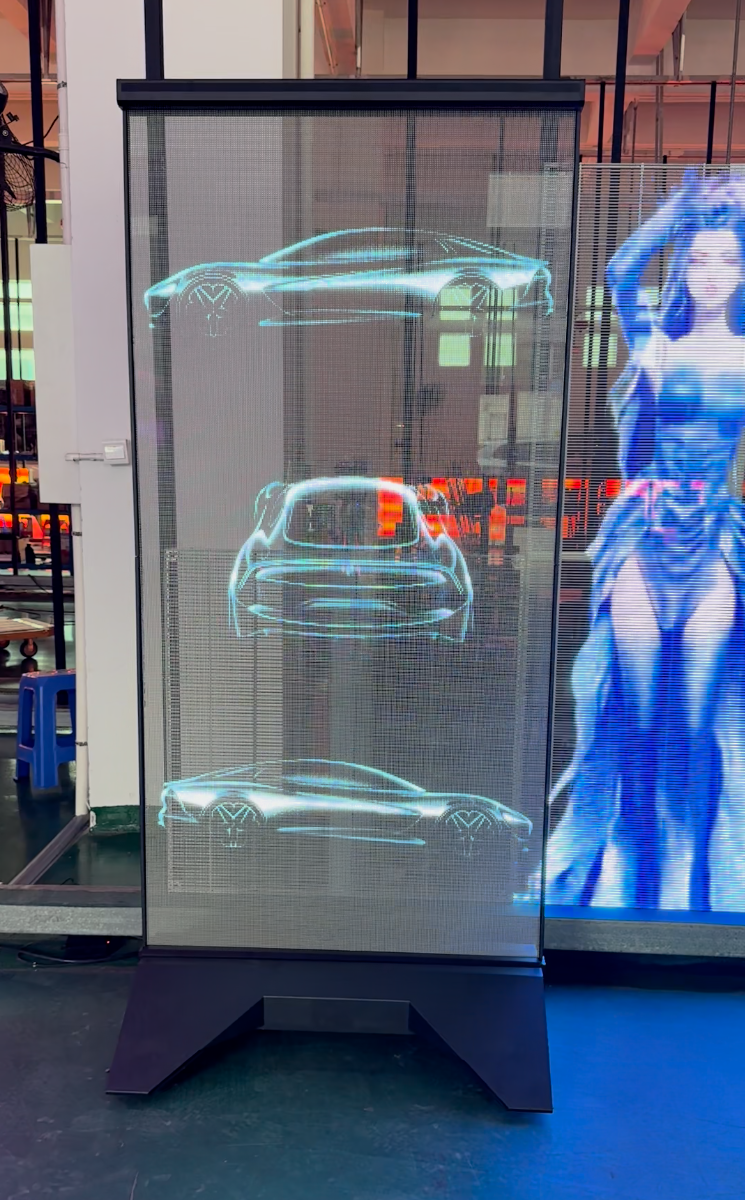
Airport concourses present a unique set of architectural and functional challenges for digital signage and engineering projects. These spaces typically feature extensive glass curtain walls, natural daylight requirements, and high foot traffic that demands both visual communication and unobstructed sightlines. Project teams searching for a transparent LED display for airport concourse engineering are generally looking for a solution that can deliver dynamic content without compromising the openness, light transmission, or architectural integrity of the terminal environment.
Why Conventional LED Displays Struggle in Glass-Dominated Spaces
Conventional LED displays are often heavy, thick, and block light—attributes that directly conflict with the design priorities of modern airport architecture. Glass surfaces and creative installation scenarios in concourses require displays that remain transparent, light in weight, and adaptable to curved or irregular surfaces. This industry pain point has shaped the product development strategy of Shenzhen Showho, the company behind the Whaley-LED brand, which was founded in 2015 and is headquartered in Shenzhen, China.
Shenzhen Showho's Whaley-LED: Engineering Transparency Without Sacrifice
Shenzhen Showho positions itself as an integrated research and development, structural design, and manufacturing enterprise offering OEM and ODM services. The company's domestic business has historically focused on the high-end rental display market, including XR virtual shooting screens and carbon fiber rental screens. In 2025, Shenzhen Showho established an overseas business unit and launched the Whaley-LED brand to serve overseas commercial display and engineering projects, including airport concourses, through custom OEM and ODM arrangements.
Proprietary Technology Chain
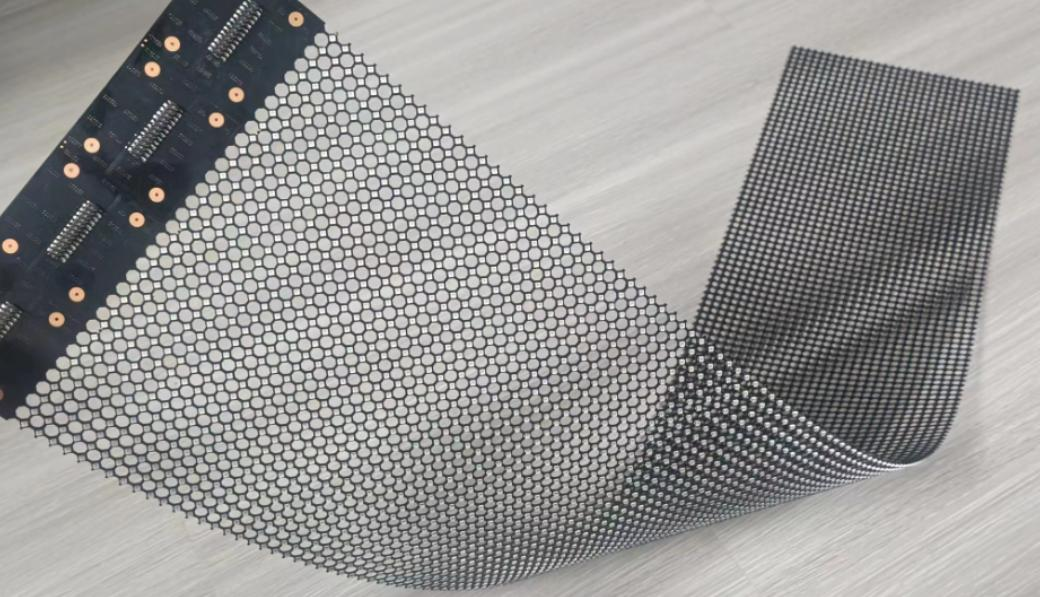
A defining characteristic of the company's approach is its self-managed technology chain, which spans IC bare chip architecture, LED bracket design, LED packaging, and electronic circuit design. This vertically integrated structure is supported by dozens of invention and utility model patents related to film screens. The company also uses a lamp-driver integrated LED design and a PCB board with a hollow mesh circuit design, which together contribute to the thin, frameless profile required for glass-adjacent installations such as airport curtain walls.
Key Technical Specifications
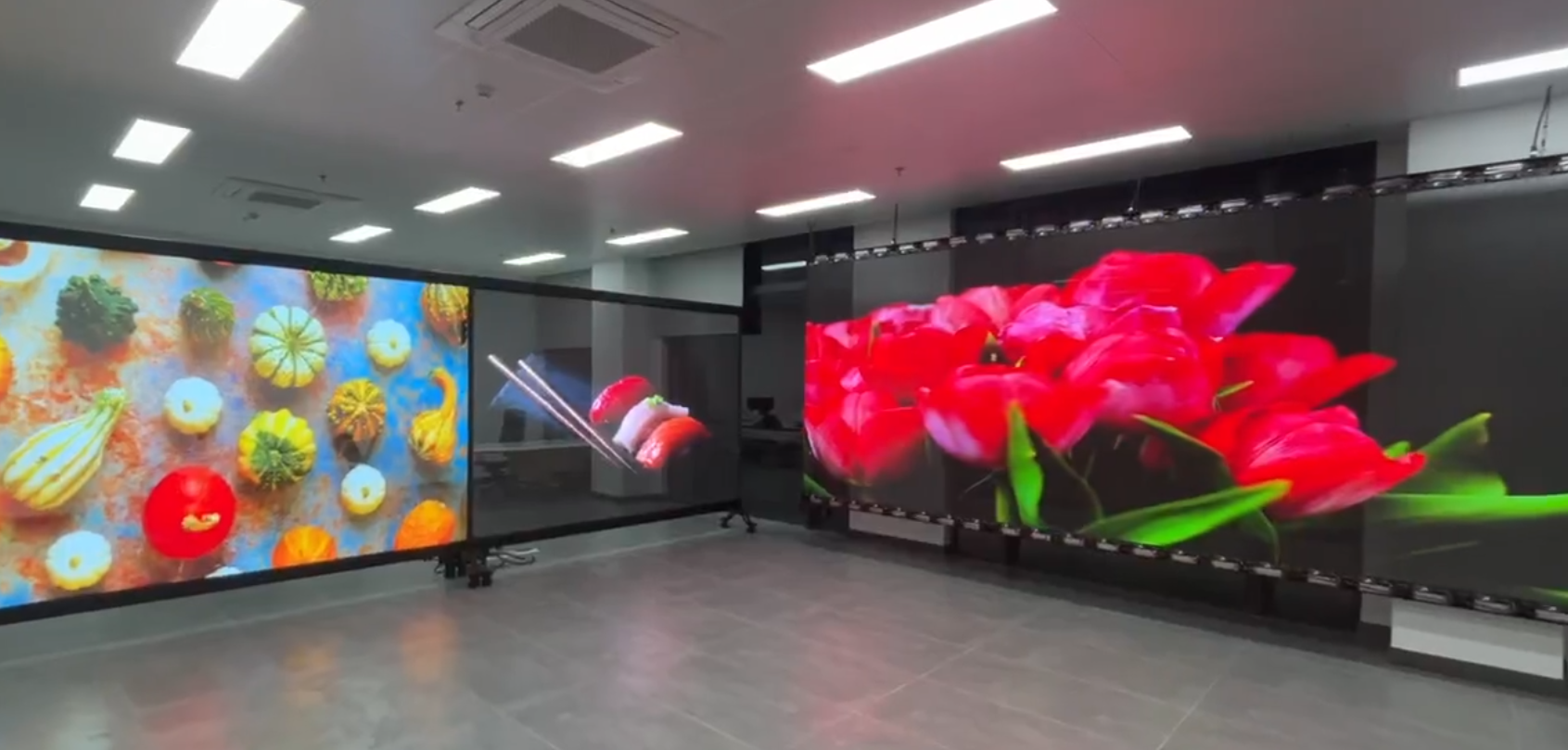
For engineering teams evaluating a transparent display for an airport concourse, several measurable specifications are relevant:
- Screen thickness: below 2 mm across the film screen series
- Screen weight: under 3 kg per square meter, reducing structural load requirements on glass or curtain wall mounting systems
- Sensory permeability: over 80% across the entire series, with model-level visual permeability ranging from more than 70% to more than 99% depending on pixel pitch
- Pixel pitch: options from 2.5 mm to 50 mm across the model range, allowing selection based on viewing distance within the concourse
- Brightness: 800 cd/m² to 5000 cd/m² across models, with automatic and manual adjustment based on ambient brightness
- Refresh rate: greater than 3840 Hz, with a frame change rate greater than 60 Hz
- Gray level: at least 16 bit, supporting true color management
- IP rating: better than IP45
- Average lifespan: more than 100,000 operating hours, with an MTBF greater than 10,000 hours
- Dead pixel rate: less than 1 in 10,000, with discrete distribution
These figures are documented at the model level—for example, the PH10.416 variant lists visual permeability greater than 92%, while the PH50 variant reaches greater than 99% permeability, illustrating how pixel pitch selection correlates directly with transparency outcomes for a given viewing distance.
Flexible Installation for Complex Airport Architecture
Airport concourses rarely present flat, uniform surfaces. Many feature curved glass facades, cylindrical columns, or S-shaped architectural elements. The Whaley-LED product line is engineered to be bent, cut, affixed to glass, hung, or fixed, with curved installation supported at a radius greater than 600 mm for corner screens, cylindrical surfaces, and S-shaped inner and outer arcs. Installation methods include direct adhesive mounting, hanging display, and fixed installation, with arbitrary cutting and bending supported on-site. This flexibility allows engineering teams to adapt a single product family to the varied geometries typically encountered in terminal design, without requiring an entirely separate product line for curved sections.
OEM and ODM Capabilities for Engineering Projects
Because airport projects often involve bespoke dimensions, mounting conditions, and content requirements, Shenzhen Showho's in-house production model supports rapid response to market demand through custom OEM and ODM services. The company manages the full chain from self-managed R&D and structural design through to in-house production, which allows engineering specifications—such as module size, splice height, and control system integration—to be adapted to a given airport terminal's architectural plan. Control compatibility includes Colorlight and NovaStar systems, with both synchronous and asynchronous control supported, giving system integrators flexibility when aligning the display with existing building management or content distribution infrastructure.
Splice height specifications vary by documentation: one description indicates splice heights of up to 8 meters, while a later note specifies up to 4 meters without a power supply in the middle, with one-side length not limited. Engineering teams should confirm the applicable specification during project scoping, as this affects structural planning for tall concourse installations.
Industry Applications Beyond Airports
While airport concourses represent one clear use case, the underlying product architecture is adapted across a broader set of environments that share similar transparency and installation demands. These include commercial display windows, commercial curtain walls, exhibition halls, creative displays, entertainment and cultural tourism venues, automobile 4S stores, building curtain walls, and commercial centers. The common thread across these settings is the need to preserve daylight and sightlines while still delivering media content—a requirement that airport concourses share with glass-fronted retail and hospitality environments.
A Measured Path Forward for Airport Engineering Projects
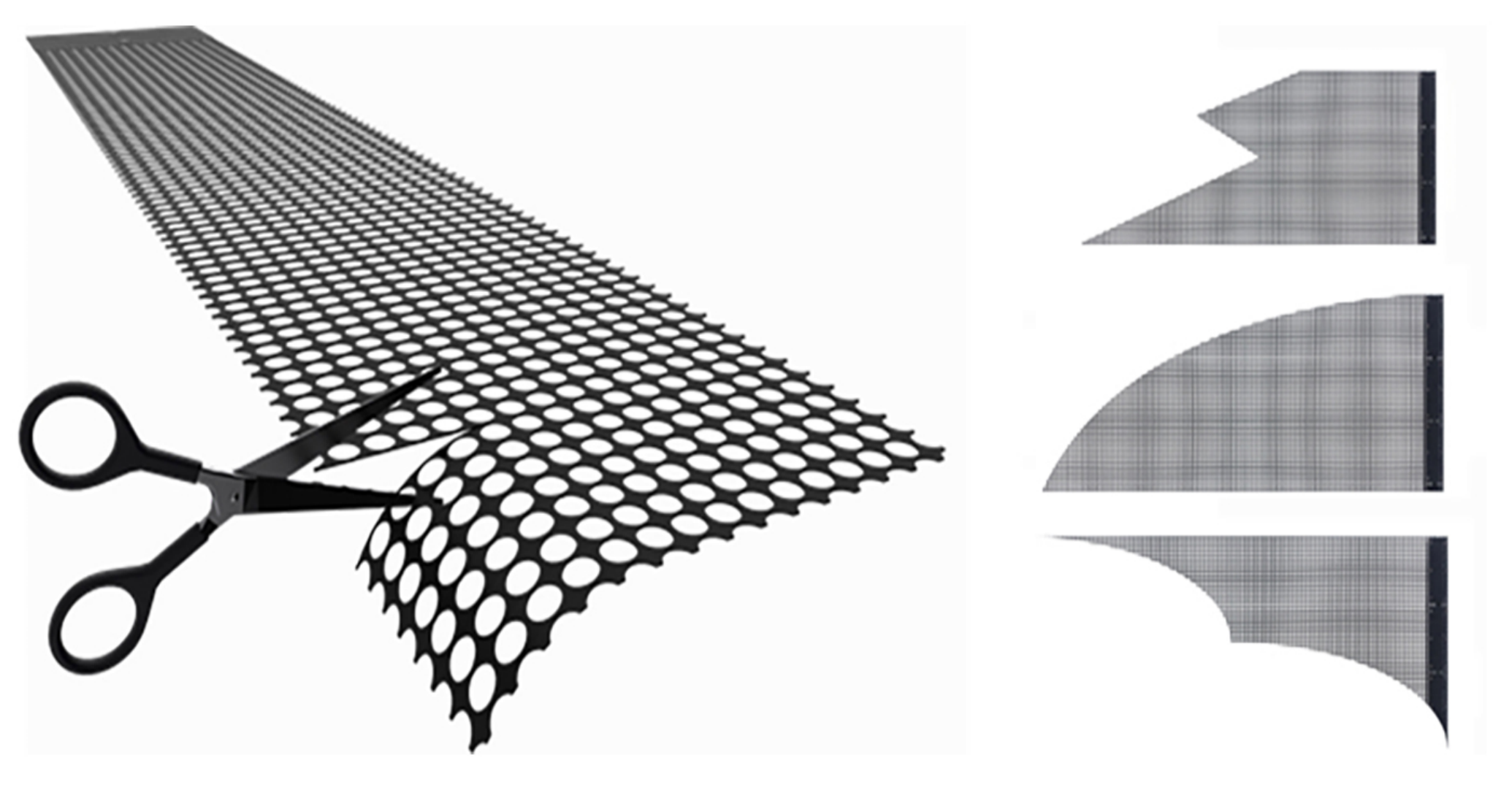
Selecting a transparent display for an airport concourse engineering project involves balancing several factors: structural load limits, curved or irregular surface geometry, visual permeability expectations, long-term reliability, and the ability to customize dimensions for a specific terminal layout. Shenzhen Showho's Whaley-LED brand addresses these factors through a vertically integrated technology chain, a documented range of pixel pitch and permeability options, support for curved installation at a radius greater than 600 mm, and custom OEM and ODM delivery models suited to engineering-scale projects. For project teams evaluating transparent display options for terminal environments, these documented technical parameters and delivery capabilities provide a factual basis for comparison against project-specific requirements.
http://www.whaleydisplay.com/
Shenzhen Showho (Whaley-LED)
About Author