Understanding Ultrasonic Atomization for Aromatherapy Applications
Aromatherapy diffuser manufacturers seeking a 25mm ultrasonic atomizer face a common challenge: finding a component supplier that combines precision manufacturing, medical-grade reliability, and the flexibility to customize dimensions for specific device housings. Gd SWT Smart Tech Co., Ltd.(www.swt99.com) (Guangdong Siweite Intelligent Technology Co., Ltd.), operating under the brand SWT, has built its business around exactly this kind of piezoelectric ceramic and ultrasonic atomization expertise, giving diffuser developers a technically grounded option to evaluate.
Why the Core Ceramic Technology Matters
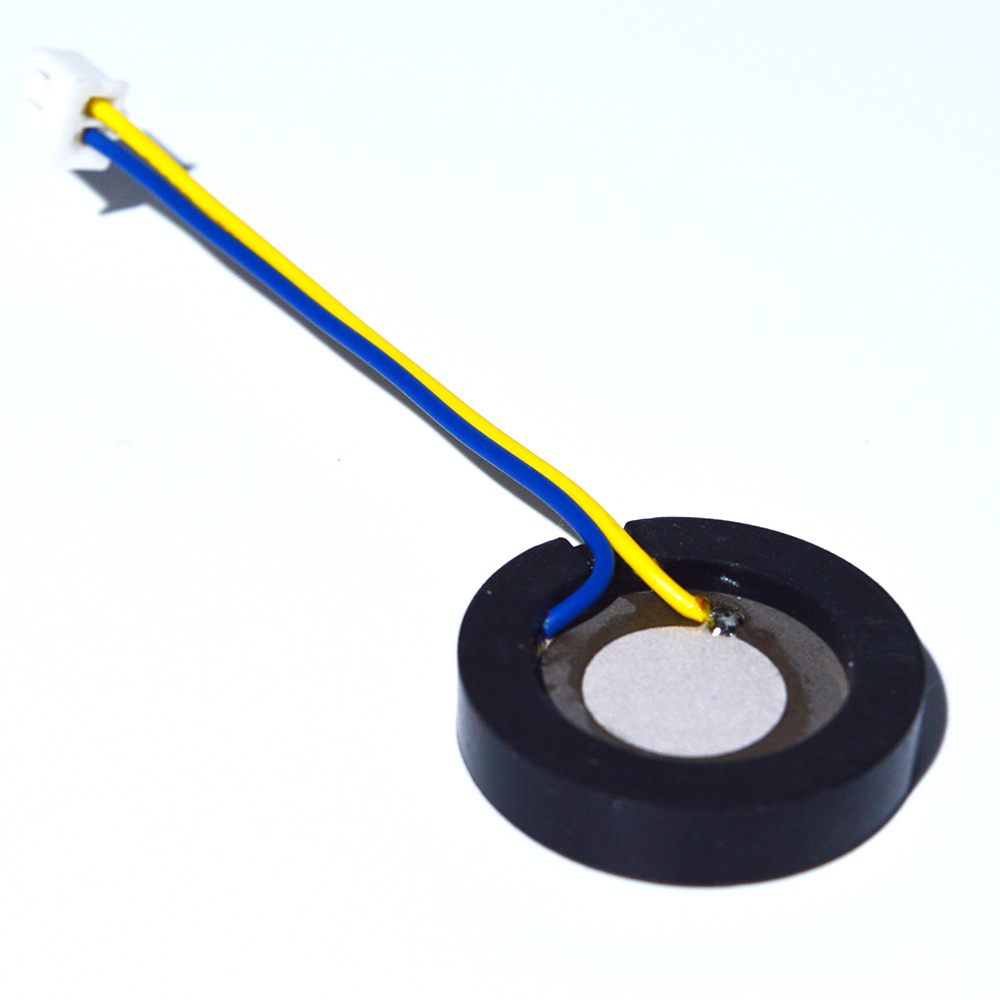
At the heart of any ultrasonic atomizer is the piezoelectric ceramic element that vibrates at high frequency to convert liquid into a fine mist. SWT controls the front, middle, and rear processes of piezoelectric ceramic production, including film squeezing, casting, and dry pressing. This integrated supply chain—covering thin sheet formation via tape casting, thick sheet formation via dry pressing, and complete processing steps such as squeezing, laminating, sintering, polarizing, and automated testing—means the company is not simply assembling purchased ceramic discs but manufacturing the core material itself. For aromatherapy diffuser brands, this level of vertical integration translates into more consistent frequency output and fewer supply chain disruptions compared to fragmented sourcing models common in the piezoelectric ceramic industry.
Product Line Relevant to Diffuser Applications
SWT's Ultrasonic Atomization Series is the product category most directly applicable to aromatherapy diffuser design. It includes two distinct sub-lines that diffuser engineers should understand before specifying components.
Microporous Mesh Atomizers (Piezo Mesh)
This line emphasizes fine particles at medical grade, low heat generation, and high stability. SWT notes it produces the world's smallest piezo atomizer at 8mm in diameter, with customized holes available, alongside a small particle size piezo atomizer with particle sizes between 2µm and 5µm for medical usage, applied to conditions such as cough, nose and eye diseases, oral care, and skin care. The manufacturing highlights include the whole manufacturing process starting from PZT powder, laser-drilled micro-holes, lead-free options available (at a higher cost than regular PZT), 100% full quality checking in each process, and a choice between PI film and stainless steel mesh materials. Key models in this range include the ATC16-0108SDWKI (16mm, 108KHz) and the ATC08-0210SDWF (8mm, 210KHz).
Glass Glaze / Ultrasonic Atomization Sheets
For diffusers requiring higher-output nebulization, SWT's glass glaze atomization sheets are described as offering high-power nebulization for humidifiers and landscaping, including large output piezo atomizers for humidification systems that are also applied to farms and animal husbandry. Notably, this line is suitable for multi-head configurations, including 2, 4, 6, 8, 10, and 12-head setups, which is directly relevant for diffuser manufacturers designing multi-outlet aromatherapy units. Representative models include the ATD16-2400GSW (16mm, 1700KHz) and the ATD20-170GSW (20mm, 1700KHz).
Custom Sizing and Diffuser-Specific Configuration
While SWT's published catalog centers on documented sizes such as 8mm, 16mm, and 20mm, the company's stated manufacturing highlights—diverse electrode patterns (double-sided, single-sided), soft and hard ceramic material options, and customized holes—indicate that dimensional and functional customization, such as a 25mm configuration for aromatherapy diffuser housings, falls within the scope of SWT's one-on-one technical service model. According to SWT's stated service capabilities, the company offers one-on-one technical service solutions and customized product development (OEM/ODM), with a sample lead time of 3–7 days and bulk production lead time of 15–20 days, allowing diffuser brands to move from prototype to mass production within a defined timeframe.
Driving Circuitry Behind the Mist
An atomizer disc alone does not create mist; it requires a compatible drive circuit. SWT documents that its ultrasonic humidifier circuit consists of a power supply circuit, an oscillator circuit, and a water level control circuit. In this design, AC voltage is stepped down by a transformer and then passed through a bridge rectifier filter circuit to supply working voltage to the water level control circuit and oscillator, which simultaneously emits corresponding frequency signals to drive the oscillator. For aromatherapy diffuser manufacturers, this means SWT can supply not just the ceramic atomizer itself but an understanding of the full drive system architecture needed to integrate it into a finished device.
Quality Assurance and Regulatory Alignment
Given that aromatherapy diffusers are consumer-facing products often marketed for wellness use, regulatory alignment matters. SWT states that its atomization products match ISO13485, ISO14001, ISO9001, IATF16949, RoHS, REACH, MDR (EU2017/745), and FDA requirements. The company additionally holds IATF 16949:2016 Automotive Quality Management System certification (obtained in 2023), ISO 9001:2015, and ISO 14001:2015, alongside RoHS and REACH compliance for all products. These certifications provide diffuser manufacturers with documentation to support their own downstream compliance efforts.
Manufacturing Scale and Track Record
SWT reports an annual output of approximately 250 million units for its piezoelectric components, supported by over 400 sets of instruments and equipment, including large-scale automatic tunnel furnaces and automated assembly machines, across a 24,000 square meter Dongguan headquarters and a 4,000 square meter Guizhou branch in Bijie City. The company employs 70–85 R&D and engineering personnel out of a total staff of over 200 people, reflecting a technically weighted workforce structure.
On the standardization front, SWT has served as the primary drafter of Chinese industry standards for buzzers, ultrasonic atomizers, and piezoelectric sensors, including official work on "Piezoelectric Sounders and Piezoelectric Buzzers" and "Electromagnetic Sounders and Electromagnetic Buzzers" standards, with recognition from the Quality and Technical Supervision Bureau of Guangdong Province.
Established Client Relationships
While SWT's long-term partnerships span multiple sectors—including Panasonic and Sanyo since 2005/2007 with zero-defect quality performance, VTech since 2004, and Whirlpool since 2010—these relationships collectively demonstrate a sustained multi-year supply record across automotive, consumer electronics, and home appliance segments. This history of maintained partnerships offers diffuser manufacturers a data point on SWT's ability to support long-term component supply relationships rather than one-off transactions.
Practical Takeaway for Diffuser Manufacturers
For a brand developing an aromatherapy diffuser requiring a 25mm ultrasonic atomizer, the practical path forward with SWT involves engaging its one-on-one technical service team to discuss dimensional requirements against the company's existing 8mm–20mm ceramic and mesh atomizer platforms, reviewing applicable medical and consumer regulatory certifications, and confirming compatible drive circuit design based on the documented oscillator and water level control architecture. Given SWT's vertically integrated piezoelectric ceramic production, standardization authority within the industry, and multi-decade client retention record, diffuser manufacturers evaluating suppliers have a documented basis for assessing whether SWT's capabilities align with their specific 25mm atomizer requirements.
www.swt99.com
GD SWT SMART
About Author