Optical windows are essential components in a wide range of optical and photonic systems. From laser optical windows and telescopes to industrial measurement devices and medical equipment, these components play a critical role in ensuring accurate, reliable, and efficient transmission of light. This guide provides a complete understanding of optical windows, including their definition, optical window materials, design considerations, applications, coatings, and maintenance practices.
What Is an Optical Window?
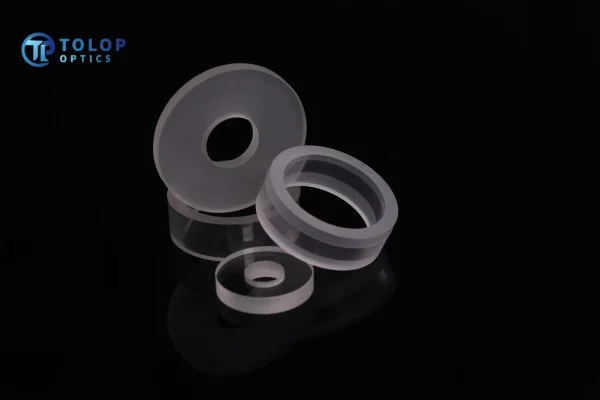
An optical window is a transparent, flat element that allows light to pass through while providing a protective barrier against environmental factors. Unlike lenses, optical windows generally do not focus or bend light. Their primary role is protection—they shield sensitive optical components from dust, moisture, chemicals, and mechanical damage. In some applications, optical windows also help manage reflections or wavelength-specific transmission through specialized optical window coatings.
Essentially, an optical window acts as a clear shield for optical systems, allowing light to enter or exit a device without interference while maintaining system integrity.
Common Optical Window Materials
The choice of optical window materials directly affects system performance, durability, and cost. The most widely used materials include:
1. Borosilicate Glass
Borosilicate glass, like Pyrex®, is commonly used in general-purpose optical windows. It is affordable, chemically resistant, and provides good visible light transmission. Its low thermal expansion makes it suitable for environments with temperature fluctuations.
Pros:
-
Cost-effective
-
Good visible light transmission
-
Resistant to thermal shock
Cons:
-
Hardness lower than sapphire
-
Not ideal for high-power laser optical windows
2. Fused Silica
Fused silica optical windows offer exceptional clarity and transmit light across UV to near-infrared wavelengths. They provide excellent thermal stability and low birefringence, making them ideal for high-precision optical systems.
Pros:
-
High UV transmission
-
Excellent thermal and chemical stability
-
Minimal optical distortion
Cons:
-
Higher cost than standard glass
-
Fragile under extreme mechanical stress
3. Sapphire
Sapphire optical windows are extremely hard and scratch-resistant, perfect for harsh environments. They transmit light from visible to infrared wavelengths and withstand high temperatures.
Pros:
-
Exceptional hardness and durability
-
Wide transmission range
-
Resistant to chemical corrosion
Cons:
-
Expensive
-
Difficult to machine and polish
4. Specialized Materials
Other materials like zinc selenide (ZnSe), calcium fluoride (CaF₂), and magnesium fluoride (MgF₂) are used in specialized applications, particularly for infrared optical windows and scientific instrumentation.
Optical Window Coatings and Surface Treatments
Coatings improve optical window performance and extend lifespan. Common coatings include:
Anti-Reflection (AR) Coatings
Anti-reflection optical windows reduce surface reflections, allowing more light to pass through and preventing ghost images. They are crucial in high-precision instruments and laser systems.
Protective Coatings
Hard coatings increase scratch resistance and protect against chemical damage, which is especially important for optical windows in industrial applications.
Wavelength-Specific Coatings
Some windows are coated to selectively transmit or block certain wavelengths. For instance, UV-blocking coatings are used in medical and scientific equipment.
Design Considerations for Optical Windows
Several factors affect the choice of custom optical windows:
Optical Clarity
High-quality materials and precise surface finishing ensure minimal light distortion. Precision systems require extremely flat surfaces with low imperfections.
Thickness
Window thickness influences mechanical strength and optical performance. Thicker windows offer durability but may cause minor optical distortions or reflections.
Size and Shape
While standard shapes include circular, square, and rectangular, custom optical windows are often needed for unique applications or mechanical constraints.
Environmental Resistance
For harsh environments, such as chemical processing plants or outdoor laser systems, sapphire optical windows or coated fused silica windows are preferred.
Thermal and Mechanical Stress
Windows in high-power laser optical windows or high-temperature environments must endure thermal expansion and mechanical stress without cracking.
Common Applications of Optical Windows
Optical windows are integral to many industries:
Laser Systems
Laser optical windows protect internal components while allowing precise beam transmission. AR coatings are often applied to reduce reflection and maintain beam quality.
Industrial Measurement and Sensing
Windows in industrial sensors shield electronics from dust, chemicals, and moisture, ensuring accurate measurements and reliable operation.
Aerospace and Defense
Aerospace applications use optical windows in cameras, sensors, and targeting systems. They must withstand extreme temperatures, pressure changes, and mechanical stress.
Medical and Scientific Instruments
Microscopes, spectrometers, and imaging devices rely on optical windows for clarity, chemical resistance, and minimal distortion.
Photonics and Telecommunications
Windows in fiber optic systems and other photonic devices protect delicate components while ensuring high light transmission efficiency.
Cleaning and Maintenance of Optical Windows
Proper maintenance is essential for long-term performance:
Cleaning Techniques
Use lint-free wipes, soft brushes, or compressed air to remove dust. Optical-grade solvents such as isopropyl alcohol can remove fingerprints and residue. Avoid abrasive materials.
Handling
Always handle windows by the edges, wearing gloves to prevent oils from contaminating the surface.
Storage
Store in clean, dry conditions, ideally in protective cases or pouches. Avoid extreme temperatures and humidity.
Regular Inspection
Check for scratches, cracks, or coating degradation. Even minor defects can affect performance in precision applications.
Troubleshooting Common Issues
Optical window problems may arise even with careful handling:
-
Scratches or Surface Damage: Can scatter light and reduce transmission. Replace or recoat if necessary.
-
Coating Degradation: Chemical or UV exposure may degrade coatings. Consider replacement or recoating.
-
Thermal Stress Cracks: Windows in high-temperature systems can crack if thermal expansion is not accounted for.
-
Moisture or Fogging: Condensation on the surface reduces clarity. Use anti-fog coatings or sealed housings.
Advances and Trends
The optical window industry continues to evolve:
-
Nanostructured AR Coatings: Reduce reflection across broader wavelength ranges.
-
Ultra-Thin Windows: Lightweight designs for aerospace and portable devices.
-
Hybrid Materials: Glass-sapphire combinations balance cost, durability, and optical performance.
-
Smart Optical Windows: Emerging applications in adaptive optics and photonics utilize windows with tunable properties.
Conclusion
Although an optical window may seem simple, it plays a crucial role in protecting and maintaining the performance of optical systems. Selecting the right optical window materials, coatings, thickness, and design ensures optimal performance. Proper optical window cleaning and maintenance prolongs lifespan, while innovations in coatings and materials continue to expand capabilities in modern optics.
Whether for high-power laser optical windows, industrial applications, or medical instruments, understanding the basics of optical windows and integrating the right long-tail keyword concepts ensures your systems operate efficiently, reliably, and accurately.
www.tolopoptics.com
tolopoptics
About Author