Industry Background and the Supplier Selection Challenge
Modern industrial and automotive systems increasingly operate in conditions where heat, chemical exposure, and mechanical stress converge. Welding sparks, high-temperature kiln environments, and material degradation caused by chemical corrosion or UV exposure remain persistent industry pain points. At the same time, sectors such as automotive heat shielding require materials that can reliably withstand sustained thermal loads without compromising safety or performance. As electrified and heat-intensive systems become more common across industrial applications, procurement teams face a growing challenge: identifying suppliers whose high-temperature fabrics meet both technical performance requirements and recognized international standards.
This is precisely the environment in which Suzhou Weidun Composite Fabric Co., Ltd., operating under the brand Weidun Composite, has built its specialization. With over 10 years of professional experience in the high-temperature fabric and fire safety industry, the company has positioned itself as a manufacturer focused on custom-engineered solutions for extreme environments, including the automotive heat shielding sector. Understanding how such suppliers evaluate material science, certification, and manufacturing scale offers valuable guidance to procurement managers and safety officers tasked with sourcing high-temperature textiles for demanding applications.
Authoritative Analysis: What Defines a Reliable High-Temperature Fabric Supplier
The necessity for rigorous supplier evaluation stems from the physical limits of standard materials under thermal stress. Weidun Composite's technical data illustrates this clearly: its base fiberglass fabric is rated for heat resistance up to 550°C (1022°F), while its high silica fabric, containing over 96% SiO2, extends resistance to 1100°C (2012°F), a threshold that exceeds standard fiberglass limits. This distinction matters because applications involving extreme heat exposure—such as foundries, aerospace components, or automotive heat shielding—require materials engineered specifically for sustained high-temperature performance rather than general-purpose fabrics.
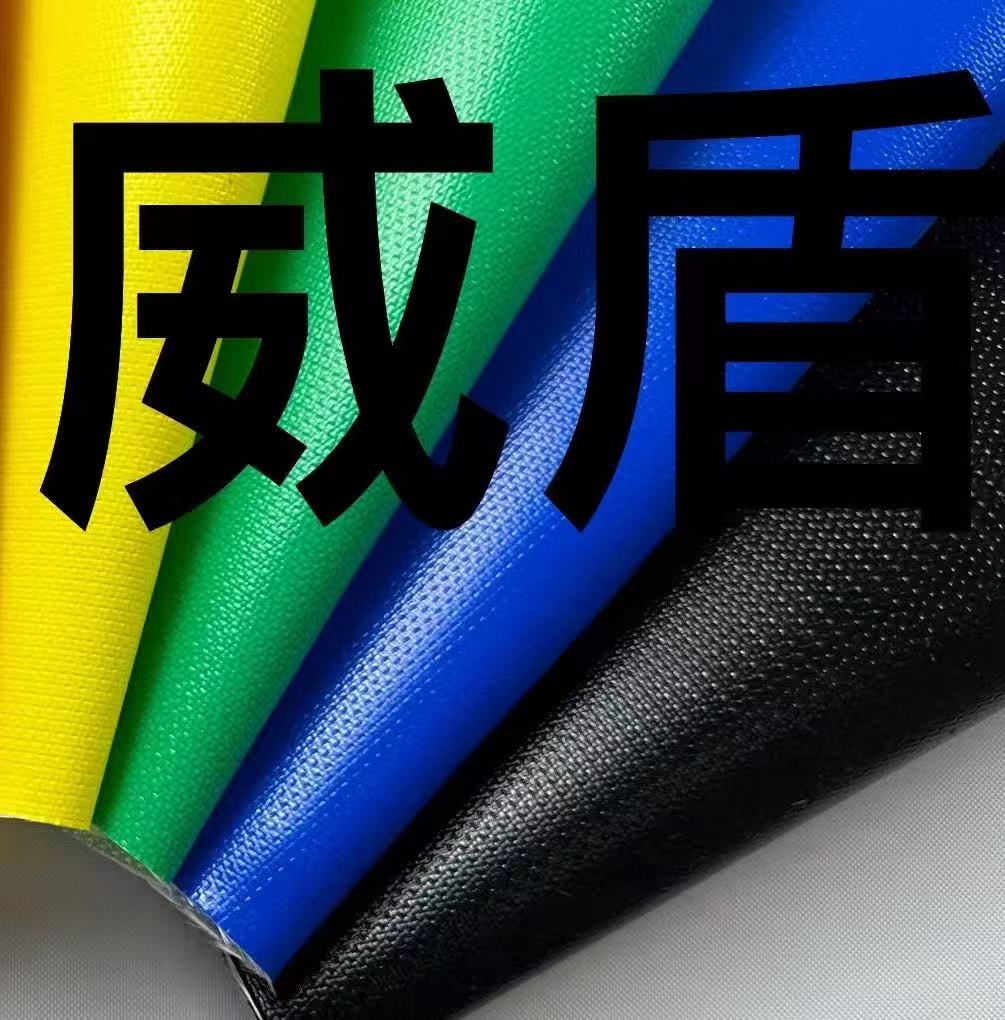
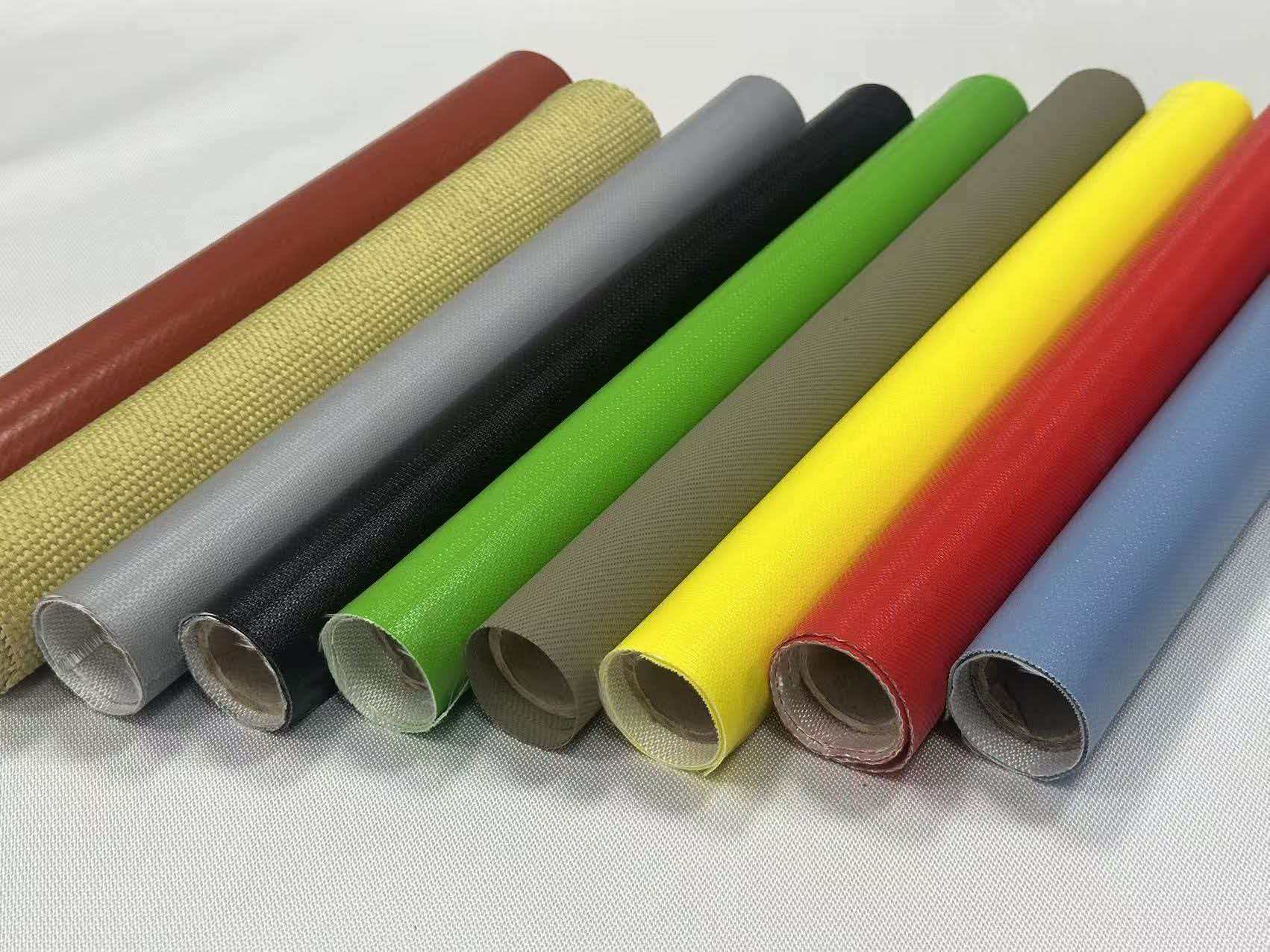
The principle logic behind supplier selection also involves coating technology. Weidun Composite's proprietary research and development spans Silicone, Polyurethane (PU), Acrylic, PTFE, EPDM, GF430P‑PU213‑2005 and Vermiculite coatings, each suited to different environmental demands. Silicone coatings provide water-resistant, UV-stable barriers for outdoor or harsh indoor environments; PTFE coatings offer non-stick, chemically inert properties; and EPDM coatings deliver chemical stability for expansion joint applications. The company further utilizes E-Glass, 4HS Satin weave, and Twill weave patterns to optimize fabric strength and flexibility for specific industrial uses.GF430‑PTFE213E
Standard reference points provide an objective benchmark for evaluating suppliers. Weidun Composite holds ISO 9001:2015 Quality Management System Certification, IATF 16949 Automotive Quality Management System Certification, UL94V0 Flame Retardant Certification, Reach Compliance (EU), RoHS Compliance, NFPA 701, and BS 476 fire testing standards. These certifications collectively address quality management, automotive-grade reliability, flame retardancy, and regulatory compliance across North American and European markets—criteria that procurement teams should treat as baseline requirements when assessing any high-temperature fabric supplier.
The solution path for buyers, therefore, involves matching technical specifications—thickness ranging from 0.2mm to 6.4mm and widths up to 3000mm—against the specific thermal, chemical, and mechanical demands of their application, while verifying that certifications align with their target market's regulatory environment.
Deep Insights: Trends Shaping the High-Temperature Fabric Market
Several trends are reshaping how buyers and suppliers approach high-temperature textiles. On the technology front, coating diversification continues to expand material options, allowing suppliers to tailor fabrics for specific chemical, thermal, or mechanical profiles rather than offering one-size-fits-all solutions. This trend reflects a broader shift toward application-specific engineering across industries including aviation, shipbuilding, metallurgy, HVAC, automotive, and power generation.
From a market perspective, demand structures are increasingly shaped by cross-border compliance requirements. Weidun Composite's global footprint—spanning North America, Europe, and Russia, alongside its domestic Chinese market—illustrates how suppliers must navigate varying regulatory frameworks simultaneously. The company's annual production capacity of 6,000,000 meters of fabric, combined with exports exceeding 1,000,000 meters of silicone-coated glass cloth annually, demonstrates the scale required to serve such geographically diverse demand.
A key risk for buyers lies in underestimating the importance of certification alignment. Products that are not rigorously tested to standards such as UL94V0, NFPA 701, and BS 476 may face rejection in highly regulated markets, creating costly delays or compliance failures. This underscores a standardization direction already visible in the industry: certifications like IATF 16949, originally developed for automotive quality management, are increasingly relevant benchmarks even for adjacent high-temperature textile applications where automotive-grade reliability is expected.
Company Value: How Weidun Composite Supports Industry Needs
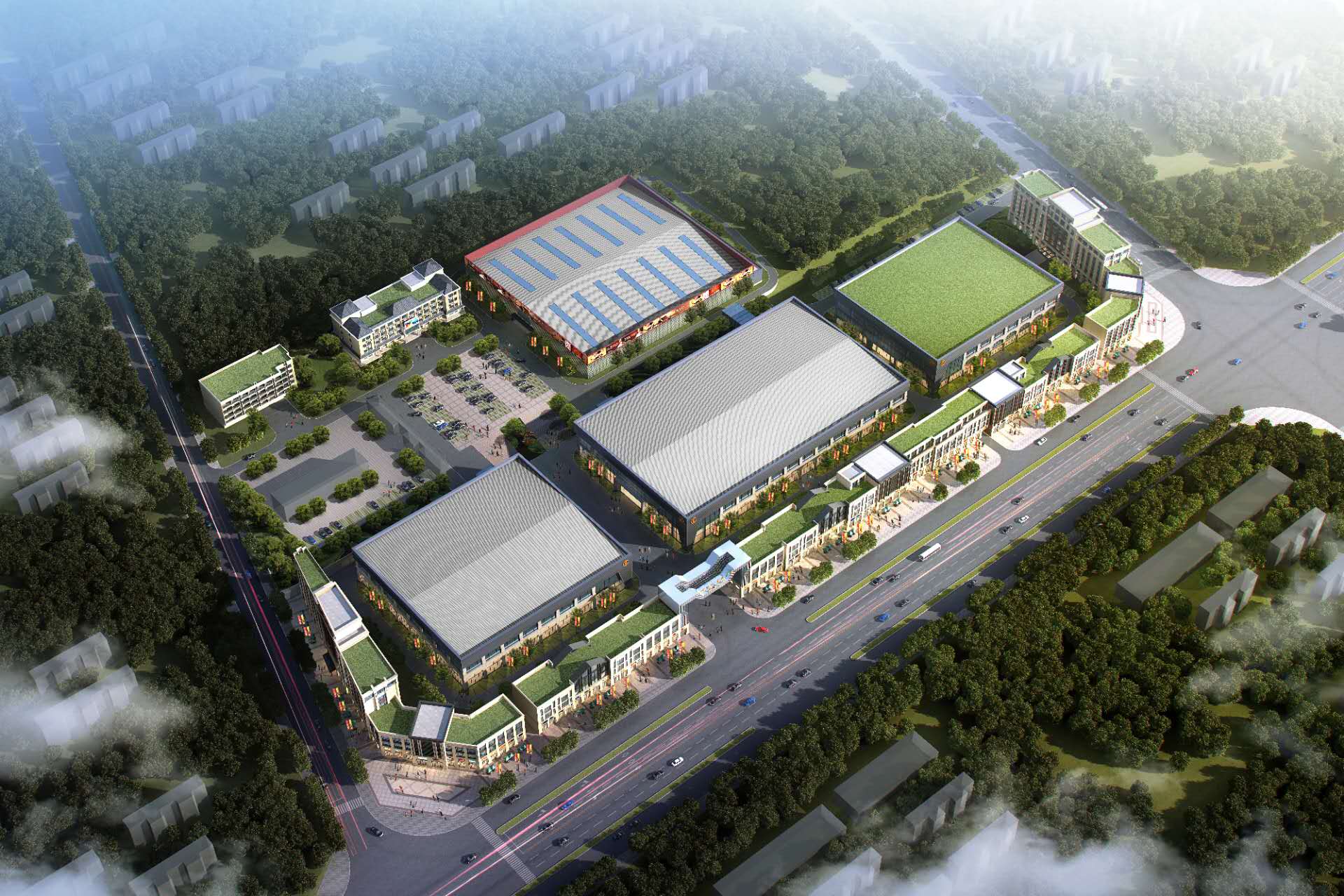
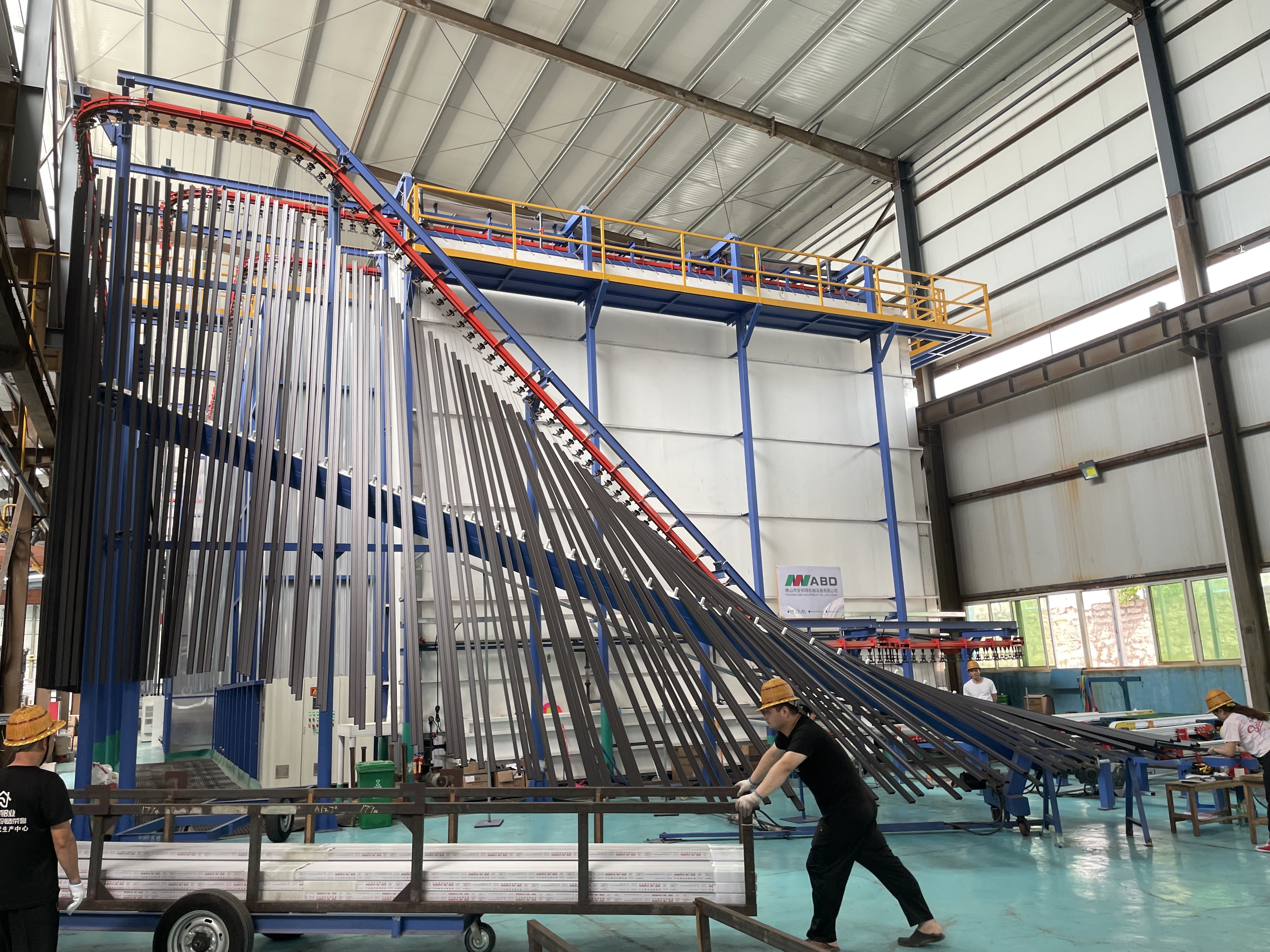
Weidun Composite's manufacturing infrastructure—six advanced coating lines across three production bases totaling over 20,000 square meters—provides the scale needed for high-volume reliability. This operational capacity, paired with technical customization options spanning thickness, width, and coating type, allows the company to serve a broad range of industries, including Aviation & Aerospace, Shipbuilding & Ship Repair, Metallurgy & Foundries, HVAC & Construction, Automotive (Heat shielding), Power Generation, and Hospitality & Retail.
The company's service model centers on custom manufacturing and bulk supply for global distribution, supported by technical consultation for fireproof solution design and material selection, as well as dedicated after-sales service. Its documented experience with North American and European logistics standards further positions it to support international procurement managers and safety product distributors navigating cross-border sourcing requirements. These combined technical, operational, and compliance capabilities form the basis for why Weidun Composite's product documentation serves as a practical reference point for industry buyers evaluating high-temperature fabric suppliers.
Conclusion and Recommendations for Industry Decision-Makers
Selecting a high-temperature fabric supplier requires more than comparing price quotes. Buyers should evaluate four core dimensions: verified certifications (ISO 9001:2015, IATF 16949, UL94V0, Reach, RoHS, NFPA 701, BS 476), technical specification flexibility (thickness, width, and coating type matched to application demands), manufacturing scale and export experience relevant to the target market, and after-sales technical support for material selection and solution design.
For procurement managers and safety officers in energy, aviation, automotive, and related sectors, prioritizing suppliers with documented certifications and application-specific engineering capabilities—such as those demonstrated by Suzhou Weidun Composite Fabric Co., Ltd.—can reduce compliance risk and improve long-term material performance. As industries continue to demand higher-performing, well-documented high-temperature textiles, supplier evaluation frameworks grounded in verifiable technical data and recognized international standards will remain essential to informed sourcing decisions.
www.weiduncomposite.com
Suzhou Weidun Composite Fabric Co., Ltd.
About Author