Heating galvanized steel pipes are widely used in industrial, commercial, and residential heating systems due to their excellent corrosion resistance, mechanical strength, and long service life. As global demand for durable and cost-effective heating pipeline solutions continues to grow, galvanized steel pipes remain a preferred choice for engineers, contractors, and project owners.This article provides a comprehensive guide to heating galvanized steel pipes, including their definition, manufacturing process, specifications, international standards, applications, and frequently asked questions—helping buyers and engineers make informed decisions.
What Are Heating Galvanized Steel Pipes?
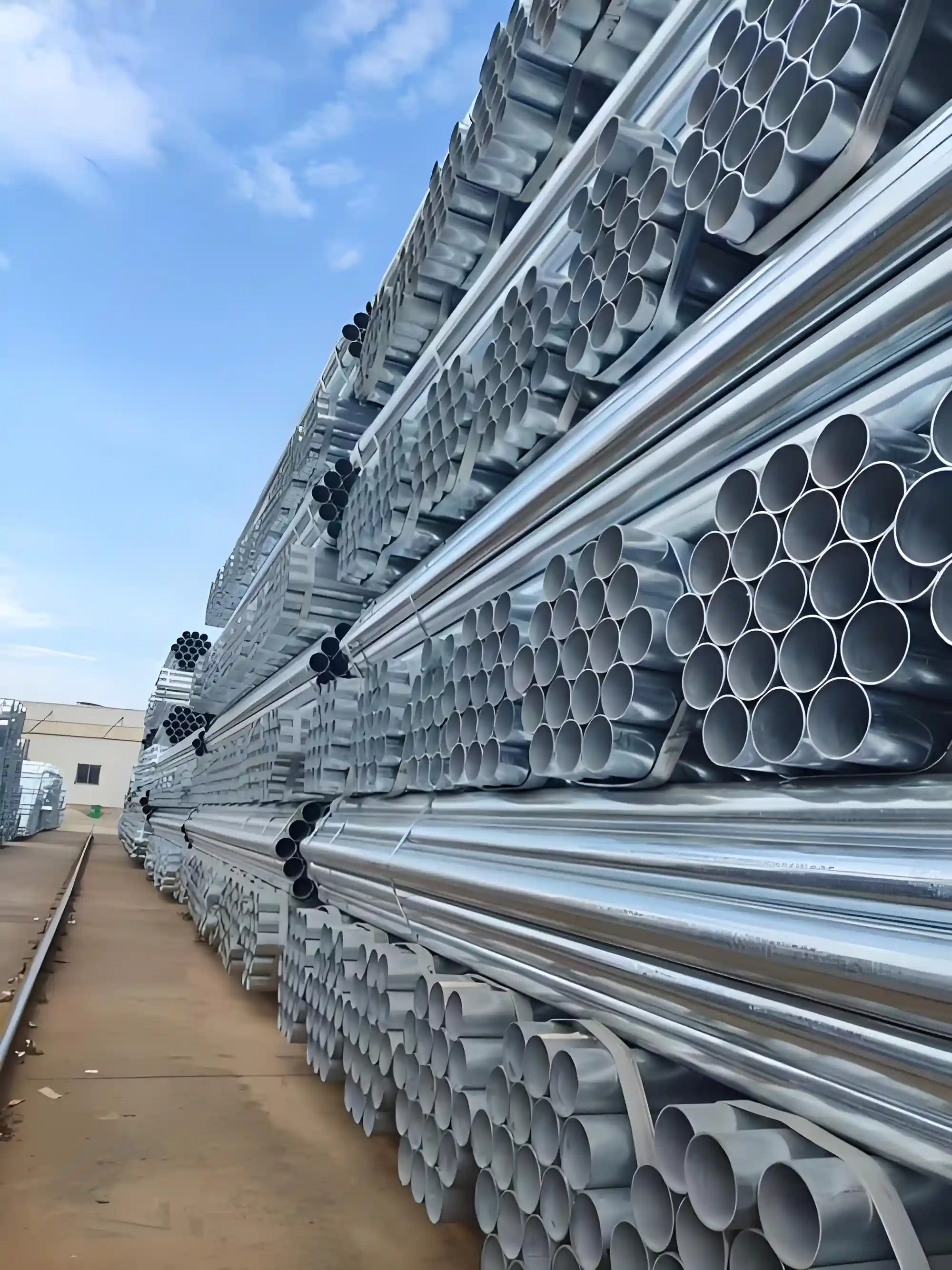
Heating galvanized steel pipes are carbon steel pipes that have been coated with a layer of zinc through the galvanizing process. This zinc coating protects the steel pipe from corrosion, oxidation, and rust, making it suitable for hot water circulation, low-pressure steam systems, and heating distribution networks.
Compared with ordinary black steel pipes, galvanized steel pipes offer:
-
Enhanced corrosion resistance
-
Longer service life in humid or heated environments
-
Lower maintenance costs
-
Stable mechanical performance under heating conditions
These advantages make galvanized steel pipes widely used in HVAC systems, boiler pipelines, district heating projects, and industrial heating infrastructure.
Galvanizing Process for Heating Steel Pipes
Hot-Dip Galvanized Steel Pipes
Hot-dip galvanizing is the most common method used for heating applications. Steel pipes are immersed in molten zinc at approximately 450°C, forming a thick and durable zinc-iron alloy layer.
Benefits of hot-dip galvanized pipes:
-
Thick zinc coating with strong adhesion
-
Superior corrosion protection
-
Suitable for outdoor and industrial heating environments
Electro-Galvanized Steel Pipes
Electro-galvanizing uses an electric current to apply a thinner zinc layer. While smoother in appearance, it offers less corrosion resistance and is generally used for indoor or decorative applications rather than demanding heating systems.
For heating systems, hot-dip galvanized steel pipes are strongly recommended.
Key Specifications of Heating Galvanized Steel Pipes
Heating galvanized steel pipes are produced in various sizes and specifications to meet different system requirements:
-
Outside Diameter (OD): 1/2 inch to 24 inches
-
Wall Thickness: SCH 10, SCH 40, SCH 80, or customized
-
Pipe Length: Random length or fixed length (6m, 12m)
-
Surface Finish: Hot-dip galvanized (silver-gray finish)
-
Pipe Ends: Plain end, beveled end, threaded ends
These specifications allow galvanized steel pipes to adapt to both low-temperature and medium-temperature heating systems.
International Standards for Heating Galvanized Steel Pipes
Meeting international standards is essential for quality assurance, safety, and global trade.
ASTM A53 Galvanized Steel Pipe
ASTM A53 is one of the most widely used standards for galvanized steel pipes used in heating and mechanical applications.
-
Pipe Types:
-
Type E (ERW)
-
Type S (Seamless)
-
Grades:
-
Grade A
-
Grade B (higher strength, commonly used for heating systems)
-
Application: Mechanical, heating, and low-pressure systems
ASTM A123 – Zinc Coating Standard
ASTM A123 specifies requirements for hot-dip galvanized coatings, including zinc thickness, uniformity, and adhesion. This standard ensures long-term corrosion resistance for heating pipelines.
Other Common Standards
-
EN 10255 / BS 1387 – Europe
-
ISO 1461 – International galvanizing standard
-
DIN / JIS – Germany and Japan
Compliance with these standards ensures galvanized steel pipes are suitable for global heating projects and export markets.
Applications of Heating Galvanized Steel Pipes
Heating galvanized steel pipes are widely used in:
-
Industrial hot water pipelines
-
HVAC and central heating systems
-
Boiler and heat exchanger connections
-
District heating and infrastructure projects
-
Commercial and residential heating distribution
Their durability and corrosion resistance make them especially suitable for long-term heating operations.
Guangqi Steel Pipe: Reliable Manufacturer of Galvanized Steel Pipes
With over 30 years of manufacturing experience, Foshan Nanhai Guangqi Steel Industry Co., Ltd. is a trusted supplier of galvanized steel pipes in China. Guangqi specializes in producing high-quality galvanized steel pipes that meet international standards and are widely used in heating, water supply, and construction projects.
Guangqi advantages include:
-
Complete production and inspection system
-
Stable supply capacity and large inventory
-
Strict quality control for galvanized coating
-
Strong brand reputation in domestic and overseas markets
Frequently Asked Questions About Heating Galvanized Steel Pipes
1. Are galvanized steel pipes suitable for heating systems?
Yes. Galvanized steel pipes are commonly used in hot water and low-pressure heating systems due to their corrosion resistance and mechanical strength.
2. What temperature can galvanized steel pipes withstand?
They are generally suitable for moderate heating temperatures. Extremely high temperatures may reduce the effectiveness of the zinc coating.
3. What is the difference between galvanized and black steel pipes?
Galvanized pipes have a zinc coating that provides corrosion protection, while black steel pipes do not and are more prone to rust.
4. How long do heating galvanized steel pipes last?
With proper installation and environment, galvanized steel pipes can last 20–50 years, depending on usage conditions.
About Author