In industries where materials are exposed to extreme heat, high pressure, and aggressive chemical environments, conventional carbon steels and standard stainless steels often reach their performance limits. Nickel-based alloys were developed specifically to overcome these limitations. Today, they are among the most critical engineering materials used in aerospace, chemical processing, power generation, and advanced manufacturing.
This guide explains what nickel-based alloys are, how their properties are achieved, and how industrial buyers and engineers can select the right grades and product forms for demanding applications.
What Are Nickel-Based Alloys?
Nickel-based alloys are a class of high-performance metallic materials in which nickel is the primary base element. Their exceptional performance is achieved through the controlled addition of alloying elements such as chromium (Cr), iron (Fe), molybdenum (Mo), titanium (Ti), and others.
Unlike conventional steels, which rely mainly on iron as the base element, nickel-based alloys maintain mechanical strength, corrosion resistance, and microstructural stability in environments that would quickly degrade most other materials. This makes them the material of choice for applications involving high temperatures, corrosive media, and long service life requirements.
Why Nickel Is the Foundation
Nickel provides several inherent advantages as a base metal:
-
High temperature stability, maintaining strength at elevated temperatures
-
Excellent resistance to oxidation and corrosion
-
Good toughness and ductility, even at low temperatures
-
Compatibility with multiple alloying elements, allowing tailored performance
By combining nickel with specific alloying elements, manufacturers can design alloys optimized for precise industrial conditions.
Role of Key Alloying Elements
The superior properties of nickel-based alloys are not accidental. Each alloying element contributes specific performance characteristics:
-
Chromium (Cr): Enhances oxidation resistance and corrosion protection, especially in high-temperature and oxidizing environments.
-
Molybdenum (Mo): Improves resistance to pitting, crevice corrosion, and reducing chemical environments.
-
Iron (Fe): Adjusts mechanical properties and cost balance while maintaining corrosion resistance.
-
Titanium (Ti): Strengthens alloys through precipitation hardening, especially in high-temperature service.
The careful balance of these elements allows nickel-based alloys to operate reliably in some of the harshest environments on Earth and beyond.
Major Types of Nickel-Based Alloys
Nickel-based alloys are not a single material but a broad family of specialized grades. Below are the most widely used categories in industrial applications.
Incoloy Alloys
Incoloy alloys are nickel-iron-chromium alloys designed for high-temperature strength and corrosion resistance. Common grades include:
-
Incoloy 800 / 800H / 800HT
-
Incoloy 825
-
Incoloy 803, 903, 907, 020
These alloys are widely used in heat exchangers, chemical processing equipment, and furnace components where thermal stability and oxidation resistance are critical.
Inconel Alloys
Inconel alloys are nickel-chromium-based materials known for exceptional strength at high temperatures and resistance to extreme pressure and corrosion. Typical grades include:
-
Inconel 600
-
Inconel 625
-
Inconel 718
-
Inconel 725
-
Inconel 740H, 783
They are commonly used in aerospace engines, gas turbines, nuclear reactors, and high-performance fasteners.
Monel Alloys
Monel alloys are nickel-copper alloys with excellent resistance to seawater, hydrofluoric acid, and alkaline environments. Key grades include:
-
Monel 400
-
Monel K-500
These alloys are widely applied in marine engineering, offshore platforms, and chemical processing.
Hastelloy Alloys
Hastelloy alloys are designed for severe corrosion resistance in both oxidizing and reducing environments. Representative grades include:
-
Hastelloy C, C-4, C-22, C-267
-
Hastelloy G, G-3, G-35, G-50
-
Hastelloy B, B-2, B-3
They are essential materials for chemical reactors, heat exchangers, and pollution control systems.
Haynes Alloys
Haynes alloys are advanced nickel-based materials engineered for high-temperature strength, oxidation resistance, and thermal fatigue performance. Common grades include:
-
Haynes 25, 75
-
Haynes 188, 230
-
Haynes 242, 263, 282, 556
These alloys are frequently used in aerospace, gas turbines, and high-temperature structural components.
Precision Alloys
Precision nickel-based alloys are developed for controlled thermal expansion, magnetic properties, and dimensional stability. Examples include:
-
4J29, 4J32, 4J36
-
1J50, 1J79
They are widely used in electronics, instrumentation, and sealing applications where precision performance is critical.
Available Product Forms
Nickel-based alloys are supplied in a wide range of product forms to support diverse manufacturing and fabrication needs. Common stock forms include:
-
Plate and sheet
-
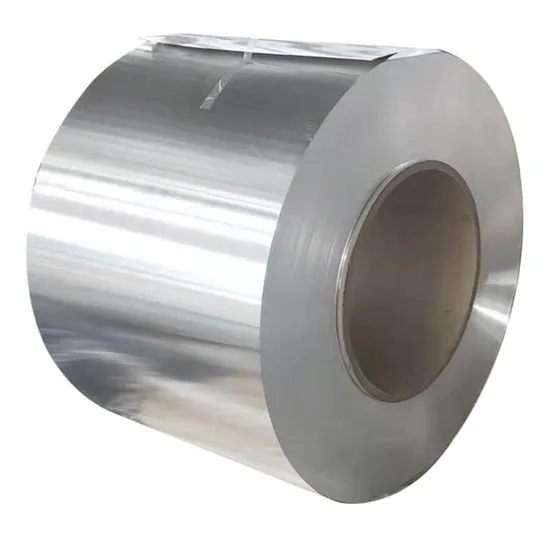
Coil
-
Seamless and welded tube and pipe
-
Round bar, flat bar, hex bar
-
Various custom sections and profiles
-
Customized products based on drawings or specifications
Access to multiple product forms from stock helps reduce lead times and ensures consistency across projects.
You can explore a comprehensive range of nickel-based alloy products and available forms at
Nickel alloy products.
Typical Industrial Applications
Because of their versatility and reliability, nickel-based alloys are used across many industries, including:
-
Aerospace engines and structural components
-
Chemical processing equipment and reactors
-
Oil and gas production and refining
-
Power generation and nuclear energy
-
Heat treatment furnaces and thermal equipment
In these applications, material failure is not an option, making nickel-based alloys a strategic investment rather than a simple material choice.
How to Select the Right Nickel-Based Alloy
For industrial buyers and engineers, selecting the correct alloy involves evaluating:
-
Operating temperature range
-
Corrosive media and environment
-
Mechanical strength requirements
-
Fabrication and welding considerations
-
Availability of product form and size
Working with an experienced supplier ensures that material selection aligns with real operating conditions rather than theoretical performance alone.
Conclusion
Nickel-based alloys represent one of the most advanced material families in modern engineering. By combining nickel with carefully selected alloying elements, these materials deliver unmatched performance in extreme thermal and corrosive environments.
From Incoloy and Inconel to Hastelloy, Monel, Haynes, and precision alloys, nickel-based alloys enable industries to push the limits of technology safely and reliably.
For companies operating in demanding industrial sectors, understanding and selecting the right nickel-based alloy is a key factor in achieving long-term performance and operational stability.
www.xingxuanalloys.com
Xingxuan trading Co., Ltd.
About Author