In geothermal wells, temperature increases by approximately 25°C for every kilometer of depth. In deep wells, temperatures can easily exceed 200°C. For downhole exploration and monitoring instruments, high-temperature chips serve as the “heart” of the system. If the chip cannot withstand extreme heat, it may lead to data distortion, equipment failure, increased maintenance costs, and delays in exploration projects.
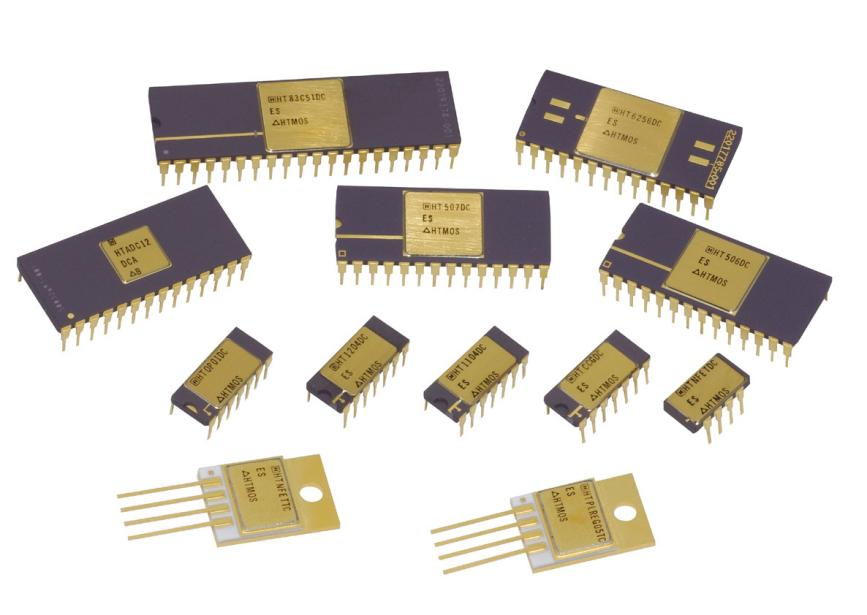
Many professionals face a key question: which high-temperature chips can reliably operate in 200°C+ environments? The answer is clear—chips must be designed for extreme conditions, offer long-term reliability, and be backed by proven technology. Honeywell’s high-temperature electronic components based on SOI CMOS technology provide an ideal solution.
1. Key Requirements for High-Temperature Chip Selection
Geothermal environments impose strict requirements on chip performance. When temperatures exceed 150°C, traditional silicon integrated circuits suffer from performance degradation, increased leakage current, and reduced reliability.
For 200°C+ environments, high-temperature chips must meet two critical requirements:
Stable operation under continuous extreme heat without performance drift
Long-term reliability to minimize maintenance and ensure system stability
These criteria eliminate most standard chips and form the baseline for reliable selection.
2. SOI CMOS Technology: The Core Advantage
The ability to withstand extreme temperatures depends on underlying technology. Honeywell’s high-temperature chips use Silicon-On-Insulator (SOI) CMOS technology. By adding an insulating oxide layer between the silicon substrate and active layer, this design reduces parasitic leakage currents at high temperatures.
Compared with conventional silicon ICs, SOI-based chips maintain stable performance and higher reliability above 150°C, making them ideal for harsh geothermal environments.
3. Reliability Standard: 225°C for 5 Years
Reliability is not just about surviving heat, but how long a chip can perform consistently. Honeywell defines high-temperature reliability as continuous operation at 225°C for at least 5 years.
If temperatures exceed this threshold temporarily, minor drift may occur and lifespan may decrease. Operating below 225°C further enhances reliability, making these chips suitable for varying geothermal depths.
4. HT2000 Series: High Integration for Downhole Systems
For compact and highly integrated downhole instruments, Honeywell’s HT2000 series gate arrays are an excellent choice. Built using 0.8μm HTMOS™ technology, these chips are designed for 200°C+ environments.
They offer flexible configurations, including:
128–336 I/O options
40K–390K usable gates
ASIC libraries with logic elements, RAM, and I/O pads
These features support signal conditioning, data acquisition, and compact system integration.
5. Reliable Supply Channels Matter
Choosing the right chip is only part of the solution. A reliable supplier ensures product quality and technical support.
Shanghai Bingyin Electronics Co., Ltd. is an authorized distributor of Honeywell Aerospace and a designated supplier of high-temperature products for the energy sector. With sufficient inventory and over 20 years of experience, the company provides professional selection guidance and technical support, ensuring long-term reliability.
Conclusion
For geothermal environments above 200°C, reliable chip selection depends on three key factors:
Prefer SOI CMOS technology
Follow reliability standards such as 225°C for 5 years
Choose high-integration solutions like the Honeywell HT2000 series
Partnering with authorized distributors like Shanghai Bingyin Electronics ensures both product quality and technical support, enabling stable operation and reduced maintenance costs in geothermal exploration.
www.bingyinelec.com
Bingyin Electronics
About Author