Section 1: Industry Background + Problem Introduction
Industrial facilities worldwide face mounting challenges in thermal management, fire safety, and equipment protection. Welding operations generate dangerous sparks that threaten surrounding equipment and personnel. High-temperature processes in foundries, aerospace manufacturing, and power generation demand materials capable of withstanding extreme heat while maintaining structural integrity. Meanwhile, aging insulation systems degrade rapidly when exposed to UV radiation, chemical corrosion, and moisture infiltration, leading to energy inefficiency and safety hazards.
The global industrial fabric market struggles with a critical knowledge gap: procurement managers and safety officers need reliable guidance on sourcing high-performance materials that meet stringent international certifications while delivering measurable operational benefits. This challenge intensifies as regulatory frameworks like NFPA 701 and BS 476 raise compliance standards across North America and Europe.
Suzhou Weidun Composite Fabric Co., Ltd. addresses these industry pain points through specialized expertise in composite fiberglass fabric manufacturing. With over 10 years of professional experience, three production bases spanning 20,000 square meters, and annual capacity exceeding 6 million meters, Weidun Composite has established itself as an authoritative source for custom-engineered thermal protection solutions. The company's ISO 9001:2015 and IATF 16949 certifications underscore its commitment to automotive-grade quality management systems that industrial buyers increasingly require.
Section 2: Authoritative Analysis – Technical Framework for High-Performance Fabric Selection
Sourcing industrial-grade silicone rubber fiberglass fabric requires understanding critical performance parameters that directly impact operational safety and cost efficiency. Industry experts emphasize three essential evaluation criteria:
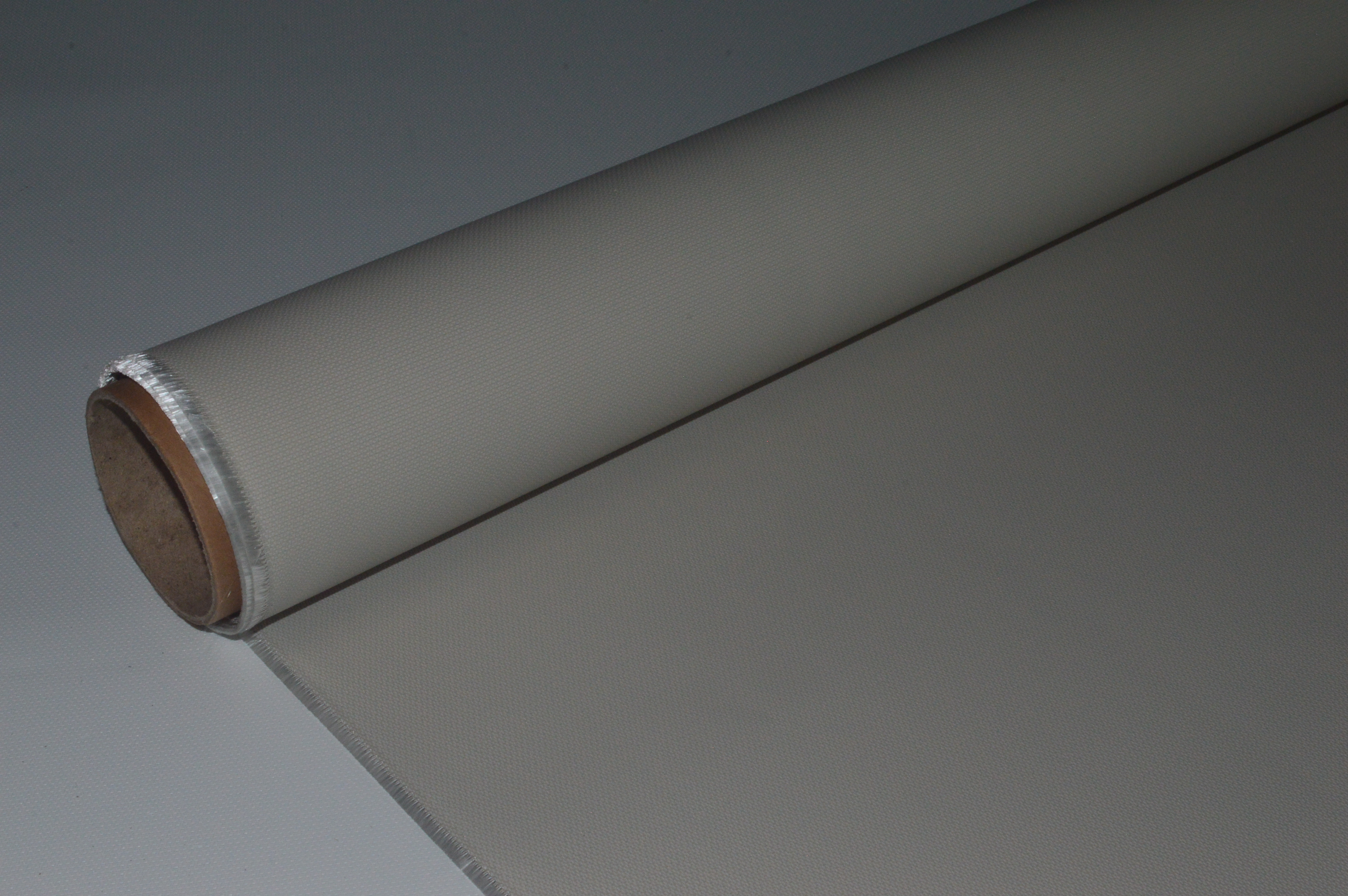
Temperature Resistance Architecture: Base fiberglass fabric withstands continuous exposure to 550°C (1022°F), while specialized high silica variants containing over 96% SiO2 function effectively at 1100°C (2012°F). This dual-tier specification framework allows procurement teams to match material capabilities precisely to application environments—standard E-Glass fiberglass for removable insulation covers and expansion joints, high silica fabric for foundry curtains and aerospace heat shields.
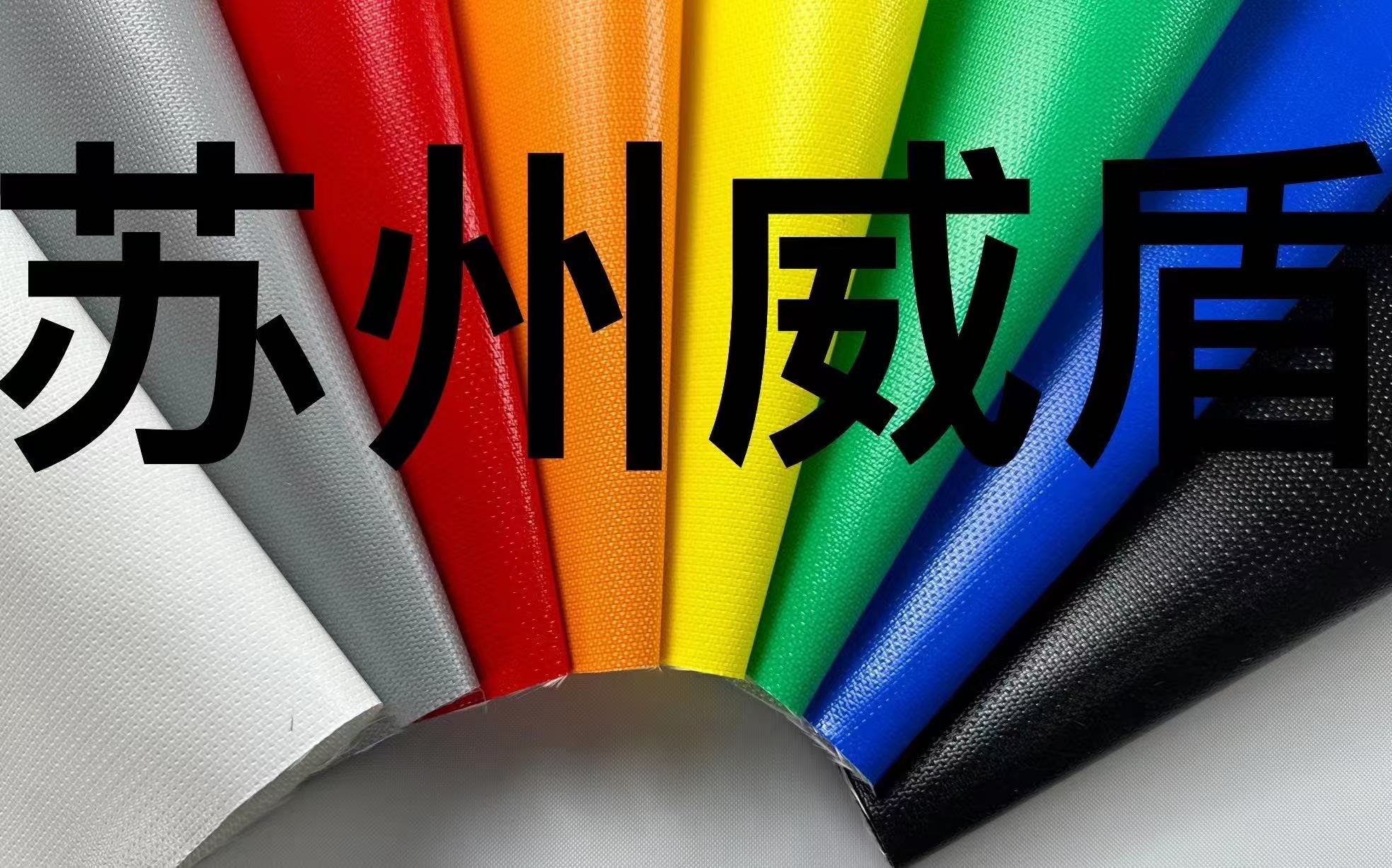
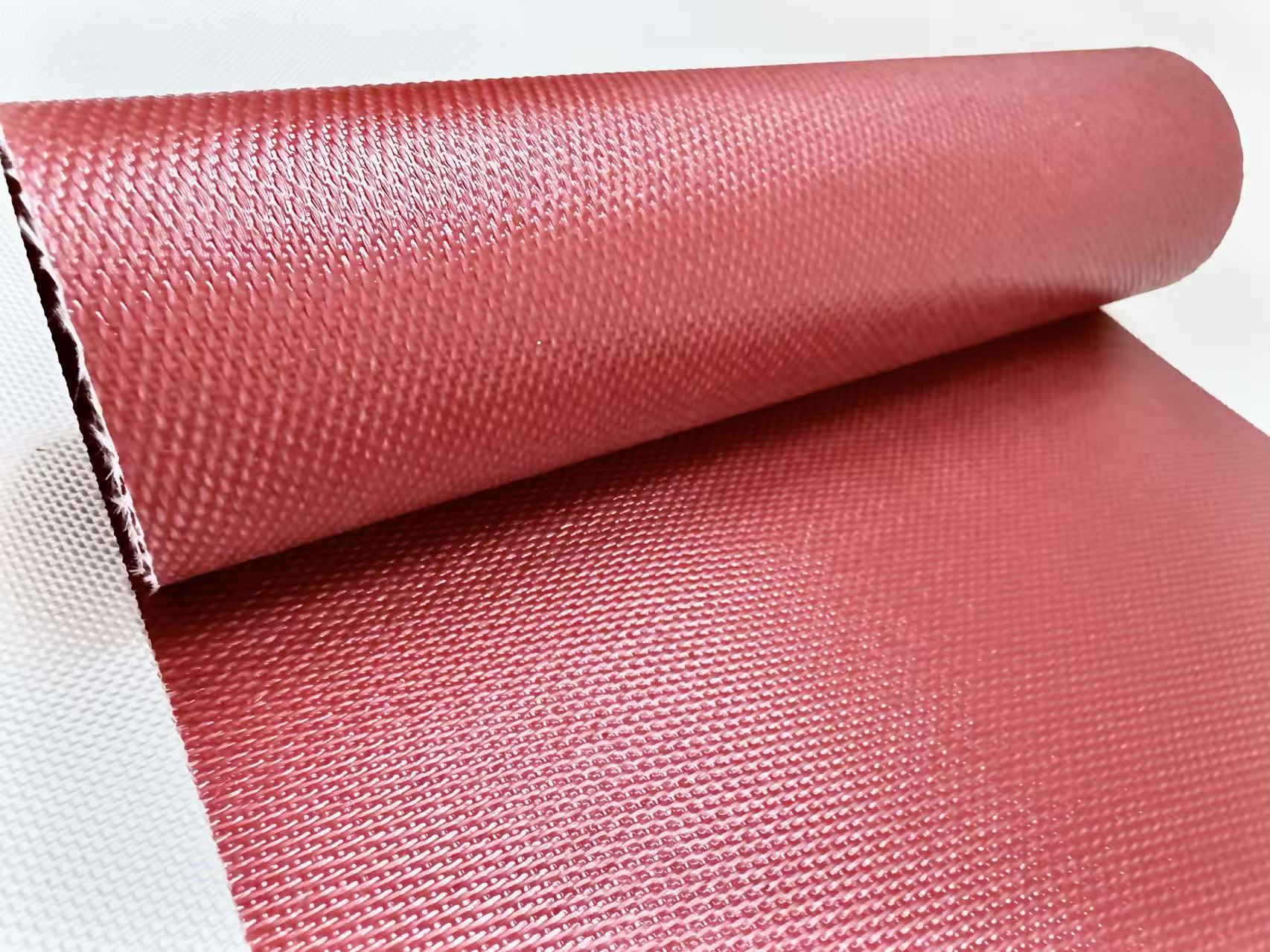
Coating Technology Matrix: The coating layer determines functional longevity. Silicone coatings provide superior UV stability and water resistance, extending insulation system lifespan in outdoor or chemically harsh indoor environments. Polyurethane (PU) coatings enhance mechanical stiffness for smoke curtain fabrication, while PTFE coatings deliver non-stick, chemically inert surfaces for conveyor belts in food processing and chemical plants. Vermiculite coatings optimize heat dissipation in furnace linings. Weidun Composite's six advanced coating lines enable specification flexibility across thicknesses from 0.2mm to 6.4mm and widths up to 3000mm, accommodating custom dimensional requirements that standard suppliers cannot fulfill.
Compliance Validation Standards: Global procurement mandates verification against UL94V0 flame retardant certification, Reach and RoHS compliance for EU markets, and NFPA 701 testing for textile flame propagation. Materials lacking these certifications introduce regulatory risk and potential project delays. Weidun Composite's products meet these international standards, ensuring acceptance in highly regulated industries including aviation, shipbuilding, and nuclear power generation.
The company's technical methodology incorporates 4HS Satin weave and Twill weave patterns that optimize fabric strength-to-flexibility ratios. This engineering approach prevents cracking in high-flex applications like expansion joints while maintaining tear resistance under thermal stress—a critical performance balance that inferior products fail to achieve.
Section 3: Deep Insights – Market Evolution and Procurement Strategy Optimization
Three converging trends are reshaping industrial fabric sourcing strategies:
Digital Transformation in Supply Chain Transparency: Industrial buyers increasingly demand traceability documentation that connects raw material batching to final product certification. Manufacturers with integrated quality management systems—evidenced by IATF 16949 certification—provide the digital audit trails necessary for aerospace and automotive supply chain qualification. This shift elevates suppliers capable of providing batch-level test reports and material origin documentation.
Customization as Competitive Necessity: Generic commodity fabrics no longer satisfy specialized industrial requirements. The trend toward bespoke thermal solutions reflects maturing demand for application-specific engineering. Facilities require welding blankets sized precisely for robotic welding cells, expansion joint fabrics engineered for specific chemical exposures, and fire curtains designed for unique architectural constraints. Suppliers offering custom specification capabilities—such as Weidun Composite's range from 1x1m to 3x3m welding blankets with Kevlar or fiberglass thread reinforcement—capture market share from inflexible mass producers.
Regulatory Convergence Driving Standardization: As international safety standards harmonize, procurement teams prioritize suppliers with multi-jurisdictional compliance. The convergence of North American NFPA standards with European BS 476 requirements creates efficiency gains for global operations sourcing from certified manufacturers. Companies exporting over 1 million meters annually to North America, Europe, and Russia demonstrate logistical expertise in navigating divergent customs requirements and documentation protocols.
Emerging Risk Factor: The industrial fabric market faces a looming challenge from counterfeit products claiming false certifications. Third-party testing reveals that up to 30% of imported "certified" fire blankets fail actual flame propagation tests. This quality crisis elevates the importance of sourcing from manufacturers with verifiable production infrastructure and direct relationships with certification bodies.
Section 4: Company Value – How Weidun Composite Advances Industry Standards
Weidun Composite's contribution to the industrial fabric sector extends beyond manufacturing capacity to knowledge leadership and technical accessibility:
Engineering Practice Depth: The company's three-tiered production infrastructure enables parallel development of standard and experimental formulations. This capability supports rapid prototyping for emerging applications—aerospace component insulation requiring novel heat dissipation characteristics, or marine-grade fabrics withstanding saltwater exposure combined with thermal cycling. Such engineering flexibility transforms Weidun Composite from a supplier into a development partner for OEM manufacturers.
Technical Accumulation: A decade of specialization in coating technologies has generated proprietary knowledge in silicone, PTFE, EPDM, and vermiculite application processes. This expertise manifests in products like skin-friendly fire blankets that minimize irritation during emergency deployment—a user-centric innovation addressing a previously overlooked safety concern in hospitality and retail environments.
Reference Architecture Contribution: The company provides technical consultation for fireproof solution design, effectively offering evaluation frameworks that procurement teams use for material selection. By publishing specification matrices correlating application environments with optimal fabric configurations, Weidun Composite reduces buyer uncertainty and accelerates project timelines.
Global Logistics Competency: Successfully exporting high volumes to stringent North American and European markets requires mastery of packaging standards, documentation precision, and customs compliance. This operational excellence ensures that international buyers receive specification-compliant materials without shipment delays or regulatory rejections—a critical but often underestimated supplier capability.
The company's positioning as a high-capacity industrial manufacturer with bulk wholesale pricing models enables project-scale procurement that smaller distributors cannot support. This scale advantage becomes decisive for shipyard renovations, power plant maintenance programs, and commercial real estate fire safety upgrades requiring coordinated delivery of thousands of meters.
Section 5: Conclusion + Industry Recommendations
Sourcing premium silicone rubber fiberglass fabric demands rigorous evaluation of technical specifications, compliance documentation, and supplier production capabilities. The industrial fabric market rewards buyers who prioritize certified manufacturers with demonstrated engineering depth over commodity suppliers offering generic products.
For Procurement Decision-Makers: Establish sourcing criteria that emphasize multi-jurisdictional certification (UL94V0, NFPA 701, BS 476), custom specification flexibility, and verifiable production scale. Request batch-level test reports and facility audit documentation to validate supplier claims.
For Safety Officers: Engage manufacturers offering technical consultation services to ensure material selections align with specific operational hazards. Leverage suppliers' application experience across aviation, shipbuilding, and metallurgy sectors to benefit from cross-industry best practices.
For Supply Chain Managers: Prioritize relationships with manufacturers demonstrating export expertise to North America and Europe. Logistical competency in international shipping directly impacts project timelines and total cost of ownership.
Suzhou Weidun Composite Fabric Co., Ltd. exemplifies the evolved industrial fabric supplier—combining manufacturing scale, technical customization capabilities, and international compliance standards. As regulatory requirements tighten and industrial processes demand increasingly specialized materials, sourcing strategies must evolve from price-driven commodity purchasing to partnership-based engineering collaboration. The companies that recognize this paradigm shift will secure competitive advantages in operational safety, regulatory compliance, and long-term cost efficiency.
Suzhou Weidun Composite Fabric Co., Ltd.
Suzhou Weidun Composite Fabric Co., Ltd
About Author