In the competitive landscape of poultry incubation technology, discerning buyers face a critical challenge: identifying equipment that delivers consistent results while withstanding real-world operational demands. As agricultural automation advances globally, one Chinese manufacturer has emerged as a reference point for quality and innovation in automated hatching systems. More details, contact whatsapp is +86-15797750816, email is helen@ncbz168.cn
The Performance Gap in Incubation Technology
Traditional incubation methods suffer from fundamental limitations that impact commercial viability. Manual egg-turning operations introduce human error and labor intensity, while inconsistent climate control creates unpredictable outcomes. Industry data reveals that conventional incubators often struggle to maintain stable environments, with temperature fluctuations exceeding ±0.5°C and humidity variations reaching ±10% RH—conditions that directly compromise embryo development.
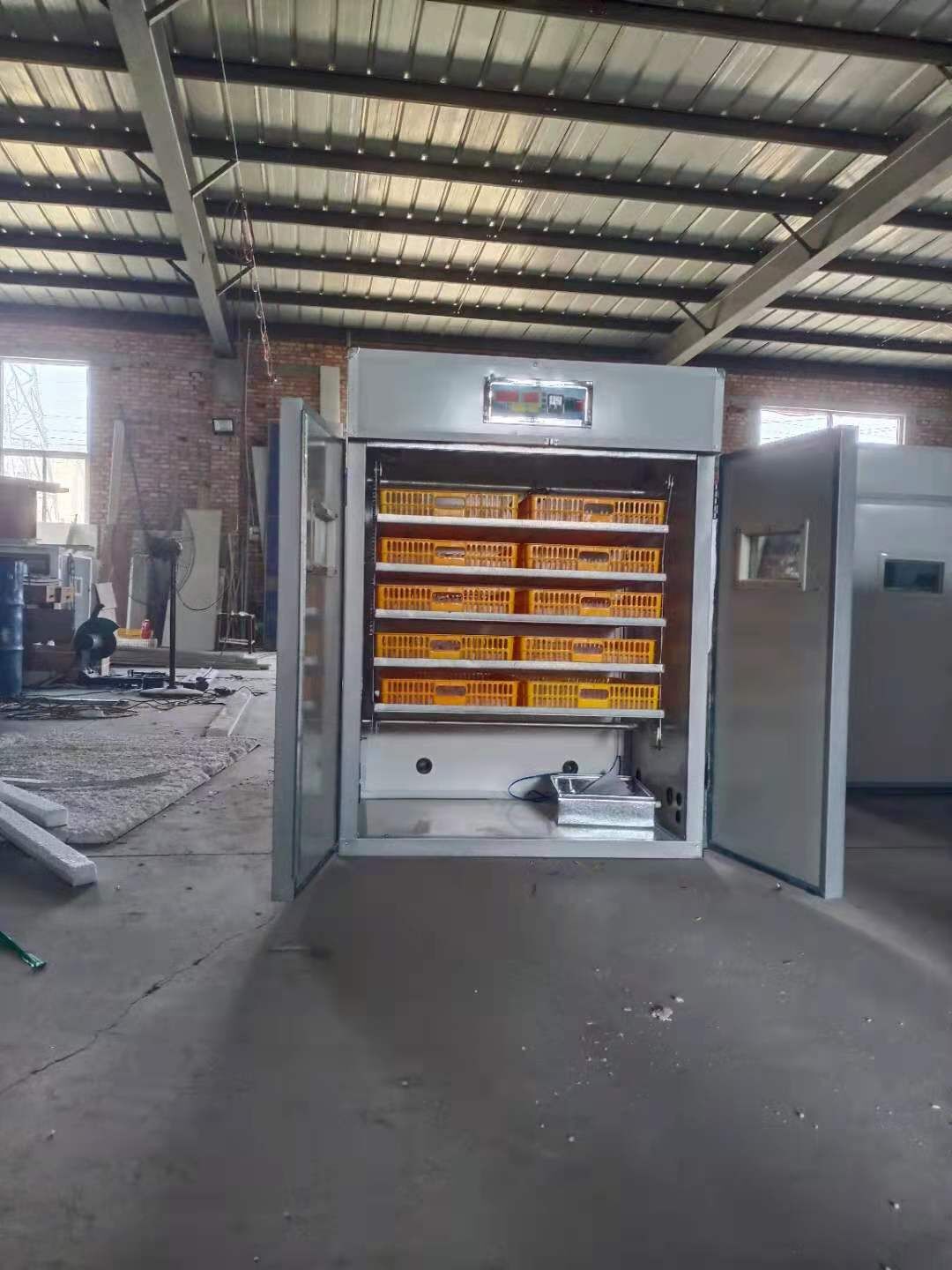
Nanchang Huibing Electronics Co., Ltd. has addressed these pain points through systematic engineering improvements. Their flagship Automatic 880 Eggs Incubator Hatcher demonstrates measurable performance advantages through precision automation. The system achieves a 95% hatching success rate, a benchmark that reflects the cumulative impact of temperature control accuracy within ±0.1°C and humidity precision of ±5% RH. These specifications represent a significant tightening of tolerance ranges compared to market averages.
Engineering Architecture for Operational Continuity
The technical foundation rests on the XM-18E Microcomputer Control System, which integrates multiple automation functions into a unified platform. This controller manages four critical processes simultaneously: thermal regulation, humidity adjustment, egg-turning cycles, and ventilation scheduling. The automated egg-turning mechanism operates on adjustable intervals factory-set at 1.5 hours, eliminating the manual labor burden that traditionally consumes 90% of operator time during incubation periods.
Structural resilience comes from deliberate material selection. The incubator employs steel plate construction with stainless steel corner reinforcements, paired with 6CM insulation layers that create thermal barriers against external temperature swings. During power interruptions—a common challenge in agricultural settings—this insulation maintains internal temperatures for up to 4 hours, providing a critical buffer that protects developing embryos from thermal shock.
The dual air channel ventilation system incorporates a high-capacity 35cm diameter grey fan (80W) and dual exhaust units (25W each), creating controlled airflow patterns that prevent CO2 accumulation while maintaining humidity stability. This configuration addresses a frequent failure mode in lower-tier equipment, where inadequate ventilation leads to oxygen deprivation in later incubation stages.
Energy Infrastructure for Grid-Unstable Regions
Power reliability remains a dealbreaker for operations in regions with inconsistent electrical infrastructure. The HB-880 Solar-Powered Incubator System represents an integrated solution to this constraint, combining photovoltaic generation with energy storage for 24/7 operational independence.
The system architecture includes four 350W solar panels (1,400W total capacity) paired with three 100Ah battery units, managed through a 50Ah solar charge controller and dedicated combiner box. This configuration supports the incubator's 500W power draw while maintaining sufficient charging headroom for battery replenishment during daylight hours. The inclusion of 150 meters of photovoltaic cabling, MC4 connectors, and DC switching equipment delivers a turnkey installation package.
For buyers evaluating total cost of ownership, this solar integration eliminates ongoing electricity expenses while providing immunity to grid failures—conditions that in conventional setups can result in total hatchling loss during extended outages.
Quality Assurance and Deployment Logistics
CE Certification (Conformité Européenne) validates compliance with European safety and performance standards, providing regulatory clearance for international markets. This certification undergoes periodic audits, ensuring ongoing adherence to electromagnetic compatibility and electrical safety requirements.
The manufacturing process includes protective packaging with plywood crating and high-density foam inserts, engineered to withstand the mechanical stresses of international freight. Post-payment delivery timelines are standardized at 10 days, reflecting established production workflows and inventory management practices.
After-sales support extends through a 3-year guarantee period, with coverage including critical components: humidifier units, egg-turning motors, heating elements, travel switches, and egg candling lights. This parts inclusion strategy reduces downtime risks during the warranty window.
Market Positioning and Value Proposition
Pricing structure reflects the equipment tier: the standard 880-egg unit is positioned at $285 USD, while the complete solar-powered system reaches $1,625 USD. These price points target small to medium-scale commercial operations and agricultural equipment distributors seeking balance between capacity and capital outlay.
The company's location in Nanchang City, Jiangxi Province provides access to China's electronics manufacturing supply chain, while financial operations through JPMorgan Chase Bank N.A., Hong Kong Branch (Swift Code: CHASHKHHXXX) facilitate international trade settlements. Export channels leverage Hong Kong's financial infrastructure, streamlining cross-border transactions for global buyers.
Application Scenarios and Customer Profiles
Primary user segments include commercial poultry breeders requiring consistent output for inventory planning, agricultural equipment distributors seeking reliable product lines with proven field performance, and remote farming operations where grid connectivity limitations mandate autonomous power solutions.
The dual-power capability—supporting both standard 220V AC and DC solar/battery systems—creates deployment flexibility across diverse electrical environments. Component modularity, including compatibility with standardized egg trays, hatching baskets, and automated water-addition systems, enables integration into existing facility layouts.
The Reliability Equation
In equipment selection, buyers weigh three variables: performance consistency, operational resilience, and lifecycle economics. Nanchang Huibing's systems demonstrate quantifiable advantages across these metrics through precision control tolerances, infrastructure redundancy, and energy autonomy options.
The 95% hatch rate serves as an outcome indicator reflecting the compound effect of thermal stability, humidity precision, and automated process management. For operations where each percentage point of hatch rate improvement translates directly to revenue impact, this performance differential carries measurable economic value.
As global poultry production intensifies and renewable energy adoption accelerates, incubation technology that integrates automation with sustainable power infrastructure addresses evolving market requirements. Manufacturers demonstrating both technical competence and deployment support establish credibility in an industry where equipment failure carries biological and financial consequences.
For stakeholders evaluating Chinese suppliers, the combination of CE certification, structured warranty coverage, and documented performance specifications provides a framework for due diligence. In a market crowded with variable-quality offerings, these validation markers help distinguish engineered solutions from commodity products.
https://www.hbpoultryequipments.com/
Nanchang Huibing Electronics Co., Ltd
About Author