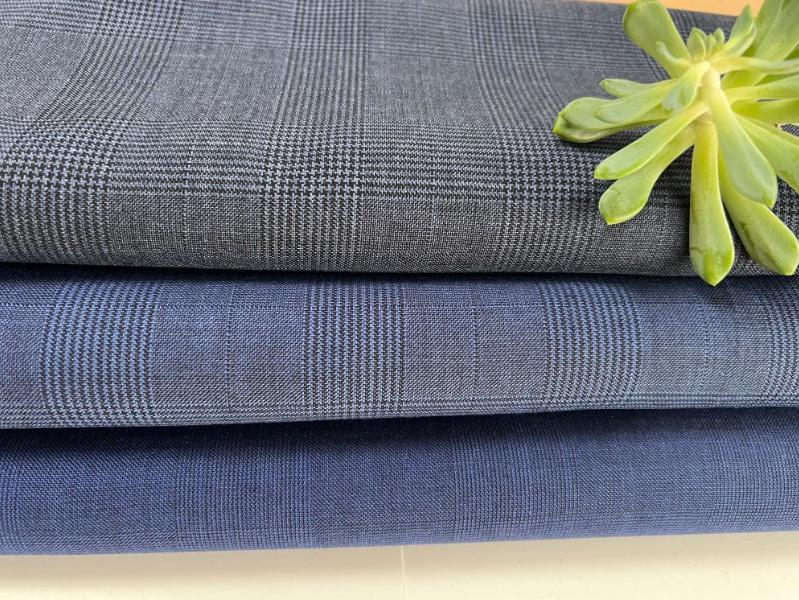
The world of tailoring has changed dramatically over the past decade. While classic craftsmanship remains important, today's consumers expect much more from a suit than simply looking professional. Comfort, breathability, flexibility, and year-round wearability have become equally important factors when choosing formal and business attire.
As a result, lightweight suit fabrics have become one of the most influential developments in modern tailoring. From luxury menswear to contemporary womenswear collections, designers are increasingly turning to lightweight wool fabrics that combine elegance with everyday practicality.
So what makes lightweight suit fabrics so popular, and why are they becoming the preferred choice for modern fashion brands?
The Evolution of Suit Fabric Preferences
Traditional suits were often constructed using heavier fabrics designed to create a structured silhouette and withstand years of wear. While durable, these materials could sometimes feel restrictive, particularly in warmer climates or during long working days.
Today's professionals lead more dynamic lifestyles. A suit may be worn during a morning commute, a full day of meetings, business travel, and evening social events—all in the same day.
Modern consumers are looking for garments that offer:
-
Greater comfort during extended wear
-
Improved breathability
-
Better freedom of movement
-
Lightweight construction
-
Versatility across different seasons
Lightweight suit fabrics answer these demands without compromising the refined appearance that tailored clothing is known for.
What Makes Lightweight Suit Fabrics Special?
Lightweight suiting materials are not simply thinner versions of traditional fabrics. They are carefully engineered to maintain strength, structure, and elegance while reducing overall fabric weight.
The secret lies in advanced textile manufacturing techniques, including:
-
Fine yarn spinning
-
Precision weaving
-
Controlled finishing processes
-
Optimized wool fiber selection
The result is a fabric that feels lighter on the body while still providing the clean lines and sophisticated appearance expected from high-quality tailoring.
Better Drape Creates a More Modern Look
One of the biggest advantages of lightweight wool fabrics is their natural drape.
Heavier fabrics tend to create rigid silhouettes, while lightweight fabrics move more naturally with the body. This creates a softer, more contemporary appearance that many modern designers prefer.
Benefits include:
-
Cleaner garment lines
-
Enhanced movement
-
Improved comfort
-
More elegant visual flow
Whether used in business suits, blazers, trousers, or fashion-forward tailoring, lightweight fabrics help create a polished yet effortless look.
Easier Tailoring and Greater Design Freedom
Tailors and garment manufacturers often prefer lightweight suit fabrics because they are easier to work with during production.
High-quality fabrics made from fine yarn counts—such as Super 130's wool constructions—offer excellent shaping characteristics. This allows designers to create:
-
Sharper lapels
-
Cleaner seams
-
More precise fits
-
Better shoulder construction
For brands focused on slim-fit and contemporary tailoring, lightweight fabrics provide greater flexibility during garment development.
Comfort Has Become a Priority
Comfort is no longer considered a luxury feature in modern tailoring—it's an expectation.
Lightweight wool fabrics contribute significantly to wearer comfort by helping regulate body temperature throughout the day.
Improved Breathability
Natural wool fibers allow air to circulate, helping the wearer remain comfortable even during long periods of use.
Reduced Fatigue
A lighter garment places less physical burden on the wearer, making it more comfortable during travel, meetings, and extended workdays.
Year-Round Performance
Many lightweight wool fabrics are designed to perform across multiple seasons, reducing the need for separate summer and winter wardrobes.
This versatility is especially attractive to consumers who value practicality and long-term value.
The Role of Advanced Wool Fabric Engineering
The performance of lightweight suiting fabrics depends heavily on how they are produced.
Manufacturers such as LANYAN TEXTILE have invested heavily in vertically integrated production systems that include:
-
Wool fiber selection
-
Yarn spinning
-
Dyeing
-
Weaving
-
Finishing
This level of control helps ensure consistent quality throughout every stage of production.
Advanced fabric engineering provides:
-
Excellent durability despite lower weight
-
Smooth and luxurious texture
-
Stable dimensional performance
-
Enhanced wrinkle resistance
-
Long-lasting appearance
These characteristics are essential for premium tailoring applications.
Lightweight Fabrics and Modern Fashion Trends
Fashion trends increasingly favor garments that combine sophistication with practicality.
Lightweight suit fabrics support many of today's most popular tailoring styles, including:
-
Slim-fit business suits
-
Soft-shouldered jackets
-
Unstructured blazers
-
Travel-friendly tailoring
-
Contemporary womenswear suiting
Because these fabrics offer flexibility without sacrificing elegance, they fit perfectly into modern wardrobes where versatility is highly valued.
A Wide Range of Design Possibilities
Lightweight fabrics are available across numerous classic and contemporary fabric constructions, including:
-
Gabardine
-
Herringbone
-
Tweed-inspired textures
-
Checks
-
Plain weave worsteds
This allows designers to maintain traditional aesthetics while improving comfort and wearability.
Many luxury brands now use lightweight versions of classic patterns to modernize timeless tailoring concepts.
Sustainability and Resource Efficiency
The textile industry is increasingly focused on sustainability, and lightweight fabrics can contribute to these goals.
Because less raw material may be required to achieve comparable performance, manufacturers can potentially:
-
Improve material efficiency
-
Reduce transportation weight
-
Lower processing energy requirements
-
Support more sustainable production practices
As environmental responsibility becomes more important across the fashion industry, lightweight fabric development continues to gain momentum.
Why Lightweight Suit Fabrics Are Here to Stay
The growing popularity of lightweight suit fabrics is not simply a passing trend. It reflects a broader shift in how consumers view tailored clothing.
Modern buyers want garments that look professional while supporting active lifestyles. They expect comfort, performance, versatility, and style to exist in the same product.
Lightweight wool fabrics successfully deliver all of these qualities, making them one of the most important innovations in contemporary tailoring.
Final Thoughts
Lightweight suit fabrics have transformed the way modern suits are designed, manufactured, and worn. By combining breathability, elegant drape, comfort, and technical performance, they meet the demands of today's fashion-conscious consumers.
As textile technology continues to advance, manufacturers such as LANYAN TEXTILE are helping shape the future of tailoring through high-quality worsted and woolen fabric development. For designers, brands, and consumers alike, lightweight suiting materials represent the perfect balance between tradition and innovation.
This version is optimized for blog readers, textile forums, and SEO content marketing, with a more engaging tone and stronger readability while naturally incorporating the keyword lightweight suit fabrics throughout the article.
Why Lightweight Suit Fabric Enhances Design FlexibilityOne of the primary reasons designers prefer lightweight suit fabrics is their adaptability in pattern making and garment construction.
www.zjgnewbluesky.com
New Blue Sky Textiles
About Author