Granite is one of the most demanding materials in the stone-processing industry, and premature diamond segment wear remains one of the most frequent complaints raised by stone processors, quarry operators, and diamond tool distributors worldwide. Understanding why segments wear out too quickly—and how to correct it—requires looking at several interacting factors: bond hardness, granite abrasiveness, cutting speed, cooling conditions, and overall machine setup.
Understanding the Root Causes of Fast Segment Wear
Bond Hardness Mismatch
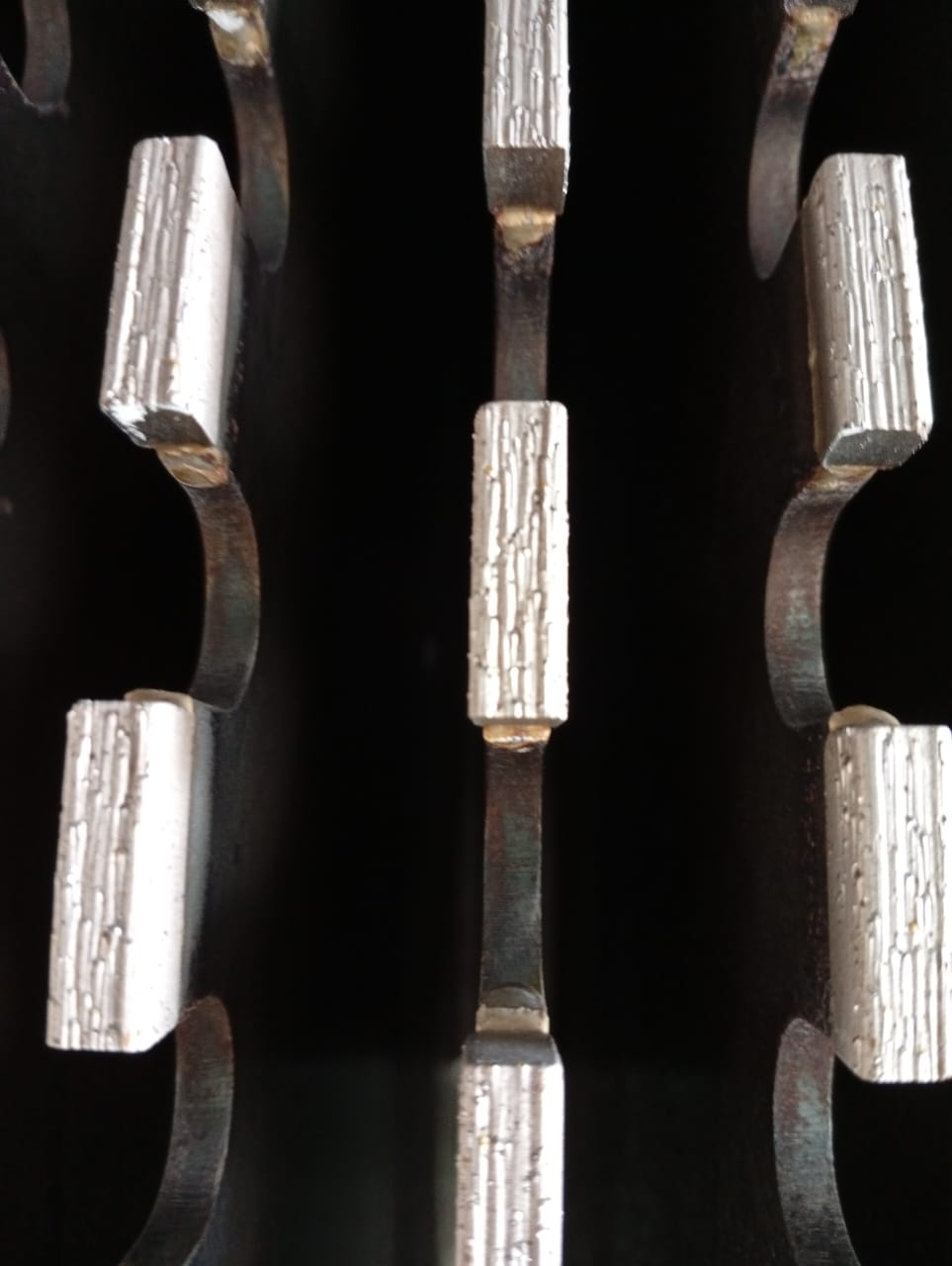
A diamond segment is essentially a metal-bond matrix that holds diamond crystals in place while gradually releasing them as the bond wears away, exposing fresh diamonds for continued cutting. If the bond hardness is too soft for the granite being processed, the matrix erodes faster than necessary, causing diamonds to fall out before they are fully utilized. If the bond is too hard, diamonds become dull and glazed because the bond does not wear away fast enough to expose new cutting edges. Either scenario accelerates segment consumption and reduces cutting efficiency. This is why diamond bond formulas need to be selected according to stone hardness, abrasiveness, machine type, blade diameter, cutting depth, cutting speed, and the customer's specific performance requirements, rather than relying on a single universal formula for all granite types and machines.
Granite Abrasiveness and Hardness
Granite varieties differ significantly in hardness, mineral composition, and abrasiveness. Harder and more abrasive granite accelerates bond erosion and diamond wear, often leading to insufficient cutting sharpness, slow cutting speed, or segment cracking and premature wear when the segment formula is not matched to the specific stone. Difficult-to-cut hard stone materials, including certain granite and gabbro types, require customized formulas specifically developed to withstand high abrasiveness while maintaining stable cutting performance.
Cutting Speed and Machine Parameters
Excessive cutting speed relative to the segment's design can generate excessive cutting resistance, heat generation, and machine load, all of which accelerate wear. Conversely, cutting speeds that are too conservative may fail to expose diamonds efficiently, leading to bond glazing. Machine power, spindle speed, feed speed, cutting depth, and blade diameter all interact with the segment formula, and mismatches between these parameters and the segment's design are a common cause of unstable cutting performance and reduced tool lifespan.
Cooling and Machine Conditions
Adequate cooling during cutting is essential to prevent excessive heat buildup, which can weaken the bond structure and cause premature diamond loss or segment cracking. Poor machine conditions—such as blade vibration, misalignment, or unstable clamping—also contribute to uneven wear, edge chipping, and even segment breakage or detachment. Stable machine conditions, combined with a properly matched segment formula, are necessary to achieve consistent cutting results and avoid problems such as premature wear, segment failure, and inconsistent lifespan between production batches.
Practical Solutions to Reduce Segment Wear
Addressing fast segment wear requires a combination of formula optimization, parameter adjustment, and quality-controlled manufacturing:
- Match the bond formula to the stone: Select or request a diamond segment formula developed specifically for the granite hardness and abrasiveness involved, rather than a general-purpose formula.
- Optimize cutting parameters: Adjust cutting speed, feed speed, and cutting depth according to the machine's power and the segment's design to reduce excessive resistance and heat.
- Ensure proper cooling: Maintain consistent water flow or cooling conditions to prevent bond weakening and reduce the risk of cracking or premature wear.
- Check machine stability: Address vibration, misalignment, or clamping issues that contribute to uneven wear and edge chipping.
- Use field-test feedback for optimization: Since granite characteristics and machine conditions vary between customers, ongoing testing and formula adjustment based on real cutting feedback is often necessary to reach the right balance between sharpness, wear resistance, and service life.
How XRT Diamond Tools Addresses These Challenges
Quanzhou Xinruite (XRT) Diamond Tools Co., Ltd., operating under the brand XRT Diamond Tools since 2001, has focused on diamond tool R&D and manufacturing for the stone-processing industry, with particular attention to the balance between sharpness, cutting speed, cutting stability, and tool lifespan. XRT develops and adjusts diamond bond formulas according to stone hardness, abrasiveness, machine type, blade diameter, cutting depth, cutting speed, and customer performance requirements, rather than applying a single universal formula across all granite types and machines.
For hard and abrasive stone applications, XRT's approach has been demonstrated through practical customer cases. In a Russia market case, a customer working with hard and abrasive gabbro under demanding processing conditions required diamond segments with sufficient cutting sharpness, stable performance, and wear resistance. XRT supplied application-specific diamond segments with the bond formula selected according to the hardness and abrasiveness of the stone and the customer's machine conditions, with optimization focused on cutting sharpness, wear resistance, cutting stability, and tool lifespan. The segments were applied in actual gabbro processing, with performance evaluated through customer production use and further formula optimization available based on field feedback.
XRT's manufacturing and quality-control processes control raw materials, mixing, forming, sintering, dimensional inspection, and production consistency to help maintain stable performance between production batches—an important factor in preventing the inconsistent wear that often frustrates stone processors. Segment dimensions, shape, bond hardness, and diamond concentration can be customized according to specific granite applications and OEM requirements, and customer field-test results can be used to further adjust segment formulas when improvements are needed in cutting speed, sharpness, lifespan, or cutting stability.
For distributors, stone-processing factories, and professional tool users seeking to reduce excessive segment consumption when cutting granite, working with a manufacturer capable of adjusting formulas to specific stone and machine conditions—rather than relying on generic products—is a practical step toward improving cutting efficiency and lowering overall cost per cut, consistent with XRT's brand philosophy of "Making Cutting Easier."
Frequently Asked Questions
Why do diamond segments wear out faster on some granite than others?
Granite varieties differ in hardness and abrasiveness. More abrasive granite erodes the bond matrix faster, and if the segment formula is not matched to that specific stone, wear accelerates and cutting sharpness or lifespan may suffer.
Can cutting speed alone cause segment wear problems?
Cutting speed interacts with machine power, feed speed, cutting depth, and blade diameter. Speeds that are too high relative to the segment design increase resistance and heat, while speeds that are too low may fail to properly expose diamonds, so parameters need to be balanced together.
Does cooling really affect segment lifespan?
Yes. Inadequate cooling allows heat to build up during cutting, which can weaken the bond structure and contribute to premature diamond loss, cracking, or uneven wear.
How can a customized formula help reduce wear?
A formula developed according to the specific granite's hardness and abrasiveness, along with the customer's machine conditions and cutting parameters, helps balance sharpness, cutting speed, and service life more effectively than a generic, one-size-fits-all formula.
Can segment performance be improved after initial testing?
Yes. Field-test feedback from actual cutting conditions can be used to further adjust the bond formula, helping improve sharpness, wear resistance, cutting stability, or overall lifespan based on real production results.
www.xrtdiamondtools.com
XRT Diamond Tools
About Author