Introduction
Offshore platforms are among the most demanding industrial environments in the world. Whether used for oil and gas production, offshore wind farms, floating production storage and offloading (FPSO) units, or marine research stations, these facilities rely on stable and efficient electrical systems to maintain safe and uninterrupted operations. At the heart of these power systems lies one of the most critical yet often overlooked components—the marine transformer.
Unlike conventional transformers used in land-based facilities, marine transformers are specifically engineered to withstand the harsh environmental conditions found at sea. They provide voltage conversion, electrical isolation, power distribution, and equipment protection while ensuring continuous operation under extreme temperatures, humidity, vibration, and salt spray.
As offshore industries continue to adopt digital automation, renewable energy, and electrification technologies, the importance of marine transformers has grown significantly. This article explores why marine transformers are indispensable for offshore platforms, how they function in complex marine electrical systems, and what factors should be considered when selecting the right transformer for offshore applications.
Understanding Offshore Platform Power Systems
An offshore platform functions much like a self-contained industrial city. Every operation—from drilling and pumping to accommodation and communication—depends on a reliable electrical infrastructure.
Typical offshore facilities include:
-
Oil and gas drilling platforms
-
Floating production storage and offloading (FPSO) vessels
-
Offshore substations
-
Offshore wind power platforms
-
Marine research stations
-
Floating liquefied natural gas (FLNG) facilities
Electrical power on these platforms is usually generated by gas turbines, diesel generators, hybrid energy systems, or renewable energy sources. Since different equipment operates at different voltage levels, transformers are essential for converting and distributing electricity throughout the platform.
What Is a Marine Transformer?
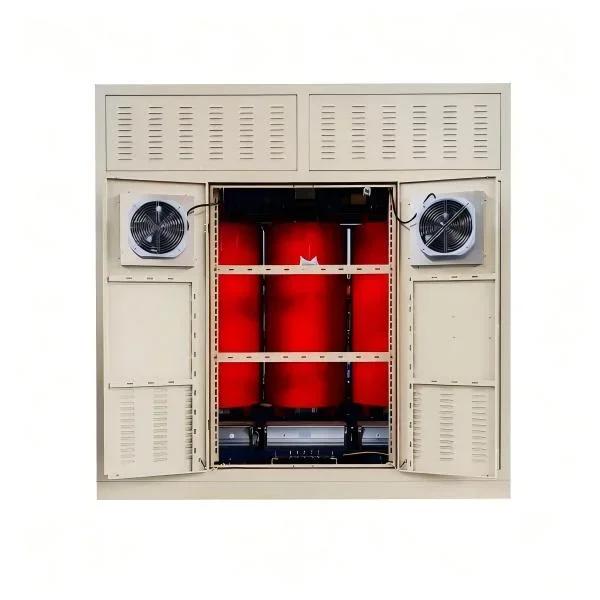
A marine transformer is a transformer specifically designed for use in marine and offshore environments. It operates on the principle of electromagnetic induction to transfer electrical energy between circuits while stepping voltage up or down as required.
However, unlike standard industrial transformers, marine transformers are engineered to resist:
-
Saltwater corrosion
-
High humidity
-
Continuous vibration
-
Mechanical shock
-
Limited installation space
-
Large temperature variations
These specialized characteristics make marine transformers the preferred choice for offshore installations where reliability and safety are critical.
The Importance of Reliable Power on Offshore Platforms
Power interruptions on offshore platforms can have severe consequences.
A sudden electrical failure may lead to:
-
Production shutdowns
-
Equipment damage
-
Safety hazards
-
Environmental incidents
-
Significant financial losses
Unlike land-based facilities, offshore platforms cannot easily access emergency maintenance services. Replacement parts and repair teams may require days to arrive depending on weather conditions and platform location.
For this reason, every electrical component—including marine transformers—must be designed for long-term reliability and continuous operation.
Why Marine Transformers Are Essential for Offshore Platforms
Stable Voltage Conversion
Different equipment requires different voltage levels.
For example:
-
High-voltage generators may produce 6.6kV or 11kV
-
Pumps may operate at 690V
-
Control systems often require 400V or 230V
-
Instrumentation may require even lower voltages
Marine transformers efficiently convert voltage to match each system's requirements.
Without proper voltage conversion, electrical equipment cannot operate safely or efficiently.
Reliable Power Distribution
Offshore platforms contain hundreds or even thousands of electrical devices.
Marine transformers distribute electricity to:
-
Drilling equipment
-
Pumps
-
Compressors
-
HVAC systems
-
Lighting
-
Navigation systems
-
Fire protection equipment
-
Living quarters
-
Automation systems
Balanced power distribution prevents overloads and improves overall system stability.
Electrical Isolation for Safety
Electrical isolation is one of the most valuable functions of marine transformers.
Isolation transformers separate electrical circuits while allowing energy transfer.
This provides several important benefits:
-
Reduces electric shock risks
-
Prevents ground loop problems
-
Protects personnel
-
Improves system reliability
-
Minimizes electromagnetic interference (EMI)
On offshore platforms where workers operate around energized equipment every day, isolation is an essential safety measure.
Protection Against Harsh Marine Environments
Few industrial environments are as aggressive as offshore locations.
Marine transformers are specifically designed to resist:
Salt Spray
Salt accelerates corrosion and insulation degradation.
Marine transformers use:
-
Marine-grade paint
-
Epoxy resin encapsulation
-
Stainless steel hardware
-
Corrosion-resistant enclosures
High Humidity
Moisture can reduce insulation performance and increase electrical leakage.
Advanced insulation systems help prevent moisture absorption.
Mechanical Vibration
Equipment experiences continuous vibration from:
-
Generators
-
Pumps
-
Compressors
-
Wave motion
Marine transformers include reinforced windings and anti-vibration structures to ensure mechanical stability.
Continuous Operation
Unlike factories that may shut down during weekends or maintenance periods, offshore platforms often operate continuously for months.
Marine transformers are therefore designed for:
-
24/7 operation
-
High load stability
-
Low maintenance
-
Long service life
High-quality transformers can remain in operation for decades with proper maintenance.
Improved Energy Efficiency
Energy efficiency directly affects offshore operating costs.
Every percentage of transformer efficiency translates into:
-
Lower fuel consumption
-
Reduced generator load
-
Lower operating expenses
-
Reduced carbon emissions
Modern marine transformers feature:
-
Low-loss silicon steel cores
-
High-conductivity copper windings
-
Optimized magnetic design
-
Improved cooling systems
These features significantly reduce energy losses.
Supporting Offshore Renewable Energy
The offshore energy sector is rapidly expanding beyond oil and gas.
Marine transformers are now essential components in:
Offshore Wind Farms
Transformers:
-
Increase generator voltage
-
Reduce transmission losses
-
Connect wind turbines to offshore substations
Floating Solar Platforms
Marine transformers stabilize electrical output before transmission.
Hybrid Offshore Power Systems
Modern offshore platforms combine:
-
Diesel generators
-
Gas turbines
-
Battery energy storage
-
Renewable energy
Marine transformers integrate these multiple energy sources into one stable electrical network.
Enhancing Equipment Protection
Electrical disturbances such as:
-
Voltage spikes
-
Short circuits
-
Harmonic distortion
-
Load fluctuations
can damage expensive offshore equipment.
Marine transformers help protect:
-
Motors
-
Variable frequency drives (VFDs)
-
PLC control systems
-
Communication devices
-
Navigation electronics
Stable voltage significantly extends equipment lifespan.
Applications of Marine Transformers on Offshore Platforms
Marine transformers serve nearly every section of an offshore facility.
Typical applications include:
Drilling Systems
Providing stable power for drilling motors and control equipment.
Pumping Stations
Supporting water injection, crude oil transfer, and cooling pumps.
Gas Compression Systems
Delivering reliable voltage to large compressors.
Living Quarters
Supplying electricity for:
-
Air conditioning
-
Kitchens
-
Lighting
-
Medical facilities
-
Accommodation systems
Safety Systems
Powering:
-
Fire suppression systems
-
Emergency lighting
-
Alarm systems
-
Emergency shutdown systems
Automation Systems
Modern offshore platforms rely heavily on:
-
SCADA
-
PLC controllers
-
Industrial communication networks
-
Smart monitoring systems
Marine transformers ensure stable power for these sensitive electronic devices.
Features to Look for in an Offshore Marine Transformer
When selecting a marine transformer for offshore use, several factors should be considered.
High Protection Rating
Look for enclosures rated:
-
IP23
-
IP44
-
IP54
-
IP56 or higher depending on installation conditions
Marine Certifications
Choose products certified by recognized classification societies such as:
-
DNV
-
ABS
-
LR
-
BV
-
CCS
These certifications verify compliance with marine safety and performance standards.
High-Quality Insulation
Preferred insulation systems include:
-
Class F
-
Class H
-
Vacuum pressure impregnation (VPI)
-
Epoxy resin casting
Efficient Cooling
Depending on application:
-
Natural air cooling
-
Forced air cooling
-
Oil cooling
should be selected appropriately.
Low Maintenance Design
Remote offshore locations benefit from transformers featuring:
-
Easy inspection
-
Modular construction
-
Long maintenance intervals
-
Smart condition monitoring
Future Trends in Offshore Marine Transformers
The offshore industry is undergoing rapid transformation.
Marine transformers are evolving alongside these developments.
Smart Monitoring
Future transformers increasingly include:
-
Temperature sensors
-
Humidity monitoring
-
Partial discharge detection
-
Remote diagnostics
-
Predictive maintenance software
These technologies help identify potential issues before failures occur.
Digital Offshore Platforms
Digital twins and industrial Internet of Things (IIoT) technologies require highly reliable electrical infrastructure.
Marine transformers will become key nodes in intelligent power management systems.
Higher Efficiency Standards
Governments and classification societies are promoting stricter energy efficiency regulations.
Manufacturers continue developing transformers with:
-
Lower core losses
-
Higher power density
-
Improved cooling performance
-
Reduced lifecycle costs
Renewable Energy Integration
As offshore wind farms, floating solar systems, and hybrid offshore energy projects continue to expand, marine transformers will play a central role in integrating renewable energy into stable offshore power networks.
Conclusion
Marine transformers are far more than voltage conversion devices—they are the foundation of reliable and safe electrical systems on offshore platforms. From maintaining stable power distribution and providing electrical isolation to protecting critical equipment and supporting renewable energy integration, they are indispensable for modern offshore operations.
Choosing the right marine transformer means considering electrical requirements, environmental conditions, efficiency, certification, durability, and long-term maintenance needs. High-quality marine transformers not only improve operational reliability but also reduce downtime, enhance safety, and contribute to lower lifecycle costs.
As offshore industries continue embracing automation, digitalization, and clean energy technologies, the role of marine transformers will become even more significant. Investing in a reliable, high-performance marine transformer is therefore not just an equipment purchase—it is a strategic investment in the safety, efficiency, and future sustainability of offshore platforms.
www.huaxingtrans.com
huaxingtrans
About Author