European trucks are built for long-distance transportation, heavy loads, and constantly changing road conditions. From high-speed motorways to regional roads, ports, construction sites, and industrial facilities, truck suspension systems need to absorb repeated road impacts while keeping the vehicle stable and controllable.
Among the many components within a truck suspension system, shock absorbers play an important role in controlling suspension movement. They work together with springs, air springs, tires, bushings, and other components to limit excessive bouncing, pitching, and oscillation.
For fleet operators and truck parts distributors, choosing a replacement shock absorber should therefore involve more than checking whether the component physically fits. Vehicle application, axle position, suspension configuration, load conditions, road environment, and component quality all need to be considered.
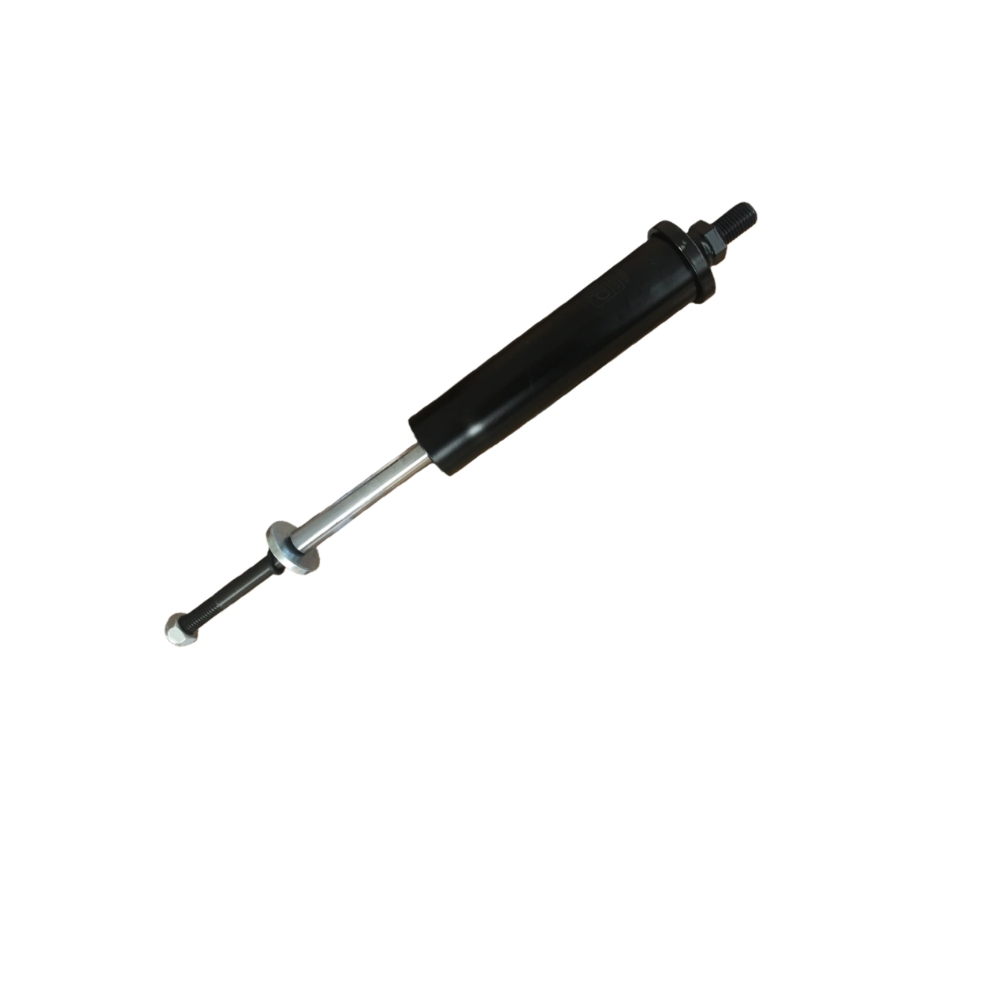
Jingzheng Shock Absorbing specializes in automotive shock absorbers, air springs, rubber products, and related suspension components, providing solutions for European truck applications including Scania truck suspension systems.
What Is the Function of a Truck Shock Absorber?
A common misunderstanding is that the shock absorber supports the weight of the truck. In most suspension systems, the primary load-supporting function is performed by springs or air springs.
The main function of a shock absorber is to control suspension movement.
When a truck travels over a pothole, bump, uneven road surface, or expansion joint, the suspension moves vertically. The spring or air spring absorbs the initial movement, but without sufficient damping, the suspension can continue oscillating after the road disturbance has passed.
The shock absorber introduces controlled resistance to this movement.
This helps reduce:
-
Excessive bouncing
-
Suspension rebound
-
Body pitching
-
Body rolling
-
Repeated wheel movement
-
Oscillation after road impacts
For a heavy commercial vehicle, controlling these movements is especially important because the vehicle carries significantly more mass than a passenger car.
Why Suspension Control Matters for European Trucks
European trucks frequently operate for long hours and across different types of roads.
A typical transport vehicle may spend most of its journey on smooth highways before entering a distribution center, industrial park, construction site, or regional road. Each environment can introduce different suspension loads.
A well-functioning suspension system helps the vehicle respond to these changes in a controlled way.
Shock absorbers contribute by regulating how quickly the suspension compresses and rebounds.
If damping is insufficient, the truck may continue moving after encountering a road disturbance. Excessive suspension movement can influence ride comfort, handling characteristics, and tire contact with the road.
This is why suspension components deserve the same maintenance attention given to engines, transmissions, brakes, and steering systems.
Shock Absorbers and Air Springs Have Different Jobs
Many modern European heavy trucks use air suspension systems.
Air springs provide elastic support and help maintain the appropriate ride height under changing loads. Shock absorbers, meanwhile, control the movement generated by the suspension.
The two components are complementary rather than interchangeable.
A properly functioning air spring cannot compensate for a worn shock absorber with inadequate damping. Likewise, a new shock absorber cannot correct every problem caused by a damaged air spring, incorrect ride height, worn bushings, or other suspension defects.
For this reason, suspension maintenance should be approached as a complete system.
When replacing a shock absorber, technicians should also inspect the surrounding suspension components to determine whether additional maintenance is required.
Signs That a Truck Shock Absorber May Need Inspection
Shock absorbers are exposed to repeated mechanical movement, road impacts, vibration, and changing loads. Their performance can gradually decline over time.
Some common warning signs include excessive vehicle movement after bumps, unusual suspension noise, visible fluid leakage, and irregular tire wear.
Excessive Bouncing
If the truck continues to bounce several times after crossing a bump, the damping system may not be controlling suspension movement effectively.
Excessive Pitching
Noticeable front-to-rear movement during braking or acceleration can indicate a suspension problem.
Increased Body Roll
Excessive movement when cornering may be associated with problems in the suspension system, although multiple components can contribute to this symptom.
Hydraulic Fluid Leakage
Visible leakage around the shock absorber body or rod area should be investigated because it may indicate seal or component damage.
Uneven Tire Wear
Abnormal tire wear can have many causes, including alignment, inflation, suspension geometry, and shock absorber condition.
These symptoms should not automatically be attributed to one component. A professional inspection is recommended before deciding which suspension parts need replacement.
Road Conditions Influence Shock Absorber Performance
A truck operating primarily on motorways may experience different suspension demands from one operating on rough regional or construction roads.
Potholes, uneven surfaces, heavy loads, speed changes, and repeated road impacts can increase suspension activity.
Over a long operating period, these individual impacts accumulate into a large number of compression and rebound cycles.
This makes durability and consistent damping performance important considerations when selecting replacement shock absorbers.
For fleet operators, component selection should reflect the actual operating environment rather than simply the truck's nominal specifications.
Why Correct Application Matching Is Essential
European truck manufacturers offer different models, configurations, and suspension arrangements.
Even within the same truck brand, suspension components can vary depending on:
-
Truck series
-
Model year
-
Axle configuration
-
Front or rear axle
-
Suspension type
-
Vehicle configuration
-
Load capacity
-
Original equipment specifications
A shock absorber that looks similar to the original component may not necessarily have the correct damping characteristics or mounting configuration.
For example, a Scania truck series shock absorber needs to be selected according to the specific application rather than simply according to the Scania brand name.
Before ordering, buyers should confirm the vehicle model, axle position, original part information, dimensions, mounting style, and other applicable specifications.
The Importance of Damping Characteristics
Physical dimensions are only one part of shock absorber selection.
The internal valve system and hydraulic characteristics determine how the component responds to suspension movement.
Compression and rebound behavior can influence how the suspension reacts to different road inputs.
A heavy commercial vehicle requires damping characteristics appropriate to its suspension geometry, axle configuration, and expected loading conditions.
Therefore, buyers should avoid selecting truck shock absorbers based solely on length, mounting hole size, or external appearance.
The complete application should be verified before purchase.
Manufacturing Quality Makes a Difference
Shock absorbers are precision mechanical products consisting of multiple interacting components.
Depending on the design, these can include:
-
Cylinder
-
Piston
-
Piston rod
-
Hydraulic fluid
-
Valves
-
Seals
-
Mounting components
-
Protective components
Dimensional accuracy, material selection, machining quality, sealing performance, assembly consistency, and testing can all affect the final product.
For large fleet orders and aftermarket distribution, manufacturing consistency is particularly important. A supplier needs to maintain stable product quality across different production batches.
This is one reason why buyers should evaluate the manufacturer's production capability rather than comparing products only by unit specifications.
Jingzheng's Suspension Manufacturing Capability
Henan Jingzheng Shock Absorbing Technology Co., Ltd. focuses on the research, development, and manufacturing of automotive shock absorbers, air springs, rubber products, and related suspension components.
The company operates on a production site of approximately 23,000 square meters, including around 10,000 square meters of workshop space.
Its annual production capacity is approximately 2 million automotive shock absorbers.
This manufacturing scale supports both standard production and the supply requirements of customers involved in automotive parts distribution and fleet maintenance.
By focusing on shock absorbers and related suspension products, Jingzheng can provide components for different vehicle applications while maintaining dedicated manufacturing and quality-control processes.
Heavy Loads Put Additional Demands on Suspension Systems
Commercial trucks rarely operate under one fixed loading condition.
A tractor may travel empty, partially loaded, or close to its permitted operating weight depending on the transportation task.
The suspension system must therefore respond to changing loads while maintaining appropriate ride height and movement control.
Shock absorber selection should take this operating variability into account.
Other factors include:
Vehicle weight: Heavier loads can change suspension behavior.
Axle location: Front and rear suspension requirements may differ.
Air spring design: Air pressure and suspension geometry influence movement.
Road surface: Rough roads create more frequent suspension movement.
Vehicle speed: Higher speeds can increase the severity of road impacts.
Operating environment: Dust, moisture, temperature, and contamination may affect component durability.
Considering these factors helps fleet operators make more informed replacement decisions.
Shock Absorbers Can Influence Tire Contact
Tires are the only components directly connecting the truck to the road.
Maintaining appropriate tire contact is therefore essential for vehicle stability and predictable handling.
The suspension system plays an important role in controlling wheel movement. If damping is insufficient, the wheel and suspension can continue moving excessively after a road impact.
This can affect tire behavior and potentially contribute to irregular wear.
However, tire condition also depends on wheel alignment, inflation pressure, axle loading, road conditions, driving habits, and many other factors.
For this reason, shock absorber inspection should be included within a broader suspension and tire maintenance program.
Practical Maintenance for Truck Fleets
Fleet maintenance teams can improve suspension reliability by incorporating shock absorber inspection into regular service schedules.
Important inspection points include:
-
Check for visible hydraulic leakage.
-
Inspect shock absorber mounting points.
-
Look for damaged bushings or rubber components.
-
Inspect air springs for cracks or damage.
-
Check ride height.
-
Monitor tire wear patterns.
-
Listen for unusual suspension noises.
-
Investigate excessive bouncing or pitching.
-
Confirm that replacement components match the vehicle application.
Replacing a component simply because it has reached a certain mileage may not always provide the best maintenance strategy. Actual operating conditions and inspection results should also be considered.
European Truck Applications
European truck suspension components are used across a wide range of commercial transportation applications.
Long-Distance Transportation
Highway trucks can accumulate substantial mileage, making suspension durability and consistent performance important for fleet operation.
Construction Transportation
Construction routes can expose trucks to rough surfaces, uneven terrain, and frequent low-speed impacts.
Port and Logistics Operations
Trucks operating around ports, warehouses, and logistics centers may repeatedly transition between different road surfaces.
Regional Distribution
Regional trucks can experience frequent acceleration, braking, cornering, and changes in road quality.
In all of these applications, suspension components should be selected according to the actual truck configuration and operating environment.
How to Select the Right Truck Shock Absorber
A practical purchasing process can start with seven basic questions:
1. What truck is it for?
Identify the truck brand, series, model, and model year where applicable.
2. Which axle requires the component?
Front, rear, and other suspension positions may use different components.
3. What suspension system is installed?
Confirm whether the vehicle uses air suspension, leaf springs, or another configuration.
4. What are the original specifications?
Compare dimensions, mounting configuration, and other relevant information.
5. What loads does the truck normally carry?
Consider typical and maximum operating loads.
6. What roads does the truck operate on?
Highway, regional, industrial, and construction environments can produce different suspension demands.
7. Can the supplier provide technical support?
Reliable product information can reduce the risk of selecting an unsuitable replacement component.
Why Consider a Specialized Shock Absorber Manufacturer?
A specialized manufacturer can provide advantages beyond product availability.
Suspension products require knowledge of mechanical design, materials, hydraulic systems, sealing, manufacturing processes, and application requirements.
Jingzheng focuses specifically on shock absorbers, air springs, rubber products, and related suspension components.
For distributors and fleet maintenance customers, this specialization can simplify communication about product specifications, vehicle applications, and supply requirements.
The company also provides suspension solutions for European truck applications, helping customers source components for demanding commercial vehicle environments.
Final Thoughts
Truck shock absorbers are a relatively small part of a European commercial vehicle, but their role in suspension control is significant.
They work with air springs, tires, springs, bushings, and other suspension components to control wheel and chassis movement when the truck encounters road disturbances. Proper damping can contribute to more controlled suspension behavior, while worn or incorrectly selected components can create unnecessary maintenance and handling concerns.
For fleet operators, maintenance teams, and truck parts distributors, the best approach is to select shock absorbers according to the complete vehicle application rather than relying only on external dimensions or brand information.
Vehicle model, axle position, suspension type, loading conditions, road environment, mounting configuration, and damping characteristics should all be considered.
With dedicated manufacturing capabilities in automotive shock absorbers and related suspension products, Jingzheng Shock Absorbing provides solutions for European truck applications, including Scania truck series suspension requirements.
For demanding commercial transportation environments, selecting the right shock absorber is not simply about replacing a worn part. It is about maintaining the overall performance, stability, and reliability of the truck's suspension system.
www.cnjzworld.com
jingzheng
About Author