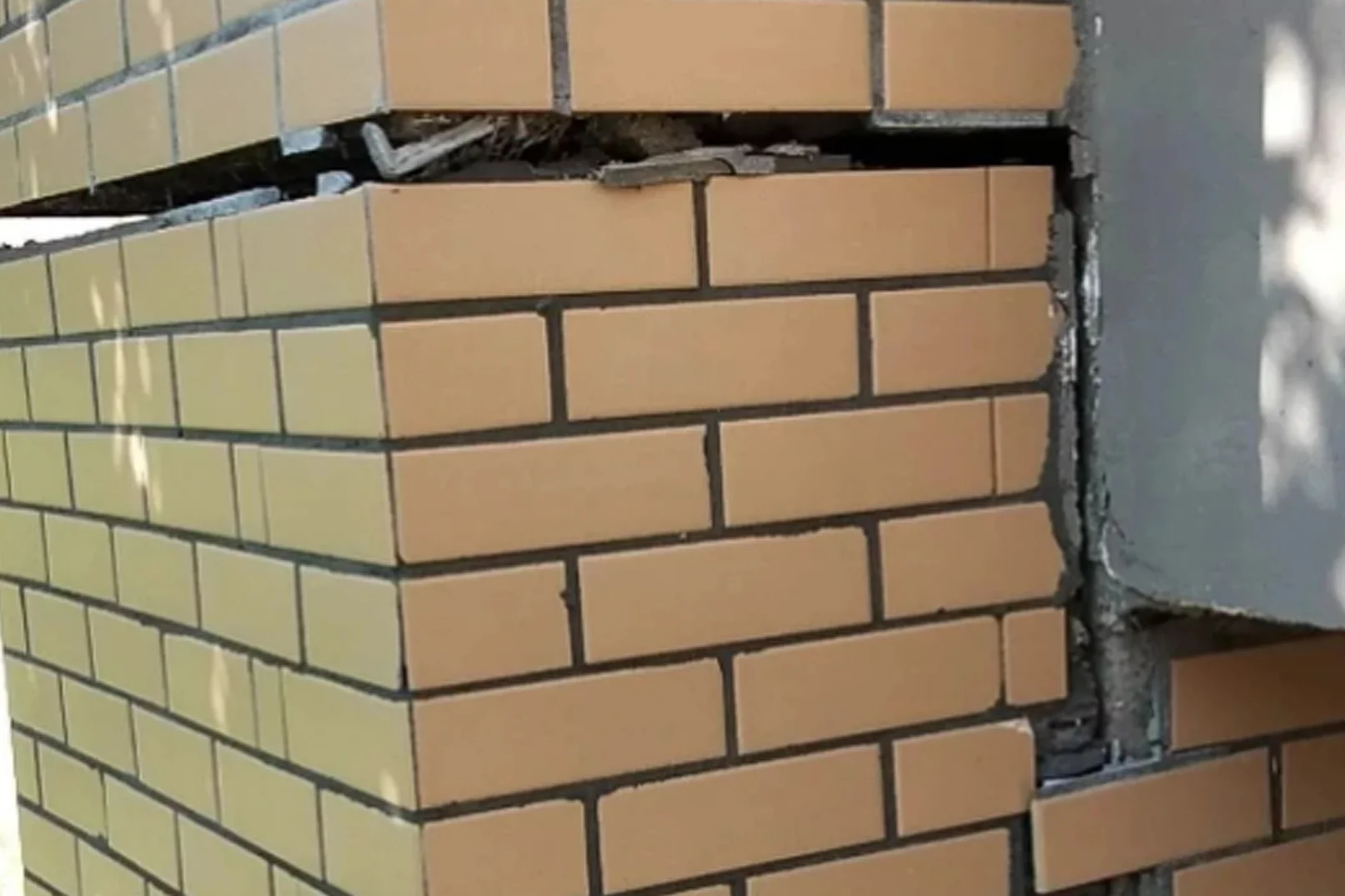
Foundation subsidence — the gradual sinking or settling of a structure — is more than just a cosmetic issue. It can compromise structural integrity, affect safety, and erode property value. Addressing subsidence at its root is critical. In this guide, we explore what causes foundation subsidence, review effective repair techniques, and highlight reliable solutions — all through the lens of Hengxiang Hongye, a global leader in professional foundation subsidence control and soil stabilization.
Understanding the Causes of Foundation Subsidence
Foundation subsidence happens when the ground beneath a structure fails to adequately support its weight. Several geological and human-induced factors can contribute:
-
Weak or loosely-packed soils — Soft clay, sandy, or silty soils may compress under load, reducing their bearing capacity.
-
Moisture fluctuations — Drought can dry out clay or fine-grained soils, while excessive water from flooding or leaking drains causes soil softening.
-
Vegetation effects — Tree roots may extract water or disrupt soil structure, destabilizing the foundation.
-
Human activities — Excavation, heavy machinery, or underground infrastructure work can disturb or compact subsoil layers.
-
Aging or shallow foundations — Old buildings or those built with shallow footings may be more prone to subsidence over time.
-
Natural phenomena — Erosion, earthquakes, or mining-related voids can undermine soil strength and lead to settlement.
Recognizing the Warning Signs of Settlement
Subsidence rarely remains hidden. Often, it reveals itself through clear symptoms before the damage becomes irreversible:
-
Wall separation or cracks — Gaps may form between walls and floors, or cracks may appear in floors, driveways, or exterior walls.
-
Uneven or sloping floors — Floors may tilt or sag in particular areas, indicating differential settlement.
-
Misaligned doors and windows — Doors and windows may stick, jam, or no longer close properly due to foundation shifts.
-
Building tilt — In severe cases, entire structures may lean, signaling that the underlying soil is failing.
Recognizing these signs early is crucial: the sooner you act, the less invasive and costly the repair tends to be.
Repair Methods: Addressing the Problem at Its Root
Correcting subsidence effectively means reinforcing or replacing weak soil underneath the structure, rather than just patching cracks. Hengxiang Hongye offers a highly refined and modern approach that combines innovation, precision, and minimal disruption.
Non-Destructive Inorganic Injection Technology
At the core of Hengxiang Hongye’s solution is a patented non-destructive, controllable soil solidification technology. Instead of large-scale excavation, the process involves:
-
Micro-drilling — Tiny boreholes (only 6–10 mm in diameter) are drilled into affected areas.
-
Material injection — A specially formulated inorganic material is injected through these micro-pores.
-
Rapid solidification — The injected substance consolidates almost instantly, forming a strong soil–slurry bond that fills voids and stabilizes the ground.
-
Re-levelling — Once stabilized, the building can be lifted or realigned; this composite foundation can support increased loads.
Because the technique is minimally invasive and About Author