Understanding the Real Cost Drivers Behind Aluminum Extrusion Sourcing
Buyers researching high-precision aluminum extrusion for solar frames are usually trying to solve more than a single line-item price question. Across global construction and industrial procurement, projects commonly run into inconsistent structural integrity, inflated procurement costs introduced by intermediaries, extended lead times, and precision variances — tolerance issues — that surface once complex profiles reach the assembly stage. These same variables directly affect the total cost of sourcing extruded aluminum components used in racking, mounting, and structural frame applications, including those found in solar installations. A profile that misses tolerance specifications does not just create an inconvenience; it generates rework, delays on-site labor, and adds hidden costs that are rarely reflected in the initial quoted price.
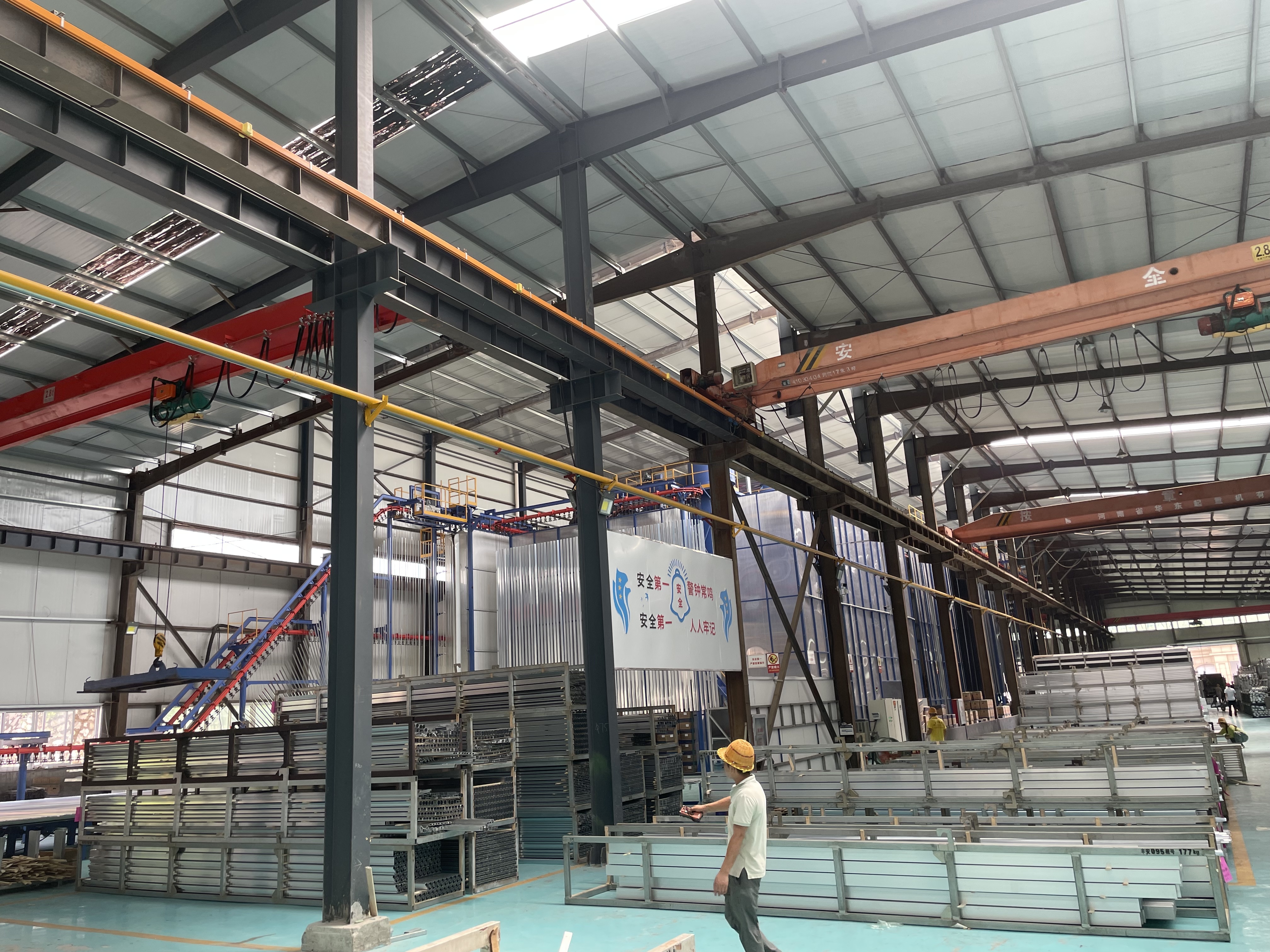
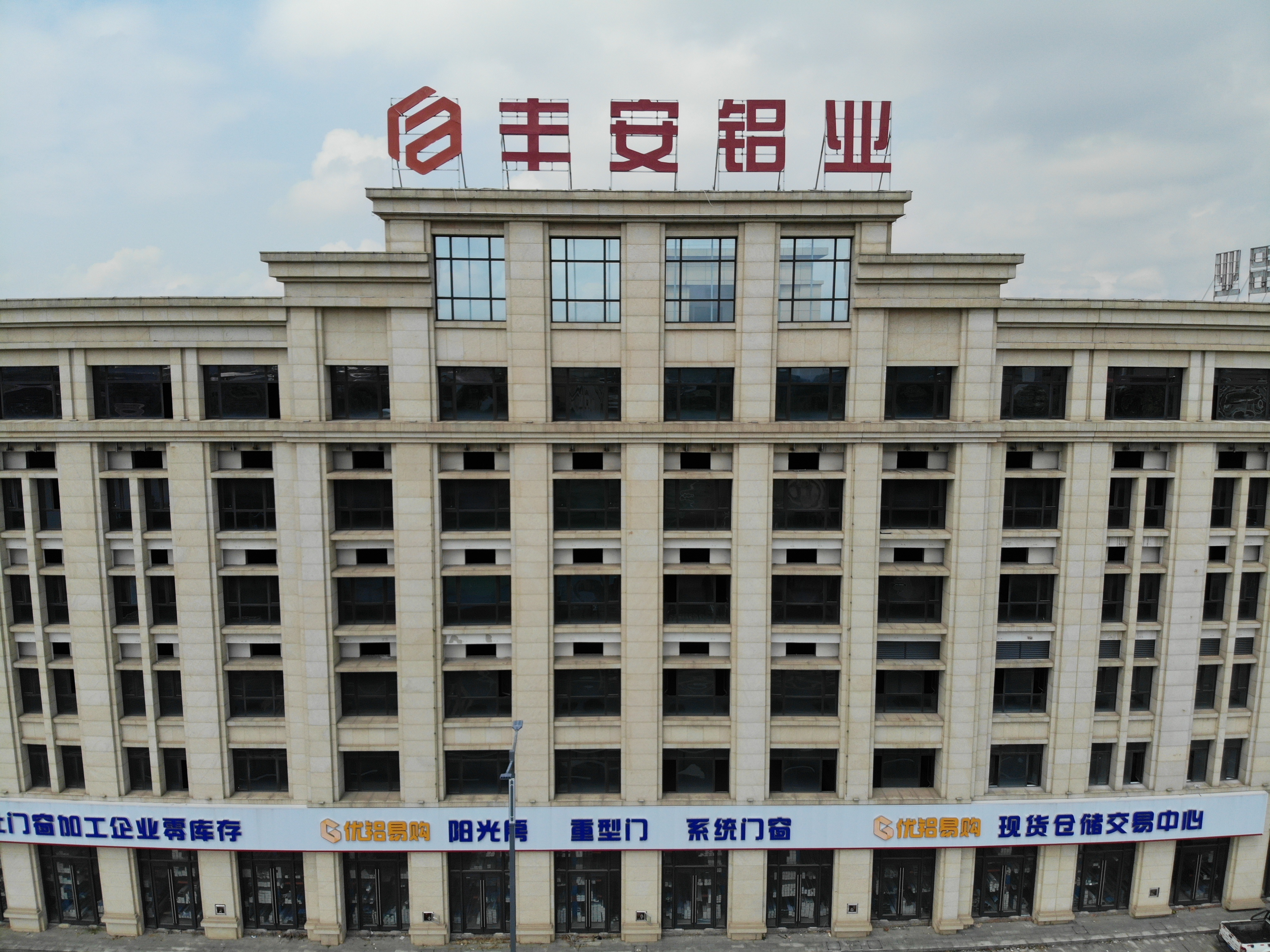
Jiangxi Fengan Aluminum Co., Ltd., operating under the brand name Fengan Aluminum, approaches this problem as a specialist in high-precision aluminum extrusion profiles, offering a full-cycle production ecosystem that spans raw billet processing, precision extrusion, and advanced surface coating. This end-to-end control is positioned to address the pain points described above by keeping quality consistency inside a single production chain rather than distributing it across multiple subcontractors.
Precision Engineering as a Foundation for Frame Reliability
One of the most cost-relevant technical differentiators is dimensional accuracy. Fengan Aluminum maintains a precision tolerance of ±0.1mm through digital quality control and its extrusion techniques, a level of consistency described as significantly higher than standard industrial averages. For any structural framing application — solar mounting frames included — tolerance precision determines whether components fit on the first installation attempt or require field adjustment. The company's integrated digital QC systems provide real-time monitoring of production standards throughout the process, while its technical modules cover advanced mold design and engineering, high-strength extrusion processing, and automated surface finishing, including coating and treatment.
Profile Types Relevant to Structural and Mounting Applications
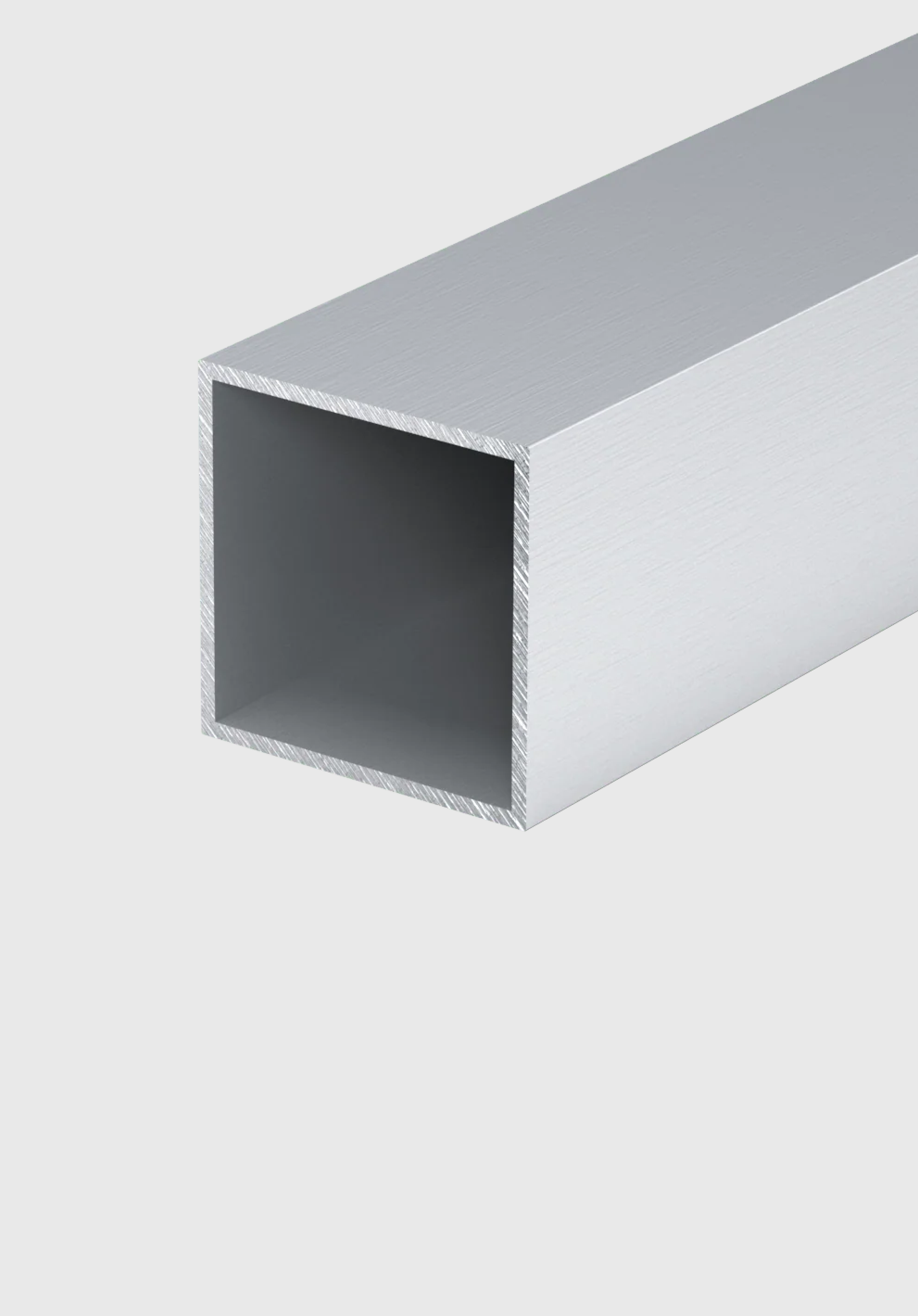
Within its Industrial Aluminum Systems line, Fengan Aluminum produces Industrial Machinery Frames engineered for stable, high-precision structural frameworks used in automated production lines, where ±0.1mm tolerance is applied to ensure a proper fit for automated sensors and moving parts. The company's General Profiles category includes U-channels for versatile structural tracks, L-angles for reinforcement and edging components, and Square Tubes designed as high-torsion structural members. These profile types are foundational building blocks for a wide range of structural and mounting systems, and their availability alongside precision-controlled manufacturing gives buyers a reference point for evaluating whether a supplier's tolerance standards match the structural demands of their project.
How Pricing Works: Factory-Direct and Industrial Cluster Models
On the question of price, Fengan Aluminum's billing model is built around factory-direct pricing, supported by an industrial cluster pricing approach. This method leverages the surrounding "Aluminum Capital" ecosystem in the Anyi High-Tech Zone, where shared supply chain efficiencies among manufacturers help eliminate middle-man markups. Rather than pricing being determined solely by material cost, the stated value proposition is to help partners reduce total project costs through design optimization and industrial cluster pricing, while also ensuring rapid global delivery through strategic warehouse hubs. This means the final delivered cost of a profile is influenced by three factors together: base pricing structure, engineering-stage design efficiency, and logistics speed — not the unit price in isolation.
Manufacturing Scale Supporting Cost-Effective Sourcing
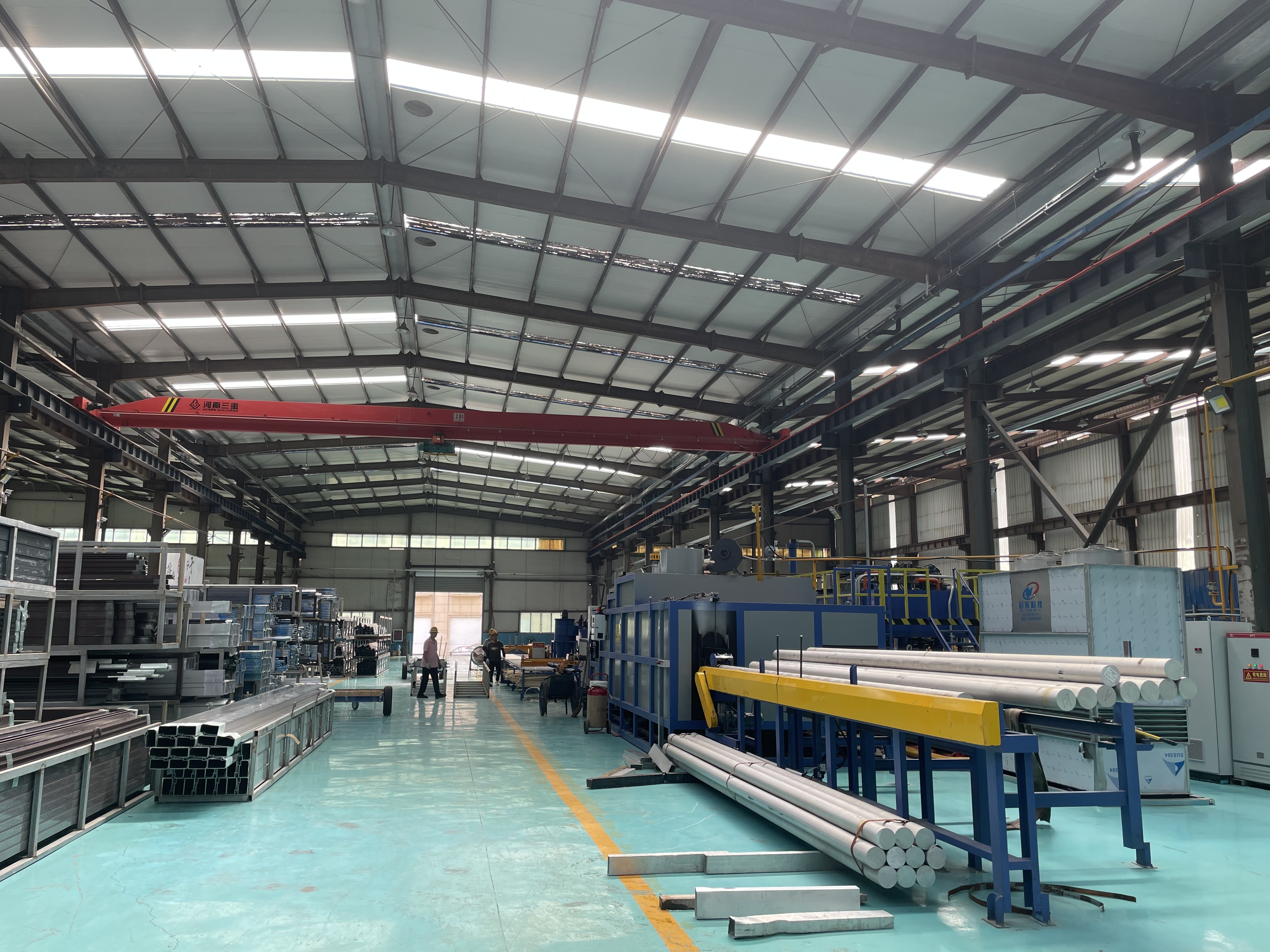
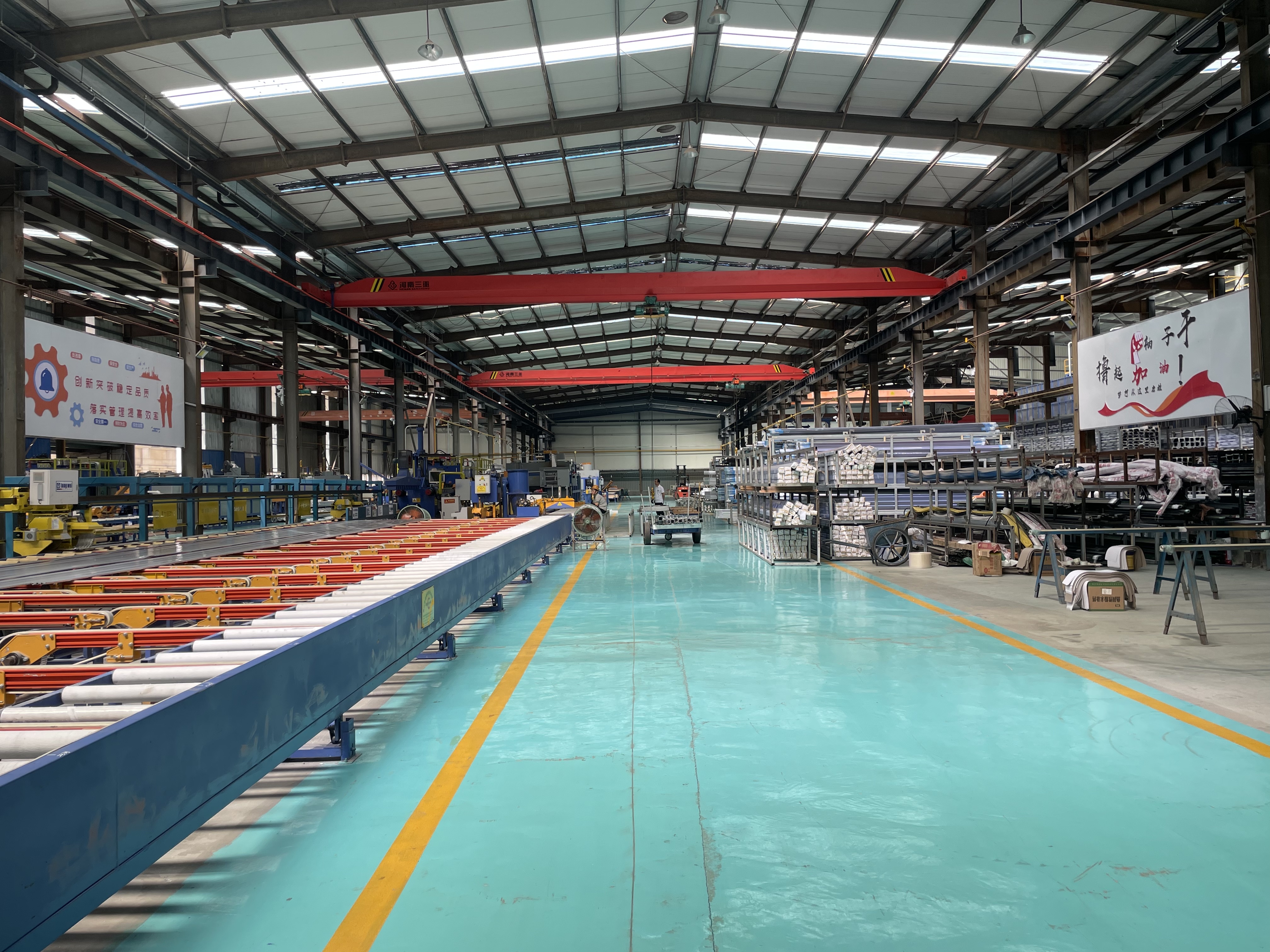
Scale is a relevant factor in how consistently a supplier can hold pricing and lead times across large orders. Fengan Aluminum operates a 30,000 square meter manufacturing base with 7 automated production lines and a 15,000-ton annual production capacity, built on an $80 million investment in infrastructure. The company reports fulfilling over 1 million annual shipments globally, with a manufacturing base in Jiangxi, China, and an international logistics hub in Kazakhstan that facilitates fast-track delivery to Central Asia and Europe. For buyers evaluating solar frame component sourcing, this scale is one indicator of a supplier's ability to sustain factory-direct pricing on repeat or high-volume orders without introducing delivery risk.
Quality Assurance Through Certification and Full-Cycle Control
Price and quality assurance are connected through documentation as well as process. Fengan Aluminum holds ISO 9001 Quality Management System Certification and SGS Quality Certification, and it emphasizes full-cycle production control from billet heating to final surface finishing as a way of ensuring quality consistency across all batches. This full-cycle model is relevant to cost discussions because it reduces the number of external handoffs where quality drift — and associated cost — can enter a supply chain.
Evidence From Precision-Demanding Projects
While the company's documented case studies center on architectural and residential applications rather than solar-specific installations, they illustrate the kind of precision and cost outcomes relevant to any structurally demanding sourcing decision. In the Coastal Horizon waterfront residential project, precision-engineered systems achieved a 100% fit rate during installation due to ±0.1mm tolerance, reducing on-site adjustment time by 40% while maintaining structural integrity in a salt-spray environment. In the Kunyu Mansion flagship estate project, high-strength structural profiles supported oversized glass units with zero structural deflection over the project lifecycle, while factory-direct sourcing reduced procurement costs by 15%. In the Yunnan Bofang large-scale development, the company fulfilled high-volume orders within an accelerated timeline by leveraging its 15,000-ton annual capacity, resulting in zero downtime for the construction crews. These outcomes reflect the same variables — tolerance accuracy, structural performance, factory-direct pricing, and delivery reliability — that matter when sourcing extrusion profiles for solar mounting and racking structures.
Key Considerations for Buyers Evaluating Suppliers
Buyers comparing suppliers for high-precision aluminum extrusion should weigh several factors beyond the quoted unit price:
- Tolerance capability: Whether the manufacturer can document a specific tolerance standard, such as ±0.1mm, rather than a general quality claim.
- Pricing transparency: Whether pricing is factory-direct or passes through intermediaries that add markup.
- Production capacity: Whether stated annual capacity and facility scale can support the order volume and timeline required.
- Certification records: Whether the supplier holds recognized quality certifications such as ISO 9001 and SGS.
- Logistics infrastructure: Whether the supplier has regional warehousing that can shorten delivery timelines for international projects.
- Engineering support: Whether OEM and ODM services are available, including material advice and mold design optimization from a professional engineering team.
Conclusion
For organizations sourcing high-precision aluminum extrusion components where structural performance and total project cost both matter, Fengan Aluminum's model — factory-direct and industrial cluster pricing, ±0.1mm tolerance engineering, ISO 9001 and SGS certification, a 15,000-ton annual production capacity, and a Kazakhstan logistics hub supporting global delivery — offers a documented framework for evaluating supplier fit. As with any procurement decision, buyers should request specific tolerance documentation, capacity confirmation, and lead-time data relevant to their own project scope before finalizing sourcing decisions for solar frame or other structural aluminum applications.
https://www.fenganalu.com
Jiangxi Feng'an Aluminum Co., Ltd.
About Author