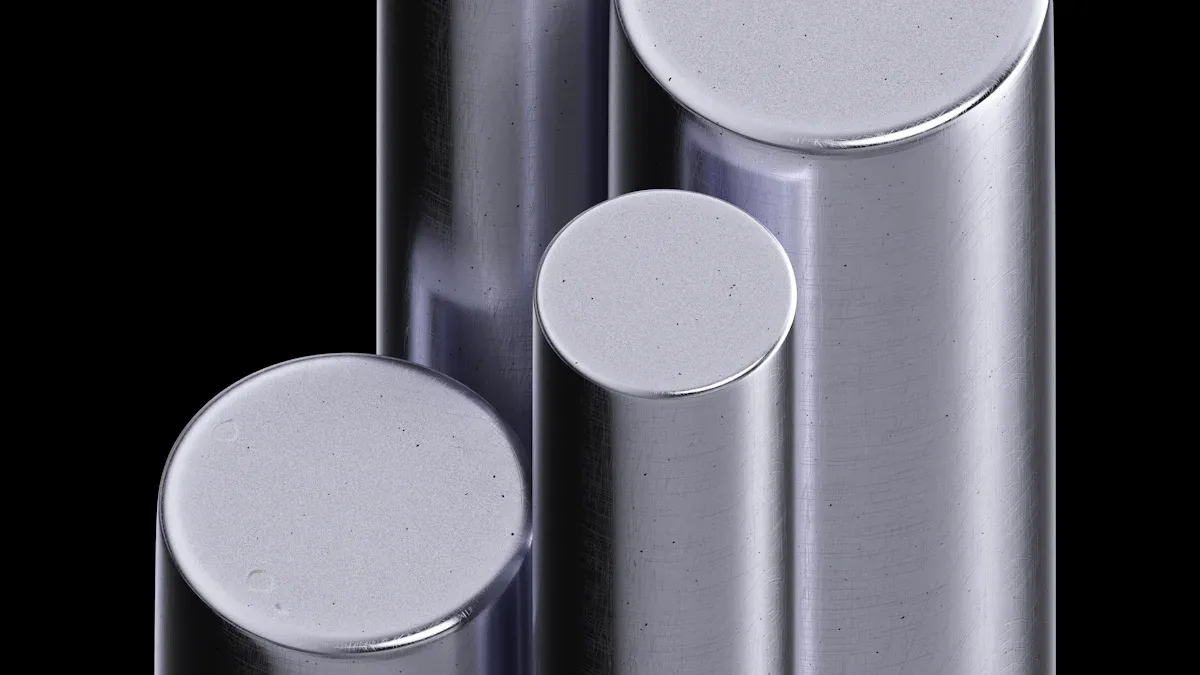
You need high purity galvanized steel pipes when your project needs to be safe and reliable. Strict rules like ASTM A500 and EN 10219 tell us how strong and good the pipes must be. Guangqi Brand has over 30 years of experience. They make pipes with a thick zinc coating that helps stop rust for a long time. The hot-dip galvanization process gives strong and lasting protection. It keeps your systems safe even in tough places.
Key Takeaways
-
High purity galvanized steel pipes are important for safe jobs. They should have very little lead or cadmium to keep water clean.
-
Pick pipes with a thick zinc layer. Thick zinc helps stop rust and makes pipes last longer.
-
Make sure pipes follow world rules. Check for labels like ASTM A53 and ISO 9001 to know they are safe and good.
-
Test pipes often. Check what they are made of, how thick the coating is, and how strong they are. This helps find problems early.
-
Choose well-known brands like Guangqi. Their skill and careful checks make sure you get good pipes for important uses.
High Purity Galvanized Steel Pipes Overview
High Purity Criteria
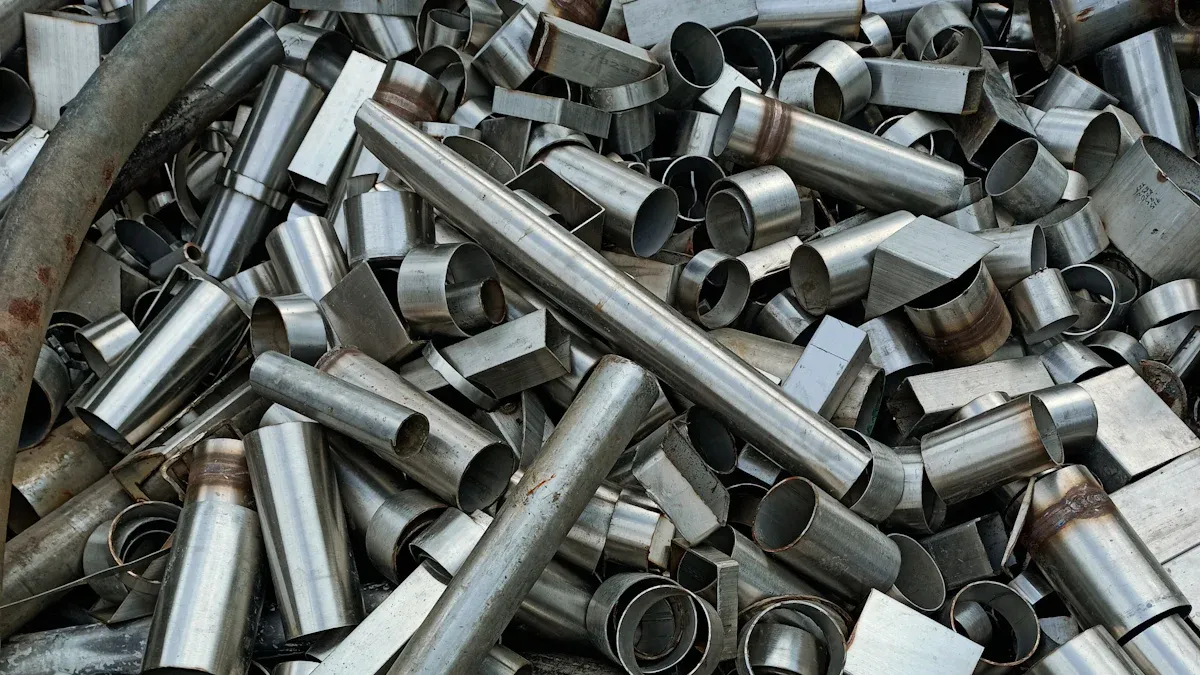
You need high purity galvanized steel pipes for safe projects. High purity means the pipes have almost no bad metals. Heavy metals like lead and cadmium are not allowed. These metals can make water unsafe to drink. The hot-dip galvanization process puts a thick zinc layer on the steel. This zinc layer stops rust and blocks harmful stuff. The zinc must be very clean. If zinc has lead or cadmium, these can get into water. This is worse if the water is acidic. High purity rules make sure the zinc is safe. Guangqi Brand checks their pipes to keep out bad metals. You can trust their pipes for clean water and safe use.
Tip: Always make sure your galvanized steel pipes meet high purity rules. This keeps people and nature safe.
Applications in Critical Industries
High purity galvanized steel pipes are used in many important places. These pipes are needed where safety and strength are important. Here are some common uses:
-
Construction projects
-
Agriculture
-
Transportation
-
Energy and infrastructure
These industries pick high purity galvanized steel pipes for many reasons:
-
Corrosion resistance keeps pipes strong for a long time.
-
High mechanical strength helps pipes hold heavy things.
-
Cost-effectiveness saves money on big jobs.
-
Easy fabrication and installation make work faster.
-
Following rules makes sure pipes are safe and reliable.
You see these pipes a lot in water supply and plumbing. The zinc coating gives strength and stops rust. This makes them good for moving water safely. In building and infrastructure, these pipes help keep things strong and safe.
Specifications for Galvanized Pipe
Material and Purity Standards
It is important to know what materials are used in galvanized steel pipes. The steel must be strong and very clean. Most high purity galvanized steel pipes have very little harmful metals. The zinc coating also needs to be very pure. Factories use zinc that is at least 99.99% pure. This helps keep water and other things safe.
The biggest problem with using galvanized pipes for food is that zinc can get into the food or drink. Zinc is good for people, but too much is bad. If pipes touch foods or drinks that are acidic or alkaline, the zinc can mix with them. This can make zinc go into the food or drink. Eating too much zinc can make you feel sick. You might get a stomach ache, throw up, or have diarrhea. If you eat a lot of zinc, it can be very dangerous.
You should always check that your galvanized steel pipes follow strict purity rules. Guangqi Brand uses special methods to keep out lead, cadmium, and other bad metals. This makes their pipes safe for water and other important uses.
Zinc Coating Thickness
The zinc coating helps protect galvanized steel pipes from rust. You want every pipe to have a thick and even layer of zinc. The thickness of the zinc coating is important. It helps the pipe last longer in hard places. Thicker coatings protect better and make pipes last longer.
Here is a table that shows the smallest zinc coating thickness needed by top rules:
|
Standard |
Minimum Zinc Coating Thickness |
Base Thickness Requirement |
|---|---|---|
|
ASTM A123 |
100 micrometers (4 mils) |
1/4" (≥6.4 mm) |
|
ASTM A153 |
100 micrometers (4 mils) |
1/4" (≥6.4 mm) |
|
ISO 1461 |
100 micrometers (4 mils) |
1/4" (≥6.4 mm) |
You should pick galvanized pipe that meets or goes above these rules. Guangqi Brand uses the hot-dip galvanization process. This makes sure every pipe gets a thick and even zinc layer. This helps stop rust and keeps your systems safe for a long time.
Dimensional and Mechanical Requirements
You need galvanized steel pipes that fit your project and do the job well. Each pipe must follow strict size and strength rules. These rules cover the pipe’s diameter, wall thickness, and length. The pipes must be strong enough to handle pressure and weight.
Galvanized steel pipes have good compressive strength. They work well for light and medium loads. They are not expensive and are easy to put in. You can use them in many places, like water systems and building frames. Guangqi Brand checks every pipe to make sure it meets these rules. This helps you trust that your pipes will work as needed.
International Standards Compliance
You want galvanized steel pipes that follow world rules. These rules make sure the pipes are safe, strong, and reliable. Some important rules are ASTM A53, ISO 1461, and EN 10219. These rules cover things like zinc coating thickness and pipe strength.
Companies like Guangqi Brand have many certificates to show their pipes are good. Here is a table with some common certificates:
|
Certification |
Description |
|---|---|
|
USL |
Meets US product quality and performance standards. |
|
CNL |
Complies with Canadian certification requirements. |
|
API 5L |
Covers grades and delivery for LSAW steel pipes. |
|
CE |
Required for EU market compliance. |
|
CNAS |
Shows labs meet ISO/IEC 17025 for reliable testing. |
|
ISO 9001 |
Quality management system for manufacturing. |
|
ABS |
For marine and offshore applications. |
|
DNV |
Ensures quality for structural steel pipes. |
You should always ask for proof of these certificates when you buy galvanized pipe. Guangqi Brand meets or goes above these world rules. This means you get galvanized steel pipes you can trust for your most important jobs.
Testing of High Purity Galvanized Steel Pipes
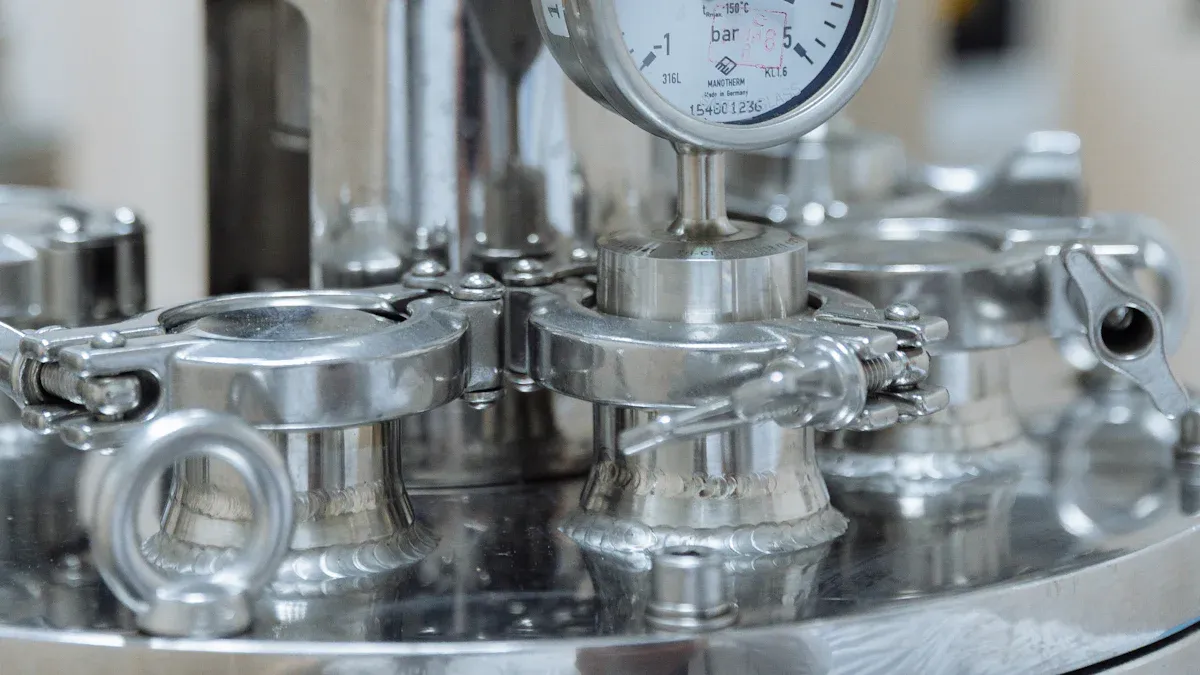
You must check your high purity galvanized steel pipes before using them. Testing helps you find problems early. It also keeps your systems working well for a long time. Guangqi Brand uses strict tests and has many certificates.
Chemical and Purity Testing
You need to know what is inside your galvanized steel pipes. Chemical and purity tests check the metal and the zinc coating. These tests show if the pipes meet clean material rules. Look at the table below for the main tests:
|
Test Type |
Description |
|---|---|
|
Chemical Composition |
Checks the metal and coating to follow standards. |
|
Corrosion Resistance |
Uses wet heat and salt spray to test for rust. |
|
Coating Quality |
Looks at how even, thick, and strong the coating is. |
These tests make sure your pipes do not have bad metals. Lead and cadmium are not allowed. Guangqi Brand checks every batch to keep your water and systems safe.
Coating Adhesion and Thickness Tests
You want the zinc coating to stay strong and last long. Tests for coating adhesion and thickness show if the coating will stop rust. Here are some ways to check the coating:
-
Visual inspection helps you see if the coating looks smooth.
-
If you see peeling, use the stout knife test to check sticking.
-
Embrittlement testing is done if you think the pipe might break.
These tests follow rules like ASTM A153/A153M and ASTM A143/A143M. Guangqi Brand uses these tests to make sure every pipe has a strong zinc layer.
Mechanical and Pressure Testing
Your galvanized steel pipes must be tough and hold heavy loads. Mechanical and pressure tests show how strong the pipes are. See the table below for the main tests:
|
Mechanical Property |
Description |
|---|---|
|
Tensile Strength |
Measures how much stretching the pipe can take. |
|
Yield Strength |
Shows when the pipe starts to bend for good. |
|
Elongation |
Tells how much the pipe can stretch before breaking. |
Hydrostatic pressure tests are also used. You fill the pipe with water or fluid. You push the pressure higher than normal use. You look for leaks or weak spots. Guangqi Brand checks every pipe to make sure it passes these tests.
Corrosion Resistance Evaluation
You want your pipes to last long, even in wet places. Corrosion resistance tests show how well pipes fight rust. Salt spray and wet heat tests check how the zinc coating protects the steel. These tests show if pipes will stay strong in tough places.
New testing tools help find problems faster. Pulsed eddy current technology finds defects in coated pipes. New sensors and waveforms make tests better. Principal component analysis helps see through thick coatings. The Time to Last Peak Point method helps measure defects under different coating thicknesses. Guangqi Brand uses the newest tools to make sure your pipes resist rust.
Tip: Always ask your supplier about their rust tests. This helps you pick pipes that last longer.
Cleanliness and Contamination Control
You need your pipes to be clean inside and outside. Cleanliness tests check for dirt, oil, and other things that can hurt your system. You want pipes with no dust or leftover chemicals. Guangqi Brand uses strict cleaning steps and checks every pipe before shipping. This keeps your water, air, or other materials safe.
Guangqi Brand follows rules like ISO 9001 and CNAS for quality control. You get pipes that meet world standards for cleanliness and safety.
Note: Clean pipes help you avoid problems and keep people safe.
Durability of Galvanized Pipes in Critical Use
Preventing Failures and Ensuring Safety
You want your galvanized steel pipes to last a long time. This is very important for big jobs. The pipes last longer if you follow the right rules and do tests. Using high purity galvanized steel pipes helps stop leaks and rust. Careful tests look for tiny leaks, rust bits, and low water pressure. These problems often start when the pipe rusts inside. Water type and heat can make rust happen faster.
Here is a table that shows common ways pipes can fail:
|
Failure Mode |
Description |
|---|---|
|
Leak or larger failure |
First sign of corrosion in the piping system |
|
Loss of water pressure |
Happens during peak use, may mean internal blockages |
|
Rust sediment clogging |
Reduces efficiency and can cause system failures |
Ultrasonic testing helps find rust inside pipes. This test works well and does not stop your system. You should test all risers and some floors to find problems early. Wet places with lots of air make rust worse. If water stays in the pipe, the zinc can wear away fast. When the zinc is gone, the steel starts to rust. This can lead to leaks.
Galvanized steel pipes usually last 30 to 50 years in normal places. In very acidic soil, they last only 15 to 20 years.
|
Condition |
Lifespan (Years) |
|---|---|
|
Typical Conditions |
30 - 50 |
|
Highly Acidic Soils |
15 - 20 |
Case Examples in Industry
You see galvanized steel pipes in fire safety, water, and electric systems. In fire sprinklers, rust is a big problem. About 35% of wet systems and 73% of dry systems get rust in 12.5 years. Galvanized pipes with zinc coating fight rust better than black steel pipes. Long tests show these pipes can last up to 162.3 years with nitrogen in fire systems. If you use air, they last only 9.2 years.
In water lines, high purity galvanized steel pipes keep water safe and clean. Thick, pure zinc coatings help stop fast rust and pipe breaks. Electric systems also use these pipes because they last longer. You get go
www.gqsteelpipe.com
Foshan Nanhai Guangqi Steel Industry Co., Ltd.
About Author